Primary Assay — Drosophila
RING / Negative Geotaxis (Climbing Assay)
Drosophila melanogaster
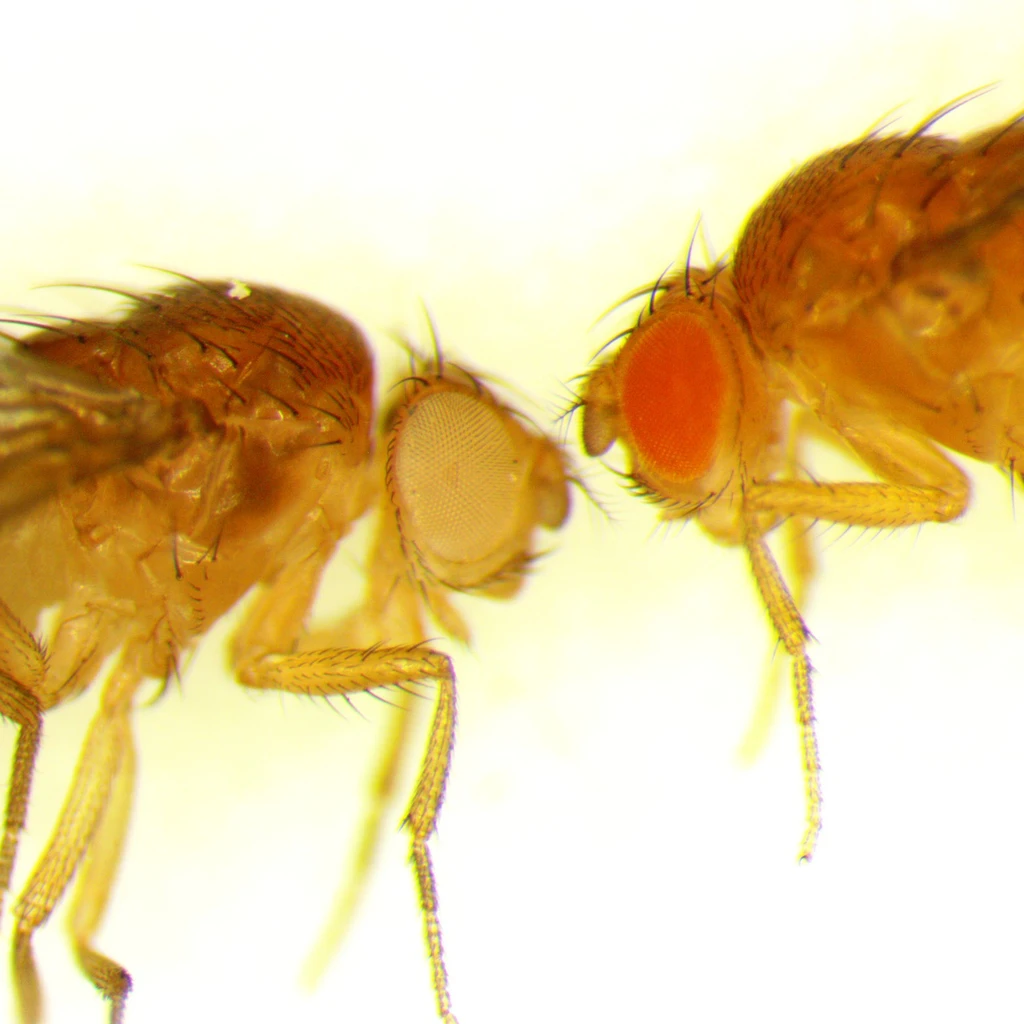
Flies are tapped to the bottom of a vial and their climbing ability is recorded. The Rapid Iterative Negative Geotaxis (RING) assay enables high-throughput quantification. Sensitive to aging and neurodegeneration.
Quantitative Output
Measured Parameters
Every parameter is automatically tracked frame-by-frame in the ConductVision pipeline for Drosophila melanogaster.
| Parameter | Unit | Description |
|---|---|---|
| Climb height at 4s | cm | Distance climbed in fixed time |
| % reaching top | % | Proportion clearing the vial |
| Climb speed | cm/s | Average upward velocity |
| Performance index | score | Composite of height and proportion |
References
Citations for RING / Negative Geotaxis (Climbing Assay)
- Gargano JW, Martin I, Bhandari P, Bhatt MS. (2005). Rapid iterative negative geotaxis (RING): a new method for assessing age-related locomotor decline in Drosophila. Exp Gerontol, 40(5), 386-395. PMID: 15919590
- Madabattula ST, et al. (2015). Quantitative analysis of climbing defects in a Drosophila model of neurodegenerative disorders. J Vis Exp, (100), e52741. PMID: 26132365
Compatible Equipment
Hardware for Drosophila Research
Drosophila Activity Monitor (DAM)
Circadian activity and sleep
Climbing Assay Vials (RING)
Negative geotaxis
T-maze (Drosophila)
Olfactory learning and memory
Courtship Chambers
Mating behavior
Aggression Arenas
Fighting behavior
Fly Flight Tester
Flight ability screening
Related Assays
Other Drosophila Primary Assays
04
Courtship Assay
Drosophila melanogaster
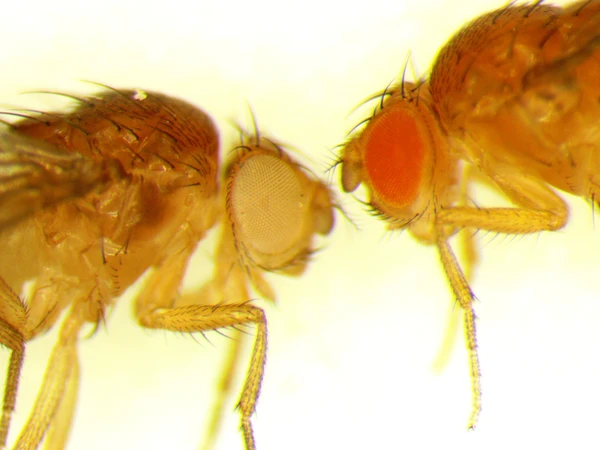
Drosophila courtship is a stereotyped behavioral sequence: orientation → following → wing extension (song) → licking → a…
04
Circadian Activity Monitoring (DAM System)
Drosophila melanogaster
Individual flies in glass tubes; infrared beam breaks record locomotor activity over days-weeks. Quantifies circadian rh…
04
Olfactory T-maze Learning
Drosophila melanogaster
Flies are trained to associate one odor with electric shock and tested for avoidance in a T-shaped choice point. Foundat…
Run RING / Negative Geotaxis (Climbing Assay) on ConductVision
Our team will configure the protocol, camera rig, and analysis pipeline for your drosophila facility.