Behavioral Tracking for Honeybee
Apis mellifera
ConductVision provides automated analysis of honeybee PER conditioning, waggle dance quantification, foraging flight paths, and defensive behavior with precision tracking.

Why Honeybees in Behavioral Research
The honeybee (Apis mellifera) is a premier model for studying learning and memory, communication, navigation, and social behavior. The proboscis extension reflex (PER) conditioning paradigm is one of the most widely used invertebrate learning assays, enabling precise dissection of associative memory. Waggle dance quantification provides unique insights into symbolic communication, while foraging and navigation studies reveal sophisticated spatial cognition.
Paoli M, et al. (2021). Olfactory coding in honeybees. Cell Tissue Res, 383(1), 35-58. PMID: 33443623
da Silva RC, et al. (2024). When the society dictates food search — Neural signalling underlying appetitive motivation in honey bees. Curr Opin Neurobiol, 89, 102930. PMID: 39490303
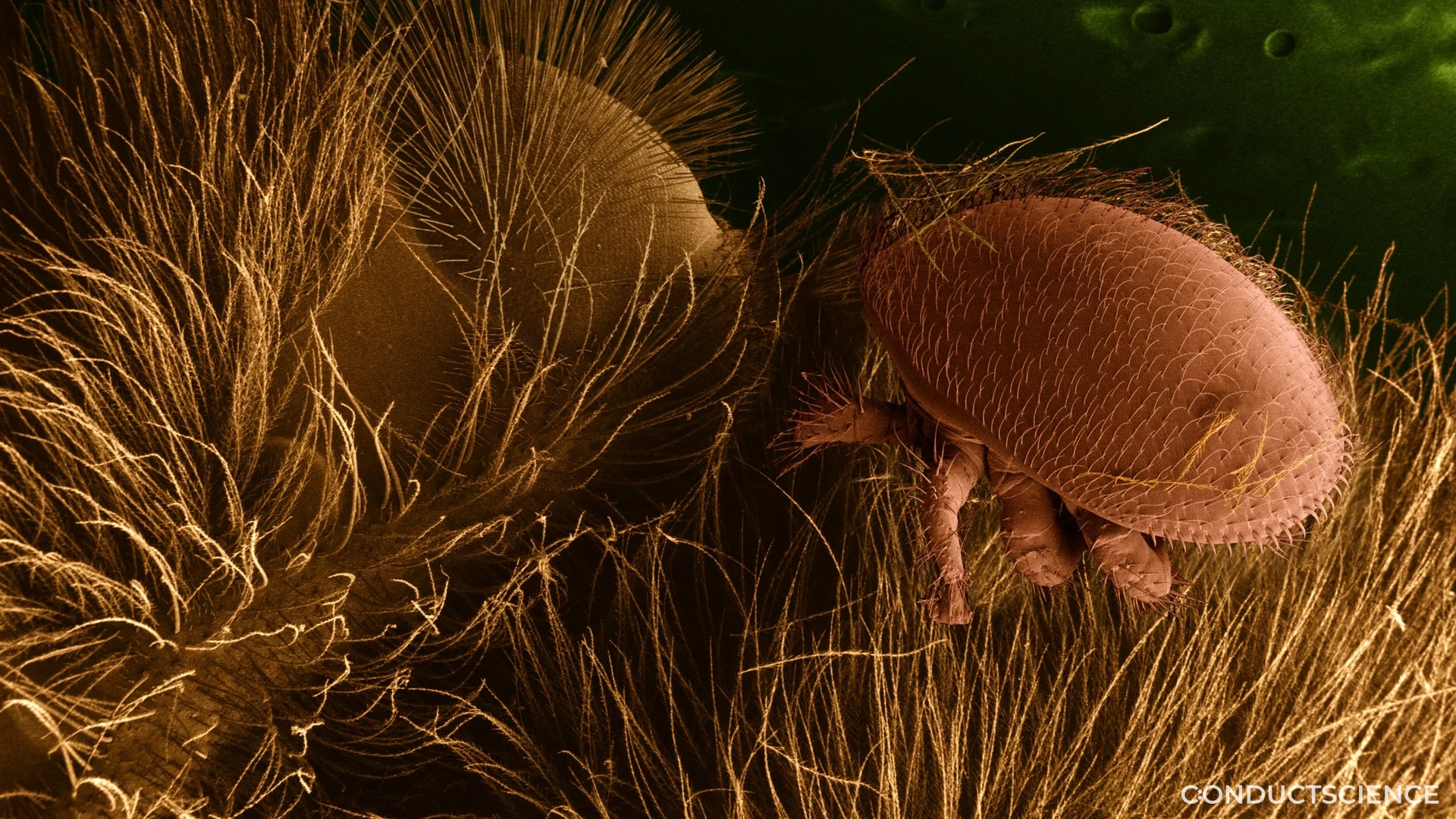
What We Measure in Honeybee
Validated assays with quantitative parameter tracking for Apis mellifera.
The gold-standard invertebrate associative learning paradigm. Bees learn to extend their proboscis to a conditioned odor stimulus, enabling precise measurement of acquisition, retention, and extinction of olfactory memories.
| Parameter | Unit | Description |
|---|---|---|
| Acquisition rate | % per trial | Learning across CS-US pairings |
| Memory retention (1h/24h) | % responding | Short/long-term memory |
| Extinction rate | trials to criterion | Unlearning of CS-US association |
Guo Y, et al. (2017). Proboscis Extension Reflex in Apis mellifera with Only One Antenna. Bio Protoc, 7(23), e2624. PMID: 34595292
Giurfa M, et al. (2004). Associative mechanosensory conditioning of the proboscis extension reflex in honeybees. Learn Mem, 11(3), 294-302. PMID: 15169859
Automated analysis of the honeybee waggle dance — nature's only known symbolic communication system. Dance parameters encode distance and direction to food sources.
| Parameter | Unit | Description |
|---|---|---|
| Waggle run duration | s | Encodes distance to food |
| Waggle angle | degrees | Encodes direction relative to sun |
| Number of circuits | count | Recruitment intensity |
| Dance tempo | runs/min | Urgency signal |
De Marco R, et al. (2005). Encoding spatial information in the waggle dance. J Exp Biol, 208(20), 3885-3894. PMID: 16215216
Okada R, et al. (2012). Mathematical analysis of the honeybee waggle dance. Acta Biol Hung, 63(Suppl 2), 7-14. PMID: 22776476
GPS and radar-based tracking of individual bee foraging flights. Reveals navigation strategies, path efficiency, and spatial memory for food sources.
| Parameter | Unit | Description |
|---|---|---|
| Flight trajectory | GPS/radar | Path to food source |
| Homing accuracy | m | Displacement from nest |
| Trip duration | min | Foraging bout length |
Patel RN, et al. (2024). Parallel vector memories in the brain of a bee as foundation for flexible navigation. Proc Natl Acad Sci U S A, 121(30), e2402509121. PMID: 39008670
Gustatory response scoring across a sucrose concentration series. PER threshold reflects motivational state and is modulated by neonicotinoid exposure and nutritional status.
| Parameter | Unit | Description |
|---|---|---|
| PER threshold | μg/μl | Lowest concentration eliciting PER |
| Gustatory response score (GRS) | 0-6 | Sum across concentration series |
Démares FJ, et al. (2018). Neonicotinoids decrease sucrose responsiveness of honey bees at first contact. J Insect Physiol, 108, 46-52. PMID: 29775568
Quantification of colony defense behavior including stinging latency, pursuit distance, and alarm pheromone escalation. Key endpoint for assessing Africanized bee genetics and environmental stressors.
| Parameter | Unit | Description |
|---|---|---|
| Stinging latency | s | Time to sting intruder |
| Pursuit distance | m | Chase range |
| Alarm pheromone release | threshold | Escalation trigger |
Nouvian M, et al. (2016). The defensive response of the honeybee Apis mellifera. J Exp Biol, 219(22), 3505-3517. PMID: 27852760
More Behavioral Tests for Honeybee
Olfactory Conditioning
Key Parameters: Odor discrimination index, reversal learning
Peele P, et al. (2006). PMID: 16865372
Navigation / Landmark Use
Key Parameters: Landmark displacement accuracy, shortcut probability
Menzel R, et al. (2024). PMID: 39319438
Hygienic Behavior / Grooming
Key Parameters: Freeze-killed brood removal rate (24h), grooming frequency
Nganso BT, et al. (2017). PMID: 28622341
ConductScience Hardware for Honeybee Research
PER Conditioning Harness
Proboscis extension reflex assays
Hive Observation Camera
In-hive waggle dance recording
RFID Tracking System
Individual bee flight monitoring
Sucrose Stimulus Delivery
Gustatory response scoring
Video Arena
Defensive behavior testing
Citations & Further Reading
- Paoli M, et al. (2021). Olfactory coding in honeybees. Cell Tissue Res, 383(1), 35-58. PMID: 33443623
- da Silva RC, et al. (2024). When the society dictates food search — Neural signalling underlying appetitive motivation in honey bees. Curr Opin Neurobiol, 89, 102930. PMID: 39490303
- Guo Y, et al. (2017). Proboscis Extension Reflex in Apis mellifera with Only One Antenna. Bio Protoc, 7(23), e2624. PMID: 34595292
- Giurfa M, et al. (2004). Associative mechanosensory conditioning of the proboscis extension reflex in honeybees. Learn Mem, 11(3), 294-302. PMID: 15169859
- De Marco R, et al. (2005). Encoding spatial information in the waggle dance. J Exp Biol, 208(20), 3885-3894. PMID: 16215216
- Okada R, et al. (2012). Mathematical analysis of the honeybee waggle dance. Acta Biol Hung, 63(Suppl 2), 7-14. PMID: 22776476
- Patel RN, et al. (2024). Parallel vector memories in the brain of a bee as foundation for flexible navigation. Proc Natl Acad Sci U S A, 121(30), e2402509121. PMID: 39008670
- Démares FJ, et al. (2018). Neonicotinoids decrease sucrose responsiveness of honey bees at first contact. J Insect Physiol, 108, 46-52. PMID: 29775568
- Nouvian M, et al. (2016). The defensive response of the honeybee Apis mellifera. J Exp Biol, 219(22), 3505-3517. PMID: 27852760
Other Model Systems
Discuss Your Honeybee Research
Tell us about your models, assays, and experimental goals — we’ll show you how ConductVision fits your workflow.