Behavioral Tracking for Yellow Fever Mosquito
Aedes aegypti
Host-seeking, flight behavior, and vector biology in Aedes aegypti. ConductVision delivers automated tracking and quantitative parameter extraction across the full assay catalog below.
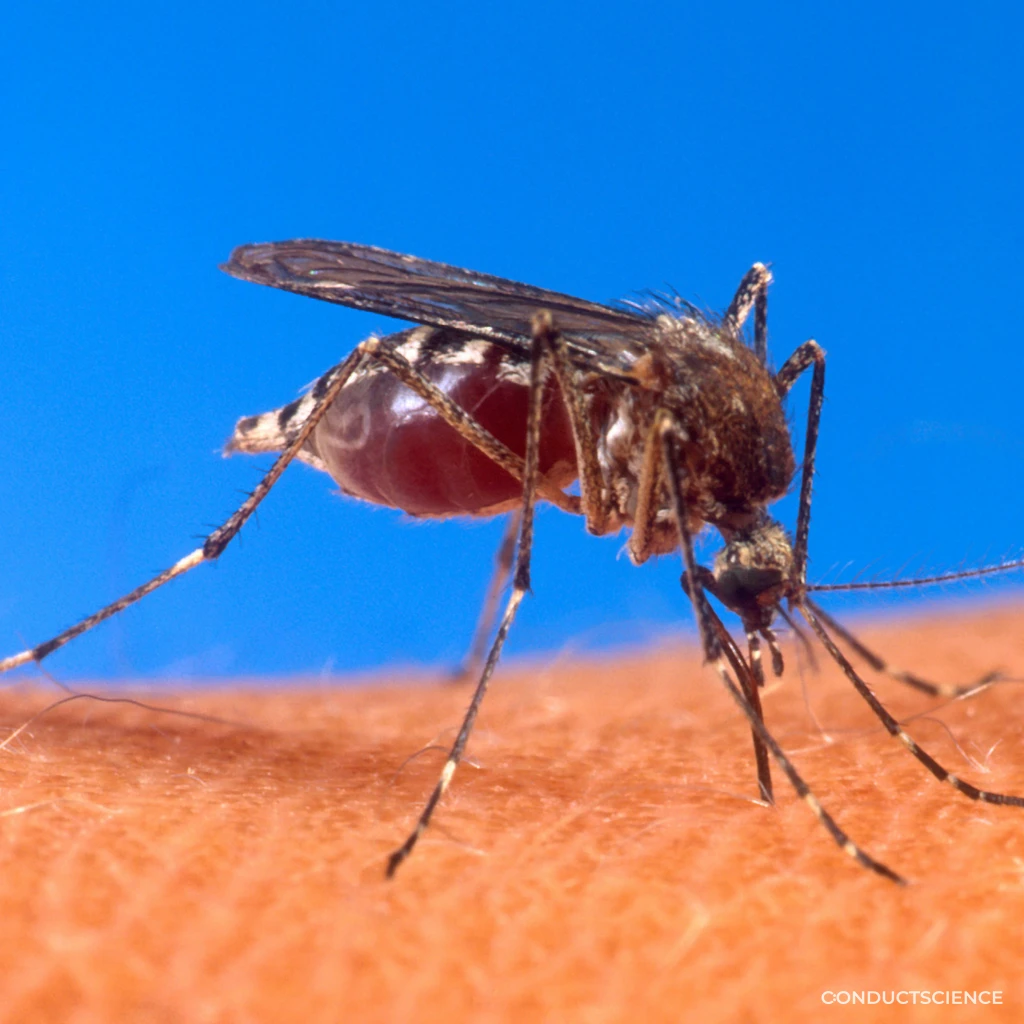
Why Yellow Fever Mosquito in Behavioral Research
Aedes aegypti is the principal vector for dengue, Zika, and yellow fever and a key model for chemosensory and host-seeking behavior. Behavioral assays of CO₂ tracking, host preference, and insecticide response underpin global vector control research.
McMeniman CJ, et al. (2014). Multimodal integration of carbon dioxide and other sensory cues drives mosquito attraction to humans. Cell, 156(5), 1060-1071. PMID: 24581501
DeGennaro M, et al. (2013). orco mutant mosquitoes lose strong preference for humans and are not repelled by volatile DEET. Nature, 498(7455), 487-491. PMID: 23719379
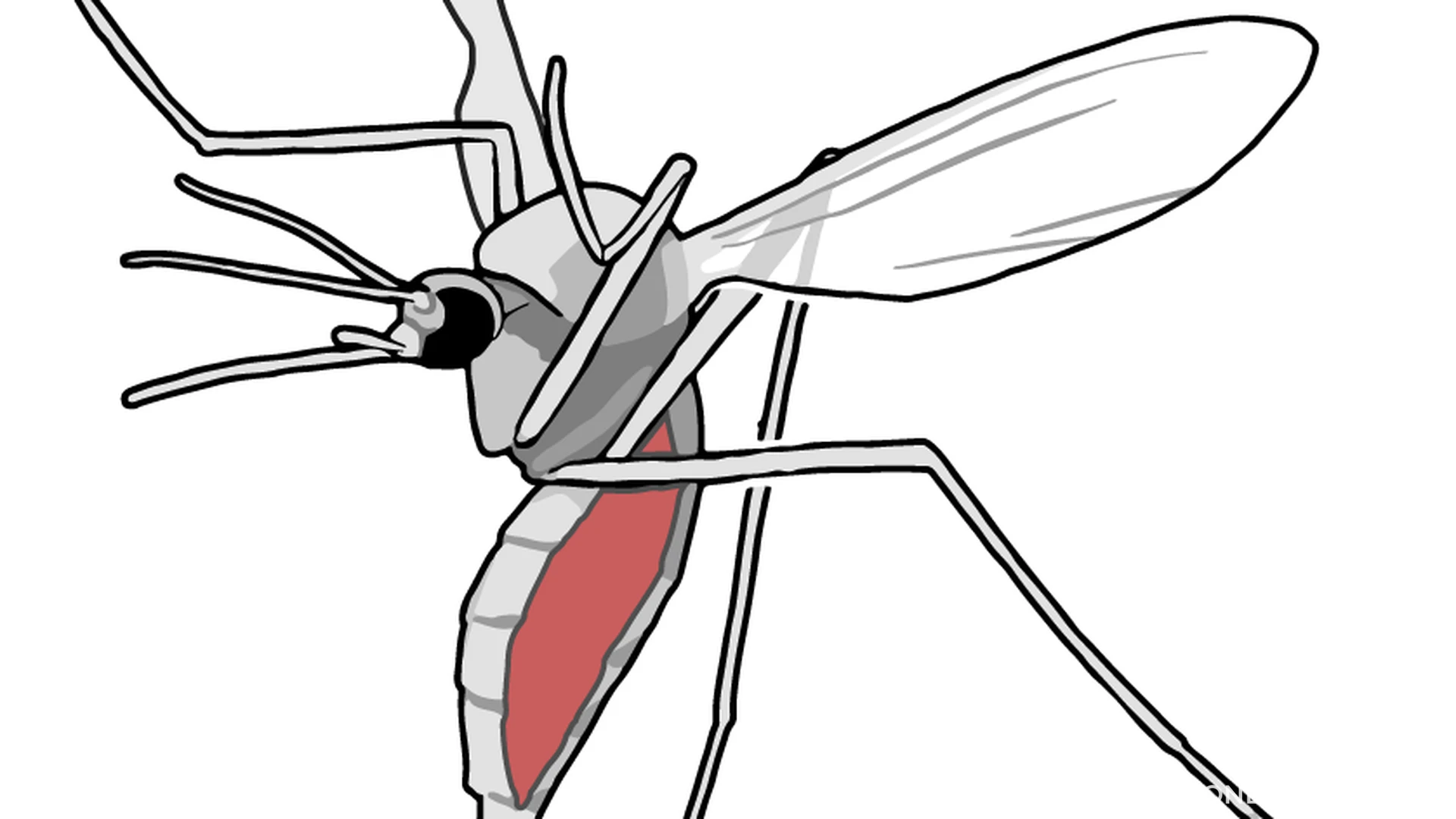
What We Measure in Yellow Fever Mosquito
Validated assays with quantitative parameter tracking for Aedes aegypti.
Aedes aegypti integrates CO₂, body heat, and skin odors to locate human hosts. Wind-tunnel and cage assays measure flight initiation, plume tracking, and approach behavior to host cues.
| Parameter | Unit | Description |
|---|---|---|
| Flight activation | % | Fraction taking off to CO₂ |
| Attraction index | ratio | Test vs control approach |
| Plume tracking accuracy | deg | Heading vs odor source |
| Approach latency | s | Cue onset to host contact |
Dekker T, Cardé RT. (2011). Moment-to-moment flight manoeuvres of the female yellow fever mosquito (Aedes aegypti L.) in response to plumes of carbon dioxide and human skin odour. J Exp Biol, 214(Pt 20), 3480-3494. PMID: 21957112
Female Aedes probe and engorge to repletion on host blood. Probing latency, feeding duration, and blood volume index vector competence and pathogen transmission risk.
| Parameter | Unit | Description |
|---|---|---|
| Probing latency | s | Landing to first probe |
| Feeding duration | s | Probe insertion to disengage |
| Blood volume | µL | Mass change |
| Re-feed rate | % | Multiple-host visits |
Edman JD, et al. (1992). Are mosquitoes gluttonous feeders? J Med Entomol, 29(3), 535-538.
Gravid females select egg-laying sites by water cues, organic content, and conspecific eggs. Egg counts and visit duration across substrates inform breeding-site control.
| Parameter | Unit | Description |
|---|---|---|
| Egg count per site | count | Substrate preference |
| Visit duration | s | Pre-oviposition exploration |
| Skip-oviposition events | count | Distribution across sites |
| Site-revisit rate | % | Memory for sites |
Bentley MD, Day JF. (1989). Chemical ecology and behavioral aspects of mosquito oviposition. Annu Rev Entomol, 34, 401-421. PMID: 2563321
WHO bottle and tube assays expose mosquitoes to discriminating doses of insecticide. Knockdown time and 24-h mortality benchmark resistance, while behavioral assays detect repellency and irritancy.
| Parameter | Unit | Description |
|---|---|---|
| Knockdown time (KT₅₀) | min | Time to 50% knockdown |
| 24-h mortality | % | Lethal endpoint |
| Excito-repellency | ratio | Time on vs off treated surface |
| Resistance ratio | fold | LD vs susceptible reference |
Brogdon WG, McAllister JC. (1998). Simplification of adult mosquito bioassays through use of time-mortality determinations in glass bottles. J Am Mosq Control Assoc, 14(2), 159-164. PMID: 9673916
Aedes aegypti shows bimodal crepuscular flight activity controlled by an endogenous clock. Activity recording quantifies peak times, total flight, and clock-gene phenotypes.
| Parameter | Unit | Description |
|---|---|---|
| Peak activity time | h | Phase of flight peak |
| Total daily flight | min | Activity sum |
| Bimodality index | ratio | Dawn vs dusk peaks |
| Free-running period | h | Circadian τ |
Rund SS, et al. (2013). Daily rhythms in mosquitoes and their consequences for malaria transmission. Insects, 4(4), 666-685. PMID: 26462529
More Behavioral Tests for Yellow Fever Mosquito
Mating Swarm Behavior
Key Parameters: Swarm participation, copulation rate
Cator LJ, et al. (2009). PMID: 19729671
Sugar Feeding (Plant Nectar)
Key Parameters: Feeding latency, sugar volume
Foster WA. (1995). Annu Rev Entomol, 40, 443-474. PMID: 7810991
Larval Phototaxis
Key Parameters: Diving response, depth distribution
Clements AN. (1992). The Biology of Mosquitoes Vol 1. Chapman & Hall.
Larval Predator Avoidance
Key Parameters: Surfacing rate, evasion behavior
Roberts D. (2014). PMID: 25183000
Heat-Seeking
Key Parameters: Approach to thermal stimulus
Corfas RA, Vosshall LB. (2015). eLife, 4, e11750. PMID: 26670734
ConductScience Hardware for Yellow Fever Mosquito Research
Two-Choice Olfactometer
Host preference assays
Wind Tunnel Flight Cage
CO₂ plume tracking
Oviposition Choice Arena
Multi-substrate egg-laying
WHO Bottle Assay Kit
Insecticide resistance testing
Larval Tracking Plate
Aquatic stage behavior
Citations & Further Reading
- McMeniman CJ, et al. (2014). Multimodal integration of carbon dioxide and other sensory cues drives mosquito attraction to humans. Cell, 156(5), 1060-1071. PMID: 24581501
- DeGennaro M, et al. (2013). orco mutant mosquitoes lose strong preference for humans and are not repelled by volatile DEET. Nature, 498(7455), 487-491. PMID: 23719379
- Dekker T, Cardé RT. (2011). Moment-to-moment flight manoeuvres of the female yellow fever mosquito (Aedes aegypti L.) in response to plumes of carbon dioxide and human skin odour. J Exp Biol, 214(Pt 20), 3480-3494. PMID: 21957112
- Edman JD, et al. (1992). Are mosquitoes gluttonous feeders? J Med Entomol, 29(3), 535-538.
- Bentley MD, Day JF. (1989). Chemical ecology and behavioral aspects of mosquito oviposition. Annu Rev Entomol, 34, 401-421. PMID: 2563321
- Brogdon WG, McAllister JC. (1998). Simplification of adult mosquito bioassays through use of time-mortality determinations in glass bottles. J Am Mosq Control Assoc, 14(2), 159-164. PMID: 9673916
- Rund SS, et al. (2013). Daily rhythms in mosquitoes and their consequences for malaria transmission. Insects, 4(4), 666-685. PMID: 26462529
Other Model Systems
Discuss Your Mosquito Research
Tell us about your models, assays, and experimental goals — we’ll show you how ConductVision fits your workflow.