ConductVision
$1,490 per year for one computerA 5-year license is $3,990 in total.
Results export as CSV files.

Elevated three-dimensional behavioral testing platform with adjustable mesh slopes for measuring anxiety-related behaviors and approach-avoidance conflicts in rodents.

Director of Science · ConductScience
Ask Louise about 3D Open Field fit, setup, configuration, or quote prep.
Already working with us? Sign in to connect this with My Scientist.
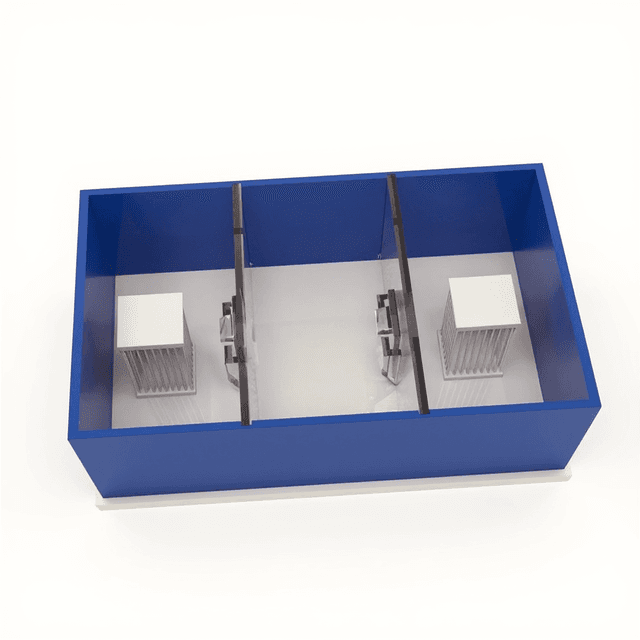
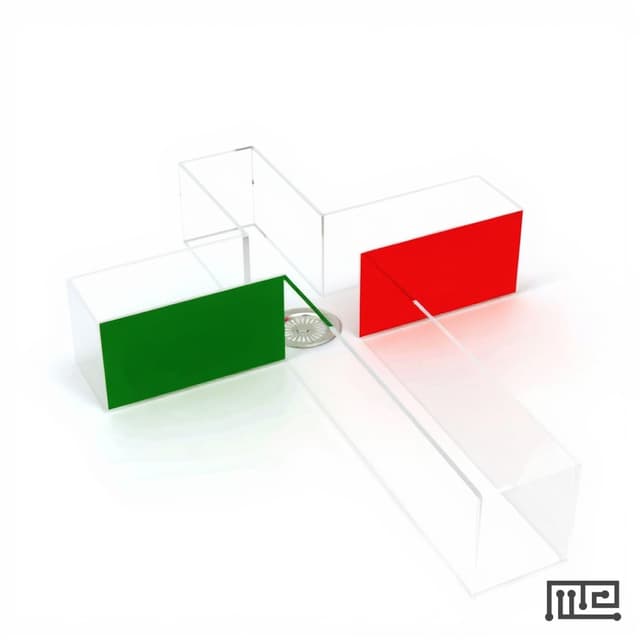
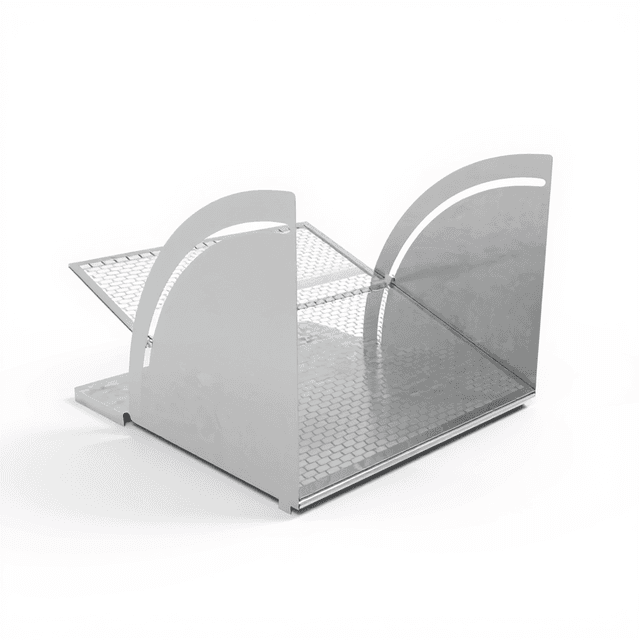
The 3D Open Field is a specialized behavioral testing apparatus designed to assess anxiety-related behaviors in rodents through a unique three-dimensional paradigm. The system features an 80 x 80 cm elevated platform positioned 75 cm above ground level, with mesh slopes positioned at opposite ends that can be adjusted to varying angles. This configuration creates an anxiogenic environment that presents rodents with simultaneous approach-avoidance conflicts between exploration and escape behaviors.
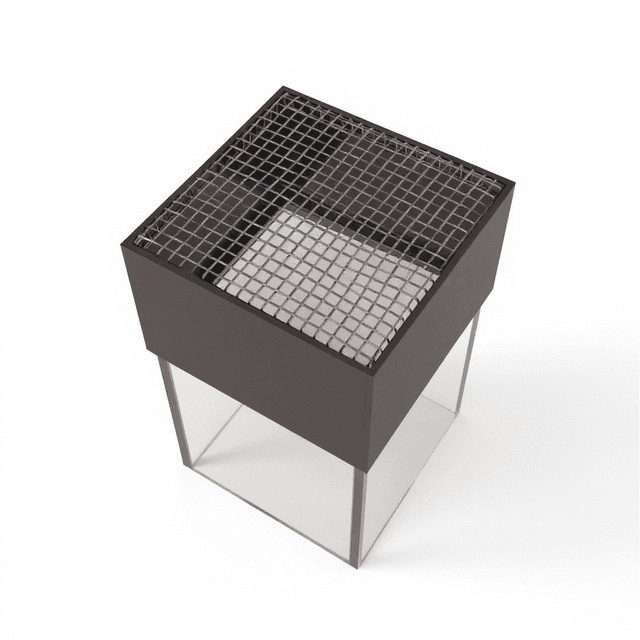
Unlike traditional open field tests, the 3D design incorporates vertical elements and escape routes that better model natural anxiety-provoking situations. The apparatus includes a central white tile (16 x 16 cm) surrounded by concentric black zones, enabling researchers to measure thigmotaxis, center time, locomotor activity, and exploratory patterns while animals navigate the elevated platform and mesh slopes.
The 3D Open Field exploits rodents' natural conflict between exploration drive and anxiety-induced avoidance behaviors. When placed on the elevated platform, animals experience heightened anxiety due to the open, elevated environment while simultaneously being motivated to explore novel spaces. The mesh slopes provide potential escape routes, creating approach-avoidance conflicts as animals must choose between remaining on the platform or attempting to navigate the angled surfaces.
Behavioral scoring typically measures time spent in different zones (center white tile, inner black area, outer black area), frequency of slope approaches, locomotor activity patterns, and thigmotaxis behaviors. The elevated height (75 cm) increases the anxiogenic properties compared to ground-level open fields, while the mesh slopes introduce a three-dimensional component that better models natural escape behaviors. Video tracking systems can quantify these parameters automatically to provide comprehensive anxiety-related behavioral profiles.
These IDs come from NCBI Taxonomy. Use them in data records and methods sections.
NCBITaxon:10090 NCBITaxon:10116 Ready for RO-Crate, the open standard for sharing data.
| Feature | This Product | Typical Alternative | Advantage |
|---|---|---|---|
| Platform Elevation | 75 cm height with full platform access | Ground-level testing or limited elevated sections | Increased anxiogenic properties while maintaining full spatial exploration capabilities |
| Escape Route Design | Adjustable mesh slopes with full angulation range | Fixed escape routes or no escape options | Enables systematic variation of task difficulty across experimental conditions |
| Platform Size | 80 x 80 cm testing area | Smaller platforms or irregular shapes | Provides adequate space for natural locomotor patterns while maintaining manageable tracking zones |
| Zone Definition | Contrasting white center with defined 16 cm black zones | Uniform coloring or unclear zone boundaries | Facilitates precise behavioral scoring and automated tracking system calibration |
| Three-Dimensional Assessment | Integrated vertical and horizontal exploration elements | Single-plane testing environments | Better models natural decision-making scenarios involving spatial risk assessment |
The 3D Open Field combines elevated platform anxiety induction with adjustable escape routes and clearly defined behavioral zones. The 75 cm elevation height and mesh slope design create unique approach-avoidance conflicts not available in traditional behavioral testing apparatus.
Adjust mesh slope angles systematically across pilot sessions to establish optimal difficulty levels for your specific research questions.
Why: Slope angle significantly affects escape success rates and approach-avoidance behavior patterns.
Inspect mesh slope attachment points regularly and ensure secure mounting to prevent movement during testing.
Why: Loose slopes can create inconsistent testing conditions and affect behavioral reproducibility.
Allow 10-15 minutes between subjects for complete odor elimination and apparatus reset to baseline conditions.
Why: Residual olfactory cues from previous animals can significantly influence exploration patterns and anxiety behaviors.
Record ambient lighting conditions and maintain consistent illumination levels across all testing sessions.
Why: Lighting variations can affect anxiety levels and behavioral responses in rodents.
If animals show persistent freezing behavior, consider reducing platform elevation or adjusting slope angles to encourage exploration.
Why: Excessive anxiety can prevent meaningful behavioral assessment and data collection.
Position safety nets or soft landing surfaces around the apparatus perimeter during initial setup and training sessions.
Why: Prevents potential animal injury during apparatus familiarization and unexpected jumping behaviors.
Habituate animals to the testing room environment for 30-60 minutes before behavioral assessment begins.
Why: Reduces environmental stress factors that could confound anxiety-related behavioral measurements.
ConductScience provides a one-year manufacturer warranty covering defects in materials and workmanship, with technical support available for apparatus setup and behavioral protocol optimization.
Specifications, models, materials, and operating envelopes
What behavioral parameters can be measured using this apparatus?
The 3D Open Field enables measurement of center time, total distance traveled, zone transitions, thigmotaxis behavior, slope approach frequency, time spent on mesh slopes, and velocity changes across different platform areas.
How does the 3D design differ from traditional open field tests?
The elevated platform with mesh slopes creates approach-avoidance conflicts not present in ground-level open fields, providing escape routes that better model natural anxiety-provoking environments and decision-making scenarios.
What mesh slope angles are recommended for different experimental conditions?
Consult product datasheet for specific angle recommendations, as optimal slope configuration depends on species, strain, age, and experimental objectives for approach-avoidance assessment.
Can the apparatus accommodate both mice and rats?
The 80 x 80 cm platform size is appropriate for both species, though behavioral parameters and testing durations may need adjustment based on species-specific locomotor patterns and anxiety responses.
What cleaning protocols are recommended between test subjects?
The acrylic construction allows standard laboratory disinfection with 70% ethanol or quaternary ammonium compounds, with thorough cleaning of all surfaces including mesh slopes to eliminate olfactory cues.
How long are typical test sessions in the 3D Open Field?
Session duration typically ranges from 5-15 minutes depending on experimental objectives, with longer sessions allowing assessment of habituation and exploration patterns over time.
What video tracking systems are compatible with this apparatus?
The contrasting zone design and defined platform boundaries are compatible with most commercial behavioral tracking systems, though specific setup parameters should be optimized for the three-dimensional configuration.
Can multiple animals be tested simultaneously?
The apparatus is designed for individual animal testing to ensure accurate behavioral scoring and prevent social interaction effects on anxiety-related behaviors.
Research data
1 animal research paper in PubMed from 2021 to 2025 mentions the 3D open field test.
This count is for the test, whoever made the apparatus, not for this product.
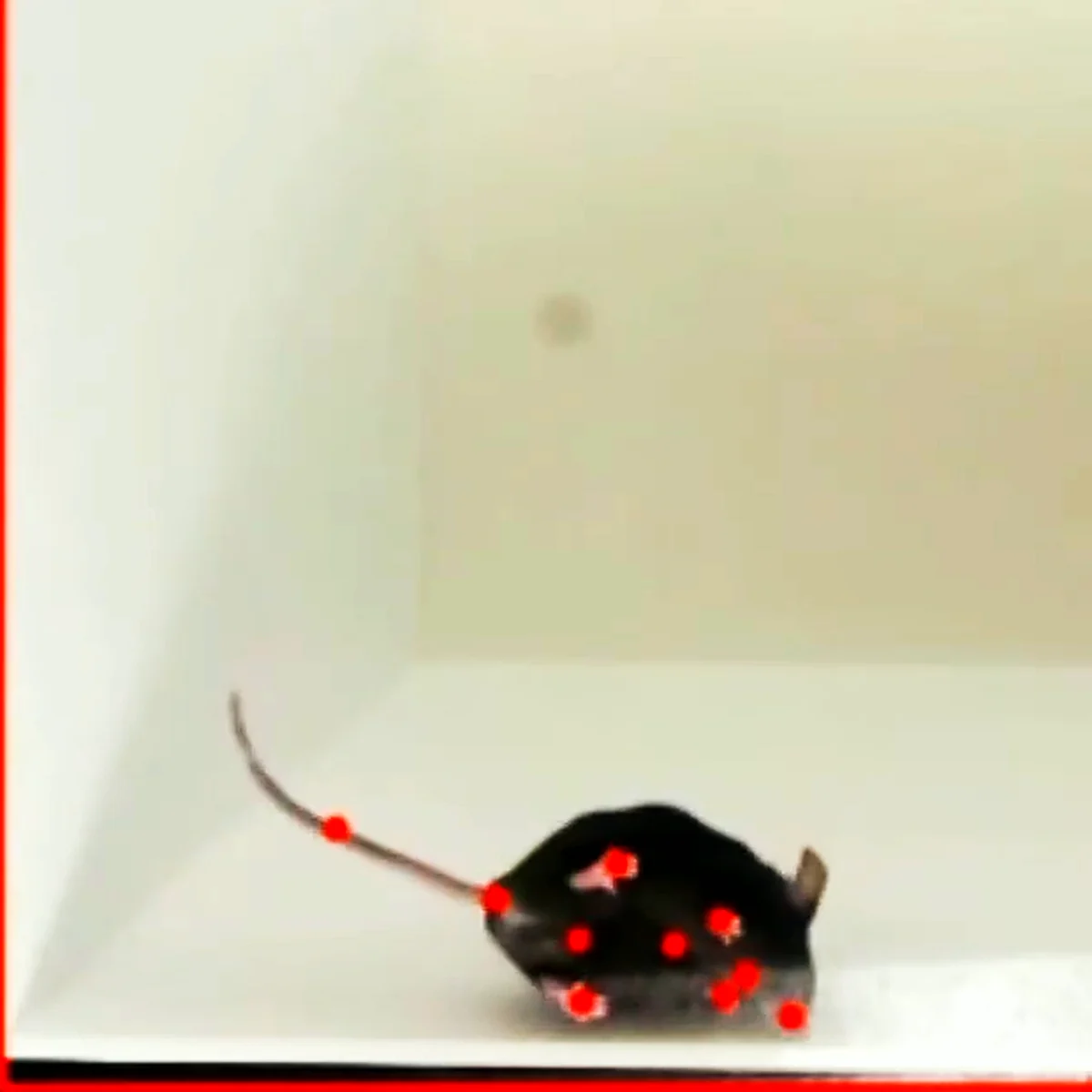
ConductVision is our video-tracking software. Record your sessions on video, and it scores standard rodent tests, such as those listed below.
To check whether ConductVision scores your protocol in this apparatus, ask in your quote request.
A 5-year license is $3,990 in total.
Results export as CSV files.
Send it over and we'll email you a personalized answer, with no call or scheduling.
Prefer to talk it through?