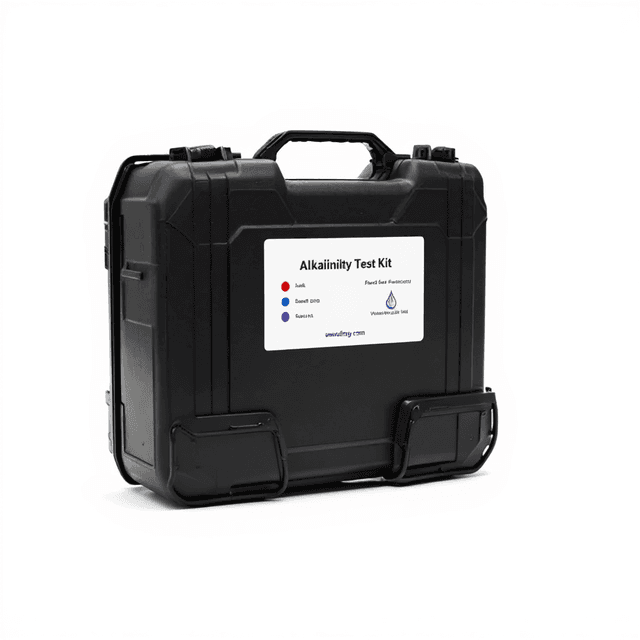
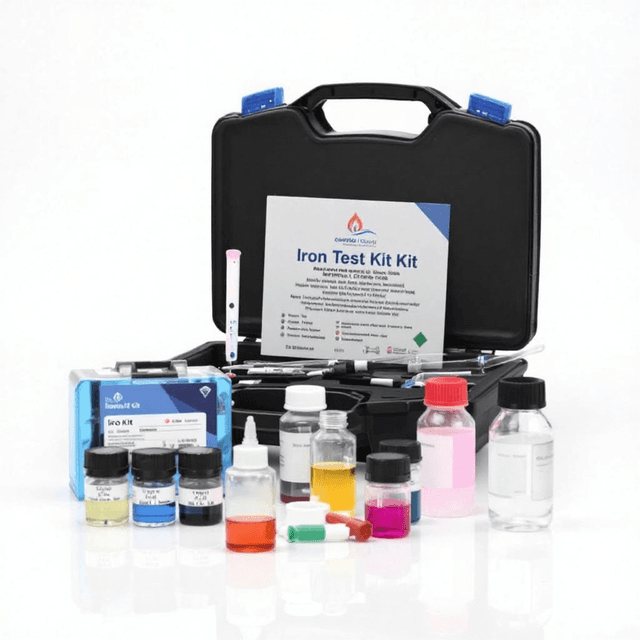
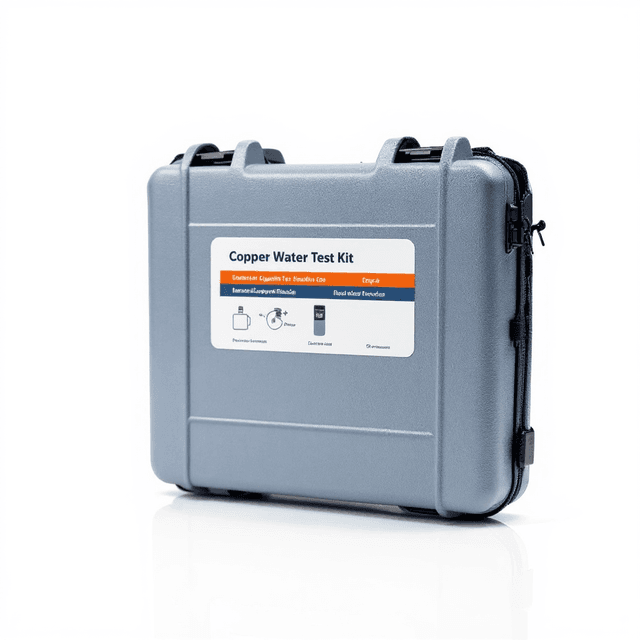
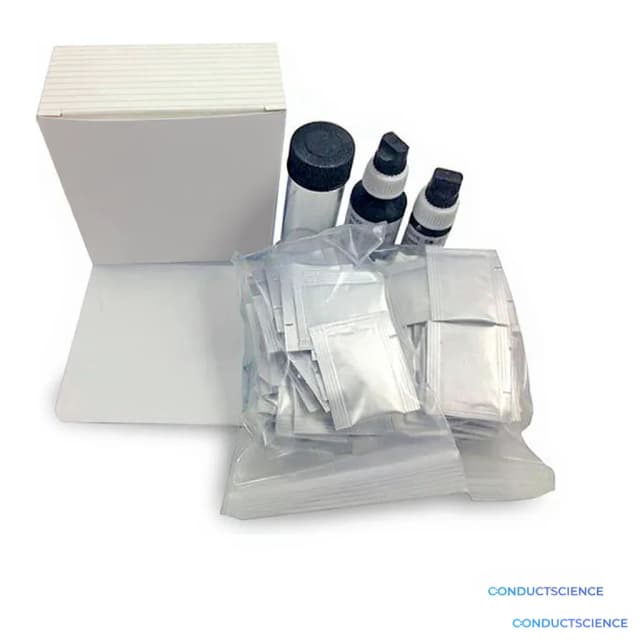
Aquaculture Set Test Kit
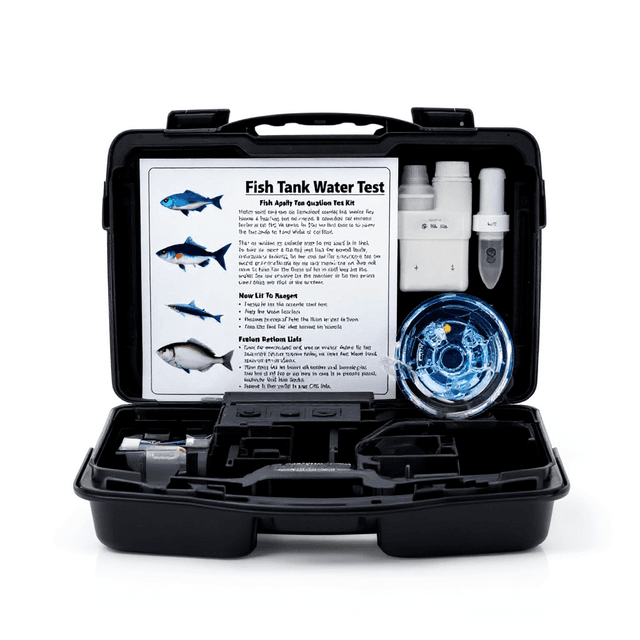
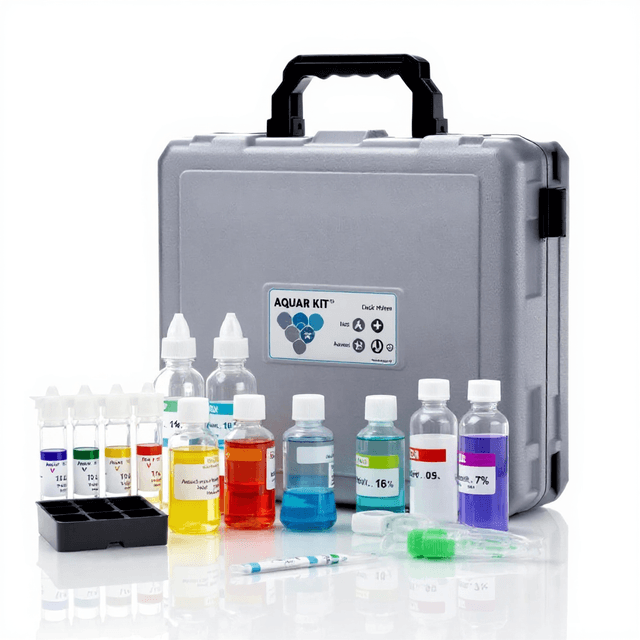
Portable colorimetric water testing kit for rapid analysis of multiple aquaculture water quality parameters using visual comparison methods.
| Product name | Model No. |
| water analysis kit | LH2037 |
| Automation Level | manual |
| Brand | ConductScience |
| Species | Zebrafish |
The Aquaculture Set Test Kit provides comprehensive water quality monitoring capabilities for aquatic research environments and commercial aquaculture operations. This colorimetric and titrimetric testing system enables rapid analysis of multiple water chemistry parameters essential for maintaining optimal aquatic conditions. The kit utilizes visual colorimetry methods that allow researchers to perform water quality assessments without specialized instrumentation or extensive training.
The portable testing system delivers results within minutes using standardized reagent packets and colorimetric comparison charts. Each parameter can be analyzed independently, making this kit suitable for routine monitoring protocols in laboratory aquaculture systems, field studies, and commercial pond management. The visual comparison methodology provides quantitative results that can be documented for research protocols and regulatory compliance documentation.
How It Works
The Aquaculture Set Test Kit operates on colorimetric and titrimetric principles to quantify dissolved chemical species in water samples. Colorimetric analysis relies on the formation of colored complexes when specific reagents react with target analytes in the water sample. The intensity or hue of the resulting color correlates directly with the concentration of the analyte, allowing quantification through visual comparison with standardized color charts.
For titrimetric measurements, the kit employs drop-count titration methods where reagent solution is added dropwise to the water sample until a specific color change endpoint is reached. The number of drops required to reach the endpoint corresponds to the analyte concentration. This approach provides quantitative results for parameters such as alkalinity and hardness that require neutralization or complexation reactions.
The visual comparison system uses standardized colorimetric charts calibrated against known concentrations. Users compare the developed color of their treated sample against the reference chart under adequate lighting conditions to determine the closest color match and corresponding concentration value.
Features & Benefits
Product name
- Model No.
water analysis kit
- LH2037
Automation Level
- manual
Brand
- ConductScience
Research Domain
- Developmental Biology
- Environmental Monitoring
- Food Science
- Pharmaceutical QC
- Toxicology
Species
- Zebrafish
Weight
- 0.26 kg
Dimensions
- L: 30.0 mm
- W: 20.0 mm
- H: 10.0 mm
Comparison Guide
| Feature | This Product | Typical Alternative | Advantage |
|---|---|---|---|
| Analysis Method | Visual colorimetric and titrimetric methods with standardized charts | Electronic instruments often require calibration and power sources | Enables immediate field analysis without instrument calibration or power requirements. |
| Parameter Range | Multiple aquaculture parameters including alkalinity, ammonia, nitrite, nitrate, pH, dissolved oxygen, chlorine, and hardness | Single-parameter instruments require separate devices for comprehensive analysis | Provides complete water chemistry profiling with a single portable kit. |
| Portability | Compact kit design with no power requirements | Electronic instruments often require batteries or power connections | Facilitates water quality monitoring in remote field locations without infrastructure requirements. |
| Analysis Time | Results within minutes using reagent packets and color comparison | Laboratory analysis methods may require sample transport and extended processing time | Enables real-time water quality assessment for immediate decision-making. |
This kit provides comprehensive aquaculture water quality analysis through portable colorimetric methods that deliver rapid results without requiring electronic instrumentation. The standardized reagent system ensures consistent testing protocols across multiple parameters essential for aquatic research and commercial applications.
Practical Tips
Perform color comparisons under consistent lighting conditions, preferably natural daylight or standardized laboratory lighting.
Why: Lighting variations can affect color perception and lead to inaccurate concentration determinations.
Verify colorimetric chart accuracy periodically using known standard solutions when available.
Why: Chart degradation over time can introduce systematic errors in concentration readings.
Store reagent packets in a cool, dry location away from direct sunlight and check expiration dates regularly.
Why: Reagent degradation affects color development and can lead to false results.
Record ambient temperature and sample source information along with test results for comprehensive documentation.
Why: Environmental conditions and sample history provide important context for interpreting water quality data.
If color development appears weak or inconsistent, verify reagent packet contents are completely dissolved before comparison.
Why: Incomplete reagent dissolution prevents proper color formation and leads to underestimated concentrations.
Use appropriate personal protective equipment when handling reagents and dispose of used materials according to local regulations.
Why: Some testing reagents may contain chemicals that require proper handling and disposal procedures.
Setup Guide
What’s in the Box
- Testing tubes for sample collection (typical)
- Reagent packets for multiple water quality parameters (typical)
- Colorimetric comparison charts (typical)
- Instruction manual with testing protocols (typical)
- Parameter-specific testing guides (typical)
Warranty
ConductScience provides a standard one-year manufacturer warranty covering defects in materials and workmanship, with technical support for testing protocols and troubleshooting guidance.
Compliance
What is the typical detection range for ammonia and nitrite measurements?
Consult the product datasheet for specific detection ranges for each parameter, as colorimetric methods typically provide ranges optimized for aquaculture applications.
How should samples be preserved if testing cannot be performed immediately after collection?
Most parameters require immediate analysis for accurate results. If storage is necessary, consult parameter-specific protocols for appropriate preservation methods and maximum holding times.
Can this kit be used for saltwater aquaculture applications?
The colorimetric methods can be applied to marine systems, though some parameters may require dilution or methodology adjustments for high-salinity samples.
What factors can interfere with colorimetric measurements?
Turbidity, natural water color, temperature variations, and interfering chemical species can affect color development and comparison accuracy.
How frequently should colorimetric charts be replaced?
Charts should be protected from light exposure and moisture, with replacement recommended if fading or discoloration is observed that could affect comparison accuracy.
Are results from this kit acceptable for regulatory reporting?
Results can support compliance documentation when the methodology aligns with accepted standard methods, though specific regulatory requirements should be verified with governing agencies.
What is the recommended sample volume for each test?
Sample volume requirements vary by parameter, typically ranging from 5-25 mL as specified in the individual test protocols provided with the kit.
Have a question about this product?
Accessories
Enhance your setup with compatible accessories
Frequently Bought Together