Aquaculture Water Test Kit
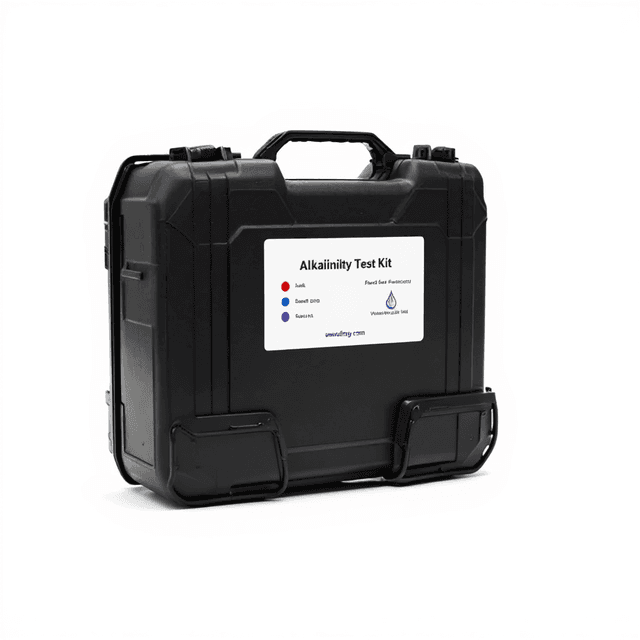
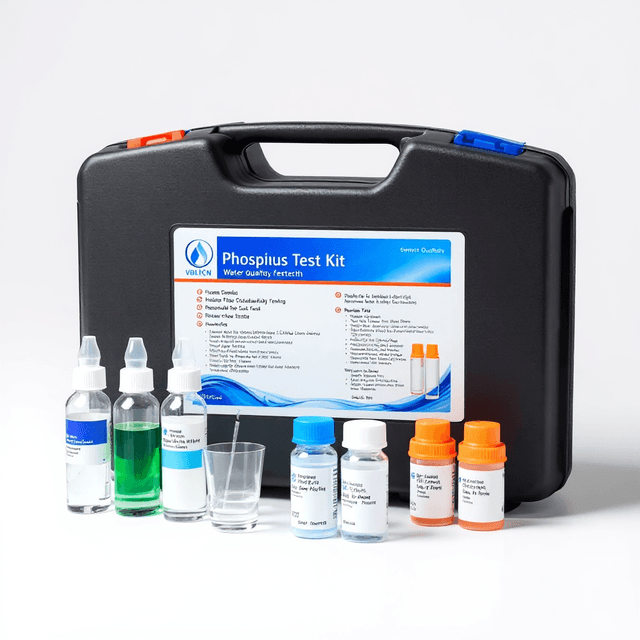
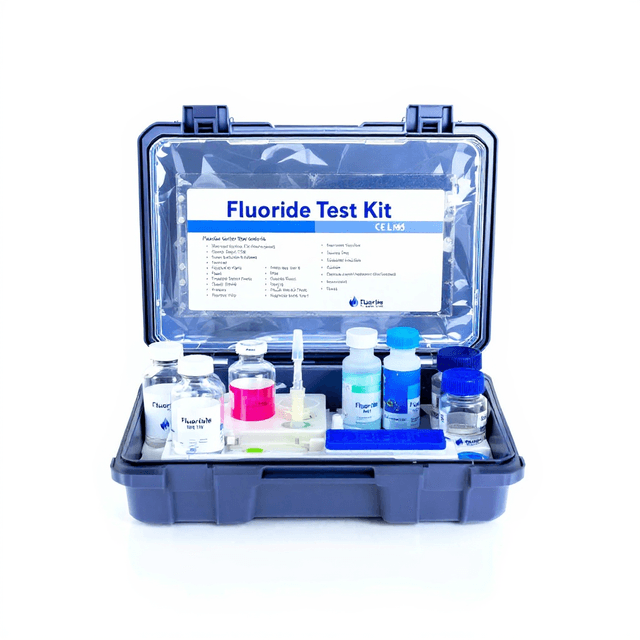
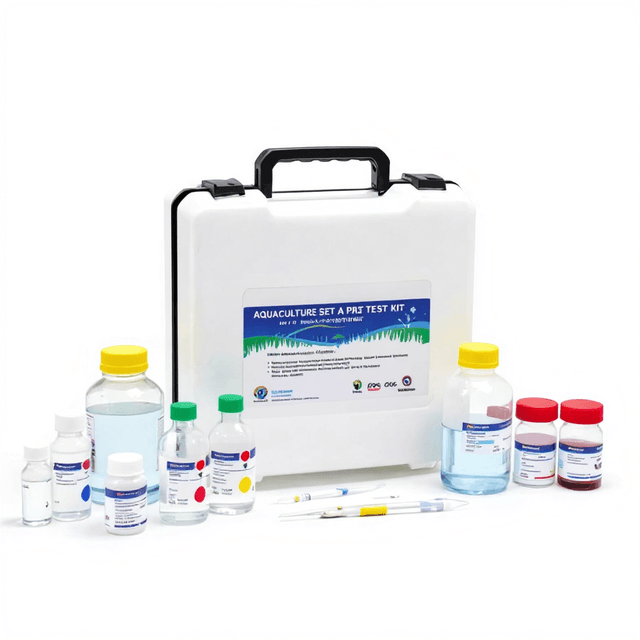
Multi-parameter water chemistry analysis kit for measuring dissolved oxygen, pH, ammonia nitrogen, nitrite, hydrogen sulfide, total alkalinity, and total hardness in aquaculture systems.
| Product name | Model No. |
| pond water test kitAquiculture set | LH2037 |
| Automation Level | manual |
| Brand | ConductScience |

The Aquaculture Water Test Kit (Model LH2037) provides comprehensive chemical analysis capabilities for monitoring critical water quality parameters in aquaculture systems. This analytical instrument measures seven key indicators: dissolved oxygen, pH, ammonia nitrogen, nitrite, hydrogen sulfide, total alkalinity, and total hardness. The kit enables researchers and aquaculture professionals to assess water chemistry conditions that directly impact aquatic organism health and system performance.
Water quality monitoring in aquaculture requires precise measurement of multiple interconnected chemical parameters. Dissolved oxygen levels below 5 mg/L reduce feeding behavior, while concentrations below 2 mg/L cause growth stagnation and stress responses in fish. The kit's multi-parameter approach allows users to evaluate the complete chemical profile needed for maintaining optimal aquatic environments and diagnosing water quality issues before they impact organism welfare.
How It Works
The aquaculture water test kit employs colorimetric and titrimetric analytical methods to quantify specific chemical parameters in water samples. Dissolved oxygen measurement typically utilizes either the Winkler titration method or electrochemical sensor technology to determine molecular oxygen concentration. pH determination relies on indicator solutions or electrode-based measurements to assess hydrogen ion activity in the sample.
Nitrogen compound analysis involves chemical reagents that produce color changes proportional to ammonia nitrogen and nitrite concentrations, allowing quantification through visual comparison or spectrophotometric measurement. Hydrogen sulfide detection employs precipitation or color development reactions specific to sulfur compounds. Alkalinity and hardness measurements use acid-base titrations and complexometric analysis, respectively, to determine buffering capacity and mineral content.
The multi-parameter approach enables comprehensive assessment of interrelated water chemistry factors that collectively determine water quality suitability for aquaculture applications. Results provide quantitative data for evaluating system performance and identifying potential chemical imbalances requiring corrective action.
Features & Benefits
Product name
- Model No.
pond water test kitAquiculture set
- LH2037
Automation Level
- manual
Brand
- ConductScience
Research Domain
- Analytical Chemistry
- Environmental Monitoring
- Food Science
Weight
- 0.26 kg
Dimensions
- L: 30.0 mm
- W: 20.0 mm
- H: 10.0 mm
Comparison Guide
| Feature | This Product | Typical Alternative | Advantage |
|---|---|---|---|
| Parameter Coverage | Seven parameters including dissolved oxygen, pH, ammonia nitrogen, nitrite, hydrogen sulfide, total alkalinity, and total hardness | Varies by model and manufacturer | Comprehensive assessment eliminates need for multiple separate test kits and ensures simultaneous measurement of interrelated parameters. |
| Model Standardization | Model LH2037 with standardized analytical protocols | Varies by model designation and manufacturer specifications | Consistent methodology enables reproducible results across different users and testing locations. |
| Aquaculture Focus | Parameters selected specifically for aquaculture water quality assessment | General water testing kits may include parameters less relevant to aquatic organism health | Targeted parameter selection optimizes testing efficiency for aquaculture applications and organism welfare monitoring. |
| Critical Threshold Detection | Designed to measure dissolved oxygen below 5 mg/L and other parameters at biologically relevant concentrations | Detection limits vary by kit design and intended application | Enables identification of water quality conditions before they impact fish feeding behavior and growth performance. |
The Model LH2037 provides comprehensive seven-parameter water chemistry analysis with aquaculture-specific parameter selection and standardized analytical protocols for consistent results across multiple testing scenarios.
Practical Tips
Run calibration standards at the beginning of each testing session and when opening new reagent bottles.
Why: Reagent performance can change over time and verification ensures measurement accuracy.
Store chemical reagents according to temperature and light exposure specifications to maintain stability.
Why: Improper storage degrades analytical reagents and compromises measurement reliability.
Collect samples from multiple locations within the aquaculture system to assess spatial variability in water chemistry.
Why: Water quality can vary significantly across different zones of aquaculture systems due to circulation patterns and biological activity.
If dissolved oxygen measurements appear inconsistent, verify sample collection technique and minimize air exposure during transport.
Why: Dissolved oxygen concentration changes rapidly upon air contact and improper handling produces erroneous results.
Record water temperature at time of sample collection as it affects dissolved oxygen solubility and other parameter interpretations.
Why: Temperature corrections may be required for accurate dissolved oxygen calculations and proper data interpretation.
Use appropriate personal protective equipment when handling analytical reagents and dispose of chemical waste according to local regulations.
Why: Some reagents may be hazardous and proper handling protects user safety while preventing environmental contamination.
Setup Guide
What’s in the Box
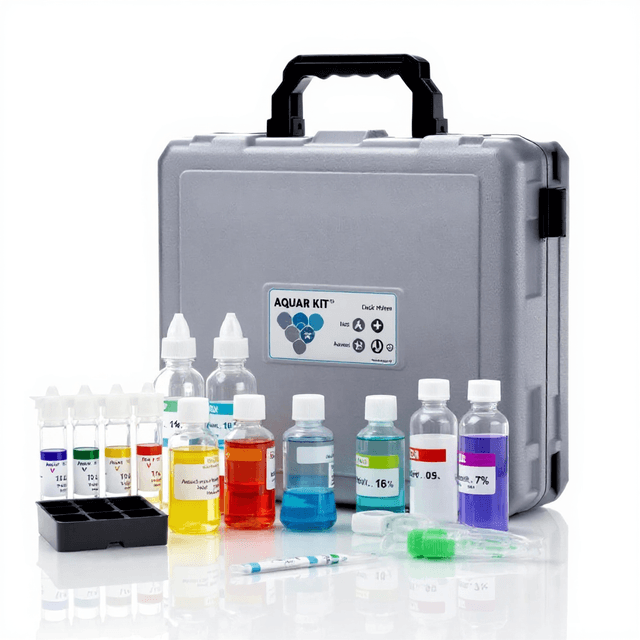
- Chemical reagent bottles for seven-parameter analysis (typical)
- Sample collection containers (typical)
- Measurement apparatus and titration equipment (typical)
- Color comparison charts (typical)
- Instruction manual with analytical procedures (typical)
- Quality control standards (typical)
Warranty
ConductScience provides standard manufacturer warranty coverage with technical support for analytical kit components. Warranty excludes consumable reagents which have limited shelf life.
Compliance
References
Background reading relevant to this product:
What is the shelf life of the chemical reagents included in the kit?
Reagent stability varies by component; consult product datasheet for specific expiration timeframes and storage requirements for each analytical reagent.
Can this kit detect dissolved oxygen concentrations below the critical 2 mg/L threshold?
The kit is designed to measure dissolved oxygen at concentrations that affect fish feeding behavior, including levels below 2 mg/L where growth stagnation occurs.
How frequently should calibration standards be run with this kit?
Run calibration standards with each new batch of samples or when reagent performance verification is required, following standard analytical quality control practices.
Is the kit suitable for saltwater aquaculture applications?
Consult product specifications for salinity compatibility; some analytical methods may require modification for marine water chemistry analysis.
What sample volume is required for complete seven-parameter analysis?
Sample volume requirements depend on specific analytical methods used; consult kit documentation for minimum sample sizes needed for each parameter.
How does temperature affect the accuracy of dissolved oxygen measurements?
Dissolved oxygen solubility is temperature-dependent; the kit should account for temperature effects in calibration or require temperature correction factors.
Can results from this kit be used for regulatory compliance reporting?
The kit provides analytical data; consult relevant regulatory agencies regarding acceptable methods and quality assurance requirements for compliance reporting.
Have a question about this product?
Accessories
Enhance your setup with compatible accessories
Frequently Bought Together