Automatic Digital Polarimeter
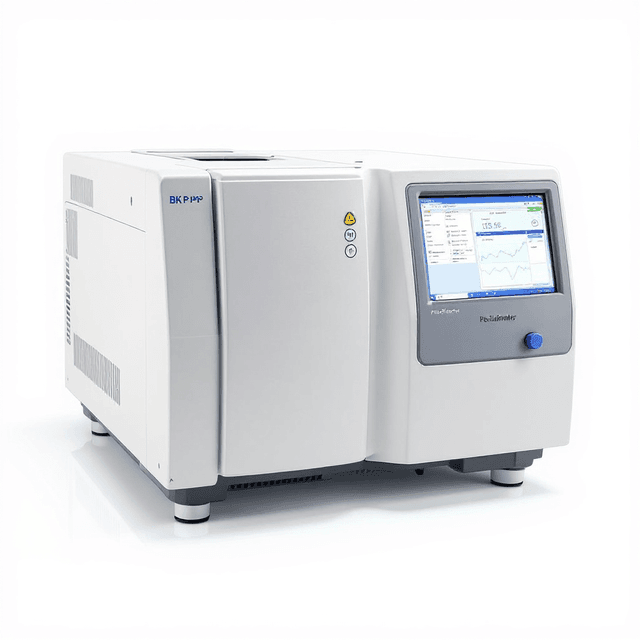
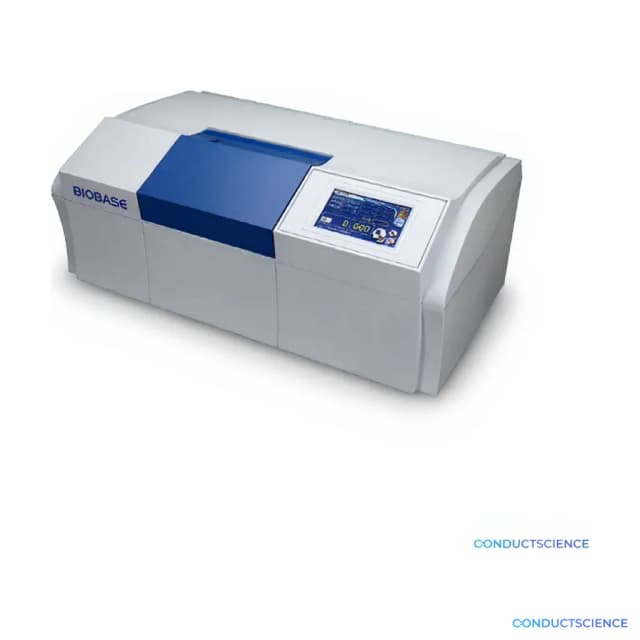
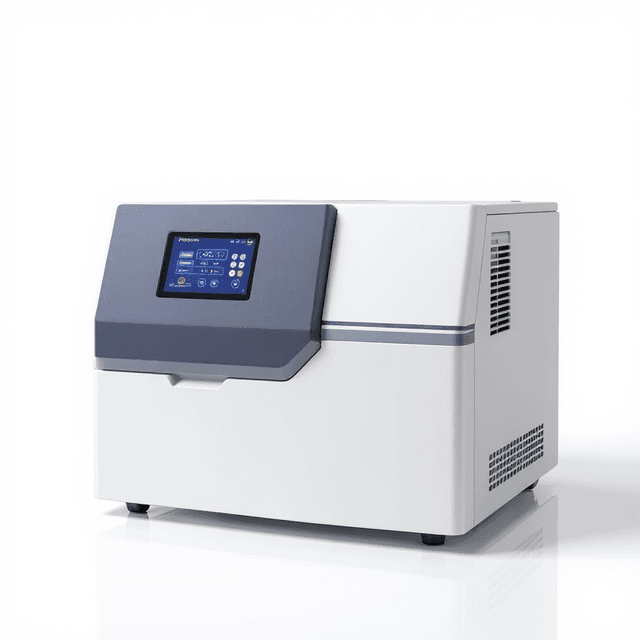
Automatic digital polarimeter with LED light source, Peltier temperature control, and 8-inch touchscreen interface for precise optical rotation measurements with 0.001° resolution.
| Automation Level | semi-automated |
| Light Source | LED cold light source+high precision interference filter |
| Wavelength | 589.3nm |
| Measurement Method | Single, multiple, continuous measurement methods |
| Measurement Range | Optical rotation±90°, sugar degree±259°Z, specific rotation±259°Z |
| Least Count | 0.001° |

The Automatic Digital Polarimeter employs LED cold light source technology with high precision interference filtering to provide accurate optical rotation measurements at 589.3nm wavelength. The instrument features Peltier temperature control across a 10°C to 55°C range with 0.1°C resolution, enabling precise measurement of temperature-sensitive samples. The 8-inch TFT touchscreen interface supports single, multiple, and continuous measurement protocols with data visualization capabilities.
With a measurement accuracy of ±0.004° and repeatability of 0.002°, the system accommodates optical rotation measurements from -90° to +90°, sugar degree measurements to ±259°Z, and specific rotation calculations to ±259°Z. Standard test tube compatibility includes 200mm and 100mm configurations, with temperature-controlled sample holders available for thermal analysis protocols.
How It Works
Polarimetry measures the rotation of plane-polarized light as it passes through an optically active sample. The instrument generates monochromatic light at 589.3nm using an LED source with precision interference filtering to ensure wavelength accuracy. This light passes through a polarizing filter to create plane-polarized illumination, which then travels through the sample contained in a temperature-controlled test tube.
When plane-polarized light encounters chiral molecules, the interaction between the light's electromagnetic field and the asymmetric molecular structure causes rotation of the polarization plane. The degree of rotation depends on the concentration of optically active molecules, their specific rotation values, and the path length through the sample. The instrument's detection system measures this angular rotation with 0.001° resolution using photoelectric sensors and digital signal processing.
Integrated Peltier temperature control maintains sample temperature within 0.1°C accuracy, critical for temperature-sensitive measurements where optical activity varies with thermal conditions. The system calculates specific rotation values by accounting for sample concentration and path length, enabling quantitative analysis of chiral compounds across multiple measurement protocols.
Features & Benefits
Automation Level
- semi-automated
Light Source
- LED cold light source+high precision interference filter
Wavelength
- 589.3nm
Measurement Method
- Single, multiple, continuous measurement methods
Measurement Range
- Optical rotation±90°, sugar degree±259°Z, specific rotation±259°Z
Least Count
- 0.001°
Repeatability
- 0.002°
Temp. Range
- 10℃~55℃(Peltier)
Temp. Resolution
- 0.1℃
Temp. Accuracy
- ±0.1℃
Standard Test Tube
- 200mm, 100mm(Regular), 100mm(Temp. control)
Optional
- Test tube, printer
Transmittance
- 0.01%
Brand
- ConductScience
Research Domain
- Analytical Chemistry
- Clinical Diagnostics
- Food Science
- Materials Science
- Pharmaceutical QC
Accuracy
- ±0.004°
Display Type
- 8 inch TFT touch color screen
Weight
- 21.4 kg
Dimensions
- L: 28.0 mm
- W: 71.5 mm
- H: 35.5 mm
Comparison Guide
| Feature | This Product | Typical Alternative | Advantage |
|---|---|---|---|
| Light Source Technology | LED cold light source with high precision interference filter at 589.3nm | Many instruments use traditional sodium lamps or basic LED sources without precision filtering | LED technology provides superior stability and longer service life compared to conventional sodium vapor lamps |
| Temperature Control Range | Peltier control from 10°C to 55°C with 0.1°C resolution | Basic models often lack temperature control or offer limited ambient±10°C ranges | Wide temperature range enables analysis of temperature-sensitive compounds and thermal stability studies |
| Measurement Accuracy | ±0.004° accuracy with 0.002° repeatability | Entry-level instruments typically provide ±0.01° to ±0.05° accuracy | High accuracy supports trace analysis and regulatory compliance requirements for pharmaceutical applications |
| User Interface | 8-inch TFT color touchscreen with multiple measurement modes | Many instruments use small LCD displays with button controls | Large touchscreen interface improves usability and provides real-time data visualization during measurements |
| Sample Path Options | 200mm and 100mm tubes with temperature-controlled configurations | Standard instruments often limited to single path length options | Multiple path lengths optimize sensitivity for different sample concentrations and enable versatile analytical protocols |
This polarimeter combines precision LED optics, comprehensive temperature control, and intuitive touchscreen operation for demanding analytical applications. The instrument's high accuracy specifications and multiple measurement modes support both routine quality control and research-grade optical activity analysis.
Practical Tips
Perform zero calibration with freshly distilled water before each measurement session, ensuring the test tube is scrupulously clean and free of optical residues.
Why: Water impurities or tube contamination can introduce baseline errors that propagate through all subsequent measurements.
Clean the LED light path and detector windows weekly with appropriate optical cleaning solutions to prevent drift from accumulated dust or residues.
Why: Optical component contamination reduces light transmission and can cause apparent changes in rotation measurements.
Allow samples to equilibrate at measurement temperature for at least 5 minutes before data collection, especially when using temperature control features.
Why: Thermal gradients within the sample can cause optical distortions and inconsistent rotation readings.
If readings appear unstable, check for air bubbles in the sample and ensure the test tube is properly seated in the holder.
Why: Air bubbles and mechanical vibrations scatter light and introduce noise into the optical rotation measurement.
Record multiple measurements and calculate standard deviation to assess measurement precision, particularly for low-rotation samples near detection limits.
Why: Statistical analysis of replicate measurements helps distinguish real optical activity from instrumental noise.
Avoid looking directly into the LED light source and ensure proper ventilation around the Peltier cooling system during extended operation.
Why: LED exposure can cause eye strain, and Peltier systems generate heat that requires dissipation for optimal performance.
Verify temperature accuracy monthly using a certified thermometer placed in contact with the sample tube holder.
Why: Temperature measurement errors directly affect specific rotation calculations and compromise analytical accuracy.
Use the minimum transmittance specification (0.01%) as a guide for sample dilution requirements when working with highly absorbing solutions.
Why: Excessive sample absorption reduces measurement precision and may saturate the detection system.
Setup Guide
What’s in the Box
- Automatic Digital Polarimeter main unit
- 200mm standard test tube
- 100mm standard test tube (regular)
- 100mm temperature-controlled test tube
- Power adapter
- User manual
- Calibration certificate (typical)
- USB cable (typical)
Warranty
ConductScience provides a standard one-year manufacturer warranty covering parts and labor with comprehensive technical support. Extended warranty options and calibration services are available for regulated laboratory environments.
Compliance
References
Background reading relevant to this product:
What calibration standards should I use for optical rotation verification?
Use certified reference materials such as quartz plates with known rotation values or sucrose solutions with established specific rotation constants. Verify zero point with distilled water and check linearity across your measurement range.
How does temperature affect optical rotation measurements?
Optical rotation typically varies 0.01-0.02° per degree Celsius for most compounds. The integrated Peltier control maintains ±0.1°C accuracy to minimize temperature-induced measurement variations, essential for reproducible results.
What sample preparation considerations affect measurement accuracy?
Ensure samples are free of air bubbles, particulates, and water contamination. Use appropriate solvents that don't contribute optical activity, and allow thermal equilibration at measurement temperature before data collection.
Can the instrument measure highly colored or turbid samples?
The 0.01% minimum transmittance specification allows measurement of moderately absorbing samples, but highly colored or turbid solutions may require filtration or dilution to achieve reliable optical rotation detection.
What data export options are available for documentation?
Consult product datasheet for specific data export formats. Optional printer accessory provides hard-copy documentation, and typical digital polarimeters offer USB connectivity for computer data transfer.
How frequently should I recalibrate the instrument?
Perform zero calibration daily with distilled water and verify with certified standards weekly. Full calibration should be conducted monthly or after significant temperature excursions or if drift is observed.
What maintenance procedures are required for the Peltier system?
Keep Peltier surfaces clean and ensure adequate ventilation around cooling fins. Monitor temperature stability indicators and verify temperature accuracy periodically with calibrated thermometer.
Have a question about this product?
Upgrade Options