Polarimeter BK-P Series
Benchtop polarimeter for precise optical rotation measurements of chiral compounds in pharmaceutical and analytical chemistry applications.

Louise Corscadden, PhD
Director of Science · ConductScience
Ask Louise about Polarimeter BK-P Series fit, setup, configuration, or quote prep.
Already working with us? Sign in to connect this with My Scientist.
Key Specifications
Full details →- Model fit
- Configured during quote
- SKU family
- BIO-0551
- Shipping box
- 28.7 x 70.8 x 33.0 cm
- Ordering
- Online checkout and quote request available
- Category
- Analytical Instruments
- Build notes
- Confirm accessories, station layout, and support needs before purchase
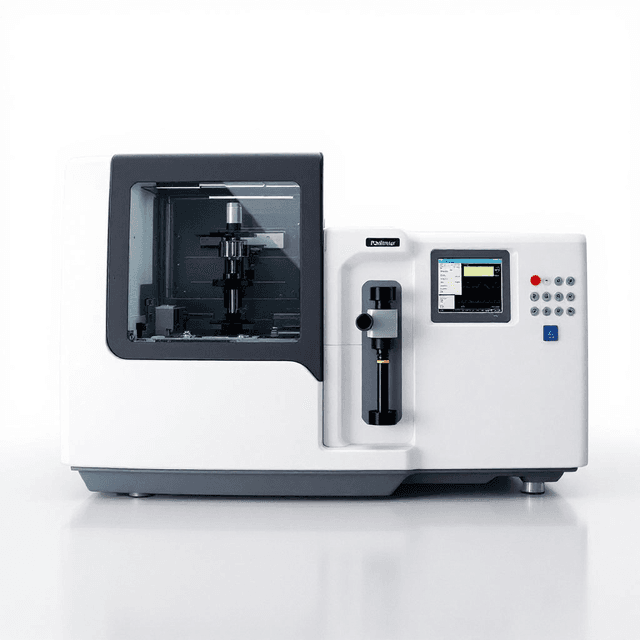
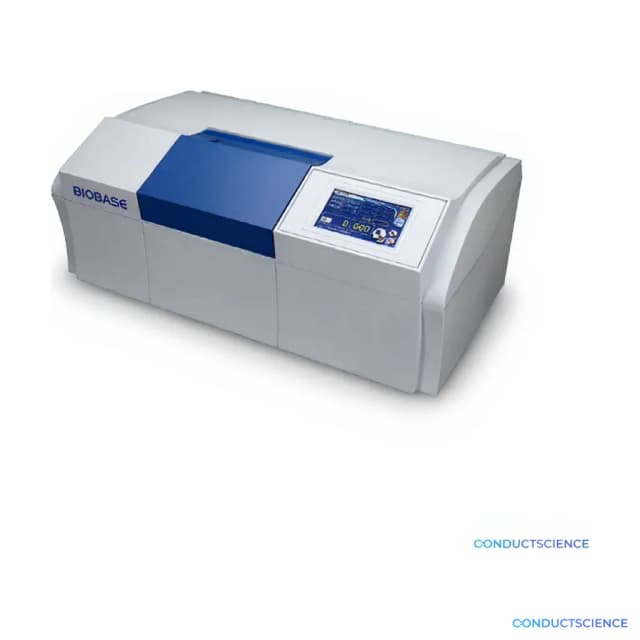
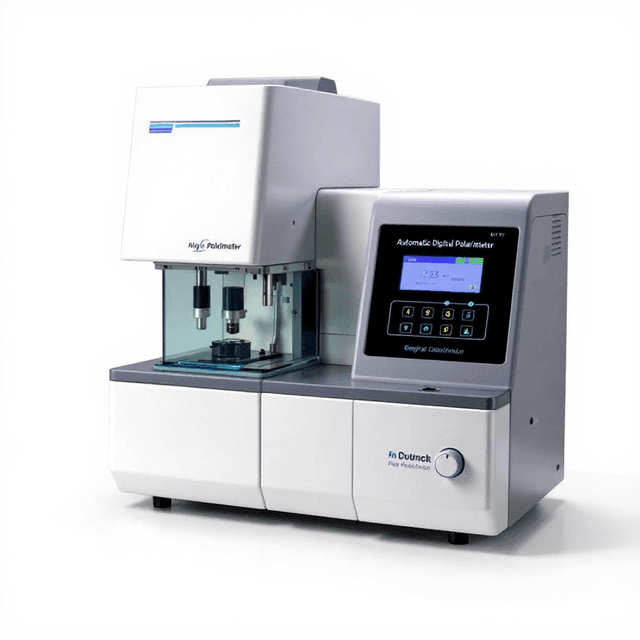
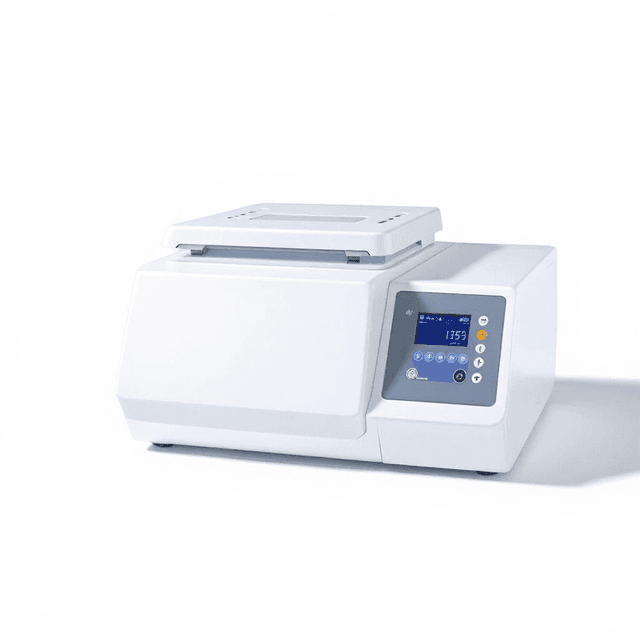
The Polarimeter BK-P Series is a benchtop optical rotation measurement instrument designed for precise determination of optically active substance concentrations in research and analytical applications. This polarimeter measures the angle of rotation of polarized light as it passes through chiral samples, providing quantitative analysis of optical activity with laboratory-grade precision.
The instrument features a compact benchtop design suitable for routine polarimetric measurements in pharmaceutical, chemical, and biochemical laboratories. With its 28.7 cm depth and moderate footprint, the BK-P Series integrates efficiently into standard laboratory workflows while maintaining the measurement stability required for accurate optical rotation determinations.
How It Works
Polarimetry operates on the principle that optically active substances rotate the plane of polarized light passing through them. The instrument generates linearly polarized light using a polarizing filter, which then passes through the sample solution contained in a polarimeter tube. Chiral molecules in the sample interact with the polarized light, causing rotation of the polarization plane proportional to the concentration and specific rotation of the optically active compound.
The rotated polarized light then encounters an analyzer (second polarizing filter) oriented perpendicular to the initial polarization direction. The analyzer detects the degree of rotation by measuring the intensity of transmitted light as it is rotated to find the new plane of polarization. The angle of rotation is directly proportional to the concentration of optically active substance, the path length through the sample, and the substance's specific optical rotation constant.
Modern polarimeters incorporate photodetectors and electronic measurement systems to precisely determine rotation angles, typically displaying results in degrees of optical rotation or directly converted concentration units based on known specific rotation values for the analyte of interest.
Features & Benefits
Automation Level
- manual
Research Domain
- Analytical Chemistry
- Clinical Diagnostics
- Food Science
- Materials Science
- Pharmaceutical QC
Shipping weight
- 30.0 lb
Shipping box
- L: 28.7 cm
- W: 70.8 cm
- H: 33.0 cm
| Feature | This Product | Typical Alternative | Advantage |
|---|---|---|---|
| Benchtop Form Factor | Compact 70.8 × 28.7 × 33.0 cm benchtop design | Entry-level models may be handheld units with reduced stability | Provides measurement stability and repeatability necessary for quantitative analytical applications |
| Instrument Weight | 30.0 kg stable platform | Lighter portable units often sacrifice measurement stability | Mechanical stability reduces vibration artifacts during sensitive optical rotation measurements |
| Laboratory Integration | Benchtop design for permanent laboratory installation | Portable units require setup and calibration for each measurement session | Enables routine daily measurements with consistent calibration and environmental control |
| Sample Chamber Design | Dedicated sample tube mounting system | Basic models may have simple sample holders with limited temperature control | Ensures consistent sample positioning and optical path alignment for reproducible measurements |
The BK-P Series delivers laboratory-grade polarimetric measurement capabilities in a compact benchtop format optimized for routine analytical applications. The 30 kg stable platform and dedicated sample chamber design provide the measurement consistency required for pharmaceutical QC and analytical chemistry workflows.
Practical Tips
Perform zero-point calibration with distilled water or pure solvent at the beginning of each measurement session.
Why: Eliminates systematic errors from optical component drift and ensures measurement accuracy
Use certified sucrose standard solutions to verify measurement accuracy and linearity across the expected concentration range.
Why: Validates instrument performance and detects optical system degradation before sample analysis
Clean sample tubes immediately after use with appropriate solvents to prevent residue buildup and optical interference.
Why: Maintains measurement accuracy and prevents cross-contamination between different sample types
Inspect optical windows regularly for dust, fingerprints, or solution residue that could affect light transmission.
Why: Optical contamination causes measurement drift and reduces precision of rotation angle determinations
Allow samples and instrument to equilibrate to the same temperature before measurement to minimize thermal effects.
Why: Temperature variations affect both sample optical activity and instrument optical components, introducing measurement errors
Filter samples to remove particulate matter that could scatter light and interfere with polarimetric measurements.
Why: Light scattering from particles reduces measurement precision and can cause apparent optical rotation artifacts
If readings drift during measurement, check for air bubbles in the sample tube and verify tube cleanliness.
Why: Air bubbles and optical contamination cause light scattering that appears as unstable rotation measurements
Take multiple readings of each sample and calculate the average to improve measurement precision and detect outliers.
Why: Statistical averaging reduces random measurement errors and identifies systematic problems with sample preparation or instrument operation
Setup Guide
What’s in the Box
- Polarimeter BK-P Series main unit
- Power adapter and cord
- Sample tubes (multiple path lengths) (typical)
- Calibration standards (typical)
- User manual and operation guide
- Calibration certificate (typical)
- Sample tube cleaning accessories (typical)
Warranty
ConductScience provides a one-year manufacturer warranty covering defects in materials and workmanship, with technical support available for instrument operation and maintenance procedures.
Compliance
What wavelength of light does the polarimeter use for measurements?
Consult the product datasheet for specific wavelength specifications. Most polarimeters operate at sodium D-line (589 nm) or LED equivalent wavelengths optimized for optical rotation measurements.
What is the measurement resolution and accuracy of optical rotation angles?
Specific resolution and accuracy specifications should be confirmed in the technical documentation. Resolution typically ranges from 0.01° to 0.001° depending on instrument configuration.
Can this polarimeter measure samples at controlled temperatures?
Temperature control capabilities depend on the specific model configuration. Consult product specifications for temperature range and control precision if integrated temperature management is included.
What sample tube path lengths are compatible with this instrument?
Compatible tube lengths vary by model and application requirements. Standard lengths typically include 100 mm, 200 mm, and other options optimized for different concentration ranges and sample types.
How frequently does the instrument require calibration?
Calibration frequency depends on usage intensity and accuracy requirements. Daily zero-point verification is recommended for routine use, with full calibration using certified standards performed weekly or monthly based on laboratory protocols.
Can this polarimeter connect to laboratory data management systems?
Data connectivity options should be verified in the product specifications. Modern polarimeters may include USB, RS-232, or network interfaces for integration with laboratory information management systems.
What maintenance procedures are required for optimal performance?
Regular cleaning of optical components, periodic lamp replacement if applicable, and calibration verification are typical maintenance requirements. Detailed procedures are provided in the user manual.
Have a question about this product?
Have a question? Just ask.
Send it over and we'll email you a personalized answer — no call, no scheduling.
Prefer to talk it through?
Upgrade Options