ConductVision
$1,490 per year for one computerA 5-year license is $3,990 in total.
Results export as CSV files.
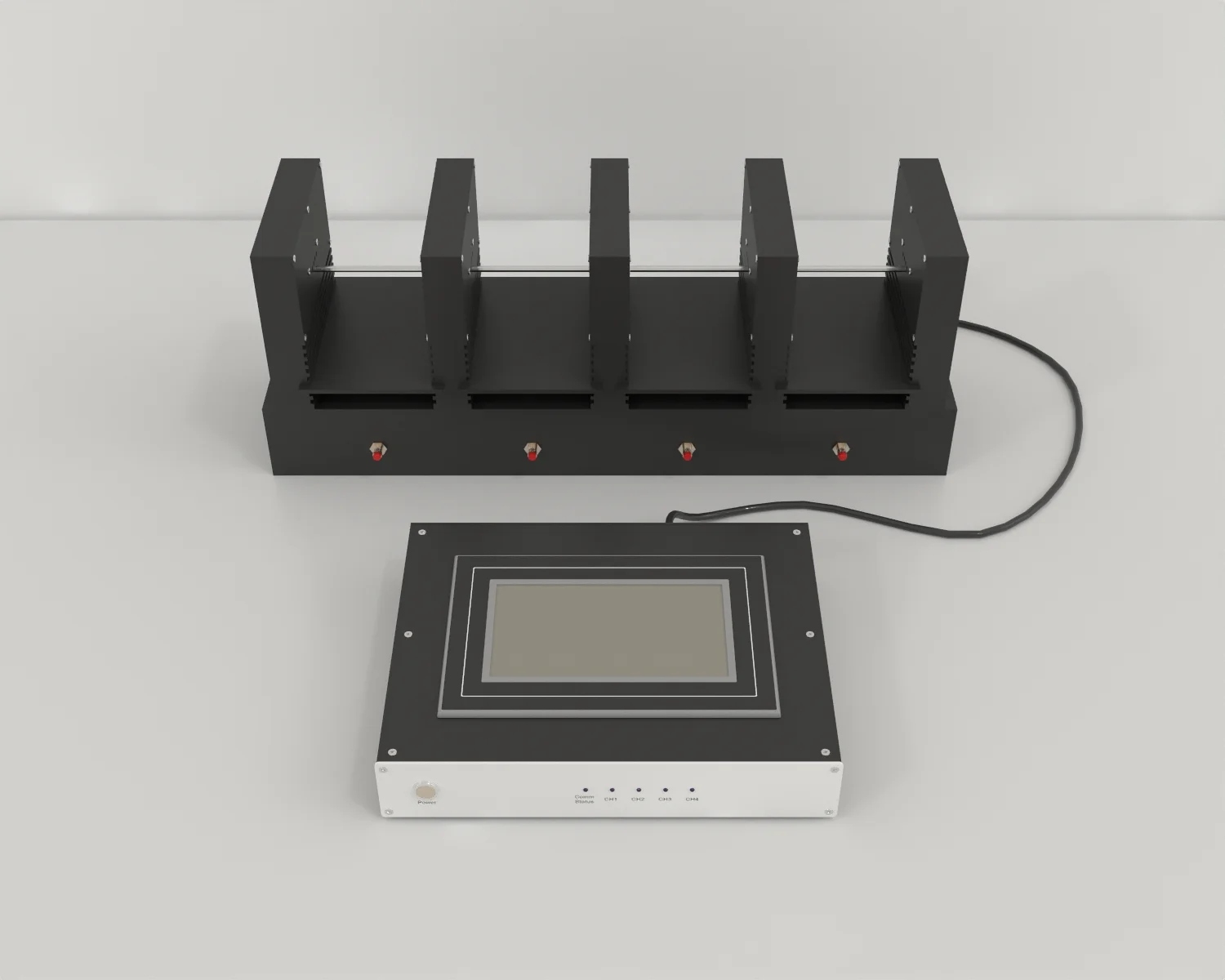
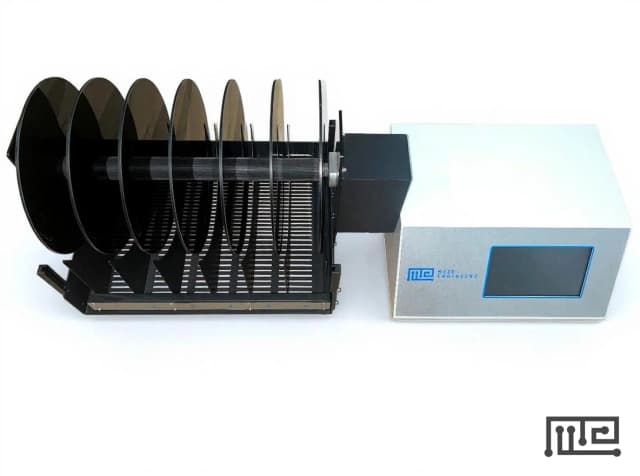
4-lane catalepsy testing apparatus with adjustable bar height and independent infrared timing in each lane for quantitative assessment of extrapyramidal motor effects in mice and rats.

Director of Science · ConductScience
Ask Louise about Catalepsy Bar Test fit, setup, configuration, or quote prep.
Already working with us? Sign in to connect this with My Scientist.
From 2021 to 2025, 238 animal research papers mentioned the catalepsy bar test. The count covers the test on any apparatus, not only this one.
The Catalepsy Bar Test is a specialized apparatus for quantitative assessment of cataleptic behavior in rodents, commonly used in neuropharmacological research to evaluate extrapyramidal motor effects of dopaminergic agents and antipsychotic compounds. The system has four 10 cm lanes with an adjustable horizontal bar, allowing simultaneous testing of four subjects. The mouse version has a 0.7 cm bar adjustable from 3 to 8 cm above the floor (6 cm average); the rat version has a 0.9 cm bar adjustable from 8 to 15 cm (10 cm average).
Each lane has its own pair of infrared sensors directly above the metal bar, which detect when the animal is placed on the bar and when it removes its paws, independently of the other lanes. The integrated control system features a capacitive HD LCD touchscreen (16 x 9 cm) for protocol management and real-time data recording, and an independent timer for each lane that records its start and stop times. Data export via USB drive enables direct integration with statistical analysis software for quantitative assessment of cataleptic duration and severity.
The catalepsy bar test operates on the principle of measuring waxy flexibility, a neurological symptom characterized by the maintenance of imposed postures for extended periods. When animals are placed with their forepaws on the horizontal bar, normal rodents will immediately attempt to escape this unnatural position. However, animals with impaired dopaminergic function or those treated with dopamine receptor antagonists exhibit cataleptic behavior, maintaining the imposed posture for measurable durations.
An infrared sensor pair above the bar in each lane independently detects when an animal is placed on the bar and when it removes its paws, eliminating observer bias and enabling precise timing measurements. The adjustable bar height (3-8 cm for mice, 8-15 cm for rats) allows optimization for each species and experimental protocol, while the 4-lane configuration provides statistical power through simultaneous testing of multiple subjects.
The touchscreen control system manages experimental protocols, records individual lane timing data, and exports results for statistical analysis. This automated approach ensures consistent methodology and reduces variability associated with manual timing methods, providing quantitative data on cataleptic duration as an objective measure of motor dysfunction.
| Add-on | Price | Details |
|---|---|---|
| Catalepsy Bar Test for mice | $4,995 | 4 lanes Lane width: 6 cm Bar diameter 0.7 cm The distance of the bar above the floor is adjustable between 3-8cm (6cm on average) Separators are made of black a |
| Catalepsy Bar Test for rat | $5,295 | 4 lanes Lane width: 10 cm Bar diameter 0.9 cm The distance of the bar above the floor is adjustable between 3-8cm (6cm on average) Separators are made of black |
Add any of these to your quote request.
These IDs come from NCBI Taxonomy. Use them in data records and methods sections.
NCBITaxon:10090 NCBITaxon:10116 Ready for RO-Crate, the open standard for sharing data.
| Feature | This Product | Typical Alternative | Advantage |
|---|---|---|---|
| Number of Testing Lanes | 4 simultaneous testing positions | Entry-level models typically offer 1-2 lanes | Increases statistical power and reduces testing time by evaluating multiple subjects under identical conditions. |
| Timing Method | Automated infrared sensor detection with millisecond precision | Manual timing methods subject to human reaction time variability | Eliminates observer bias and provides consistent, objective measurements across all test sessions. |
| Bar Height Adjustment | Adjustable 3-8 cm for mice (6 cm average) and 8-15 cm for rats (10 cm average) | Fixed height systems offer limited protocol flexibility | Allows optimization for different species, genetic backgrounds, and specific experimental requirements. |
| Control Interface | 16 x 9 cm capacitive HD LCD touchscreen | Basic button interfaces or computer-dependent systems | Provides intuitive protocol setup and real-time monitoring without requiring external computer connections. |
| Species Accommodation | 10 cm lanes with a species-specific bar: 0.7 cm for mice and 0.9 cm for rats | Single-species designs require separate apparatus for different animals | Maximizes equipment utilization across diverse research programs studying multiple rodent species. |
| Data Export Method | Direct USB drive export with per-lane timing data | Manual data recording or computer-dependent systems | Enables immediate statistical analysis without transcription errors or computer network dependencies. |
This apparatus combines automated precision timing with multi-lane throughput capabilities and species-flexible design. The touchscreen interface and adjustable parameters provide protocol optimization while maintaining standardized methodology for catalepsy assessment across diverse neuropharmacological research applications.
| Model | SKU | Listed price | Status | Shipping box |
|---|---|---|---|---|
| Mouse | CS-958339-01 | $4,995.00 | Available | 65.0 × 36.0 × 27.0 cm |
| Rat | CS-958339-02 | $5,295.00 | Available | 65.0 × 36.0 × 27.0 cm |
Verify sensor accuracy weekly by testing known objects of consistent size above each bar and comparing response times across lanes.
Why: Ensures measurement consistency and identifies potential sensor drift that could affect data quality.
Clean acrylic separators with mild detergent between test sessions and inspect for scratches that might affect animal behavior.
Why: Maintains visual isolation between lanes and prevents odor contamination that could influence cataleptic responses.
Allow 10-15 minutes for animals to acclimate to the testing room temperature and lighting before beginning measurements.
Why: Reduces stress-related variables that can confound cataleptic measurements and improves data reproducibility.
Record environmental conditions (temperature, humidity, lighting) for each test session alongside timing data.
Why: Environmental factors can influence cataleptic responses and should be controlled or accounted for in statistical analyses.
If sensors fail to detect animal placement, check for debris or condensation on infrared emitter/detector pairs.
Why: Physical obstructions can block sensor beams and prevent accurate timing, leading to invalid measurements.
Monitor animals continuously during testing and establish maximum test durations to prevent excessive stress in severely cataleptic subjects.
Why: Ensures animal welfare compliance and prevents potential injury from prolonged immobility in unnatural positions.
Randomize lane assignments across treatment groups and test sessions to eliminate potential positional bias effects.
Why: Controls for subtle environmental differences between lanes that could systematically influence cataleptic duration measurements.
Document bar height settings and verify positioning accuracy using precision measuring tools before each experimental series.
Why: Small variations in bar height can significantly affect test sensitivity and reproducibility across experiments.
ConductScience provides a standard 1-year manufacturer warranty covering defects in materials and workmanship, with technical support for setup, calibration, and troubleshooting assistance.
Specifications, models, materials, and operating envelopes
What is the optimal bar height for detecting drug-induced catalepsy in C57BL/6 mice?
The 6 cm average height suits most mouse strains, and the mouse bar's 3-8 cm range allows optimization for specific protocols or genetic backgrounds that may require modified positioning.
How does the automated timing compare to manual stopwatch methods in terms of accuracy?
Infrared sensor detection eliminates human reaction time variability and observer bias, providing millisecond-accurate measurements compared to typical 100-200 ms variability in manual timing methods.
Can the system handle different cutoff times for terminating tests in non-responsive animals?
Yes, the touchscreen interface allows configuration of maximum test duration parameters to prevent excessive stress in severely cataleptic animals while maintaining data integrity.
What is the recommended inter-test interval to prevent habituation effects?
Consult established protocols for your specific experimental design, as intervals typically range from 30 minutes to 24 hours depending on the pharmacological agent and research objectives.
How should animals be positioned on the bar for consistent measurements?
Gently place both forepaws on the bar with the animal's body perpendicular to the bar, ensuring the infrared sensors can detect paw removal when catalepsy resolves.
What data format is exported for statistical analysis?
The system exports timing data via USB drive in formats compatible with standard statistical software, recording individual lane start times, stop times, and cataleptic duration for each test subject.
Can the apparatus be used for repeated testing of the same animals over time?
Yes, the non-invasive nature allows longitudinal studies, though consider potential learning effects and ensure adequate washout periods between pharmacological treatments.
How do the mouse and rat versions differ?
Both use four 10 cm lanes. The rat version has a thicker bar (0.9 cm against 0.7 cm) that sits higher: adjustable from 8 to 15 cm (10 cm average), against 3 to 8 cm (6 cm average) for mice.
Research data
238 animal research papers in PubMed from 2021 to 2025 mention the catalepsy bar test
27% fewer than the 326 papers from 2011 to 2015
These counts are for the test, whoever made the apparatus, not for this product.
The lists below cover 2021 to 2025, the years in the band.
Hover over a bar to see its year. Click or tap a bar to show only that year in the lists below, or drag across the bars to show a span of years. On a keyboard, use the arrow keys on the chart to read each year, and the menus below it to pick the years.
A paper can mention more than one species, test or condition, so the percentages can add up to more than 100%.
To put a whole battery on one quote, open the test battery tool and start from the catalepsy bar test. Pick the other tests your study will run, then add the apparatus we sell for each.
By papers from 2021 to 2025, the catalepsy bar test ranks 37th of the 90 tests we track.
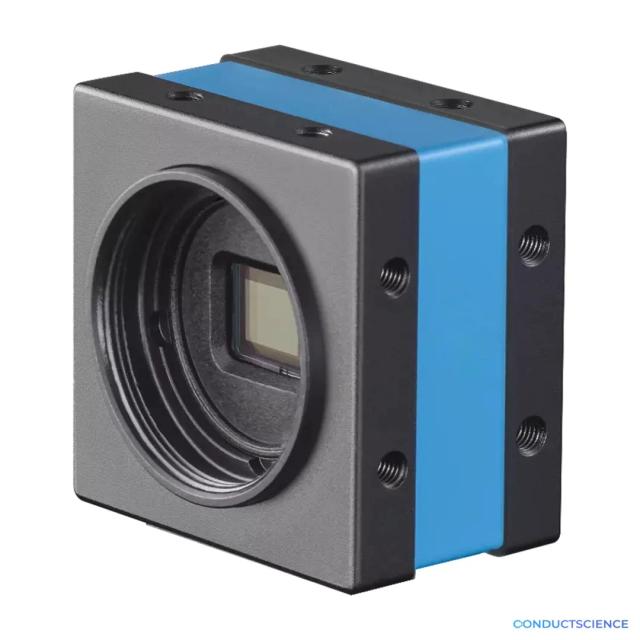
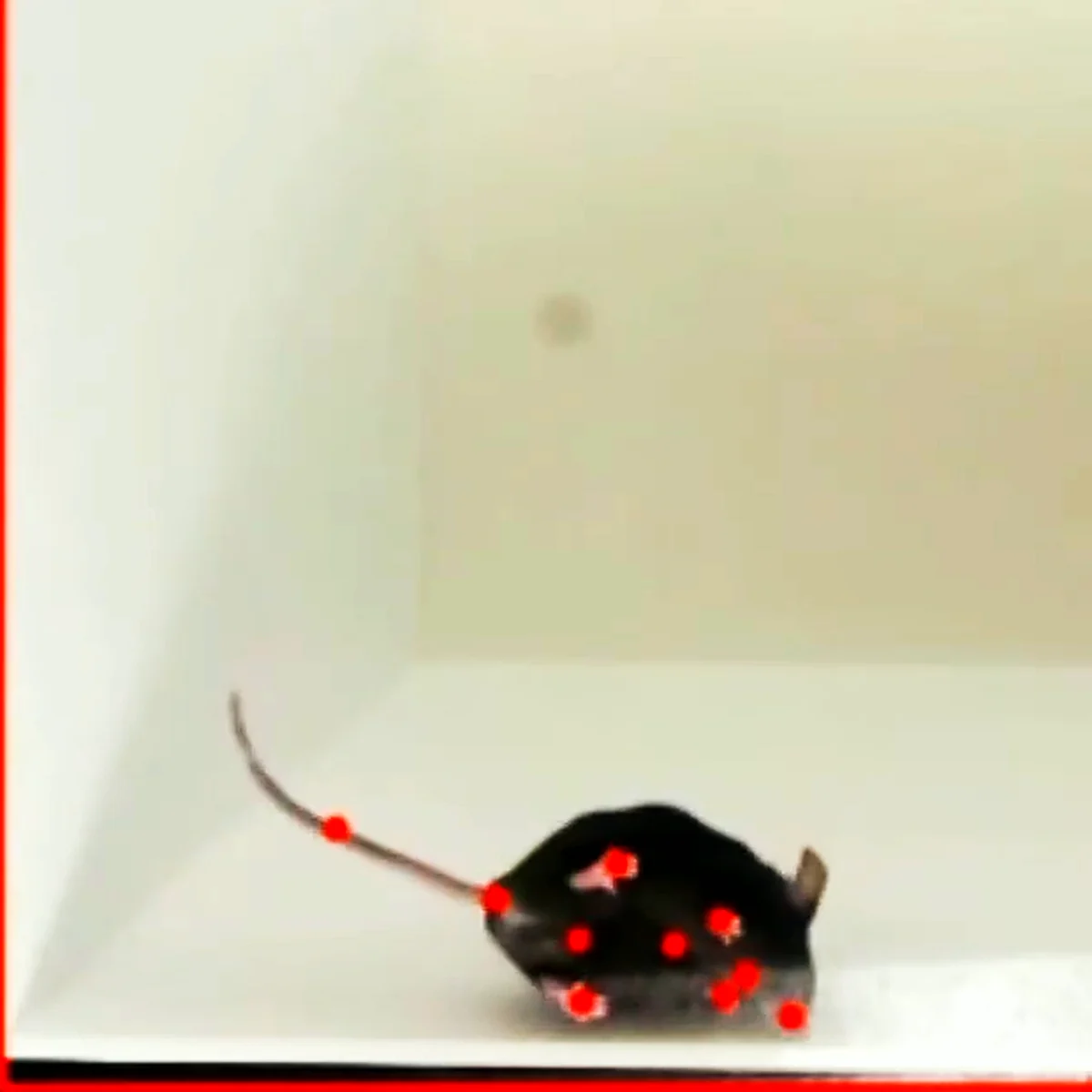
ConductVision is our video-tracking software. Record your sessions on video, and it scores standard rodent tests, such as those listed below.
To check whether ConductVision scores your protocol in this apparatus, ask in your quote request.
A 5-year license is $3,990 in total.
Results export as CSV files.
Send it over and we'll email you a personalized answer, with no call or scheduling.
Prefer to talk it through?
Enhance your setup with compatible accessories