ConductVision
$1,490 per yearA 5-year license is $3,990 in total.
The same license also scores standard tests such as the open field, the elevated plus maze, the Y-maze and the Morris water maze. Results export as CSV files.

Behavioral paradigm for inducing depression-like and anxiety-like behaviors in rodent models through repeated social defeats, used to study mood disorders and evaluate therapeutic interventions.

Director of Science · ConductScience
Ask Louise about Chronic Social Defeat Stress Test fit, setup, configuration, or quote prep.
Already working with us? Sign in to connect this with My Scientist.
The Chronic Social Defeat Stress Test is a well-established behavioral paradigm used to induce depression-like and anxiety-like behaviors in rodent models. This protocol involves repeated social defeats of a test animal by a larger, aggressive resident animal over multiple days, followed by behavioral assessment to evaluate stress-induced phenotypes. The paradigm is particularly valuable for studying the neurobiological mechanisms underlying mood disorders and evaluating potential therapeutic interventions.
The test protocol typically consists of a defeat phase where the experimental animal is exposed to physical defeat and subsequent sensory contact with the aggressor, followed by behavioral testing to assess social avoidance, anhedonia, and other stress-related behaviors. This model produces robust and reproducible behavioral phenotypes that closely mirror human depression and anxiety symptoms, making it an essential tool for translational psychiatric research.
The chronic social defeat stress paradigm operates on the principle that repeated social subordination experiences trigger neurobiological stress responses similar to those observed in human depression. During the defeat phase, a test animal is placed in the home cage of a larger, aggressive resident animal for a brief physical encounter, typically lasting 5-10 minutes. Following defeat, the animals are separated by a perforated barrier that allows continued sensory contact while preventing further physical interaction.
This procedure is repeated daily for 10-21 days, creating a chronic stress environment that activates the hypothalamic-pituitary-adrenal axis and alters neurotransmitter systems, particularly dopaminergic and serotonergic pathways. The combination of acute physical stress during defeats and chronic psychological stress from continued proximity to the aggressor produces lasting neuroplastic changes that manifest as behavioral phenotypes resembling human mood disorders.
Post-defeat behavioral testing typically includes social interaction tests, sucrose preference assays, forced swim tests, and other validated measures of depression-like and anxiety-like behaviors. The model's strength lies in its ability to induce both the behavioral and neurobiological hallmarks of stress-related psychiatric conditions.
| Feature | This Product | Typical Alternative | Advantage |
|---|---|---|---|
| Stress Induction Method | Social defeat through physical confrontation and sensory contact | Other models use unpredictable stressors, restraint, or environmental manipulations | Provides ethologically relevant social stress that closely models human interpersonal stress experiences |
| Behavioral Validity | Produces depression-like and anxiety-like behaviors with high translational relevance | Some models show limited behavioral phenotypes or poor clinical translation | Generates robust behavioral changes that mirror human mood disorder symptoms for better clinical predictivity |
| Protocol Duration | Chronic exposure over 10-21 days with daily defeat sessions | Acute stress models may use single exposures or shorter protocols | Allows investigation of neuroadaptive changes and long-term stress effects relevant to human psychiatric conditions |
| Neurobiological Changes | Alters dopaminergic and serotonergic systems with HPA axis activation | Some models produce limited or different patterns of neurotransmitter changes | Induces neurobiological alterations that closely match those observed in human depression and anxiety disorders |
The Chronic Social Defeat Stress Test provides a highly validated and translationally relevant model for studying mood disorders through ethologically appropriate social stress exposure. The protocol produces robust behavioral and neurobiological phenotypes that closely mirror human psychiatric conditions, making it an essential tool for depression and anxiety research.
Standardize defeat duration and intensity across all sessions by using consistent resident animals and monitoring defeat behaviors.
Why: Ensures reproducible stress exposure and minimizes variability in induced behavioral phenotypes across experimental subjects.
Monitor animals closely during defeat sessions and establish clear endpoints to prevent serious injury while maintaining protocol integrity.
Why: Balances the need for effective stress induction with animal welfare requirements and regulatory compliance.
Replace resident aggressors periodically if their aggressive behavior becomes inconsistent or excessive over time.
Why: Maintains consistent defeat experiences and prevents habituation or escalation that could compromise data quality.
Record detailed behavioral observations during defeats including latency to defeat and specific aggressive behaviors displayed.
Why: Provides valuable data for correlating defeat intensity with subsequent behavioral outcomes and identifying potential confounding factors.
If test animals show excessive resistance or resident animals fail to attack, screen and replace animals to maintain protocol effectiveness.
Why: Ensures consistent stress induction across all subjects and prevents failed defeats that could compromise experimental validity.
Conduct behavioral testing at consistent times post-defeat to account for circadian effects on stress-related behaviors.
Why: Minimizes temporal variability in behavioral measurements and improves the reliability of treatment comparisons.
ConductScience provides comprehensive protocol support and technical guidance for chronic social defeat stress implementation. Training materials and consultation services ensure proper protocol execution and data interpretation.
Background reading relevant to this product:
What is the optimal duration for chronic social defeat stress protocols?
Most protocols use 10-21 days of daily defeats, with 10 days being sufficient for behavioral phenotype induction and 21 days producing more robust and persistent effects. Duration can be adjusted based on specific research objectives and strain sensitivity.
How do you ensure consistent aggression levels across resident animals?
Resident screening involves preliminary social interaction tests to identify animals with appropriate aggressive responses. Consistent defeat criteria and regular monitoring ensure uniform stress exposure across experimental subjects.
What behavioral measures are most sensitive to chronic social defeat effects?
Social interaction ratio, sucrose preference, and forced swim test immobility are the most validated measures. Social avoidance typically shows the most robust and persistent effects following chronic defeat stress.
Can the protocol be adapted for female subjects?
Modified protocols exist for female subjects, though traditional paradigms were developed primarily in males. Female adaptations may require different resident selection criteria and defeat parameters due to sex differences in aggressive behavior patterns.
How long do behavioral effects persist after defeat cessation?
Behavioral phenotypes typically persist for 2-4 weeks post-defeat, with social avoidance showing the longest duration. Time course varies by strain, defeat intensity, and specific behavioral measures assessed.
What control groups are recommended for defeat studies?
Essential controls include non-defeated animals housed similarly and handled controls. Some studies include brief exposure controls or non-aggressive social contact controls to isolate defeat-specific effects.
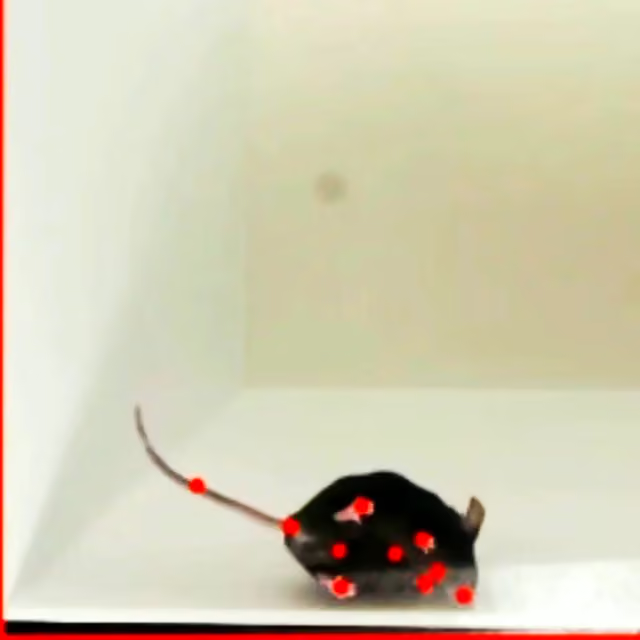
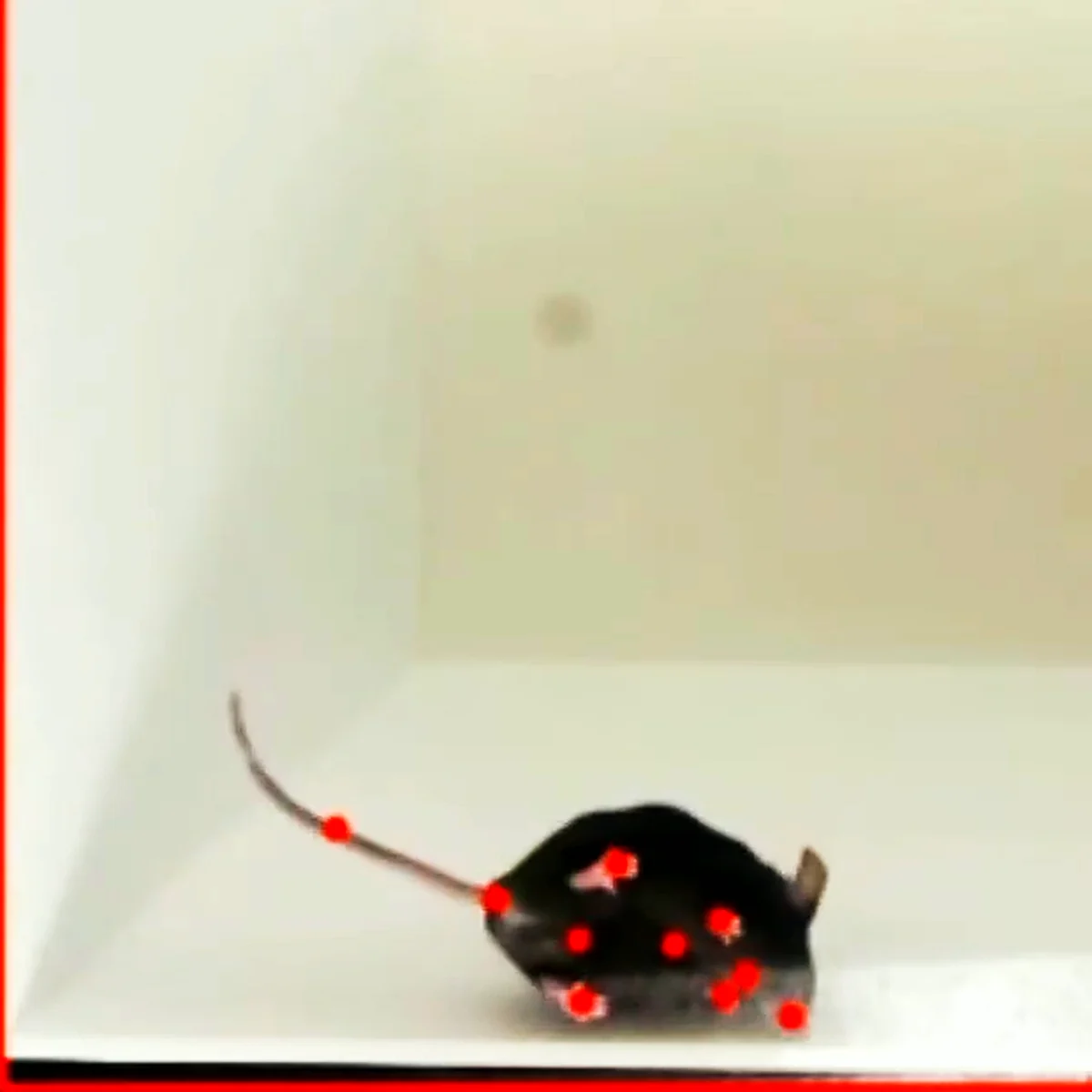
ConductVision is our video-tracking software. Record your sessions on video, and it reports the measures listed below.
A 5-year license is $3,990 in total.
The same license also scores standard tests such as the open field, the elevated plus maze, the Y-maze and the Morris water maze. Results export as CSV files.
Send it over and we'll email you a personalized answer — no call, no scheduling.
Prefer to talk it through?
Enhance your setup with compatible accessories