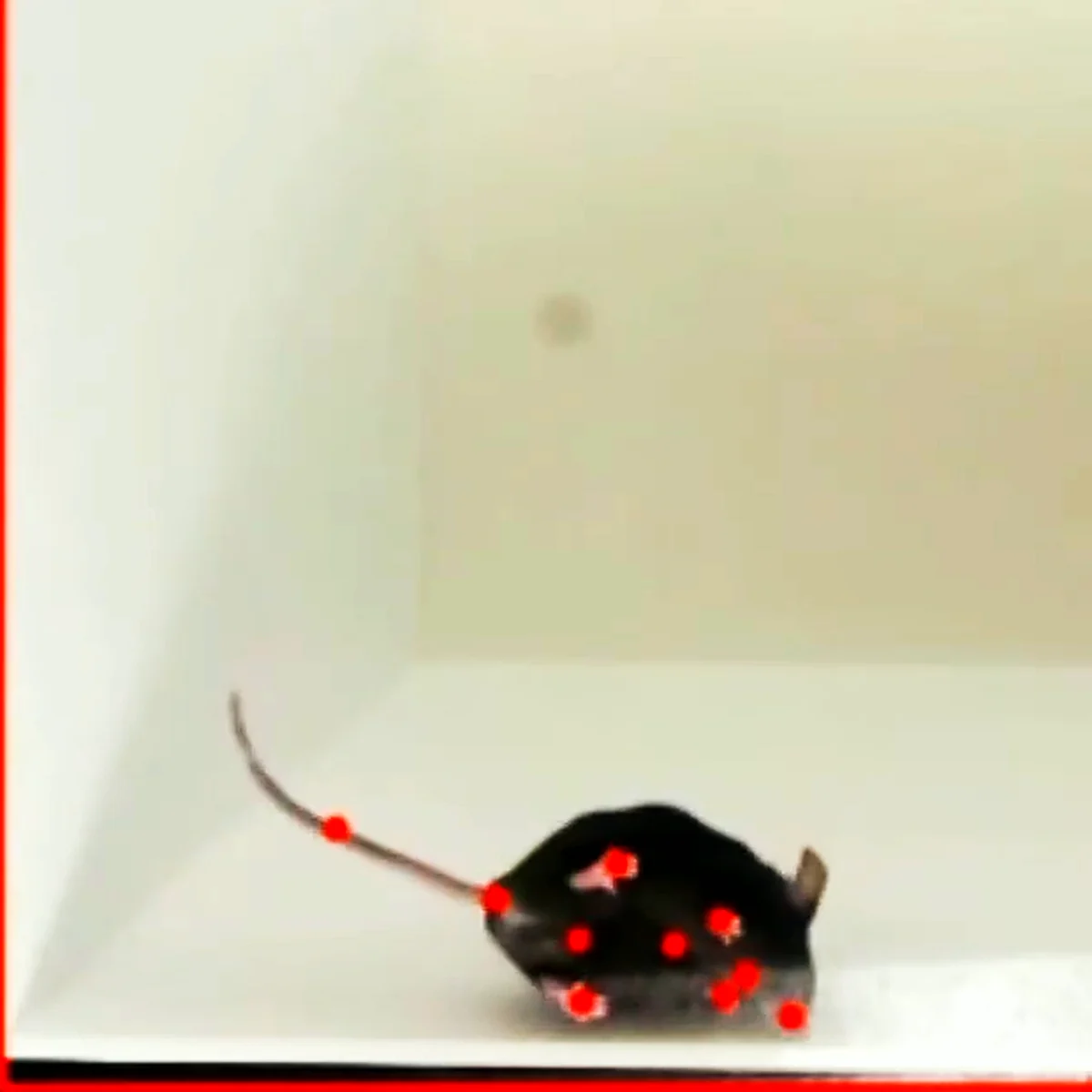
ConductVision
$1,490 per year for one computerA 5-year license is $3,990 in total.
Results export as CSV files.

Standardized circular arena for measuring locomotor activity, anxiety-like behavior, and exploratory patterns in mice and rats with removable base for easy cleaning.

Director of Science · ConductScience
Ask Louise about Circular Open Field fit, setup, configuration, or quote prep.
Already working with us? Sign in to connect this with My Scientist.
From 2021 to 2025, 5,767 animal research papers mentioned the open field. The count covers the test on any apparatus, not only this one.
The Circular Open Field is a standardized apparatus for assessing locomotor activity, anxiety-like behavior, and exploratory patterns in rodents. This classic behavioral testing platform provides a controlled environment for measuring spontaneous activity, thigmotaxis (wall-hugging behavior), and centralized exploration patterns that are fundamental to anxiety and motor function research.
Constructed from acrylic with a matte finish to eliminate light reflection artifacts, the apparatus features removable bases for efficient cleaning between subjects. Available in species-specific dimensions (40cm diameter for mice, 60cm for rats), the circular design eliminates corner preferences and provides uniform spatial exploration opportunities for consistent behavioral measurements.
The open field test operates on the principle that rodents exhibit natural conflict between exploratory drive and anxiety-induced avoidance of open, exposed areas. When placed in the circular arena, animals must balance their innate motivation to explore novel environments against their preference for protected spaces near walls (thigmotaxis).
The circular design eliminates corner preferences that can confound rectangular arenas, providing uniform spatial opportunities for exploration. Researchers typically measure total distance traveled (locomotor activity), time spent in center versus peripheral zones (anxiety-like behavior), and movement patterns over standardized time periods. The matte acrylic finish prevents light reflection that could create artificial visual barriers or preferred zones.
Behavioral parameters are quantified through video tracking systems that record animal position coordinates, calculate zone transitions, and generate activity metrics including velocity, path efficiency, and spatial distribution patterns for statistical analysis.
These IDs come from the Measurement Method Ontology (MMO), NCBI Taxonomy and the Clinical Measurement Ontology (CMO). Use them in data records and methods sections.
MMO:0000258NCBITaxon:10090 NCBITaxon:10116 CMO:0004066 CMO:0004067 CMO:0001516 | Measurement | Mouse | Rat |
|---|---|---|
| Diameter | 40 cm | 60 cm |
| Height | 30 cm | 40 cm |
Ready for RO-Crate, the open standard for sharing data.
| Feature | This Product | Typical Alternative | Advantage |
|---|---|---|---|
| Arena Geometry | Circular design eliminates corners | Rectangular arenas with corner preferences | Provides uniform exploration opportunities without geometric bias effects |
| Base Design | Removable base for easy cleaning | Fixed base requiring in-place cleaning | Enables thorough sanitization and faster subject turnover |
| Surface Finish | Matte finish prevents light reflection | Glossy surfaces that may create visual artifacts | Eliminates reflection-based behavioral confounds for consistent tracking |
| Species Options | Purpose-built 40cm and 60cm diameters | Single size requiring scaling adjustments | Optimized spatial proportions for species-appropriate behavioral expression |
| Material Construction | Acrylic with odor-neutral properties | Various materials with potential odor retention | Maintains consistent testing conditions between subjects and sessions |
This apparatus provides species-optimized circular geometry with practical features including removable bases and matte surfaces. The design eliminates corner preferences while supporting standard cleaning protocols for consistent behavioral testing.
| Model | Size | SKU | Listed price | Status | Shipping box |
|---|---|---|---|---|---|
| Mouse | Diameter 40 cm · Height 30 cm | CS-958387-01-CLEAR (+5) | $1,290.00 | Available | 65.0 × 36.0 × 27.0 cm |
| Rat | Diameter 60 cm · Height 40 cm | CS-958387-02-CLEAR (+5) | $1,990.00 | Available | 65.0 × 36.0 × 27.0 cm |
Allow animals 2-3 minutes acclimation in arena before starting behavioral recording to reduce placement stress artifacts.
Why: Initial placement responses can mask true exploratory behavior patterns.
Track total distance traveled alongside zone preferences to distinguish anxiety from general hypoactivity.
Why: Reduced center exploration could reflect either anxiety or motor impairment.
Inspect acrylic surfaces regularly for scratches that could affect video tracking accuracy.
Why: Surface imperfections can interfere with automated position detection algorithms.
Verify tracking software arena boundaries match physical dimensions before each testing session.
Why: Calibration drift can lead to incorrect zone assignments and invalid behavioral metrics.
Test animals during their active phase (dark cycle for nocturnal rodents) for optimal behavioral expression.
Why: Circadian timing significantly affects spontaneous activity levels and exploration patterns.
Use consistent lighting angles to prevent tracking software from losing subject identification due to shadows.
Why: Variable lighting creates tracking artifacts that compromise data quality.
Maintain stable room temperature and avoid sudden environmental changes during testing sessions.
Why: Temperature fluctuations can alter animal behavior and confound experimental results.
ConductScience provides a 1-year manufacturer warranty covering materials and workmanship defects, with technical support for setup and protocol optimization.
Background reading relevant to this product:
Specifications, models, materials, and operating envelopes
What video tracking systems are compatible with this apparatus?
The transparent acrylic construction and standardized dimensions are compatible with most commercial video tracking systems including Ethovision, ANY-maze, and TopScan, as well as open-source solutions like DeepLabCut.
How do you define center versus peripheral zones for analysis?
Center zone is typically defined as a circular area comprising 25-50% of the total arena area, with exact boundaries set in the tracking software based on experimental requirements and literature precedent.
What is the recommended testing duration for open field sessions?
Standard protocols range from 5-30 minutes depending on research objectives, with 10-15 minutes common for anxiety assessment and longer sessions for detailed activity profiling.
How should the apparatus be positioned relative to room lighting?
Maintain consistent overhead lighting at 100-200 lux with minimal shadows, avoiding bright spotlights that create preferred/avoided zones within the arena.
What cleaning protocol prevents cross-contamination between subjects?
Clean all surfaces with 70% ethanol between subjects, allow complete drying, and optionally rotate multiple base inserts to minimize inter-trial intervals.
How does circular design compare to rectangular open field arenas?
Circular geometry eliminates corner preferences that can confound rectangular arenas, providing more uniform exploration opportunities and cleaner center/periphery behavioral distinctions.
What baseline parameters should be established before drug studies?
Document strain-specific activity levels, habituation patterns, and test-retest reliability under your specific environmental conditions before introducing experimental manipulations.
Research data
5,767 animal research papers in PubMed from 2021 to 2025 mention the open field test
1.8 times as many as the 3,155 papers from 2011 to 2015
These counts are for the test, whoever made the apparatus, not for this product.
The lists below cover 2021 to 2025, the years in the band.
Hover over a bar to see its year. Click or tap a bar to show only that year in the lists below, or drag across the bars to show a span of years. On a keyboard, use the arrow keys on the chart to read each year, and the menus below it to pick the years.
A paper can mention more than one species, test or condition, so the percentages can add up to more than 100%.
This product comes in a mouse size and a rat size.
To put a whole battery on one quote, open the test battery tool and start from the open field test. Pick the other tests your study will run, then add the apparatus we sell for each.
By papers from 2021 to 2025, the open field test ranks first of the 90 tests we track.
Of the 5,767 papers from 2021 to 2025, 890 name locomotor activity in the title or abstract, more than any other measure.
Next come time in the center (272 papers) and distance traveled (229 papers).
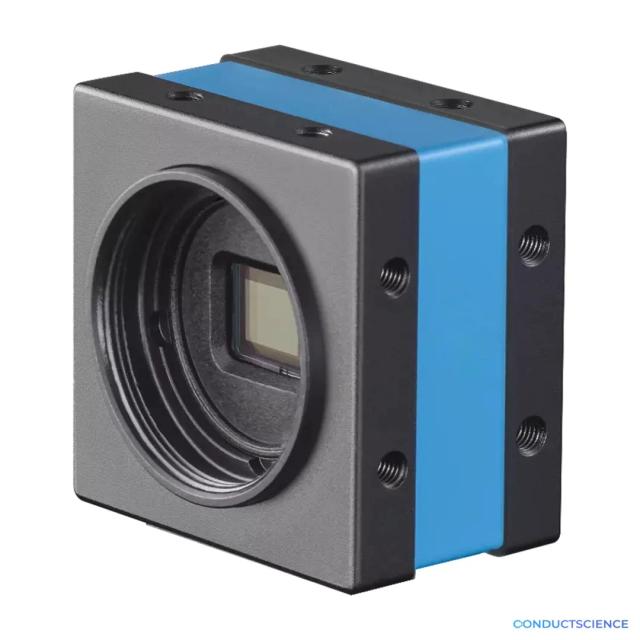
ConductVision reports two of the three from video: time in the center and distance traveled.
Papers per year for the 7 measures we trackConductVision is our video-tracking software. Record your sessions on video, and it scores standard rodent tests, such as those listed below.
To check whether ConductVision scores your protocol in this apparatus, ask in your quote request.
A 5-year license is $3,990 in total.
Results export as CSV files.
Send it over and we'll email you a personalized answer, with no call or scheduling.
Prefer to talk it through?
Enhance your setup with compatible accessories