COD Measurement Instrument
Portable colorimetric analyzer for simultaneous measurement of COD, total phosphorus, and ammonia nitrogen in water samples across multiple concentration ranges.
| Model | LH-C3 |
| Code | Meanings |
| C11 | Means COD 0-150mg/L test item |
| C12 | Means COD 100-1500mg/L test item |
| C13 | Means COD 1000-15000mg/L test item |
| L22 | Means Total phosphorus 0-2mg/L test item |

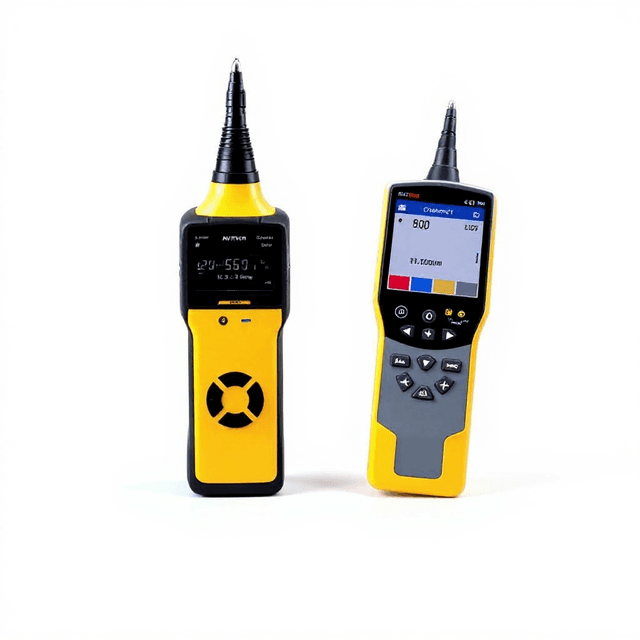
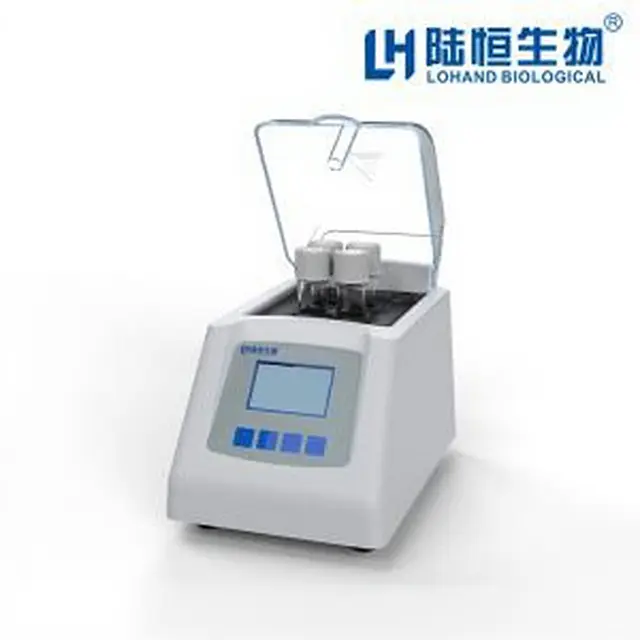
The COD Measurement Instrument (Model LH-C3) is a portable colorimetric analyzer designed for quantitative determination of chemical oxygen demand, total phosphorus, and ammonia nitrogen in aqueous samples. This multi-parameter instrument utilizes segmented measurement ranges to accommodate diverse sample concentrations, from trace-level environmental monitoring to high-concentration industrial effluent analysis.
The instrument employs colorimetric detection principles with pre-programmed analytical protocols for each parameter. Sample preparation involves standard digestion procedures followed by optical measurement at parameter-specific wavelengths. The device features an integrated display system with alphanumeric codes for measurement status, concentration readouts, and diagnostic information including temperature compensation and range verification.
How It Works
The instrument operates on colorimetric principles where target analytes undergo specific chemical reactions to produce colored complexes with measurable absorbance. For COD determination, samples undergo controlled oxidation with potassium dichromate in acidic conditions, producing chromium(III) ions that absorb light at characteristic wavelengths proportional to organic carbon content.
Total phosphorus analysis involves sample digestion to convert all phosphorus forms to orthophosphate, followed by reaction with molybdate reagents to form phosphomolybdate complexes. Ammonia nitrogen determination utilizes the indophenol blue method where ammonia reacts with phenol and hypochlorite in alkaline conditions to produce a blue complex.
The optical system measures absorbance at parameter-specific wavelengths and converts readings to concentration values using pre-calibrated algorithms. Temperature compensation ensures measurement accuracy across operating conditions, while integrated range detection prevents measurement errors from sample concentrations outside calibrated limits.
Features & Benefits
Model
- LH-C3
Code
- Meanings
C11
- Means COD 0-150mg/L test item
C12
- Means COD 100-1500mg/L test item
C13
- Means COD 1000-15000mg/L test item
L22
- Means Total phosphorus 0-2mg/L test item
L23
- Means Total phosphorus 2-20mg/L test item
A55
- Means Ammonia nitrogen 0-5mg/L test item
A56
- Means Ammonia nitrogen 2-50mg/L test item
idLE
- Means the meter is on standby mode
XXXX
- Means the concentration of the tested solution
HHHH
- Means the concentration of tested solution is higher than the test range
LLLL
- Means the concentration of tested solution is lower than the test range
rESt
- Means have not zero setting before testing
XX.Xâ
- Means temperature
Automation Level
- semi-automated
Brand
- ConductScience
Research Domain
- Analytical Chemistry
- Environmental Monitoring
- Food Science
- Industrial Hygiene
- Microbiology
- Pharmaceutical QC
Weight
- 0.26 kg
Dimensions
- L: 8.8 mm
- W: 7.3 mm
- H: 5.9 mm
Comparison Guide
| Feature | This Product | Typical Alternative | Advantage |
|---|---|---|---|
| Parameter Coverage | Three parameters (COD, Total Phosphorus, Ammonia Nitrogen) in one instrument | Single-parameter instruments require separate analyzers for each measurement | Reduces equipment costs and setup complexity for comprehensive water quality assessment. |
| COD Measurement Range | Three segmented ranges: 0-150, 100-1500, and 1000-15000 mg/L | Fixed ranges often require manual dilution for high-concentration samples | Accommodates samples from pristine waters to industrial effluents without dilution calculations. |
| Diagnostic Display | Alphanumeric codes for status (idLE, XXXX, HHHH, LLLL, rESt) and temperature display | Basic numeric displays with limited diagnostic information | Provides clear operational guidance and troubleshooting information to ensure measurement validity. |
| Portable Operation | Battery-powered for field measurements | Varies by model - some require AC power or have limited battery life | Enables on-site analysis at remote sampling locations without power infrastructure. |
| Range Selection | User-selectable concentration ranges with dedicated codes (C11/C12/C13, L22/L23, A55/A56) | Auto-ranging systems may sacrifice precision or require complex calibration | Optimizes measurement precision through range-specific calibration curves and algorithms. |
The LH-C3 offers multi-parameter capability with segmented concentration ranges and comprehensive diagnostic feedback. The instrument's portable design and range-specific optimization provide versatility for both laboratory and field applications across diverse sample types.
Practical Tips
Perform zero calibration with the same reagent batch and reaction conditions used for samples to account for reagent blank contributions.
Why: Reagent blanks can vary between lots and significantly impact low-concentration measurements.
Allow samples and reagents to equilibrate to the same temperature before measurement to minimize thermal effects.
Why: Temperature differences can cause optical interference and affect colorimetric reaction kinetics.
If readings consistently show HHHH or LLLL, verify sample concentration range and consider switching to appropriate measurement codes.
Why: Using the correct concentration range ensures optimal precision and prevents measurement errors.
Clean sample chamber and optical surfaces with appropriate solvents after each use, especially when switching between parameters.
Why: Residual reagents can cause cross-contamination and optical interference in subsequent measurements.
Run duplicate analyses and blank samples with each batch to verify measurement consistency and detect contamination.
Why: Quality control samples identify systematic errors and ensure data reliability for regulatory reporting.
Handle COD reagents in a well-ventilated area and follow proper disposal protocols for chromium-containing waste.
Why: COD analysis involves strong acids and hexavalent chromium compounds that require appropriate safety precautions.
Setup Guide
What’s in the Box
- COD Measurement Instrument (Model LH-C3)
- Power adapter and cables (typical)
- Sample vials and caps (typical)
- Reagent starter kit (typical)
- User manual and quick reference guide (typical)
- Calibration verification standards (typical)
Warranty
ConductScience provides a standard one-year manufacturer warranty covering defects in materials and workmanship, with technical support for operational questions and method development assistance.
Compliance
References
Background reading relevant to this product:
What sample preparation is required for COD analysis with this instrument?
Samples require standard acid digestion with potassium dichromate at elevated temperature, followed by cooling and measurement. High-concentration samples may need dilution to fit within the selected measurement range (C11, C12, or C13).
How do I select the appropriate measurement range for unknown samples?
Start with the broadest range (C13 for COD up to 15,000 mg/L) and dilute if the display shows HHHH (above range). For greater precision on low-concentration samples showing LLLL (below range), switch to C11 (0-150 mg/L) or C12 (100-1500 mg/L).
What does the rESt error code indicate and how is it resolved?
The rESt code indicates that zero calibration has not been performed before measurement. Resolve by running a blank sample (deionized water) through the complete analytical procedure to establish baseline readings.
Can this instrument measure all three parameters simultaneously in a single sample?
No, each parameter requires separate sample aliquots and specific reagent treatments. COD requires acid digestion, phosphorus needs alkaline digestion, and ammonia analysis uses different colorimetric reagents.
How frequently should the instrument be recalibrated?
Zero calibration should be performed daily or when changing measurement ranges. Full calibration verification with standards should be conducted weekly or according to laboratory QC protocols.
What is the measurement precision across the different concentration ranges?
Consult product datasheet for specific precision values, as accuracy varies with concentration range and matrix effects. Generally, precision is optimized within each range's target concentration zone.
Can this instrument analyze turbid or colored samples directly?
Highly turbid samples may require filtration or dilution to prevent optical interference. Colored samples may need background correction or dilution if natural color interferes with the colorimetric endpoint detection.
Have a question about this product?
Accessories
Enhance your setup with compatible accessories