Orthopedic Microsurgery Kit
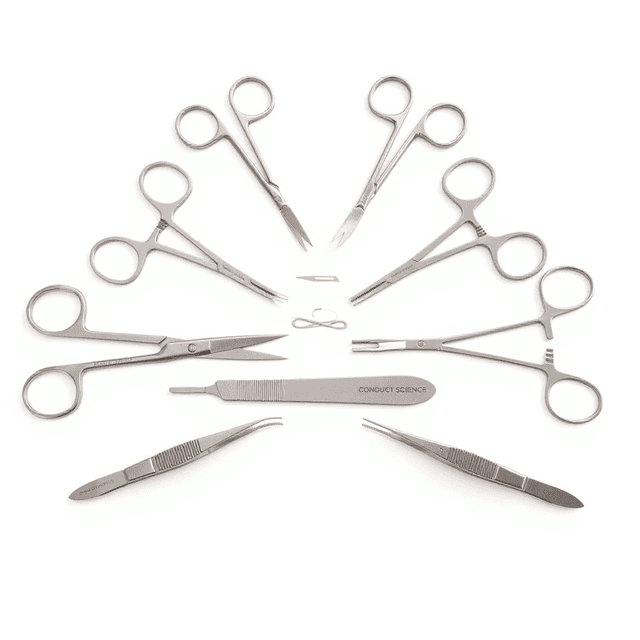
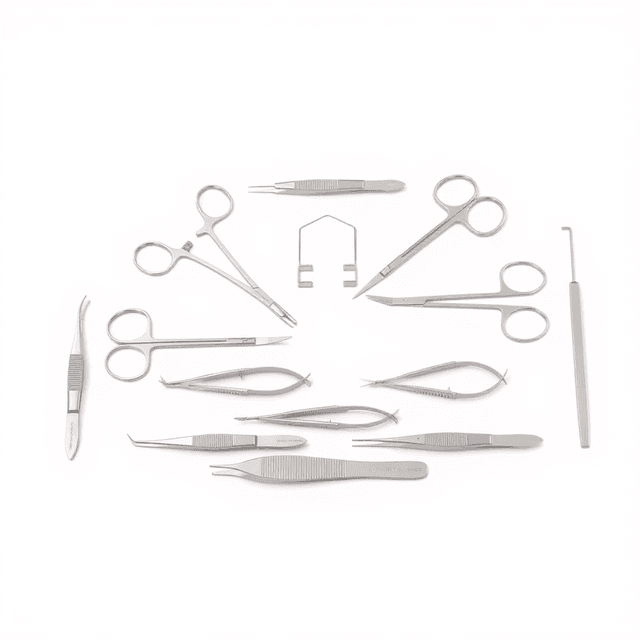
Complete surgical instrument set for orthopedic procedures in mice and rats, featuring precision bone cutters, rongeurs, osteotomes, and scalpels in a protective storage portfolio.

Louise Corscadden, PhD
Director of Science · ConductScience
Ask Louise about Orthopedic Microsurgery Kit fit, setup, configuration, or quote prep.
Already working with us? Sign in to connect this with My Scientist.
Key Specifications
Full details →- Model fit
- Mouse, Rat
- SKU family
- CS-958398
- Shipping box
- 65.0 x 36.0 x 27.0 cm
- Ordering
- Quote-reviewed before fulfillment
- Category
- Surgical Instruments
- Build notes
- Confirm accessories, station layout, and support needs before purchase
The Orthopedic Microsurgery Kit provides a comprehensive set of precision surgical instruments designed for orthopedic procedures in small laboratory animals. This curated collection includes specialized bone-cutting tools, rongeurs, osteotomes, and scalpels optimized for mouse and rat orthopedic research applications. Each instrument is manufactured from surgical-grade stainless steel to ensure durability and precision during delicate bone manipulation procedures.
The kit addresses the specific requirements of small animal orthopedic research by providing instruments scaled appropriately for rodent anatomy. The included Friedman-Pearson rongeurs feature 0.7mm cups for precise bone removal, while the Lambotte osteotomes provide controlled bone sectioning with a 4mm cutting edge. All instruments are housed in a protective storage portfolio to maintain sterility and organization between procedures.
How It Works
Orthopedic microsurgery in small animals requires specialized instruments that provide precise control and minimal tissue trauma. The kit's bone cutters utilize sharp, flat blades to create clean cuts through cortical bone, while the Friedman-Pearson rongeurs employ a cup-and-cutting edge mechanism to remove bone tissue in controlled increments. The 0.7mm cup size is specifically dimensioned for rodent bone thickness and density.
The Lambotte osteotomes function as precision chisels, using a beveled 4mm cutting edge to create controlled bone divisions along predetermined lines. The included Graefe scalpels provide initial soft tissue incision with a 22mm cutting edge optimized for small animal anatomy. The round-type operating scissors enable precise dissection around bone structures, while nail scissors provide fine tissue manipulation in confined surgical fields.
Proper instrument selection and technique are critical for achieving consistent surgical outcomes. The stainless steel construction maintains sharp cutting edges through multiple sterilization cycles, while the ergonomic design provides tactile feedback necessary for precise bone manipulation in small anatomical spaces.
Features & Benefits
Automation Level
- manual
Species
- Mouse
- Rat
Research Domain
- Aging Research
- Biomaterial Testing
- Bone Biology
- Orthopedic Research
- Regenerative Medicine
Shipping weight
- 6.06 lb
Shipping box
- L: 65.0 cm
- W: 36.0 cm
- H: 27.0 cm
| Feature | This Product | Typical Alternative | Advantage |
|---|---|---|---|
| Rongeur Cup Size | 0.7mm precision cups | Standard sets often include larger 1-2mm cups | Smaller cup size provides more precise bone removal control in confined rodent anatomy. |
| Osteotome Cutting Edge | 4mm Lambotte-style cutting edge | Basic sets may include wider or non-specialized bone chisels | Precise width optimized for controlled osteotomy procedures in small bones. |
| Instrument Variety | 8 specialized orthopedic instruments | General surgical kits typically focus on soft tissue tools | Complete bone-specific tool set eliminates need for additional instrument sourcing. |
| Storage Solution | Dedicated 32×22cm instrument portfolio | Basic instrument trays or generic cases | Purpose-designed storage protects cutting edges and maintains sterility between procedures. |
| Species-Specific Sizing | Optimized for mouse and rat anatomy | One-size-fits-all instruments | Appropriately scaled tools improve surgical precision and reduce tissue trauma in small animals. |
This kit provides specialized orthopedic instruments with precise sizing for rodent anatomy, featuring 0.7mm rongeur cups and 4mm osteotome cutting edges. The comprehensive 8-instrument set includes both straight and curved rongeurs with protective storage, addressing specific requirements of small animal bone surgery that general surgical sets cannot adequately support.
Practical Tips
Inspect cutting edges under magnification before each use and maintain a sharpening log to track instrument performance.
Why: Dull instruments increase tissue trauma and can compromise surgical outcomes.
Use rongeurs in a controlled squeezing motion rather than twisting to prevent bone splintering.
Why: Proper technique preserves surrounding bone integrity and reduces healing complications.
Test osteotome sharpness on reference material before critical procedures to ensure consistent cutting performance.
Why: Standardized sharpness testing ensures reproducible osteotomy results across experimental groups.
Always cut away from soft tissues and maintain clear visualization of the cutting path when using bone instruments.
Why: Prevents inadvertent damage to vessels, nerves, or surrounding organs during bone manipulation.
If bone cutters bind during use, remove, clean debris from the joint, and verify proper blade alignment before continuing.
Why: Binding indicates bone fragments in the mechanism that can damage cutting edges or compromise sterility.
Document instrument serial numbers and maintenance records for each surgical procedure to ensure experimental traceability.
Why: Instrument performance variations can affect surgical outcomes and experimental reproducibility.
Alternate between straight and curved rongeurs based on bone surface accessibility rather than personal preference.
Why: Proper instrument selection reduces surgical time and minimizes tissue manipulation.
Setup Guide
What’s in the Box
- Operating Scissors (Round Type) - 11.5cm straight
- NAIL Scissors (Broad Type) - 9cm straight
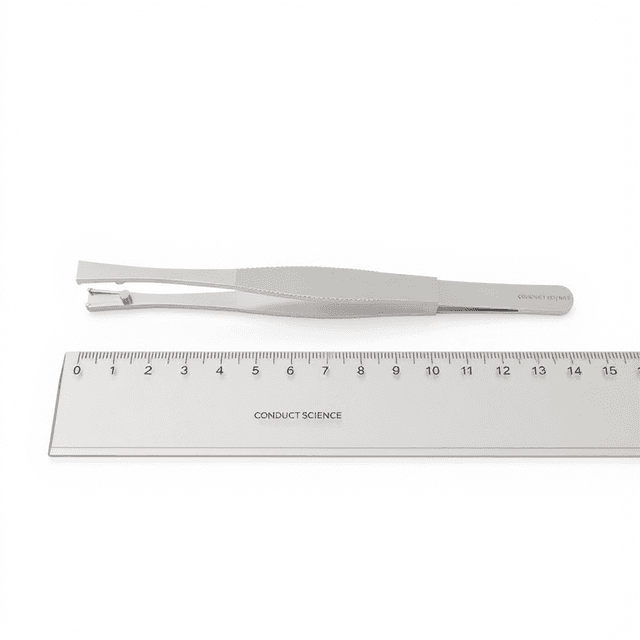
- Friedman-Pearson Rongeurs (straight) - 14cm with 0.7mm cup
- Bone Cutters with Flat Blades - 11.5cm
- Friedman-Pearson Rongeurs (curved) - 14cm with 0.7mm cup
- LAMBOTTE Osteotomes - 12.5cm with 4mm cutting edge
- GRAEFE Scalpels - 13cm with 22mm cutting edge
- Instrument Storage Portfolio - 32×22cm
Warranty
ConductScience provides a standard one-year manufacturer warranty covering defects in materials and workmanship. Technical support is available for proper instrument care and maintenance protocols.
Compliance
What sterilization methods are compatible with these instruments?
The stainless steel construction allows standard autoclave sterilization at 121°C, steam sterilization, or chemical sterilization with glutaraldehyde or peracetic acid solutions.
How do I maintain cutting edge sharpness over time?
Avoid contact with hard surfaces, clean immediately after use, and have instruments professionally sharpened when cutting performance diminishes. Store in the provided portfolio to prevent edge damage.
Are these instruments suitable for procedures other than orthopedic surgery?
While optimized for bone work, several instruments can be used for general small animal surgery. However, the bone-specific tools like rongeurs and osteotomes are primarily designed for hard tissue manipulation.
What is the difference between straight and curved rongeurs included in the kit?
Straight rongeurs provide direct access for surface bone removal, while curved rongeurs allow access to angled surfaces and confined spaces within the surgical site.
Can these instruments be used for larger rodent species like guinea pigs?
The instruments are sized for mouse and rat anatomy. For larger rodents, consult with your supplier about appropriately scaled instruments to ensure optimal surgical control.
How should instruments be arranged during surgery?
Arrange in order of use with bone-cutting tools easily accessible. Keep rongeurs and osteotomes separate from soft tissue instruments to maintain sterility and prevent cross-contamination.
Have a question about this product?
Have a question? Just ask.
Send it over and we'll email you a personalized answer — no call, no scheduling.
Prefer to talk it through?
Accessories
Enhance your setup with compatible accessories