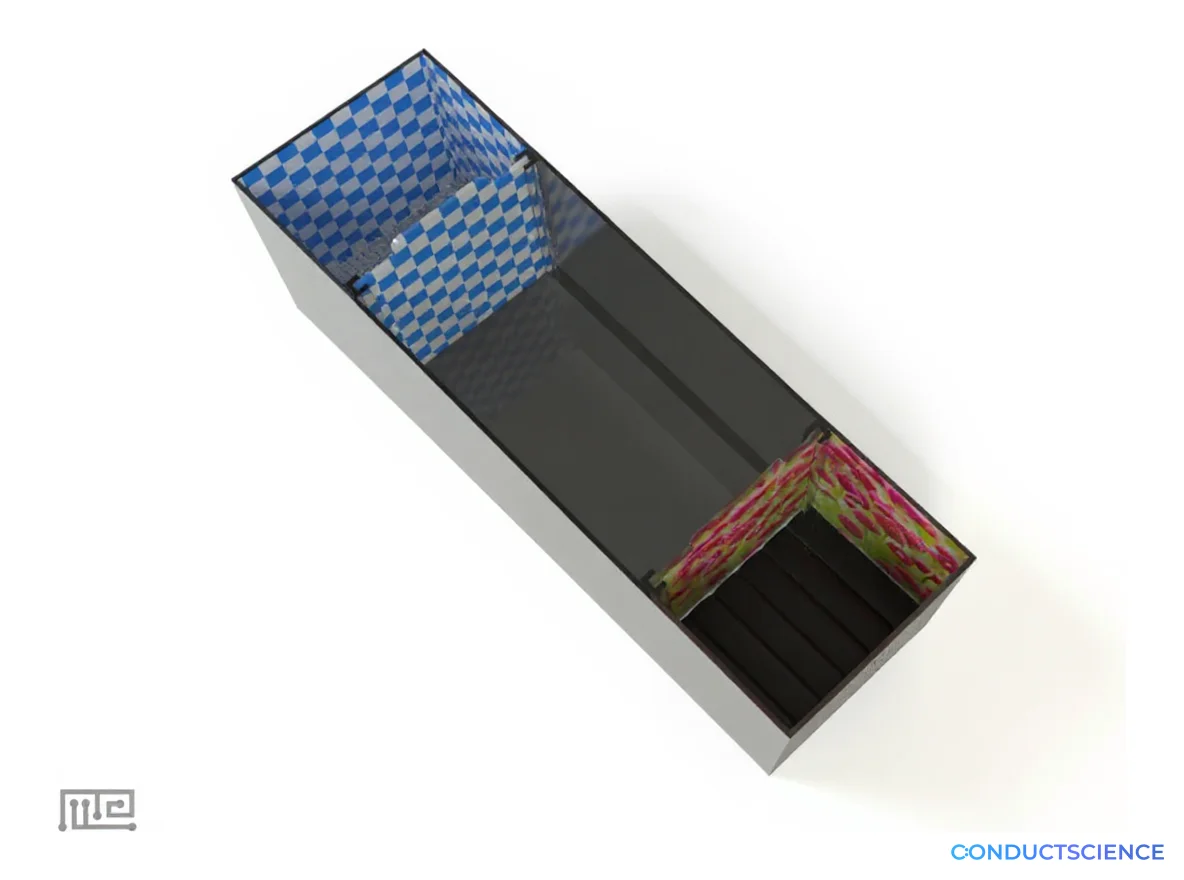
Conditioned Place Preference Torrella 2004
SKU CS-958255
$1,830.00
IncludesStandard care
Standardized behavioral protocol for assessing drug reward, aversion, and conditioned learning through place preference testing in laboratory animals.
CE MarkedBAA available
Scientist guidance

Louise Corscadden, PhD
Director of Science · ConductScience
Ask Louise about Conditioned Place Preference Torrella 2004 fit, setup, configuration, or quote prep.
Already working with us? Sign in to connect this with My Scientist.
Key Specifications
Full details →- Model fit
- Mouse, Rat
- SKU family
- CS-958255
- Shipping box
- 65.0 x 36.0 x 27.0 cm
- Ordering
- Online checkout and quote request available
- Category
- Behavioral Mazes
- Build notes
- Confirm accessories, station layout, and support needs before purchase
The Conditioned Place Preference Torrella 2004 protocol provides a standardized behavioral testing paradigm for assessing drug reward, aversion, and conditioned learning in laboratory animals. Based on the methodology established by Torrella et al. (2004), this test measures an animal's preference for environmental contexts previously paired with pharmacological treatments or other experimental stimuli.
The protocol utilizes a multi-compartment apparatus where animals learn to associate specific environmental cues with rewarding or aversive stimuli. Changes in time spent in drug-paired versus vehicle-paired compartments provide quantitative measures of conditioned place preference or aversion, enabling researchers to evaluate the rewarding properties of drugs, assess addiction liability, and study learning and memory processes underlying associative conditioning.
How It Works
Conditioned place preference testing operates on principles of classical conditioning, where neutral environmental stimuli acquire motivational properties through repeated pairing with rewarding or aversive experiences. The protocol typically employs a multi-compartment apparatus with distinct visual, tactile, and olfactory cues that serve as conditioned stimuli.
During the conditioning phase, animals receive drug treatments in one compartment and vehicle treatments in another, creating associations between environmental contexts and pharmacological effects. The strength of conditioning is subsequently measured by allowing free access to all compartments and quantifying time spent in each location. Increased time in the drug-paired compartment indicates rewarding properties, while decreased time suggests aversive effects.
The Torrella 2004 methodology incorporates specific timing parameters, counterbalancing procedures, and statistical approaches to ensure reliable detection of conditioned preferences while controlling for inherent chamber biases and individual variability in baseline preferences.
Features & Benefits
Standardized Torrella 2004 methodology
Provides validated protocol parameters ensuring reproducible results across laboratories and studies
Counterbalanced experimental design
Eliminates chamber bias and individual preference variations that could confound conditioning effects
Quantitative preference scoring
Enables statistical analysis of conditioning strength and comparison across treatment groups
Multi-compartment paradigm
Allows simultaneous assessment of both rewarding and aversive conditioning effects
Flexible timing parameters
Accommodates different drug pharmacokinetics and experimental requirements through adjustable session durations
Cross-species applicability
Protocol adaptable for use across multiple rodent species with appropriate apparatus modifications
Behavioral Construct
- place preference
- conditioned learning
- reward processing
- associative memory
- drug-seeking behavior
Automation Level
- manual
Research Domain
- Addiction Research
- Anxiety and Depression
- Behavioral Pharmacology
- Learning and Memory
- Neuroscience
- Pain Research
Species
- Mouse
- Rat
Compatible Tracking Software
- ConductVision
Shipping weight
- 6.06 lb
Shipping box
- L: 65.0 cm
- W: 36.0 cm
- H: 27.0 cm
| Feature | This Product | Typical Alternative | Advantage |
|---|---|---|---|
| Protocol Standardization | Based on validated Torrella 2004 methodology with established parameters | Many protocols use laboratory-specific parameters without standardized validation | Ensures reproducibility and enables meaningful comparison across studies and laboratories |
| Counterbalancing Design | Incorporates systematic counterbalancing procedures | Basic protocols may lack comprehensive counterbalancing approaches | Eliminates chamber bias and strengthens statistical validity of conditioning effects |
| Data Analysis Framework | Provides specific statistical analysis guidelines | Generic protocols often lack detailed analysis recommendations | Standardizes data interpretation and enhances statistical rigor of experimental outcomes |
| Cross-Species Adaptability | Protocol adaptable across multiple rodent species | Some protocols are species-specific with limited flexibility | Enables comparative studies and broader experimental applications across animal models |
The Torrella 2004 protocol offers a validated, standardized approach to conditioned place preference testing with established parameters and rigorous counterbalancing procedures. The methodology provides comprehensive guidelines for implementation, data collection, and statistical analysis.
Behavioral Pharmacology
Evaluating the rewarding or aversive properties of novel compounds by measuring conditioned place preferences following drug-environment pairings.
Addiction Research
Assessing addiction liability and drug-seeking behaviors by quantifying preference for environments associated with substance administration.
Learning and Memory
Investigating associative learning mechanisms and memory consolidation through environmental context-stimulus pairings.
Neuroscience
Examining neural circuits involved in reward processing and conditioned responses using pharmacological or optogenetic manipulations.
Anxiety and Depression
Testing anxiolytic or antidepressant effects by measuring preference changes for environments paired with therapeutic interventions.
Pain Research
Evaluating analgesic efficacy by assessing place preferences for environments where pain relief was previously experienced.
Practical Tips
Best Practices
Conduct baseline preference assessments before conditioning to identify animals with strong inherent chamber biases.
Why: Pre-existing preferences can confound conditioning effects and should be controlled through counterbalancing or exclusion criteria.
Calibration
Standardize environmental cues across chambers to ensure consistent stimulus presentation during conditioning phases.
Why: Inconsistent cue presentation can weaken conditioning associations and reduce experimental sensitivity.
Maintenance
Clean apparatus thoroughly between subjects using appropriate disinfectants to eliminate olfactory cues from previous animals.
Why: Residual scents can influence place preferences independent of experimental conditioning manipulations.
Data Quality
Record multiple behavioral parameters including locomotor activity and exploratory behaviors in addition to chamber time.
Why: Additional measures help distinguish specific place preferences from general activity changes or motor impairments.
Troubleshooting
If no conditioning effects are observed, verify drug doses, timing parameters, and ensure adequate stimulus saliency differences between chambers.
Why: Weak conditioning may result from suboptimal dosing, inadequate environmental distinctions, or inappropriate session timing.
Safety
Implement appropriate containment and monitoring procedures when testing compounds with unknown behavioral effects.
Why: Novel drugs may produce unexpected behavioral responses that could pose risks to animal welfare or experimental validity.
Setup Guide
Apparatus Preparation
Set up the multi-compartment testing apparatus with distinct environmental cues and ensure video recording equipment is positioned for behavioral tracking.
Baseline Assessment
Conduct initial preference testing to establish baseline chamber preferences and identify any inherent biases in the experimental cohort.
Counterbalancing
Assign animals to conditioning groups using counterbalanced design to distribute drug-paired and vehicle-paired compartments across subjects.
Conditioning Phase
Administer drug treatments in designated compartments according to the established schedule, typically involving alternating drug and vehicle sessions.
Post-Conditioning Test
Conduct final preference test allowing free access to all compartments while recording time spent in each location.
Data Analysis
Calculate preference scores by comparing time spent in drug-paired versus vehicle-paired compartments using appropriate statistical methods.
What’s in the Box
- Detailed protocol document with Torrella 2004 methodology (typical)
- Apparatus setup specifications (typical)
- Data collection forms and scoring sheets (typical)
- Statistical analysis guidelines (typical)
- Reference materials and validation studies (typical)
Warranty
ConductScience provides comprehensive protocol documentation and technical support for implementation of standardized behavioral testing methodologies.
Compliance
ARRIVE GuidelinesBehavioral protocols are commonly implemented following ARRIVE guidelines for transparent reporting of animal research methodology and results.
NIH Guide for Laboratory Animal CareExperimental procedures typically conducted under protocols approved according to NIH guidelines for laboratory animal welfare and scientific standards.
Q
What are the typical conditioning session parameters in the Torrella 2004 protocol?
A
Consult the protocol documentation for specific timing parameters, though typical implementations involve alternating drug and vehicle sessions with defined durations and inter-session intervals.
Q
How is preference strength quantified and analyzed statistically?
A
Preference scores are calculated as the difference in time spent between drug-paired and vehicle-paired compartments, typically analyzed using paired t-tests or repeated measures ANOVA depending on experimental design.
Q
What apparatus modifications are needed for different rodent species?
A
Chamber dimensions and environmental cues may require adjustment based on species size and sensory preferences, with mice typically requiring smaller compartments than rats.
Q
How can inherent chamber biases be controlled in the experimental design?
A
Counterbalancing drug-paired compartments across subjects and conducting baseline preference assessments helps identify and control for pre-existing chamber preferences.
Q
What factors influence the sensitivity of conditioned place preference detection?
A
Drug dose, number of conditioning trials, session duration, and inter-trial intervals all affect conditioning strength and the ability to detect significant preference changes.
Q
How does this protocol compare to operant conditioning paradigms for drug reward assessment?
A
Place preference testing measures passive approach behaviors while operant paradigms assess active drug-seeking responses, providing complementary but distinct measures of reward processing.
Have a question about this product?
Track rodents with ConductVision
ConductVision is our video-tracking software. Record your sessions on video, and it scores standard rodent tests, such as those listed below.
Examples of tests it scores
To check whether ConductVision scores your protocol in this apparatus, ask in your quote request.
Ask a question
Have a question? Just ask.
Send it over and we'll email you a personalized answer — no call, no scheduling.
Personalized email reply
Usually within one business day
Helpful answers published here
Prefer to talk it through?
Accessories
Enhance your setup with compatible accessories
Total: $0.00
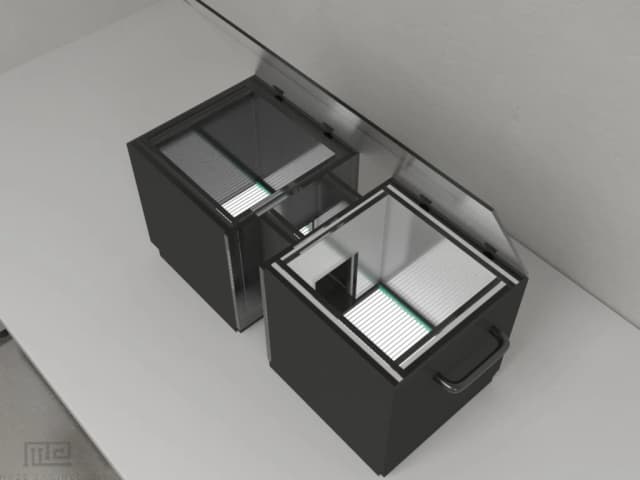



Conditioned Place Preference Torrella 2004
$1,830.00
Added to quoteView Quote