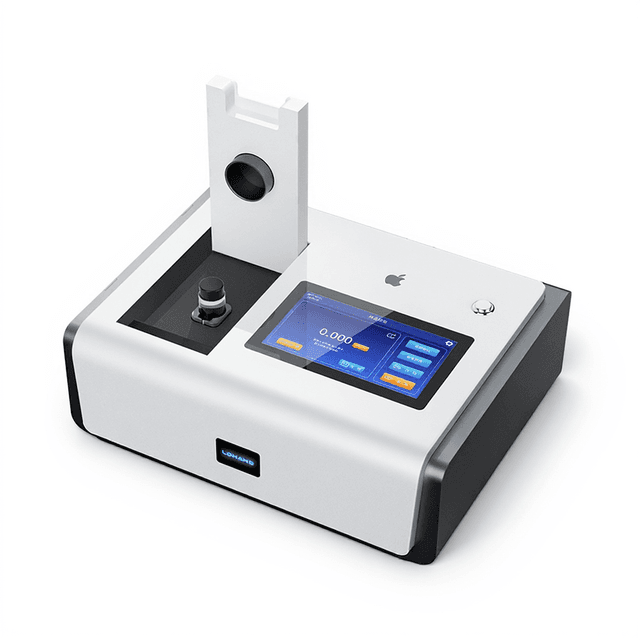
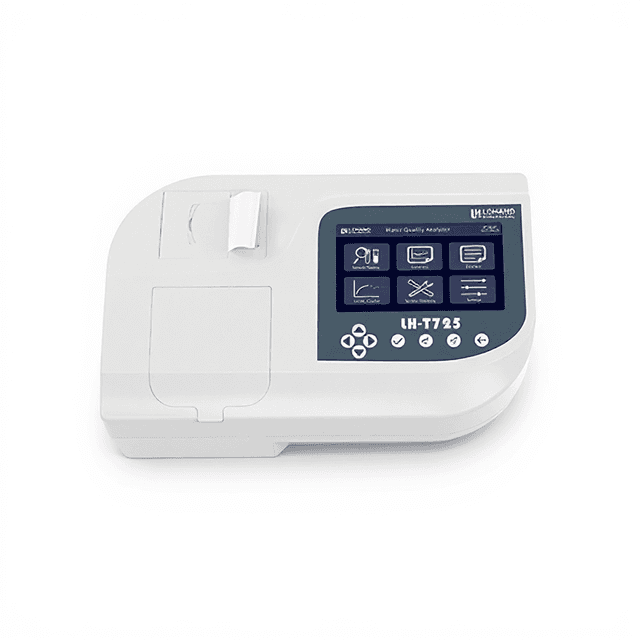
Conductivity Analyzer
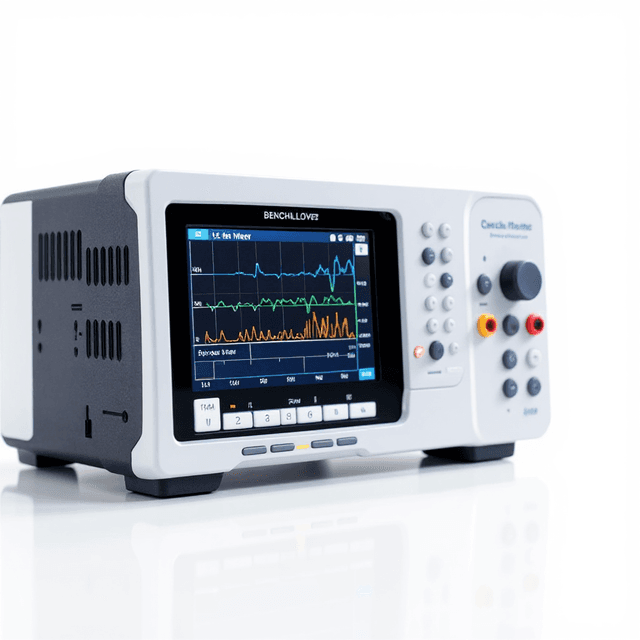
Benchtop digital conductivity analyzer with automatic temperature compensation and wide measurement range for precise water quality analysis in research and industrial applications.
| Model | DDS-22C |
| Model No. | Technical data |
| electrical conductivity meterDDS-22C | 1, Corresponding electrode constant=0.1 Measuring range: (0~199.9)μs/cm, Resolution: 0.1μs/cm2, Corresponding electrode constant=1 Measuring range: (200~1999)μs/cm; (2.00~19.99)ms/cm, Resolution: 1μs/cm; 0.01 ms/cm3, Corresponding electrode constant=10 Measuring range: (20.0~199.9)ms/cm, Resolution: 0.1ms/cmAccuracy: ±1.0%FSATC:5-55°CTemperature coefficient: 2.0%/°CWorking condition: 5~35°C, RH<85%Power: 220V±10%, 50Hz ± 1Hz,DC9VNo notable vibrationNo strong magnetic field interference(except for geomagnetic field)1 point automatic calibration |
| Automation Level | semi-automated |
| Brand | ConductScience |

The DDS-22C Conductivity Analyzer is a benchtop digital electrical conductivity meter designed for precise water quality measurements across environmental monitoring, pharmaceutical, and industrial applications. This instrument provides high-accuracy conductivity measurements with automatic temperature compensation and a wide measurement range spanning microsiemens to millisiemens per centimeter, accommodating solutions from ultrapure water to concentrated ionic solutions.
The analyzer features replaceable electrodes with selectable cell constants (0.1, 1, and 10 cm⁻¹), enabling researchers to optimize measurement sensitivity for their specific sample matrix. The large LCD display with backlighting provides clear readouts in various laboratory lighting conditions, while one-point automatic calibration streamlines routine maintenance protocols.
How It Works
Electrical conductivity measurement is based on the principle that dissolved ions in aqueous solutions facilitate current flow between electrodes. The DDS-22C applies a known alternating voltage across platinum electrodes immersed in the sample and measures the resulting current. Conductivity is calculated using Ohm's law, accounting for the electrode geometry defined by the cell constant.
The instrument employs automatic temperature compensation to normalize readings to a standard reference temperature, as ionic mobility increases approximately 2% per degree Celsius. This correction is essential for accurate comparisons between samples measured at different temperatures. The replaceable electrode system allows selection of appropriate cell constants: 0.1 cm⁻¹ for low-conductivity samples like ultrapure water, 1 cm⁻¹ for moderate-conductivity solutions, and 10 cm⁻¹ for high-conductivity industrial samples.
Features & Benefits
Model
- DDS-22C
Model No.
- Technical data
electrical conductivity meterDDS-22C
- 1, Corresponding electrode constant=0.1 Measuring range: (0~199.9)μs/cm, Resolution: 0.1μs/cm2, Corresponding electrode constant=1 Measuring range: (200~1999)μs/cm; (2.00~19.99)ms/cm, Resolution: 1μs/cm; 0.01 ms/cm3, Corresponding electrode constant=10 Measuring range: (20.0~199.9)ms/cm, Resolution: 0.1ms/cmAccuracy: ±1.0%FSATC:5-55°CTemperature coefficient: 2.0%/°CWorking condition: 5~35°C, RH<85%Power: 220V±10%, 50Hz ± 1Hz,DC9VNo notable vibrationNo strong magnetic field interference(except for geomagnetic field)1 point automatic calibration
Automation Level
- semi-automated
Brand
- ConductScience
Research Domain
- Analytical Chemistry
- Environmental Monitoring
- Food Science
- Industrial Hygiene
- Materials Science
- Pharmaceutical QC
Weight
- 0.99 kg
Dimensions
- L: 13.7 mm
- W: 11.4 mm
- H: 9.2 mm
Comparison Guide
| Feature | This Product | Typical Alternative | Advantage |
|---|---|---|---|
| Measurement Range | 0-199.9 ms/cm across three selectable ranges | Entry-level models often limited to 2-3 decades of range | Eliminates need for multiple instruments when analyzing diverse sample types from pure water to industrial solutions. |
| Temperature Compensation | Automatic compensation 5-55°C with adjustable coefficient | Manual compensation or limited temperature range | Reduces operator error and ensures consistent results across varying sample temperatures. |
| Electrode System | Replaceable electrodes with three cell constants | Fixed electrodes with single cell constant | Provides measurement optimization for specific sample types and reduces long-term replacement costs. |
| Calibration Method | One-point automatic calibration | Manual multi-point calibration procedures | Streamlines daily QC routines and reduces calibration time while maintaining accuracy. |
| Display System | Large LCD with backlighting | Smaller displays without illumination | Improves readability in various lighting conditions and reduces measurement transcription errors. |
The DDS-22C combines wide measurement range flexibility with automatic temperature compensation and user-friendly operation. The replaceable electrode system and automatic calibration provide practical advantages for routine laboratory use while maintaining research-grade accuracy specifications.
Practical Tips
Calibrate using standards that bracket your typical sample range for maximum accuracy.
Why: Interpolated measurements are more accurate than extrapolated ones.
Store electrodes in appropriate conductivity standard solution between uses rather than distilled water.
Why: Prevents electrode drift and maintains stable baseline performance.
Allow samples to reach thermal equilibrium before measurement to minimize temperature compensation errors.
Why: Temperature gradients within samples can cause reading instability and reduced accuracy.
Record both conductivity and temperature values for each measurement in your laboratory notebook.
Why: Temperature data helps identify potential measurement issues and supports data interpretation.
If readings drift or become unstable, check for air bubbles on electrode surfaces and ensure complete sample immersion.
Why: Air bubbles create measurement artifacts and incomplete immersion affects electrode response.
Ensure proper electrical grounding and avoid measuring samples containing organic solvents or strong acids.
Why: Prevents electrical hazards and electrode damage from incompatible sample matrices.
Setup Guide
What’s in the Box
- DDS-22C Conductivity Analyzer main unit
- Conductivity electrode with cable (typical)
- Power adapter (220V) (typical)
- Calibration standards set (typical)
- User manual and operation guide (typical)
- Electrode cleaning solution (typical)
Warranty
ConductScience provides a standard one-year manufacturer warranty covering defects in materials and workmanship, with technical support for calibration and troubleshooting assistance.
Compliance
References
Background reading relevant to this product:
What cell constant should I select for measuring ultrapure water conductivity?
Use the 0.1 cm⁻¹ cell constant electrode for low-conductivity samples like ultrapure water, providing optimal sensitivity in the 0-199.9 μS/cm range with 0.1 μS/cm resolution.
How frequently should I calibrate the instrument for regulatory compliance?
Perform one-point calibration daily using certified conductivity standards within your typical measurement range. The automatic calibration feature streamlines this process while maintaining traceability.
Can this analyzer measure samples at elevated temperatures?
The automatic temperature compensation functions from 5-55°C, allowing measurement of samples above room temperature while providing temperature-corrected conductivity values.
What maintenance is required for the electrode system?
Rinse electrodes with distilled water between samples, store in appropriate storage solution, and replace electrodes when response becomes sluggish or calibration drift occurs.
How does this compare to handheld conductivity meters for field work?
This benchtop analyzer provides higher accuracy (±1.0% vs ±2-3% typical for handhelds) and wider measurement range, but requires AC power and laboratory environment for optimal performance.
What factors can interfere with conductivity measurements?
Avoid strong magnetic fields, excessive vibration, and ensure sample containers are clean. Air bubbles on electrodes and temperature gradients in samples can also affect accuracy.
Have a question about this product?
Accessories
Enhance your setup with compatible accessories
Upgrade Options