ConductScience Cell Culture Plates, 48-Well, TC-Treated (Case of 10)
$85.00 per unit | 10 units per pack Bulk pricing: Case of 10 at $850.00 ($85.00 per unit)

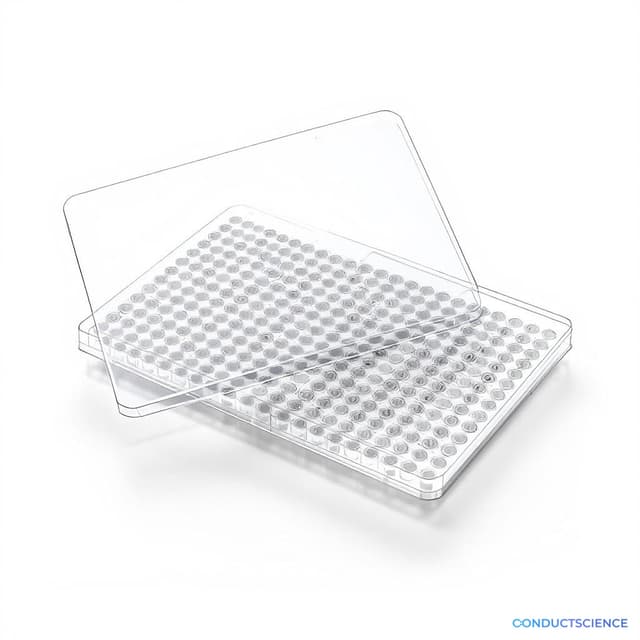
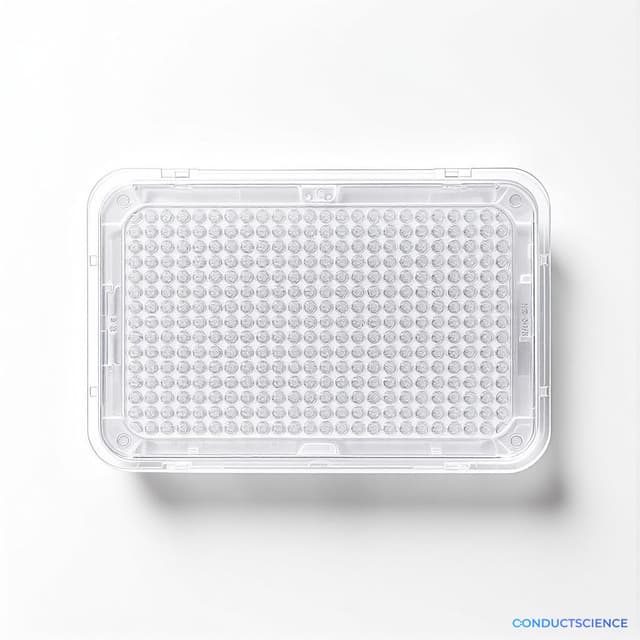
48-well cell culture plates with flat-bottom wells and tissue culture (TC)-treated polystyrene surfaces for enhanced cell attachment and growth. These sterile, single-use plates are specifically designed for dose-response studies and medium-throughput cell culture applications requiring consistent well-to-well performance.
The TC-treated surface provides optimal conditions for adherent cell culture by increasing surface hydrophilicity and promoting protein adsorption necessary for cell adhesion. The 48-well format offers an efficient balance between throughput and sample volume requirements, making these plates suitable for drug screening, cytotoxicity assays, and cell proliferation studies where multiple conditions or concentrations need to be tested simultaneously.
How It Works
The tissue culture treatment process modifies the polystyrene surface through oxygen plasma treatment or corona discharge, introducing polar functional groups that increase surface hydrophilicity. This surface modification enhances protein adsorption from cell culture media, creating a favorable matrix for integrin-mediated cell adhesion.
The flat-bottom well geometry provides uniform surface area for cell attachment and facilitates consistent optical density measurements in colorimetric assays. The 48-well format delivers approximately 1 cm² growth area per well with working volumes typically ranging from 0.5-2 mL, optimizing the surface-to-volume ratio for most adherent cell types.
Features & Benefits
Research Domain
- Cancer Research
- Cell Biology
- Developmental Biology
- Immunology
- Pharmaceutical QC
- Toxicology
Weight
- 632.15 kg
Dimensions
- L: 30.0 mm
- W: 25.0 mm
- H: 20.0 mm
Comparison Guide
| Feature | This Product | Typical Alternative | Advantage |
|---|---|---|---|
| Well Format | 48-well configuration | Entry-level formats often limited to 6, 12, or 24 wells | Provides optimal balance between throughput and sample volume for dose-response studies |
| Surface Treatment | TC-treated polystyrene | Standard models may lack surface treatment | Enhanced cell adhesion reduces experimental variability and improves assay reproducibility |
| Well Geometry | Flat-bottom design | Some alternatives use round-bottom wells | Enables consistent optical measurements and uniform cell growth patterns |
| Sterility | Pre-sterilized packaging | Basic plates may require user sterilization | Eliminates sterilization workflow steps and reduces contamination risk |
This 48-well format offers medium-throughput capabilities with TC-treated surfaces for reliable cell adhesion. The flat-bottom geometry and sterile packaging support consistent experimental conditions across dose-response studies.
Practical Tips
Allow plates to equilibrate to room temperature before opening sterile packaging to prevent condensation formation.
Why: Condensation can introduce contaminants and affect cell culture sterility.
Add cells to the center of each well and avoid touching the well walls with pipette tips.
Why: Ensures even cell distribution and prevents surface damage that could affect cell adhesion.
Store unused plates in original packaging away from direct light and temperature fluctuations.
Why: Maintains sterility and prevents plastic degradation that could affect cell culture performance.
Use consistent pipetting techniques and volumes across all wells to minimize well-to-well variation.
Why: Reduces experimental noise and improves statistical power in dose-response analyses.
Always work within a biological safety cabinet when handling sterile plates and cell cultures.
Why: Protects both the cell culture from contamination and the user from potential biohazards.
If cells show poor adhesion, verify that culture media contains appropriate serum concentrations and cell attachment factors.
Why: TC-treated surfaces require protein coating from serum or attachment factors for optimal cell adhesion.
Setup Guide
What’s in the Box
- 50 sterile 48-well TC-treated cell culture plates
- Individual sterile packaging
- Product documentation and certificate of analysis (typical)
Compliance
Warranty & ConductCare
ConductScience provides standard warranty coverage for manufacturing defects. Technical support is available for cell culture protocol optimization and troubleshooting.
What is the optimal cell seeding density for 48-well plates?
Seeding density varies by cell line, typically 5,000-20,000 cells/well for most adherent cell types. Consult your cell line datasheet and optimize for your specific experimental timeline.
Can these plates be used for suspension cell cultures?
While designed for adherent cells, they can accommodate suspension cultures. However, non-TC treated plates are typically preferred for suspension cultures to minimize unwanted cell adhesion.
What is the maximum safe volume per well?
Typical working volume ranges from 0.5-2 mL per well. Consult product datasheet for exact well capacity to prevent overflow during handling and incubation.
Are these plates compatible with automated liquid handlers?
Yes, standard microplate dimensions ensure compatibility with most automated liquid handling systems and multi-channel pipettes.
How should unused plates be stored?
Store in original sterile packaging at room temperature in a clean, dry environment. Avoid temperature fluctuations that could cause condensation inside packaging.
Can the plates withstand centrifugation?
Consult product specifications for centrifugation limits. Standard cell culture plates typically handle low-speed centrifugation but may deform under high g-forces.
What cell types work best with TC-treated surfaces?
Most adherent primary cells and immortalized cell lines including fibroblasts, epithelial cells, endothelial cells, and many cancer cell lines attach well to TC-treated surfaces.
Have a question about this product?
Replacement Parts & Consumables
Upgrade Options