Controlled Y-Maze
Cost-effective smaller Y-maze variant for spontaneous alternation and short-term spatial memory assessment in rodents.

Louise Corscadden, PhD
Director of Science · ConductScience
Ask Louise about Controlled Y-Maze fit, setup, configuration, or quote prep.
Already working with us? Sign in to connect this with My Scientist.
Papers that mention the Y-maze
From 2021 to 2025, 1,988 animal research papers mentioned the Y-maze. The count covers the test on any apparatus, not only this one.
Key Specifications
Full details →- Compatible Tracking Software
- ConductVision
- Model fit
- Mouse, Rat
- SKU family
- ME-controlled-y-maze
- Ordering
- Online checkout and quote request available
- Category
- Behavioral Mazes
Controlled Y-Maze
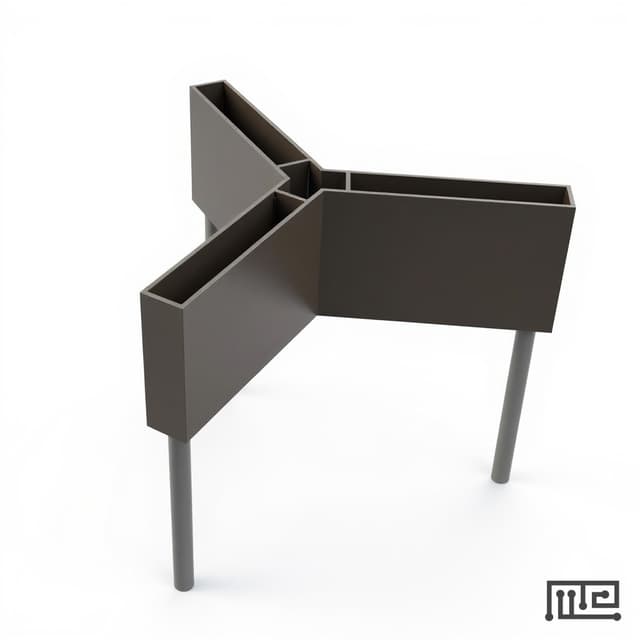
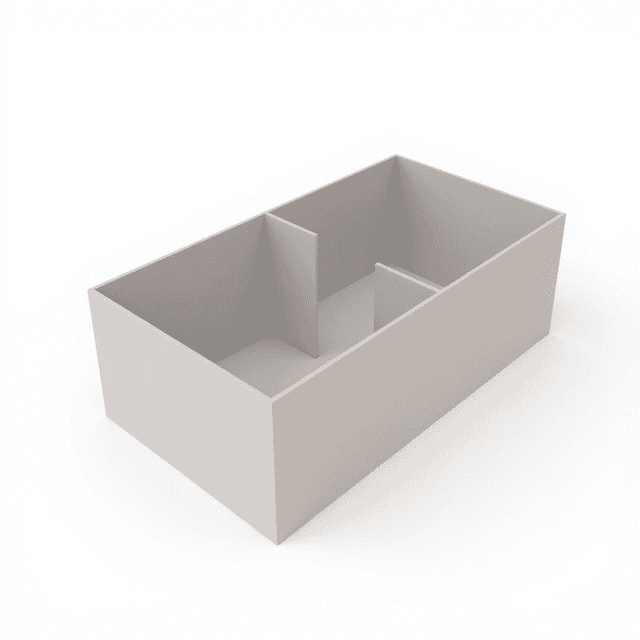
A smaller Y-maze variant (approximately half the size of a traditional Y-maze) with a single removable door, described by Pagnussat et al. Cost-effective apparatus for spontaneous alternation and short-term spatial memory assessment.
Protocol
Two trials (training and test) of 8 minutes each with 120-minute intertrial interval.
Specifications
| Arm Length | 18 cm |
| Arm Width | 6 cm |
| Wall Height | 6 cm |
| Arms | 3 |
| Door | Single removable |
Research identifiers
These IDs come from NCBI Taxonomy. Use them in data records and methods sections.
- Species
- Mouse
NCBITaxon:10090 - Rat
NCBITaxon:10116
- Mouse
Test and species
- Behavioral test
- Y-maze
- Species
- Mouse, Rat
Compatible Tracking Software
- ConductVision
| Model | SKU | Listed price | Status | Shipping box |
|---|---|---|---|---|
| Mouse | ME-controlled-y-maze-mouse | $995.00 | Available | Confirmed during quote |
| Rat | ME-controlled-y-maze-rat | $1,195.00 | Available | Confirmed during quote |
No Q&A yet. Have a question? Ask below.
Have a question about this product?
Research data
The Y-maze test in published research
1,988 animal research papers in PubMed from 2021 to 2025 mention the Y-maze test
2.9 times as many as the 684 papers from 2011 to 2015
These counts are for the test, whoever made the apparatus, not for this product.
The lists below cover 2021 to 2025, the years in the band.
Hover over a bar to see its year. Click or tap a bar to show only that year in the lists below, or drag across the bars to show a span of years. On a keyboard, use the arrow keys on the chart to read each year, and the menus below it to pick the years.
What the 1,988 papers from 2021 to 2025 mention
A paper can mention more than one species, test or condition, so the percentages can add up to more than 100%.
Species
- Mice 1,269 papers (64%)
- Rats 644 papers (32%)
This product comes in a mouse size and a rat size.
Conditions they study
- Cognitive impairment and dementia 961 papers (48%)
- Alzheimer disease 471 papers (24%)
- Anxiety 171 papers (9%)
Animal models and techniques they mention
- Scopolamine 153 papers (8%)
- Lipopolysaccharide (LPS) 117 papers (6%)
- Intracerebroventricular (ICV) injection 84 papers (4%)
Other tests they mention
- Novel object recognition 609 papers (31%)Shop novel object recognition apparatus
- Morris water maze 607 papers (31%)Shop Morris water maze apparatus
- Open field 285 papers (14%)Shop open field apparatus
To put a whole battery on one quote, open the test battery tool and start from the Y-maze test. Pick the other tests your study will run, then add the apparatus we sell for each.
Where the Y-maze test ranks
By papers from 2021 to 2025, the Y-maze test ranks eighth of the 90 tests we track.
What researchers measure in the Y-maze test
Of the 1,988 papers from 2021 to 2025, 254 name spontaneous alternation in the title or abstract, more than any other measure.
Next come time in the new arm (60 papers) and arm entries (14 papers).
ConductVision reports two of the three from video: spontaneous alternation and arm entries.
Papers per year for the 3 measures we trackHave a question? Just ask.
Send it over and we'll email you a personalized answer, with no call or scheduling.
Prefer to talk it through?