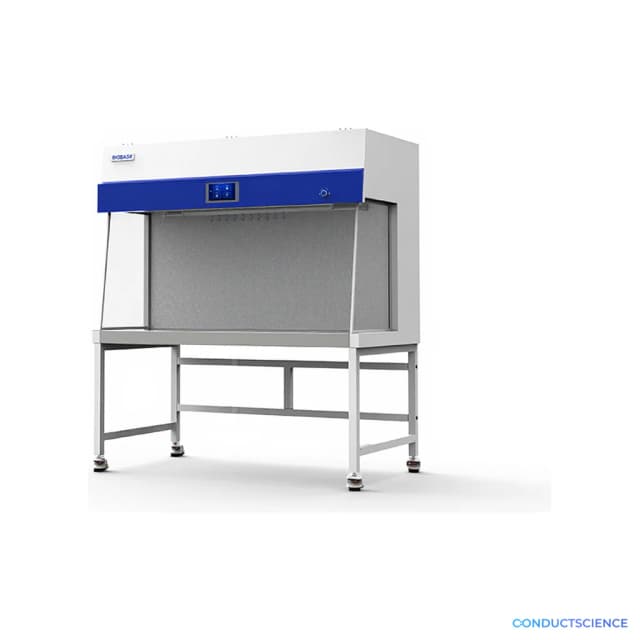
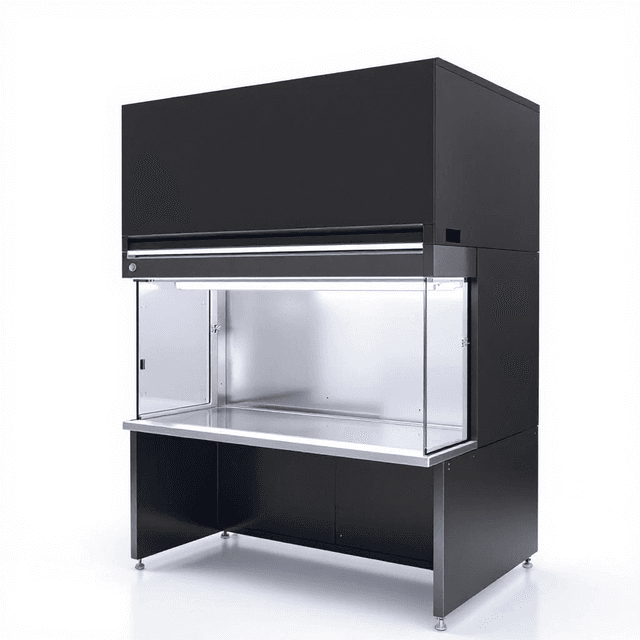
Cytotoxic Safety Cabinet 11224BBC86 11234BBC86 11244BBC86
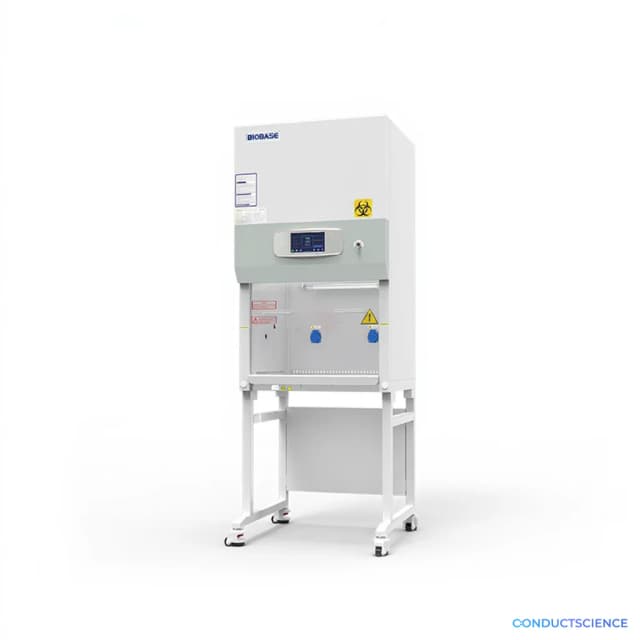
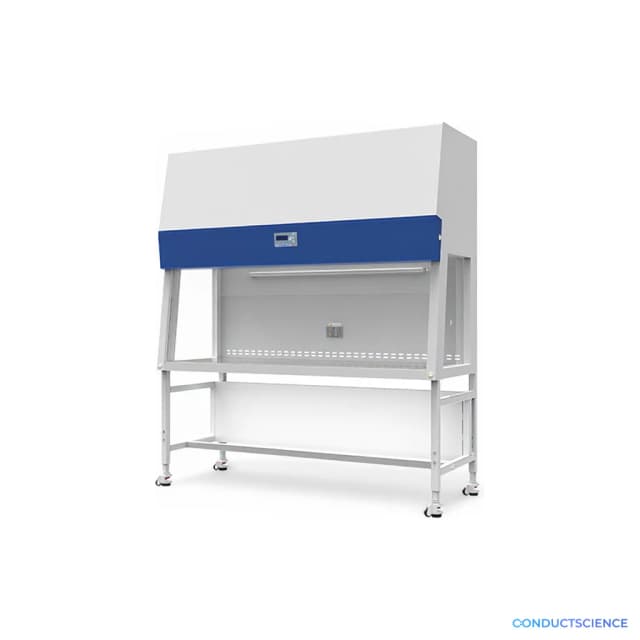
Class II Type B2 cytotoxic safety cabinet with ULPA filtration, available in three sizes, providing biological containment for handling hazardous materials with precise airflow control and comprehensive safety monitoring.

Louise Corscadden, PhD
Director of Science · ConductScience
Ask Louise about Cytotoxic Safety Cabinet 11224BBC86 11234BBC86 11244BBC86 fit, setup, configuration, or quote prep.
Already working with us? Sign in to connect this with My Scientist.
Key Specifications
Full details →- Model fit
- Configured during quote
- SKU family
- BIO-0008
- Shipping box
- 210.0 x 108.7 x 76.0 cm
- Ordering
- Online checkout and quote request available
- Category
- Clean Benches & Fume Hoods
- Build notes
- Confirm accessories, station layout, and support needs before purchase
The Cytotoxic Safety Cabinet 11224BBC86 series provides biological containment for handling cytotoxic materials, chemotherapeutic drugs, and hazardous biological agents. This Class II Type B2 biosafety cabinet utilizes ULPA filtration and controlled airflow patterns to protect both personnel and samples during hazardous substance manipulation. The cabinet features a safety-tested opening height of 200mm with maximum opening capability of 440mm for procedural flexibility.
Available in three sizes with internal working dimensions ranging from 910×600×630mm to 1700×600×630mm, accommodating various laboratory workflows and equipment configurations. The cabinet maintains precise inflow velocity of 0.53±0.025 m/s and downflow velocity of 0.33±0.025 m/s, with exhaust volumes from 347 to 648 m³/h depending on model size. Integrated alarm systems monitor airflow velocity, filter status, window height, and filter pressure to ensure continuous protective performance.
How It Works
The cytotoxic safety cabinet operates through engineered airflow patterns and high-efficiency filtration to provide biological containment. Room air enters through the front opening at a controlled inflow velocity of 0.53±0.025 m/s, creating a protective barrier that prevents hazardous materials from escaping the work zone. This inflow air mixes with recirculated air within the cabinet and is directed through ULPA filters with efficiency ratings for particles at 0.12 micrometers.
The cabinet maintains a downflow velocity of 0.33±0.025 m/s, creating a vertical air curtain that protects samples from contamination while containing hazardous aerosols generated during work procedures. All air is exhausted through the ULPA filtration system, removing particulates and biological contaminants before discharge. The Type B2 design ensures 100% exhaust of cabinet air, preventing recirculation of potentially hazardous materials back into the laboratory environment.
Continuous monitoring systems track airflow velocities, filter differential pressure, and sash position to ensure protective performance is maintained. Visual and audible alarms activate when parameters deviate from safe operating ranges, alerting users to potential containment failures that require immediate attention.
Features & Benefits
Automation Level
- manual
11234BBC86
- 11244BBC86
External Size(W*D*H)
- 1087*760*2100mm
1380*760*2100mm
- 1877*760*2100mm
Internal Size(W*D*H)
- 910*600*630mm
1220*600*630mm
- 1700*600*630mm
Tested Opening
- Safety height 200mm(8)
Max Opening
- 440mm(17)
Inflow Velocity
- 0.53±0.025m/s
Down Flow Velocity
- 0.33±0.025m/s
Exhaust Volume
- 347m³/h
465m³/h
- 648m³/h
Air Supply Filter
- ULPA filter, efficiency for particle size at 0.12μm
Alarm
- Abnormal airflow velocity, Filter replacement, Front window at unsafe height; High filter pressure a
Noise
- ≤67dB
Brand
- ConductScience
Research Domain
- Cancer Research
- Cell Biology
- Clinical Diagnostics
- Pharmaceutical QC
- Toxicology
Shipping weight
- 320.0 lb
Shipping box
- L: 210.0 cm
- W: 108.7 cm
- H: 76.0 cm
| Feature | This Product | Typical Alternative | Advantage |
|---|---|---|---|
| Filtration Efficiency | ULPA filtration with 0.12 micrometer efficiency | Standard models typically use HEPA filtration with 0.3 micrometer efficiency ratings | Superior submicron particle removal provides enhanced protection when handling cytotoxic materials that may generate fine aerosols |
| Airflow Precision | Dual velocity control: 0.53±0.025 m/s inflow, 0.33±0.025 m/s downflow | Entry-level models often have wider velocity tolerances with less precise control | Tight airflow control ensures consistent containment performance and regulatory compliance in critical applications |
| Size Options | Three internal sizes from 910×600×630mm to 1700×600×630mm | Many manufacturers offer limited size configurations | Multiple size options accommodate different laboratory layouts and procedural requirements without compromising performance |
| Monitoring Systems | Comprehensive alarms for airflow, filter pressure, sash height, and system status | Basic models may have limited monitoring with fewer alarm functions | Complete system monitoring ensures immediate detection of containment failures, critical for cytotoxic material safety |
| Sash Flexibility | Variable opening from 200mm safety height to 440mm maximum | Fixed sash heights or limited adjustment ranges are common | Adjustable access accommodates various procedural requirements while maintaining containment integrity |
| Noise Performance | ≤67 dB operation | Varies by model, with some units producing higher noise levels | Low noise operation reduces laboratory fatigue during extended procedures requiring cytotoxic containment |
This cytotoxic safety cabinet series combines ULPA filtration, precise airflow control, and comprehensive monitoring in three size configurations. The Type B2 design with 100% exhaust provides enhanced containment for volatile compounds while maintaining low noise operation and flexible sash access for varied procedural requirements.
Practical Tips
Perform airflow velocity verification quarterly using calibrated instruments at the specified grid pattern, testing both inflow and downflow velocities.
Why: Regular calibration ensures containment performance remains within specification limits for personnel and sample protection.
Monitor filter pressure differential weekly and replace ULPA filters when pressure exceeds manufacturer specifications or alarm activation occurs.
Why: Maintaining filter efficiency prevents containment failures and ensures consistent particle removal performance.
Allow 15-20 minutes warm-up time before beginning cytotoxic procedures to establish stable airflow patterns.
Why: Stable airflow prevents turbulence that could compromise containment during critical drug preparation procedures.
Maintain the sash at the 200mm safety height during active procedures and never exceed the 440mm maximum opening during containment operations.
Why: Proper sash positioning is critical for maintaining containment velocity and preventing exposure to hazardous materials.
If airflow alarms activate, immediately cease cytotoxic procedures and verify sash position, filter status, and exhaust system operation before resuming work.
Why: Prompt alarm response prevents exposure incidents and maintains laboratory safety protocols.
Document all airflow measurements, filter changes, and alarm events in a maintenance log for regulatory compliance and performance tracking.
Why: Proper documentation demonstrates due diligence for safety compliance and helps identify performance trends requiring attention.
Minimize air disruption by avoiding rapid movements and maintaining organized workspace layout within the cabinet interior.
Why: Reducing air turbulence maintains containment integrity and prevents cross-contamination of samples during procedures.
Clean interior surfaces with appropriate disinfectants compatible with cytotoxic residues, avoiding harsh chemicals that could damage cabinet components.
Why: Proper cleaning maintains sterile conditions while preventing damage to airflow sensors and interior surfaces.
Setup Guide
What’s in the Box
- Cytotoxic safety cabinet main unit
- ULPA air supply filter (pre-installed)
- Electrical connection hardware
- Installation manual and certification documentation
- Airflow velocity test ports and accessories (typical)
- Alarm system operation guide (typical)
- Preventive maintenance schedule (typical)
Warranty
ConductScience provides a standard one-year manufacturer warranty covering defects in materials and workmanship, with technical support for installation guidance and operational troubleshooting. Extended warranty options and on-site service contracts are available for comprehensive maintenance coverage.
Compliance
What is the difference between the three cabinet sizes and how do I select the appropriate model?
The series offers three sizes: 11224BBC86 (910×600×630mm internal), 11234BBC86 (1220×600×630mm internal), and 11244BBC86 (1700×600×630mm internal). Select based on your equipment footprint, procedure volume, and available laboratory space. All models maintain identical airflow performance and safety features.
How often do ULPA filters need replacement and what are the indicators?
Filter replacement frequency depends on usage intensity and material being handled, typically 12-24 months. The cabinet monitors filter pressure differential and alerts when replacement is needed. Consult product datasheet for specific pressure thresholds and maintenance intervals.
Can this cabinet handle volatile organic compounds in addition to biological hazards?
As a Type B2 cabinet with 100% exhaust capability, it can handle volatile compounds that would be problematic in recirculating biosafety cabinets. However, verify chemical compatibility and exhaust requirements with facility ventilation systems before use with specific solvents.
What airflow testing equipment is required for routine verification?
Airflow verification requires calibrated anemometers or electronic micromanometers capable of measuring velocities in the 0.3-0.6 m/s range with appropriate accuracy. Testing should follow NSF protocols for inflow and downflow velocity measurements at specified grid points.
How does the alarm system function and can it be integrated with laboratory monitoring systems?
The cabinet monitors airflow velocity deviations, filter pressure increases, and unsafe sash height positions with visual and audible alarms. Integration capabilities with building management systems depend on available communication interfaces - consult technical specifications for connectivity options.
What are the electrical and ventilation requirements for installation?
Electrical requirements vary by model size and should be confirmed during installation planning. The Type B2 design requires connection to building exhaust systems capable of handling the specified exhaust volumes (347-648 m³/h depending on model).
Can the cabinet accommodate standard laboratory equipment like microscopes or analytical balances?
The internal dimensions provide workspace for typical laboratory equipment, but verify specific instrument compatibility considering airflow patterns and electrical requirements. Equipment should not obstruct airflow grilles or interfere with containment performance.
What certification testing is required after installation?
Post-installation certification should include airflow velocity verification, filter integrity testing, containment testing, and alarm function verification. Testing protocols should follow NSF/ANSI 49 guidelines and local regulatory requirements for biological safety equipment.
Have a question about this product?
Have a question? Just ask.
Send it over and we'll email you a personalized answer — no call, no scheduling.
Prefer to talk it through?
Replacement Parts & Consumables