Rodent Dissection Kit
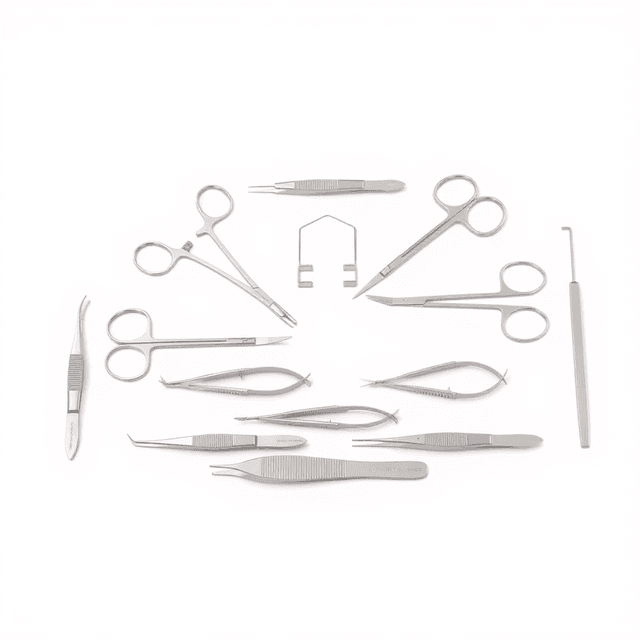
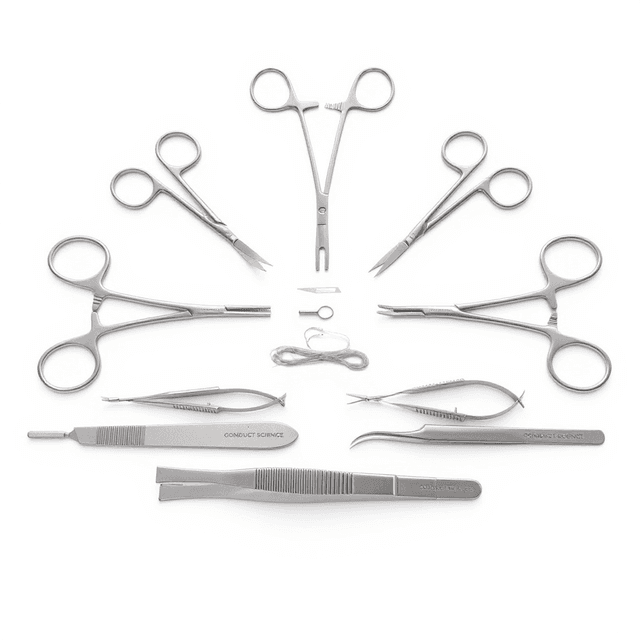
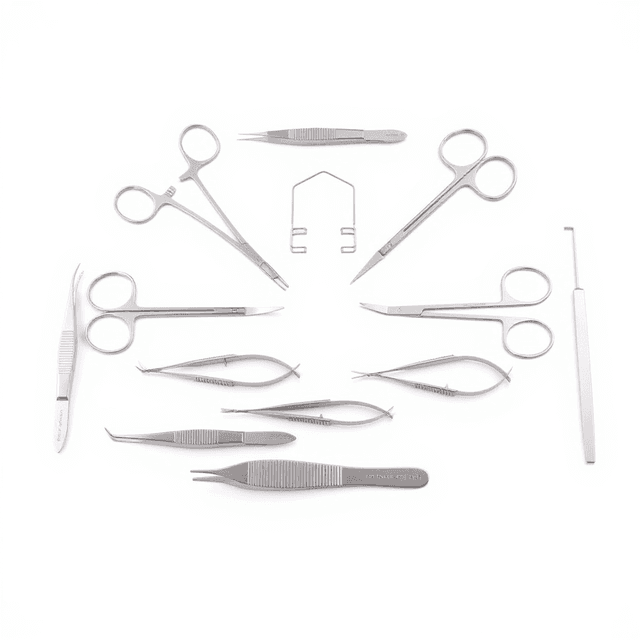
Comprehensive surgical instrument set containing precision scissors, forceps, scalpels, and specialized tools for mouse and rat dissection procedures.
| co2_flow_rate | 20-30% of chamber volume per minute |
| recommended_anesthetic_agents | Enflurane, isoflurane, sevoflurane, methoxyflurane, desflurane with or without nitrous oxide |
| euthanasia_methods | Cervical dislocation, CO2 inhalation, overdose of inhalant anesthetic agents |
| cervical_dislocation_size_limit | Small-sized rodents (mice and small rats) |
| Automation Level | manual |
The Rodent Dissection Kit provides a comprehensive collection of precision surgical instruments specifically designed for small animal research procedures. This kit includes specialized scissors, forceps, scalpels, and accessory tools engineered for the anatomical requirements of mouse and rat dissection protocols.
Each instrument features surgical-grade stainless steel construction with precision-ground cutting surfaces optimized for different tissue types and dissection techniques. The kit supports both gross anatomical dissection and fine microsurgical procedures commonly required in neuroscience, pharmacology, and toxicology research protocols.
How It Works
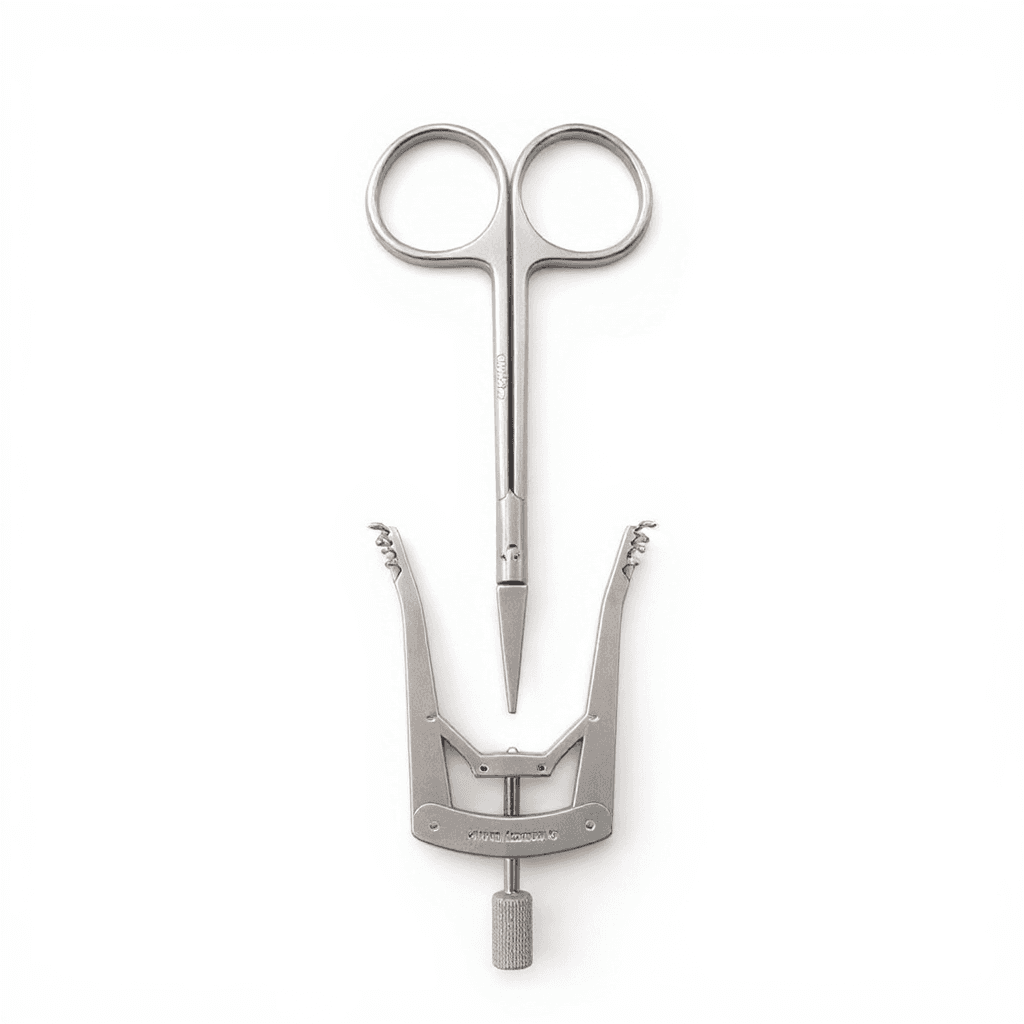
The surgical instruments in this kit operate on precision mechanical principles designed for small animal anatomy. The fine scissors utilize sharp, narrow blades with different tip configurations (straight, curved, round, flat) to accommodate various tissue types and anatomical locations. Iris scissors provide delicate cutting action for superficial tissues, while Stevens scissors offer enhanced leverage for deeper dissection.
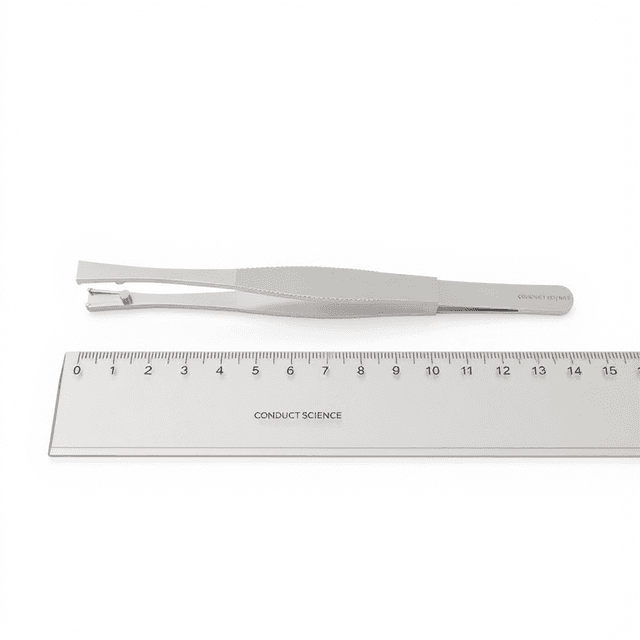
Forceps components feature precision-machined tips with controlled grip surfaces to manipulate tissues without crushing. The mosquito forceps provide hemostatic clamping action, while tissue forceps with 1x2 teeth configurations secure tissues during cutting procedures. The needle holder incorporates integrated scissors functionality for suturing applications.
Retractors and clamps provide tissue positioning and vascular occlusion capabilities essential for maintaining surgical field visualization during complex dissection procedures.
Features & Benefits
co2_flow_rate
- 20-30% of chamber volume per minute
recommended_anesthetic_agents
- Enflurane, isoflurane, sevoflurane, methoxyflurane, desflurane with or without nitrous oxide
euthanasia_methods
- Cervical dislocation, CO2 inhalation, overdose of inhalant anesthetic agents
cervical_dislocation_size_limit
- Small-sized rodents (mice and small rats)
Automation Level
- manual
Research Domain
- Behavioral Pharmacology
- Cancer Research
- Cardiovascular
- Cell Biology
- Histopathology
- Neuroscience
- Toxicology
Species
- Combined (Mouse & Rat)
- Mouse
- Rat
Weight
- 0.49 lbs
Dimensions
- L: 5.51 in
- W: 1.57 in
- H: 1.1 in
Comparison Guide
| Feature | This Product | Typical Alternative | Advantage |
|---|---|---|---|
| Instrument Quantity | 17 specialized instruments including multiple scissor and forceps configurations | Basic kits often include 5-8 standard instruments | Comprehensive selection reduces need for additional instrument purchases and supports diverse procedural requirements |
| Scissor Tip Configurations | Round and flat tip designs in both straight and curved configurations | Standard kits typically include only straight scissors with basic tips | Multiple tip geometries accommodate different anatomical structures and improve surgical access |
| Forceps Variety | Five different forceps including dissecting, mosquito, tissue, and needle holder types | Entry-level kits often include 1-2 basic forceps | Specialized forceps optimize tissue handling for different surgical phases and reduce tissue trauma |
| Micro Clamp System | Includes micro clamps with dedicated applicator for precise vascular control | Most basic dissection kits lack hemostatic clamps | Enables precise vascular control essential for survival surgery and complex anatomical work |
| Integrated Measurement | Scalpel handle includes ruler markings for precise measurements | Standard handles lack measurement capabilities | Facilitates consistent incision lengths and measurements without additional tools |
| Complete Suturing Capability | Includes needle holder, sutures, and needles for wound closure | Basic kits rarely include suturing materials | Supports complete survival surgery protocols without requiring separate suture purchases |
This kit provides comprehensive surgical instrumentation with specialized components for both basic dissection and advanced microsurgical procedures. The combination of multiple cutting geometries, hemostatic control options, and complete suturing capability distinguishes it from standard dissection sets that focus on basic cutting and grasping functions.
Practical Tips
Select scissors based on tissue depth and anatomical access requirements, using round-tip designs for superficial work and flat-tip for deeper structures.
Why: Appropriate tool selection reduces tissue damage and improves dissection precision.
Clean instruments immediately after use and oil scissor pivots monthly to prevent corrosion and maintain smooth operation.
Why: Regular maintenance extends instrument life and maintains cutting performance.
Always mount and dismount scalpel blades using appropriate technique with forceps or blade removal tools, never by hand.
Why: Proper blade handling prevents laceration injuries during instrument preparation.
Verify scissor cutting action and forceps alignment before each use, checking for smooth operation and proper tip meeting.
Why: Pre-use inspection identifies potential instrument problems that could compromise surgical precision.
Arrange instruments systematically on sterile drape in order of anticipated use to maintain surgical flow and sterility.
Why: Organized instrument layout reduces procedure time and minimizes sterile field contamination.
If scissors begin dragging or catching during cutting, inspect for tissue buildup on blades and clean thoroughly before continuing.
Why: Tissue accumulation on cutting surfaces reduces precision and may transfer contaminants between samples.
Document which instruments were used for specific dissection steps to ensure consistency across experimental replicates.
Why: Standardized instrument use reduces technical variation in tissue collection procedures.
Use micro clamps for temporary vessel occlusion rather than crushing with forceps to preserve tissue architecture.
Why: Non-crushing clamps maintain tissue viability for physiological studies and reduce histological artifacts.
Setup Guide
What’s in the Box
- IRIS Fine Scissors - Round Type, Straight (9cm)
- IRIS Fine Scissors - Round Type, Curved (9.5cm)
- STEVENS Fine Dissecting Scissors - Flat Type, Straight (11.5cm)
- STEVENS Fine Dissecting Scissors - Flat Type, Curved (11.5cm)
- SPENCER Ligature Scissors (9cm)
- Scalpel Handle with Ruler, #3 (12.5cm)
- #15 Scalpel Blades (100 pieces)
- IRIS Dissecting Forceps - Straight (10cm)
- IRIS Dissecting Forceps - Curved (10cm)
- HARTMAN Mosquito Forceps - Straight (10.5cm)
- HARTMAN Mosquito Forceps - Curved (10cm)
- IRIS 1x2 Teeth Tissue Forceps (10.5cm)
- OLSEN-HEGAR Needle Holders with Scissors (12cm)
- Absorbable PGA Sutures with Needles, 5-0 (50 pieces)
- 3x3 Teeth Retractors (5cm)
- SS Micro Clamps (16mm)
- Spinal Cord Hook (12cm)
- Clip Applicator for Micro Clamps (14cm)
Warranty
ConductScience provides a one-year manufacturer warranty covering defects in materials and workmanship, with technical support for proper instrument use and maintenance procedures.
Compliance
What sterilization methods are compatible with these instruments?
All instruments are manufactured from surgical-grade stainless steel and are compatible with standard autoclave sterilization at 121°C for 15 minutes. Chemical sterilization using glutaraldehyde or other hospital-grade disinfectants is also appropriate.
Which scissors should be used for different tissue types?
IRIS fine scissors with round tips are optimal for delicate surface tissues, while STEVENS flat-type scissors provide enhanced cutting power for deeper, tougher tissues. Curved scissors facilitate access to anatomical structures with limited visibility.
How do the micro clamps function for vascular control?
The stainless steel micro clamps provide temporary vessel occlusion through controlled pressure application. The dedicated clip applicator ensures precise placement and reduces tissue trauma compared to manual forceps application.
What is the appropriate size range for cervical dislocation procedures?
Cervical dislocation is recommended for small-sized rodents including mice and small rats. Larger rats may require alternative euthanasia methods such as CO2 inhalation or anesthetic overdose as specified in the product guidelines.
Are replacement components available separately?
Consumable items such as scalpel blades and suture materials can be reordered individually. Consult product datasheet for specific SKU numbers and compatibility information for replacement parts.
What magnification is recommended for microsurgical procedures?
For procedures utilizing the fine scissors and micro instruments, 2-4x magnification is typically sufficient for mouse dissection, while 4-8x may be beneficial for complex neuroanatomical work or vessel isolation.
How should instruments be maintained between uses?
Clean instruments immediately after use to prevent protein buildup on cutting surfaces. Oil scissor pivots periodically and inspect cutting edges for nicks or dulling that may require professional sharpening.
Have a question about this product?
Accessories
Enhance your setup with compatible accessories
Frequently Bought Together