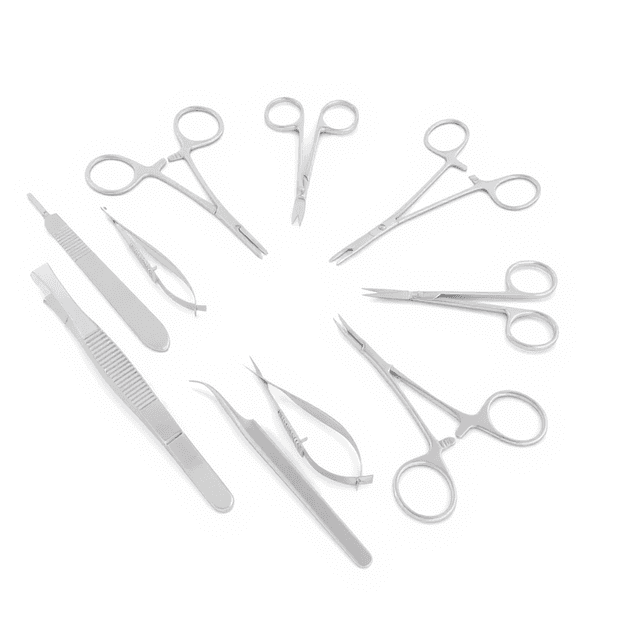
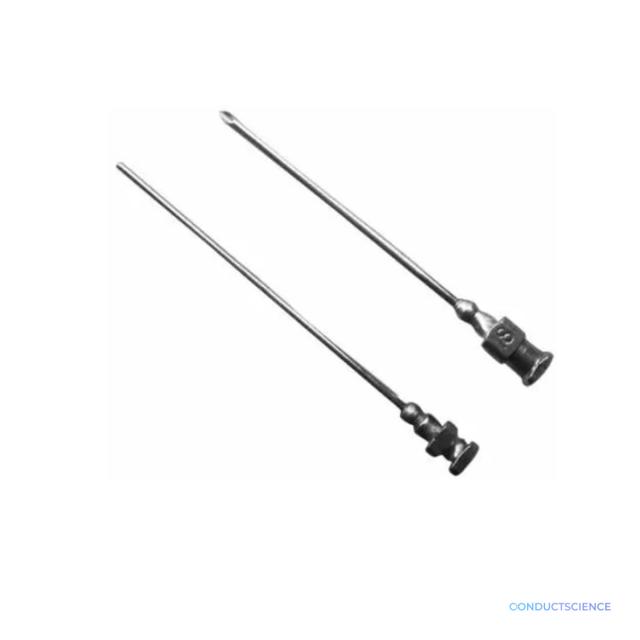
Blood Vessel Clamps_Clip Applicator
These clamps are crafted from high-quality stainless steel, providing superior durability and corrosion resistance.
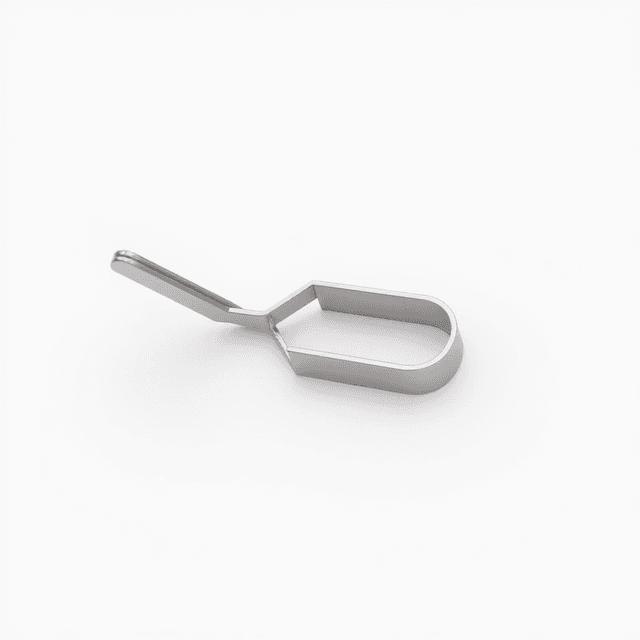
With a compact size of only a few centimeters, they are ideal for delicate projects and precision work where space is limited. The SS micro clamps feature a simple yet effective design, with a smooth surface and easy-to-use tightening mechanism that allows for secure and precise clamping. Whether you’re a hobbyist, a professional craftsman, or anyone in between, SS micro clamps are the perfect tool for your clamping needs. ConductScience offers Applicator for SS Micro Clamps.

Louise Corscadden, PhD
Director of Science · ConductScience
Ask Louise about Blood Vessel Clamps_Clip Applicator fit, setup, configuration, or quote prep.
Already working with us? Sign in to connect this with My Scientist.
Key Specifications
Full details →- Compatible Clips
- SS Microclamps
- Function
- Helps achieve hemostasis
- Automation Level
- Manual
- Species
- Hamster, Non-human Primate, Rabbit, Mouse, Rat, Guinea pig
- SKU family
- RWD-R34001-14
- Shipping box
- 34.0 × 39.0 × 33.0 cm
Helps achieve hemostasis.
Helps apply SS Microclamps.
How It Works
The clip applicator operates through mechanical compression of SS Microclamps around target blood vessels. The instrument's jaw mechanism transfers applied force through a lever system, ensuring consistent clamping pressure while minimizing tissue trauma. The applicator's design allows for precise positioning of clips at specific vessel locations.
Hemostasis is achieved through mechanical compression of the vessel wall, which collapses the lumen and prevents blood flow. The SS Microclamps provide sustained occlusive pressure, maintaining vessel closure throughout the experimental procedure. The stainless steel construction of the clips ensures biocompatibility and resistance to corrosion in physiological environments.
The applicator's ergonomic design enables single-handed operation when necessary, while the controlled release mechanism prevents premature clip deployment. This precision is critical in microsurgical applications where vessel diameter may be less than 1mm.
Features & Benefits
Compatible Clips
- SS Microclamps
Function
- Helps achieve hemostasis
Automation Level
- manual
Brand
- RWD
Research Domain
- Cancer Research
- Cardiovascular
- Developmental Biology
- Metabolic Research
- Neuroscience
- Toxicology
Species
- Hamster
- Non-human Primate
- Rabbit
- Mouse
- Rat
- Guinea pig
Shipping weight
- 8.27 lb
Shipping box
- L: 34.0 cm
- W: 39.0 cm
- H: 33.0 cm
| Feature | This Product | Typical Alternative | Advantage |
|---|---|---|---|
| Clip Compatibility | SS Microclamps specifically | May accommodate multiple clip types | Ensures consistent clip performance and reliable occlusive pressure. |
| Loading Mechanism | Single-clip loading system | Some models offer multi-clip magazines | Provides precise control over individual clip placement and timing. |
| Handle Design | Ergonomic grip configuration | Standard handle designs vary | Reduces operator fatigue during extended microsurgical procedures. |
| Deployment Control | Controlled release mechanism | Immediate release systems | Allows repositioning before final clip deployment to ensure optimal placement. |
This applicator offers specialized compatibility with SS Microclamps and controlled deployment mechanisms for precision vascular procedures. The ergonomic design supports extended surgical sessions while the single-action deployment enables rapid clip application when required.
Practical Tips
Test clip deployment force on practice material before each surgical session to ensure consistent applicator function.
Why: Mechanical wear can affect deployment characteristics over time.
Clean instrument thoroughly after each use, paying attention to the jaw mechanism and pivot points.
Why: Blood and tissue residue can cause binding and affect precision.
Load clips immediately before use to prevent accidental deployment during instrument handling.
Why: Pre-loaded applicators increase risk of unintended clip release.
Always verify complete hemostasis after clip application by observing cessation of distal blood flow.
Why: Incomplete vessel occlusion can lead to continued bleeding and experimental complications.
If clips do not deploy completely, check for tissue obstruction in the jaw mechanism.
Why: Incomplete deployment results in inadequate vessel occlusion.
Document clip placement locations and vessel diameters for protocol reproducibility.
Why: Consistent clip placement is critical for standardized experimental conditions.
Practice clip application techniques on cadaveric tissue before live animal procedures.
Why: Muscle memory development improves surgical efficiency and reduces procedure time.
Setup Guide
What’s in the Box
- Blood Vessel Clamps Clip Applicator (main instrument)
- User manual and care instructions
- Sterilization guidelines (typical)
- Storage case (typical)
Warranty
ConductScience provides a standard one-year manufacturer warranty covering defects in materials and workmanship, with technical support available for instrument operation and maintenance guidance.
Compliance
Datasheet
Specifications, models, materials, and operating envelopes
What vessel diameters can this applicator accommodate?
The applicator is designed for vessels compatible with SS Microclamps. Consult the product datasheet for specific diameter ranges, typically spanning small to medium vessels in laboratory animal models.
Can the clips be removed after application?
SS Microclamps are designed for secure vessel occlusion. Removal procedures depend on clip design and experimental requirements. Consult surgical protocols for appropriate removal techniques if temporary occlusion is intended.
How many clips can be applied in a single procedure?
Multiple clips can be applied as needed for the experimental protocol. Each clip requires individual loading and deployment with the applicator.
What sterilization methods are compatible?
The instrument supports standard autoclave sterilization. Follow institutional protocols for temperature, pressure, and cycle duration. Cold sterilization methods may also be suitable - consult care instructions.
Is the applicator reusable?
Yes, the applicator is designed for multiple use cycles with proper sterilization between procedures. Regular inspection for wear and proper function is recommended.
What force is required for clip deployment?
Deployment force varies with vessel size and tissue characteristics. The applicator is designed to provide adequate force for complete clip closure. Consult product specifications for force requirements.
Are replacement parts available?
Contact ConductScience technical support for information on replacement parts and service options for the applicator mechanism.
Have a question about this product?
Research data
Behavioral tests with MCAO and carotid artery occlusion
492 animal research papers in PubMed from 2021 to 2025 mention MCAO and a behavioral test
264 papers from 2021 to 2025 mention carotid artery occlusion and a behavioral test
These counts are for the animal models, whoever made the equipment, not for this product.
Hover over or tap a bar to show that year's counts above the chart. On a keyboard, tab to the chart and use the arrow keys to move between years.
What the 492 papers on MCAO from 2021 to 2025 mention
A paper can mention more than one species, test or condition, so the percentages can add up to more than 100%.
Species
- Mice 173 papers (35%)
- Rats 331 papers (67%)
Conditions they study
- Stroke and brain ischemia 476 papers (97%)
- Cognitive impairment and dementia 82 papers (17%)
- Brain injury 37 papers (8%)
Behavioral tests they mention
- Morris water maze 147 papers (30%)Shop Morris water maze apparatus
- Rotarod 111 papers (23%)Shop rotarod apparatus
- Open field 75 papers (15%)Shop open field apparatus
Have a question? Just ask.
Send it over and we'll email you a personalized answer, with no call or scheduling.
Prefer to talk it through?
Accessories
Enhance your setup with compatible accessories
Frequently Bought Together
Upgrade Options