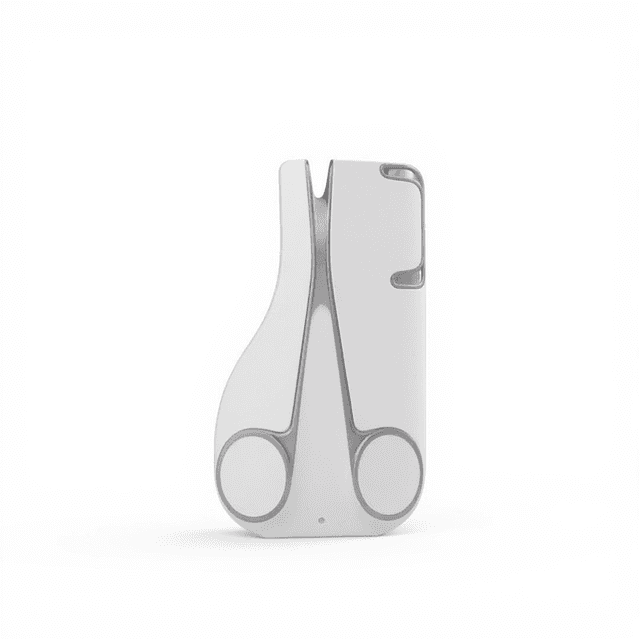
Stereotaxic Surgery Kit
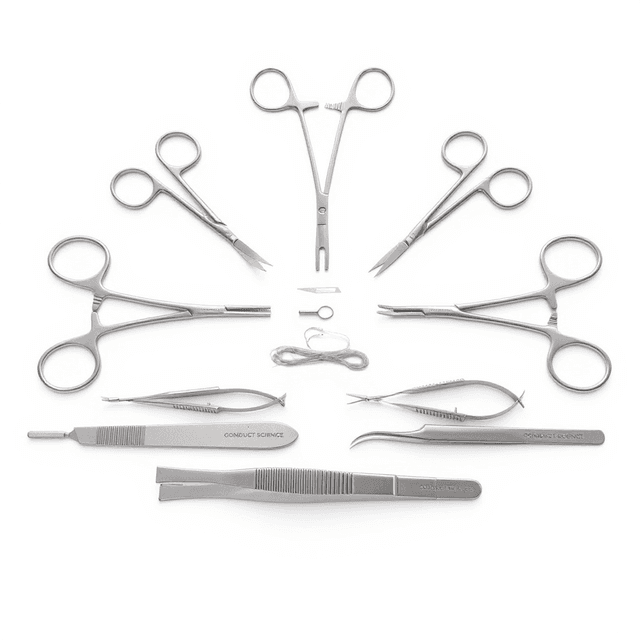
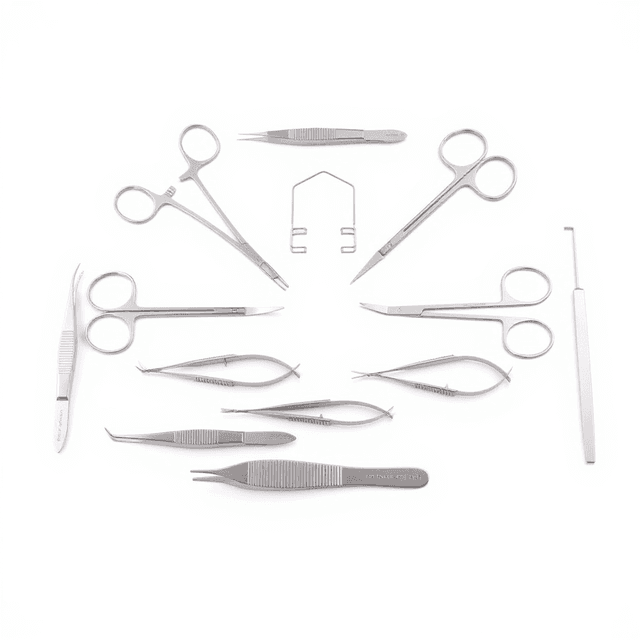
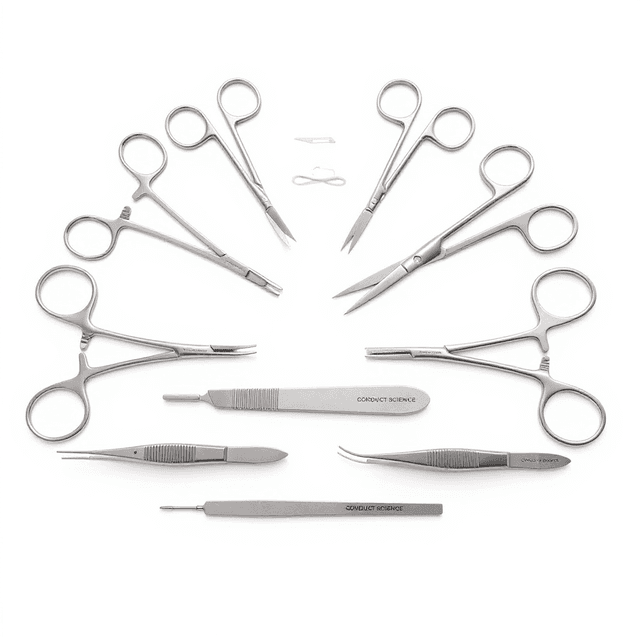
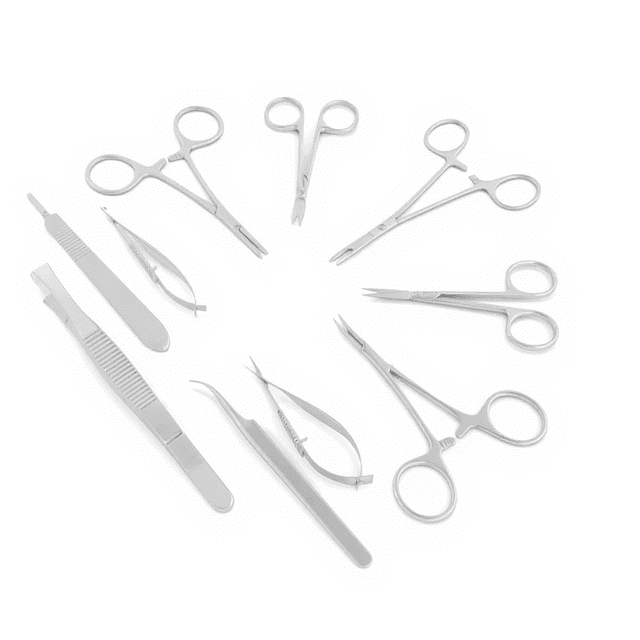
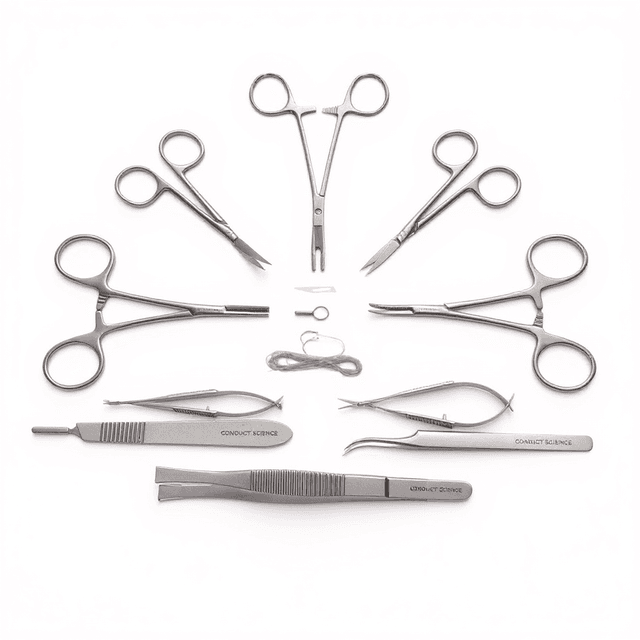
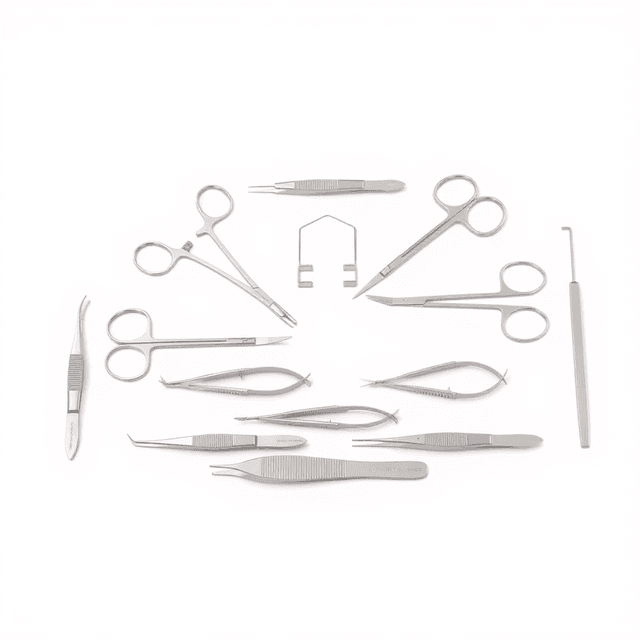
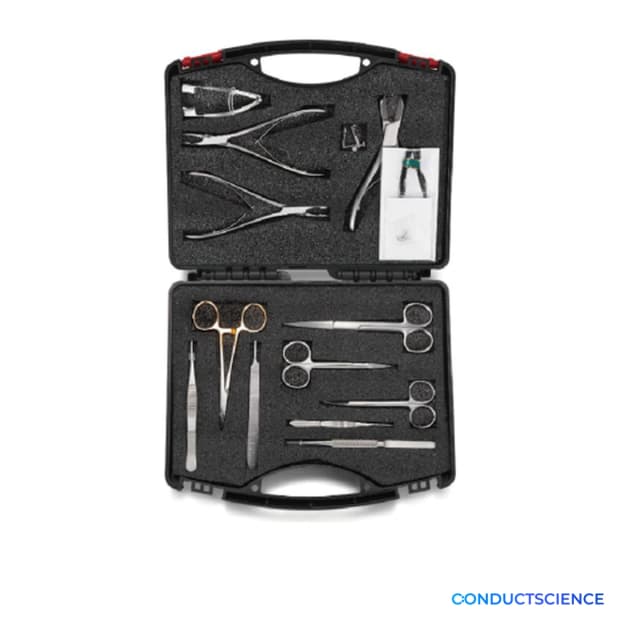
Choose a mouse or rat instrument kit for brain microinjection procedures, with scissors, forceps, scalpels, a micro spatula and sutures.

Louise Corscadden, PhD
Director of Science · ConductScience
Ask Louise about Stereotaxic Surgery Kit fit, setup, configuration, or quote prep.
Already working with us? Sign in to connect this with My Scientist.
Key Specifications
Full details →- Model fit
- Mouse, Rat
- SKU family
- RWD-SP0005-M/SP0005-R
- Shipping box
- 34.0 x 39.0 x 33.0 cm
- Ordering
- Online checkout and quote request available
- Category
- Surgical Instruments
- Build notes
- Confirm accessories, station layout, and support needs before purchase
Check the included instrument sizes and quantities under Setup & Support.
Automation Level
- manual
Research Domain
- Addiction Research
- Behavioral Pharmacology
- Learning and Memory
- Neurodegeneration
- Neuroscience
- Pain Research
Brand
- RWD
Shipping weight
- 4.41 lb
Shipping box
- L: 34.0 cm
- W: 39.0 cm
- H: 33.0 cm
| Model | SKU | Listed price | Status | Shipping box |
|---|---|---|---|---|
| Rat | RWD-SP0005-R | $693.00 | Available | 34.0 x 39.0 x 33.0 cm |
| Mouse | RWD-SP0005-M | $693.00 | Available | 34.0 x 39.0 x 33.0 cm |
Practical Tips
Organize instruments in order of use on sterile tray before beginning surgery to maintain efficient workflow and sterile field.
Why: Reduces surgery time and minimizes contamination risk during instrument retrieval.
Clean instruments immediately after use with enzymatic detergent to prevent blood and tissue adhesion.
Why: Maintains instrument function and prevents corrosion that can compromise surgical precision.
Use needle holders when manipulating sharp instruments and dispose of used scalpel blades in appropriate sharps containers.
Why: Prevents accidental injury and ensures proper biological waste disposal compliance.
Select straight forceps for surface work and curved forceps for deep tissue access based on surgical approach angle.
Why: Optimizes instrument ergonomics and reduces tissue trauma during manipulation.
Inspect instrument tips regularly for damage or dulling and replace when sharpness decreases.
Why: Maintains surgical precision and prevents excessive tissue trauma from damaged instruments.
Verify scalpel handle ruler markings against known standards before critical measurement applications.
Why: Ensures measurement accuracy for precise stereotaxic coordinate verification.
If mosquito forceps lose hemostatic grip, check for blood buildup on serrated surfaces and clean thoroughly.
Why: Maintains effective bleeding control during surgery and prevents incomplete hemostasis.
Document instrument condition and any replacements in surgical logs to maintain experimental consistency.
Why: Enables identification of potential variables affecting surgical outcomes across experimental groups.
Setup Guide
What’s in the Box
Included instruments by species
| Instrument | Mouse kit quantity | Rat kit quantity |
|---|---|---|
| No. 3 solid scalpel handle with ruler, 12.5 cm | 1 | 1 |
| No. 11 scalpel blades (100 blades per box) | 1 box | 1 box |
| IRIS-Fine Scissors; sharp/sharp, straight, 10.5 cm | 1 | 1 |
| IRIS-Fine Scissors; sharp/sharp, curved, 9 cm | 1 | Not included |
| Operating Scissors (Round Type); sharp/sharp, straight, 10.5 cm | 1 | Not included |
| IRIS Dissecting Forceps, straight, Tip width 1 mm, 10 cm | 2 | Not included |
| IRIS Dissecting Forceps, slightly curved, Tip width 1 mm, 10 cm | 2 | Not included |
| HARTMAN Mosquito Forceps, straight, 20 × 0.8 mm, 10.5 cm | 2 | Not included |
| OLSEN-HEGAR Needle Holders with Scissors, straight, 1.5 mm, 12 cm | 1 | 1 |
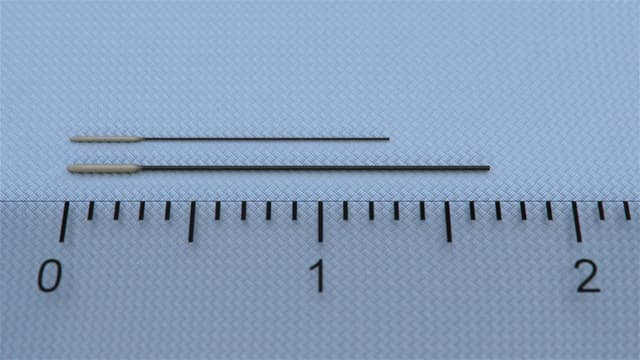
| 7-0 sutures with needles | Included | Included |
| HARTMAN Mosquito Forceps, curved/Tip width 1 mm, 10 cm | 2 | Not included |
| Double-ended micro spatula, curved, tip width 2 mm, tip thickness 0.3 mm, length 11 cm | 1 | 1 |
| Instrument Storage Portfolio | 1 | 1 |
| IRIS-Fine Scissors; sharp/sharp, curved, 10.5 cm | Not included | 1 |
| Dressing Forceps, straight, Tip width 1.8 mm, 10.5 cm | Not included | 2 |
| Dressing Forceps, curved, Tip width 1.9 mm, 10.5 cm | Not included | 2 |
| HALSTED Mosquito Forceps, straight, 1 mm, 12.5 cm | Not included | 2 |
| HALSTED Mosquito Forceps, curved, 1 mm, 12.5 cm | Not included | 2 |
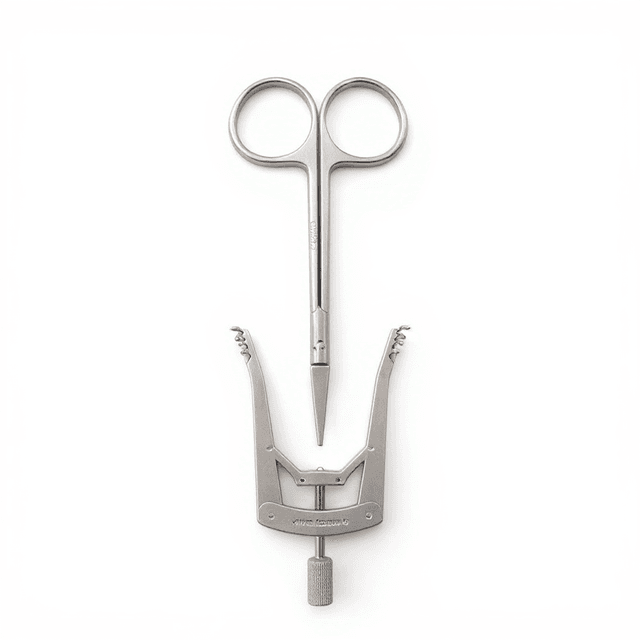
| Operating Scissors (Round Type); sharp/sharp, straight, 12.5 cm | Not included | 1 |
| ALM 4x4 Teeth Retractors-Blunt, 65 mm Spread, 7.5 cm | Not included | 1 |
Your quote will confirm the quantity and packaging of the included sutures.
Warranty
ConductScience provides a one-year manufacturer warranty covering defects in materials and workmanship, with technical support available for proper instrument care and maintenance protocols.
Compliance
References
Background reading relevant to this product:
Where can I check the included instruments?
Setup & Support lists each instrument and its quantity. For mouse and rat options, use the quantity column for your selected species.
How are the instruments stored?
The kit includes an instrument storage portfolio.
Have a question about this product?
Have a question? Just ask.
Send it over and we'll email you a personalized answer — no call, no scheduling.
Prefer to talk it through?
Accessories
Enhance your setup with compatible accessories
Upgrade Options