
1 / 3
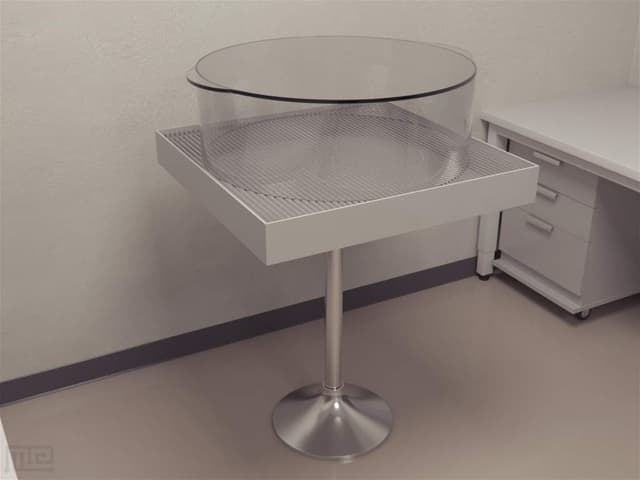
Forced Swim Tail Suspension Combination
SKU CS-958238
$1,890.00
IncludesStandard care
Combination apparatus for conducting forced swim and tail suspension tests to assess depression-like behavior and antidepressant efficacy in rodent models.
CE MarkedBAA available
Scientist guidance

Louise Corscadden, PhD
Director of Science · ConductScience
Ask Louise about Forced Swim Tail Suspension Combination fit, setup, configuration, or quote prep.
Already working with us? Sign in to connect this with My Scientist.
Key Specifications
Full details →- Model fit
- Mouse, Rat
- SKU family
- CS-958238
- Shipping box
- 65.0 x 36.0 x 27.0 cm
- Ordering
- Online checkout and quote request available
- Category
- Anxiety & Depression Tests
- Build notes
- Confirm accessories, station layout, and support needs before purchase
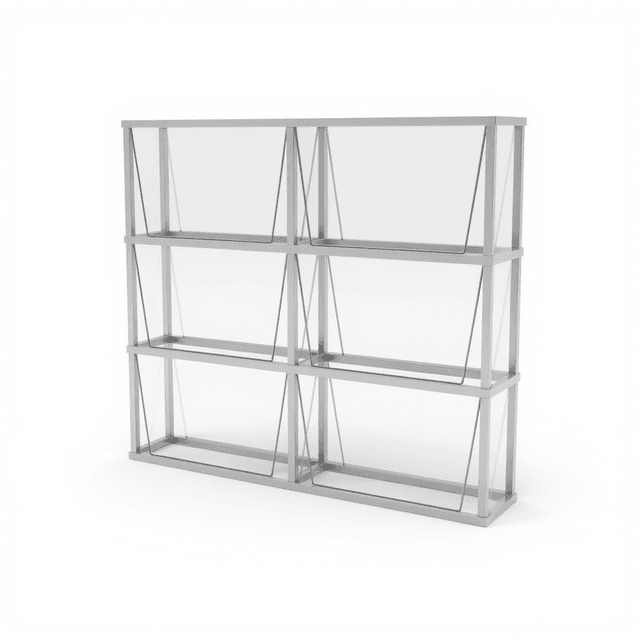
The Forced Swim Tail Suspension Combination integrates two established paradigms for assessing depression-like behavior and antidepressant efficacy in rodent models. This apparatus enables researchers to conduct both forced swim tests (FST) and tail suspension tests (TST) using a single system, providing comprehensive behavioral phenotyping capabilities for neuropsychiatric research.
The system supports standardized protocols for evaluating immobility behavior, a validated measure of behavioral despair that correlates with depressive states in animal models. Both paradigms are widely used in preclinical screening of antidepressant compounds and in basic research investigating the neurobiology of depression and stress-related disorders.
How It Works
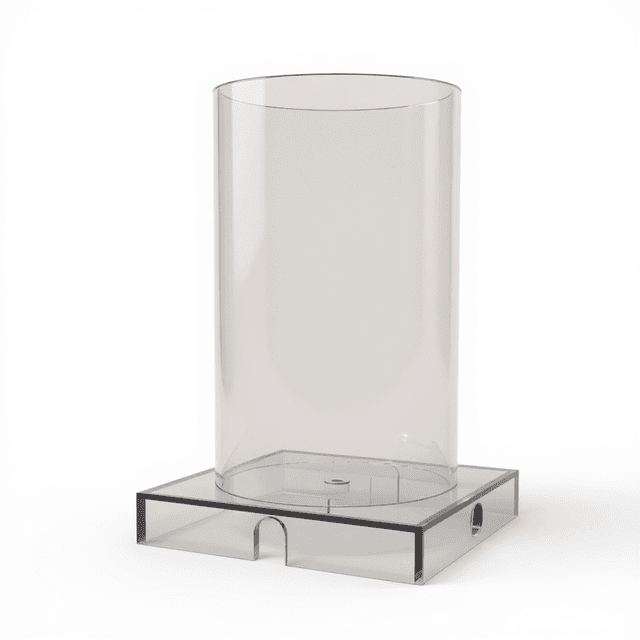
The forced swim component operates on the principle of behavioral despair, where rodents placed in an inescapable water-filled cylinder initially exhibit vigorous swimming and climbing behaviors before transitioning to passive floating or immobility. This behavioral shift represents a learned helplessness response that models aspects of human depression.
The tail suspension component suspends animals by their tails, creating an inescapable stressful situation. Animals initially exhibit active escape behaviors including climbing and struggling movements, followed by periods of immobility. The duration of immobility in both paradigms serves as the primary dependent variable, with increased immobility interpreted as depression-like behavior.
Both tests capitalize on the natural behavioral response of animals to acute inescapable stress, with the immobility response representing an adaptive mechanism to conserve energy when escape is impossible. Antidepressant treatments typically reduce immobility time, making these assays valuable for drug screening and mechanistic studies.
Features & Benefits
Dual-paradigm design
Enables comprehensive assessment of depression-like behavior using two validated methodologies within a single experimental session
Standardized test chambers
Provides consistent experimental conditions that support reproducible behavioral measurements across studies and laboratories
Video-compatible design
Accommodates automated behavioral tracking systems for objective quantification of immobility and movement patterns
Temperature-controlled environment
Maintains optimal water temperature for forced swim tests to ensure physiological stress responses without hypothermic confounds
Adjustable suspension system
Accommodates different rodent sizes and weights while maintaining standardized positioning for tail suspension protocols
Easy-clean construction
Facilitates rapid turnaround between test subjects while maintaining hygienic conditions and eliminating olfactory cues
Transparent chambers
Provides clear visualization of animal behavior for accurate manual scoring and video analysis systems
Behavioral Construct
- Depression
- Behavioral Despair
- Learned Helplessness
- Stress Response
- Antidepressant Efficacy
Automation Level
- semi-automated
Research Domain
- Addiction Research
- Anxiety and Depression
- Behavioral Pharmacology
- Learning and Memory
- Neurodegeneration
- Neuroscience
Species
- Mouse
- Rat
Compatible Tracking Software
- ConductVision
Shipping weight
- 6.06 lb
Shipping box
- L: 65.0 cm
- W: 36.0 cm
- H: 27.0 cm
| Feature | This Product | Typical Alternative | Advantage |
|---|---|---|---|
| Testing Paradigms | Combines both forced swim and tail suspension tests in single system | Most systems offer only single-paradigm testing | Enables comprehensive behavioral phenotyping with reduced animal usage and improved experimental efficiency. |
| Species Compatibility | Accommodates both mice and rats with adjustable components | Many systems are species-specific | Provides flexibility for multi-species studies and laboratory standardization across different research models. |
| Integration Capability | Designed for video tracking and automated analysis compatibility | Basic systems often require manual scoring only | Supports objective behavioral quantification and reduces observer bias in data collection. |
| Environmental Control | Includes temperature monitoring and control features | Entry-level systems may lack environmental controls | Ensures consistent testing conditions and reliable behavioral responses across experimental sessions. |
This combination system provides comprehensive depression-like behavior assessment through dual-paradigm testing capabilities. The integrated design supports both manual and automated behavioral analysis while accommodating multiple rodent species in a single platform.
Behavioral Pharmacology
Screening potential antidepressant compounds by measuring immobility time in both forced swim and tail suspension paradigms to assess behavioral despair responses.
Neuroscience
Investigating neurobiological mechanisms of depression by comparing behavioral outcomes between different genetic mouse models or following experimental manipulations.
Anxiety and Depression
Characterizing depression-like phenotypes in transgenic animal models or following chronic stress exposure protocols in preclinical research.
Neurodegeneration
Evaluating mood-related behavioral changes in models of neurodegenerative diseases where depression is a comorbid condition.
Learning and Memory
Assessing the relationship between stress-induced behavioral changes and cognitive performance in integrated behavioral test batteries.
Addiction Research
Examining depression-like behaviors associated with withdrawal from drugs of abuse or during addiction treatment paradigms.
Practical Tips
Calibration
Verify water temperature accuracy using a calibrated thermometer before each testing session and maintain temperature logs.
Why: Temperature variations can significantly affect animal behavior and stress responses in forced swim tests.
Maintenance
Replace water between each animal and thoroughly clean all surfaces with appropriate disinfectants to eliminate olfactory cues.
Why: Contamination from previous subjects can alter behavioral responses and confound experimental results.
Best Practices
Acclimate animals to handling and the testing environment for at least one week before experimental sessions.
Why: Reduced stress from handling improves behavioral consistency and reduces variability in immobility measurements.
Troubleshooting
If animals show excessive or insufficient baseline immobility, verify environmental conditions, animal health status, and strain-specific characteristics.
Why: Baseline behavioral abnormalities can indicate systematic issues that compromise data interpretation and reproducibility.
Data Quality
Use multiple observers for behavioral scoring or validate automated tracking against manual scoring to ensure measurement accuracy.
Why: Observer bias and automated system limitations can introduce systematic errors in immobility time measurements.
Safety
Monitor animals continuously during testing and establish clear endpoint criteria for early termination if distress is observed.
Why: Ethical considerations require minimizing animal distress while maintaining scientific validity of behavioral measurements.
Best Practices
Counterbalance test order and time of day across experimental groups to control for systematic effects.
Why: Circadian rhythms and testing sequence can influence behavioral responses and introduce confounding variables.
Setup Guide
System Assembly
Assemble the apparatus according to manufacturer specifications, ensuring both forced swim chamber and tail suspension components are properly secured and positioned.
Environmental Setup
Position the system in a quiet testing room with controlled lighting and temperature conditions to minimize external stressors that could confound behavioral measurements.
Water Temperature Calibration
For forced swim tests, fill the cylinder with water maintained at 25°C ± 1°C and verify temperature stability using a calibrated thermometer.
Recording System Configuration
Set up video recording equipment or automated tracking system to capture and analyze animal behavior throughout the test session.
Protocol Validation
Conduct pilot testing with control animals to establish baseline immobility times and verify consistent behavioral responses across test sessions.
Cleaning Protocol
Establish thorough cleaning procedures between animals using appropriate disinfectants to prevent cross-contamination and eliminate olfactory cues.
Data Collection Setup
Configure timing systems and behavioral scoring protocols to accurately measure immobility duration and movement patterns during test sessions.
What’s in the Box
- Forced swim chamber with drainage system (typical)
- Tail suspension apparatus with adjustable mounting (typical)
- Temperature monitoring equipment (typical)
- Assembly hardware and mounting components (typical)
- User manual with standard protocols (typical)
- Cleaning and maintenance instructions (typical)
Warranty
ConductScience provides a standard one-year manufacturer warranty covering defects in materials and workmanship, along with technical support for setup and protocol optimization.
Compliance
ARRIVE GuidelinesSupports standardized reporting of animal research through consistent behavioral testing protocols and environmental controls.
IACUC ProtocolsEnables implementation of approved animal use protocols with defined endpoints and humane experimental procedures.
Good Laboratory Practice (GLP)Facilitates regulatory-compliant preclinical studies through standardized equipment operation and data collection procedures.
Q
What are the standard test durations for forced swim and tail suspension protocols?
A
Typical protocols use 6-minute sessions with immobility scored during the final 4 minutes, allowing for initial habituation. Test duration should be validated for your specific research model and experimental conditions.
Q
How should animals be prepared before testing to ensure reliable behavioral responses?
A
Animals should be acclimated to the testing environment and handled regularly. Most protocols include a pre-exposure session 24 hours before testing. Avoid testing animals immediately after cage changes or during their active circadian phase.
Q
What constitutes immobility versus active behavior in these assays?
A
Immobility is defined as floating motionless or making only minimal movements necessary to keep the head above water (FST) or hanging passively with minimal limb movement (TST). Active behaviors include swimming, climbing, and vigorous escape attempts.
Q
Can both tests be conducted on the same animal within a single session?
A
While possible, most researchers use separate cohorts or separate testing days to avoid confounding effects. If using the same animals, counterbalance test order and allow adequate recovery time between paradigms.
Q
How do strain differences affect baseline immobility times?
A
Significant strain differences exist in baseline immobility. C57BL/6 mice typically show lower baseline immobility than BALB/c mice. Establish strain-specific baselines and use appropriate control groups for your research model.
Q
What environmental factors can influence test outcomes?
A
Room temperature, lighting conditions, noise levels, and time of day significantly affect behavior. Maintain consistent environmental conditions and test animals during their inactive phase for optimal results.
Q
How should data be analyzed and what statistical considerations apply?
A
Immobility time is typically analyzed using t-tests or ANOVA depending on experimental design. Consider non-parametric tests if data are not normally distributed. Account for sex differences and include appropriate power analyses.
Have a question about this product?
Track rodents with ConductVision
ConductVision is our video-tracking software. Record your sessions on video, and it scores standard rodent tests, such as those listed below.
Examples of tests it scores
To check whether ConductVision scores your protocol in this apparatus, ask in your quote request.
Ask a question
Have a question? Just ask.
Send it over and we'll email you a personalized answer — no call, no scheduling.
Personalized email reply
Usually within one business day
Helpful answers published here
Prefer to talk it through?
Accessories
Enhance your setup with compatible accessories
Total: $0.00
Frequently Bought Together
Total: $2,380.00


Forced Swim Tail Suspension Combination
$1,890.00
Added to quoteView Quote