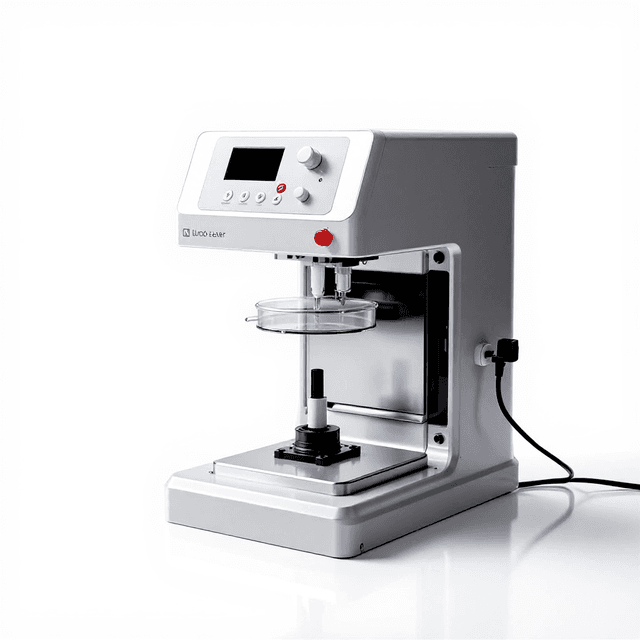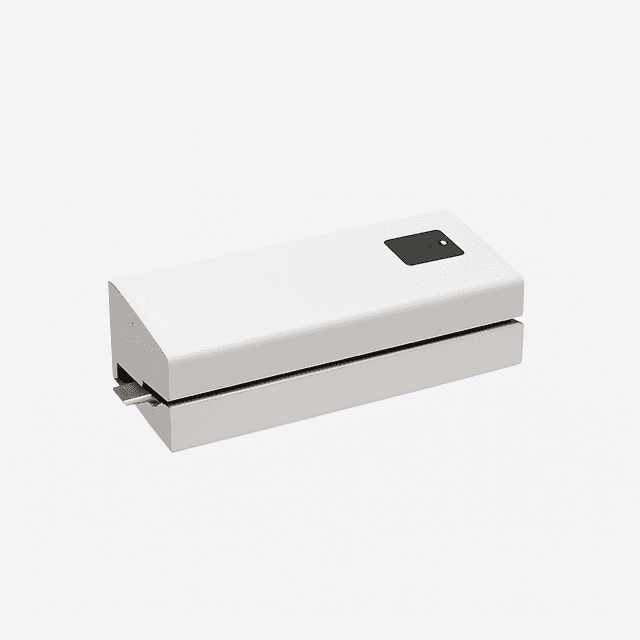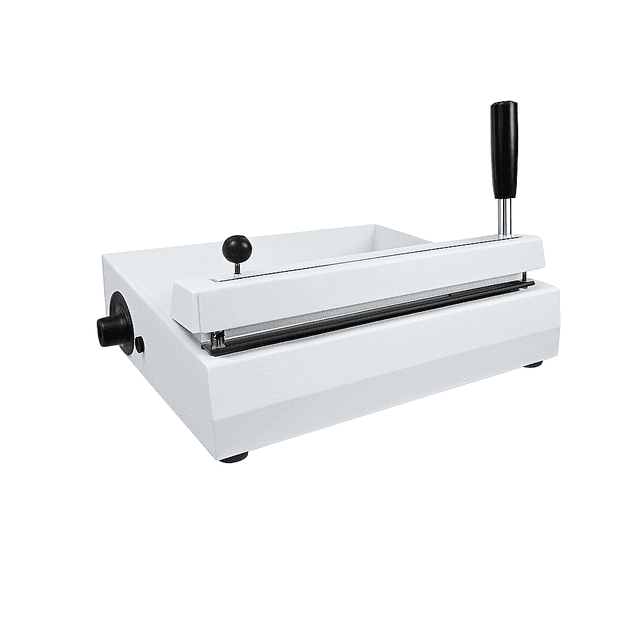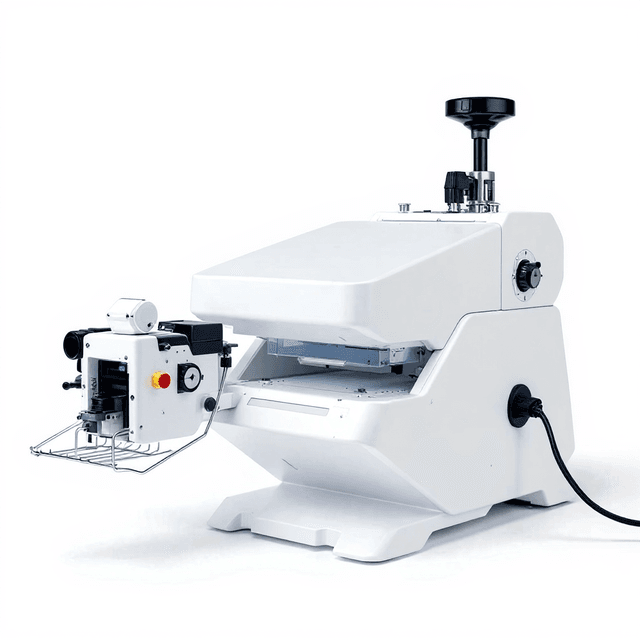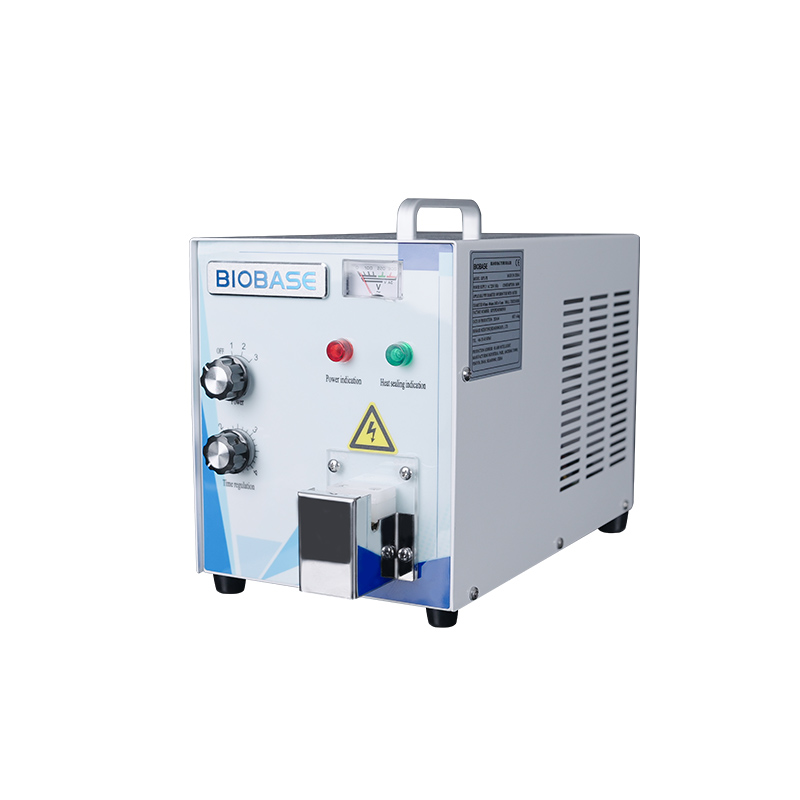
High frequency heat Sealer
Precision automatic heat sealer for laboratory and medical tubing (3-6mm diameter) with adjustable pressure levels and 1-4 second sealing time control.
| Automation Level | semi-automated |
| Heat Sealing Method | Automatic heat sealing |
| Voltage Regulation | Manual pressure regulation with 3 adjustable levels |
| Applicable Tube Diameter(mm) | Infusion tube with an outer diameter of φ3~φ6, δ≤1(wall thickness) |
| Heat Sealing Time | 1~4s(Manual adjustment) |
| Rated Power | ≤360W |
The High Frequency Heat Sealer (BIO-0823) is a precision laboratory instrument designed for automatic sealing of medical and laboratory tubing systems. This compact benchtop unit delivers controlled heat sealing for infusion tubes with outer diameters ranging from 3-6mm and wall thickness ≤1mm, utilizing high-frequency heating technology for consistent, reliable seals.
The instrument features manual pressure regulation with three adjustable levels and variable heat sealing time control (1-4 seconds), enabling researchers to optimize sealing parameters for different tube materials and applications. With its 360W power rating and automated sealing process, this unit provides reproducible sealing performance for sterile fluid transfer systems, sample collection protocols, and controlled atmosphere experiments.
How It Works
The high frequency heat sealer operates through controlled electromagnetic heating of thermoplastic tubing materials. High-frequency electrical energy generates localized heating at the seal interface, raising the polymer temperature above its melting point while maintaining precise thermal control. The heating cycle duration (1-4 seconds) can be manually adjusted based on tube wall thickness and material properties.
Manual pressure regulation provides three distinct compression levels, ensuring optimal contact between tube walls during the sealing process. The combination of controlled temperature, pressure, and time creates molecular fusion of the thermoplastic materials, forming a hermetic seal that prevents fluid migration and maintains system sterility.
The automatic sealing mechanism ensures consistent application of heat and pressure parameters, reducing operator variability and improving seal reproducibility across multiple samples or procedures.
Features & Benefits
Automation Level
- semi-automated
Heat Sealing Method
- Automatic heat sealing
Voltage Regulation
- Manual pressure regulation with 3 adjustable levels
Applicable Tube Diameter(mm)
- Infusion tube with an outer diameter of φ3~φ6, δ≤1(wall thickness)
Heat Sealing Time
- 1~4s(Manual adjustment)
Rated Power
- ≤360W
Product Size
- 352*172*240mm
Packing Size
- 430*240*290mm
Brand
- ConductScience
Research Domain
- Analytical Chemistry
- Cell Biology
- Clinical Diagnostics
- Environmental Monitoring
- Microbiology
- Pharmaceutical QC
Weight
- 7.7kg
Weight
- 6.6 kg
Dimensions
- L: 24.0 mm
- W: 35.2 mm
- H: 17.2 mm
Comparison Guide
| Feature | This Product | Typical Alternative | Advantage |
|---|---|---|---|
| Sealing Method | Automatic heat sealing with manual parameter control | Manual impulse sealing or basic heat sealing without pressure adjustment | Reduces operator variability and provides more consistent seal quality across multiple samples. |
| Pressure Control | 3-level manual pressure regulation | Fixed pressure or no pressure adjustment capability | Enables optimization for different tube materials and wall thicknesses commonly used in research applications. |
| Sealing Time Range | 1-4 second variable timing | Fixed timing or limited adjustment range | Allows fine-tuning of heat exposure to prevent tube damage while ensuring complete seal formation. |
| Power Rating | ≤360W rated power | Lower power units often provide insufficient heating capacity | Ensures adequate heating for consistent seal formation across the supported tube diameter range. |
| Tube Compatibility | 3-6mm outer diameter, ≤1mm wall thickness | More limited diameter ranges in entry-level models | Accommodates most standard laboratory and medical tubing sizes used in research applications. |
This heat sealer combines automatic operation with manual parameter control, providing consistent seal quality while accommodating various tube materials and sizes. The three-level pressure regulation and variable sealing time offer flexibility for different laboratory applications requiring reliable tube sealing.
Practical Tips
Verify sealing parameters using sample tubes before processing critical samples, and document optimal settings for each tube type used in your laboratory.
Why: Different tube materials and wall thicknesses require specific temperature and pressure combinations for optimal seal formation.
Clean sealing surfaces with isopropyl alcohol after each use session to remove residue buildup that can affect seal quality.
Why: Contamination on sealing surfaces can create weak spots in seals or prevent complete tube fusion.
Allow tubes to cool for 10-15 seconds after sealing before handling to ensure complete polymer solidification and maximum seal strength.
Why: Premature handling can disturb the seal formation process and create leak paths in the sealed joint.
If seals appear incomplete or weak, increase pressure level or sealing time incrementally rather than making large parameter changes.
Why: Gradual adjustments prevent tube damage while systematically optimizing seal formation parameters.
Keep fingers and loose clothing away from the sealing mechanism during operation and allow adequate cool-down time between sealing cycles.
Why: The sealing surfaces reach elevated temperatures during operation and can cause burns upon contact.
Perform periodic seal integrity testing using pressure or leak detection methods appropriate for your specific application requirements.
Why: Regular validation ensures continued seal quality and helps identify when maintenance or parameter adjustment is needed.
Position tubing consistently in the sealing area and ensure complete contact across the seal width before initiating the sealing cycle.
Why: Proper tube positioning ensures uniform heat and pressure distribution for complete seal formation without gaps.
Setup Guide
What’s in the Box
- High frequency heat sealer main unit
- Power cord
- User manual and operation guide
- Sealing mechanism cleaning tools (typical)
- Performance verification test strips (typical)
Warranty
ConductScience provides a one-year manufacturer warranty covering defects in materials and workmanship, with technical support for operational questions and troubleshooting assistance.
Compliance
What tube materials are compatible with this heat sealer?
The sealer works with thermoplastic tubing materials that can be heat-welded, including PVC, polyethylene, and polypropylene tubes within the 3-6mm outer diameter range and ≤1mm wall thickness specifications.
How do I determine the optimal sealing parameters for my specific tubing?
Start with pressure level 1 and 2-second sealing time, then adjust based on seal quality testing. Thicker walls require higher pressure levels or longer sealing times, while heat-sensitive materials may need shorter exposure times.
Can this sealer maintain sterile conditions during operation?
The sealer itself does not provide sterile conditions, but can be operated within biosafety cabinets or cleanroom environments. Clean the sealing surfaces with appropriate disinfectants between uses to prevent cross-contamination.
What maintenance is required for consistent performance?
Regular cleaning of sealing surfaces to remove residue buildup, inspection of heating elements for damage, and periodic seal quality verification using test samples are recommended maintenance practices.
How can I verify seal integrity after sealing?
Use pressure testing, vacuum leak detection, or dye penetration methods appropriate for your application. Visual inspection should also confirm complete fusion across the seal width without gaps or incomplete bonding.
What is the expected seal strength for standard laboratory tubing?
Seal strength depends on tube material, wall thickness, and sealing parameters. Consult product datasheet for specific strength values and conduct validation testing for your specific tubing materials and applications.
Have a question about this product?
Accessories
Enhance your setup with compatible accessories