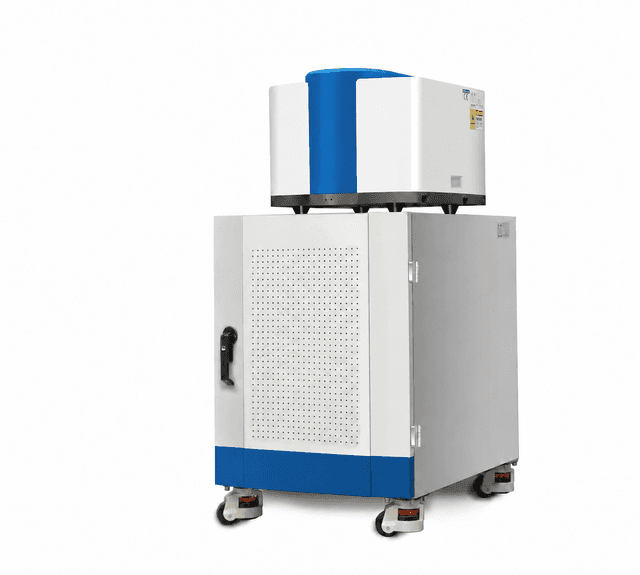
Automatic Medical Sealer
Precision heat-sealing instrument with adjustable temperature control (RT-220°C) and 12mm sealing width for sterile packaging applications in medical and pharmaceutical environments.

Louise Corscadden, PhD
Director of Science · ConductScience
Ask Louise about Automatic Medical Sealer fit, setup, configuration, or quote prep.
Already working with us? Sign in to connect this with My Scientist.
Key Specifications
Full details →- Model fit
- Configured during quote
- SKU family
- BIO-0906
- Shipping box
- 18.8 x 54.0 x 24.0 cm
- Ordering
- Online checkout and quote request available
- Category
- Sealers
- Build notes
- Confirm accessories, station layout, and support needs before purchase
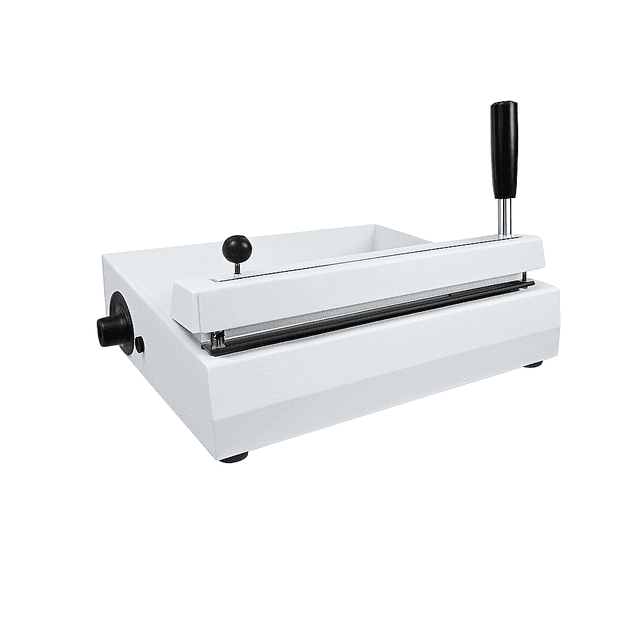
The Automatic Medical Sealer is a precision heat-sealing instrument designed for sterile packaging applications in medical and pharmaceutical environments. This benchtop unit features adjustable temperature control from room temperature to 220°C and delivers consistent 12mm sealing widths at speeds up to 10 meters per minute. The carbon steel casing with spray coating provides durability, while aluminum alloy and 304 stainless steel components ensure material compatibility with sterile processing requirements.
Digital tube display enables precise temperature monitoring and control, supporting reproducible sealing parameters across production runs. The variable sealing margin (0-40mm) accommodates different packaging formats, making this unit suitable for both small-scale research applications and pilot manufacturing processes where sterile barrier integrity is critical.
How It Works
The Automatic Medical Sealer operates through controlled heat application to thermoplastic materials, creating molecular fusion at the seal interface. The heating element reaches temperatures up to 220°C, softening polymer chains in packaging films to allow intermolecular bonding. Temperature control is managed through digital monitoring, ensuring consistent thermal input for reproducible seal strength.
The sealing process involves positioning the packaging material between heated jaws that apply controlled pressure and temperature for a specified duration. The 12mm sealing width distributes thermal energy across sufficient material area to create a reliable barrier seal. Sealing speed of up to 10 meters per minute is achieved through continuous material feed mechanisms that maintain consistent contact time between heating elements and packaging substrate.
Features & Benefits
Shipping weight
- 11.0 lb
Shipping box
- L: 18.8 cm
- W: 54.0 cm
- H: 24.0 cm
| Feature | This Product | Typical Alternative | Advantage |
|---|---|---|---|
| Temperature Control Range | Room temperature to 220°C with digital monitoring | Many basic units offer fixed temperature settings or limited range adjustment | Enables optimization for different thermoplastic materials and seal strength requirements |
| Sealing Speed | Up to 10 meters per minute continuous operation | Entry-level models often operate at slower speeds with manual feeding | Supports efficient production workflows while maintaining quality control |
| Construction Materials | 304 stainless steel components with carbon steel casing | Basic models may use aluminum or plastic components | Provides material compatibility for sterile environments and cleaning validation |
| Sealing Margin Adjustment | Variable 0-40mm margin positioning | Fixed margin settings limit packaging format flexibility | Accommodates various package sizes and sealing requirements in research applications |
| Display Interface | Digital tube display for temperature monitoring | Analog gauges or basic indicator lights | Enables precise parameter documentation for process validation and reproducibility |
This sealer combines intermediate-speed processing capability with precision temperature control and materials suitable for sterile environments. The digital monitoring and variable margin adjustment provide operational flexibility for research and pilot-scale applications requiring documented sealing parameters.
Practical Tips
Verify temperature accuracy using calibrated thermocouples at multiple setpoints across the operating range.
Why: Ensures consistent thermal input for reproducible seal formation and regulatory documentation.
Clean sealing surfaces regularly with isopropyl alcohol to remove polymer residue and contamination.
Why: Prevents buildup that can affect seal uniformity and create particulate contamination.
Allow adequate warm-up time after temperature changes before beginning production sealing.
Why: Thermal equilibration ensures consistent sealing conditions and prevents initial seal variations.
If seals appear weak or inconsistent, check material alignment and verify heating element contact.
Why: Poor material positioning or worn heating elements are common causes of seal quality issues.
Document temperature, speed, and material specifications for each sealing batch.
Why: Provides traceability for process validation and troubleshooting seal integrity problems.
Use appropriate personal protective equipment when handling heated components and hot-sealed materials.
Why: Prevents thermal burns and protects against chemical exposure from heated packaging materials.
Perform regular seal strength testing on sample seals to verify process consistency.
Why: Early detection of parameter drift prevents batch failures and maintains product quality.
Setup Guide
What’s in the Box
- Automatic Medical Sealer main unit
- Power cable (voltage-specific)
- User manual and technical documentation
- Digital display calibration guide (typical)
- Basic maintenance kit (typical)
Warranty
ConductScience provides a standard one-year manufacturer warranty covering defects in materials and workmanship, along with technical support for setup and operational guidance.
Compliance
What packaging materials are compatible with the temperature range?
The RT-220°C range accommodates most thermoplastic films including polyethylene, polypropylene, and medical-grade laminates. Consult material specifications to ensure thermal compatibility.
How do I validate seal integrity for sterile packaging applications?
Perform seal strength testing per ASTM F88 and bubble leak testing per ASTM F2054. Document temperature, speed, and pressure parameters for process validation records.
Can the sealing parameters be documented for regulatory compliance?
The digital display provides temperature monitoring, but external documentation systems may be needed for complete process records depending on regulatory requirements.
What maintenance is required for consistent performance?
Regular cleaning of sealing surfaces with appropriate solvents, periodic temperature calibration verification, and inspection of heating elements for wear or damage.
How does sealing speed affect seal quality?
Higher speeds reduce dwell time, potentially affecting seal penetration. Optimize speed-temperature combinations through validation testing for each material type.
Is the unit suitable for cleanroom environments?
The stainless steel components support cleaning protocols, but consult facility requirements for particle generation and material compatibility in classified environments.
What is the maximum thickness of material that can be sealed?
Sealing capacity depends on material thermal conductivity and sealing margin requirements. Consult product datasheet for specific thickness limitations.
Have a question about this product?
Have a question? Just ask.
Send it over and we'll email you a personalized answer — no call, no scheduling.
Prefer to talk it through?