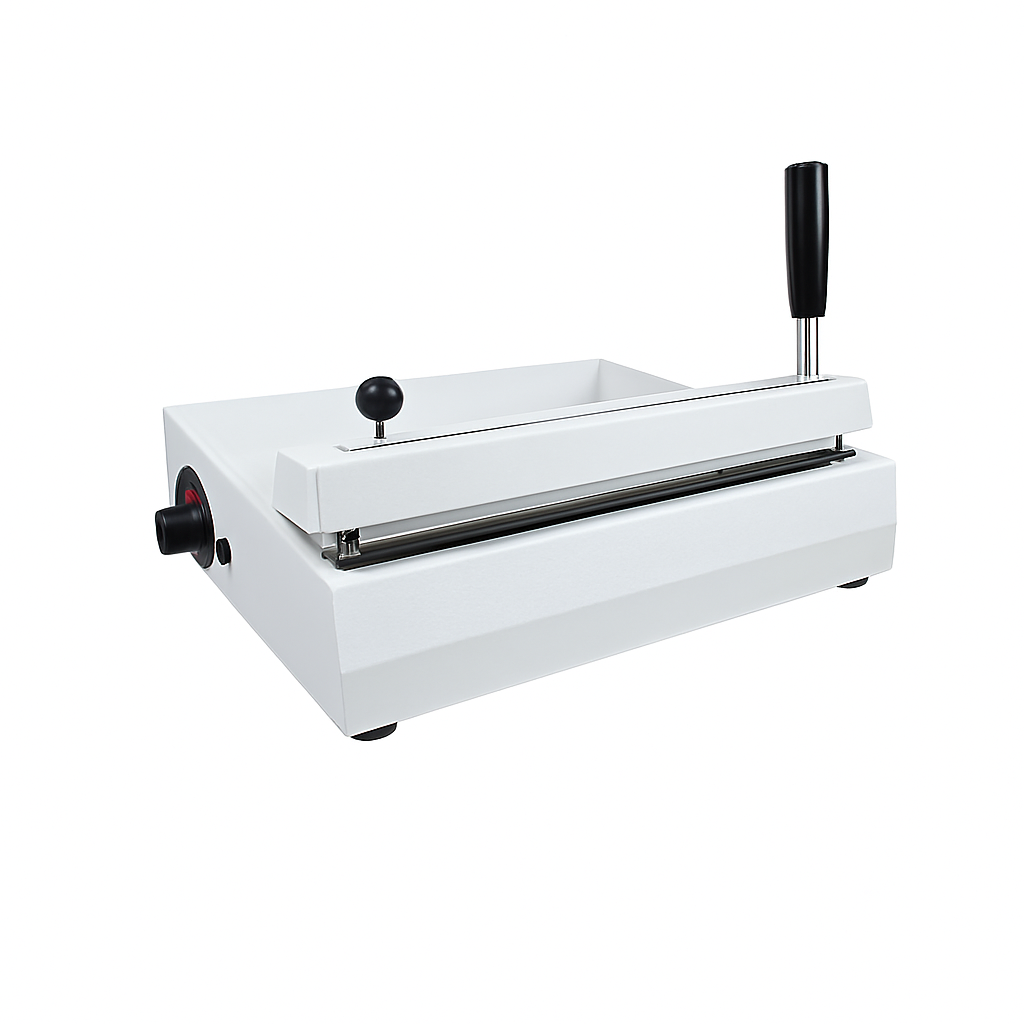
Manual Medical Sealer
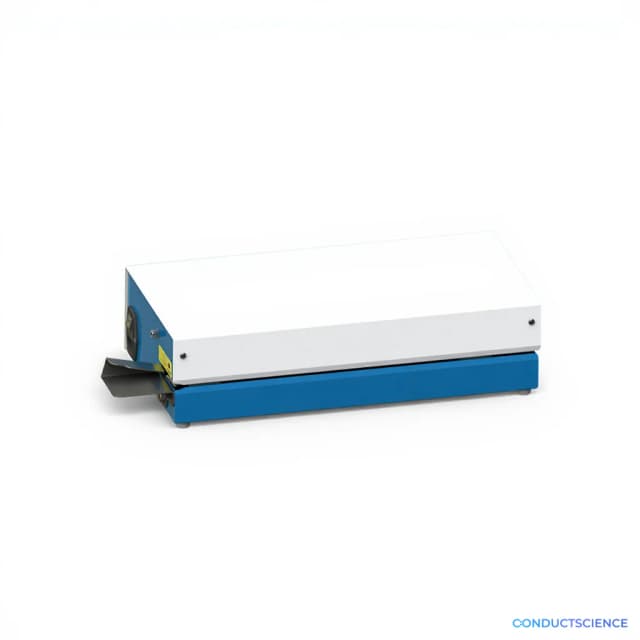
Professional manual medical sealing device – MS-H1

Louise Corscadden, PhD
Director of Science · ConductScience
Ask Louise about Manual Medical Sealer fit, setup, configuration, or quote prep.
Already working with us? Sign in to connect this with My Scientist.
Key Specifications
Full details →- Model fit
- Configured during quote
- SKU family
- BIO-0818
- Shipping box
- 13.0 x 37.0 x 30.0 cm
- Ordering
- Online checkout and quote request available
- Category
- Sealers
- Build notes
- Carbon steel spray
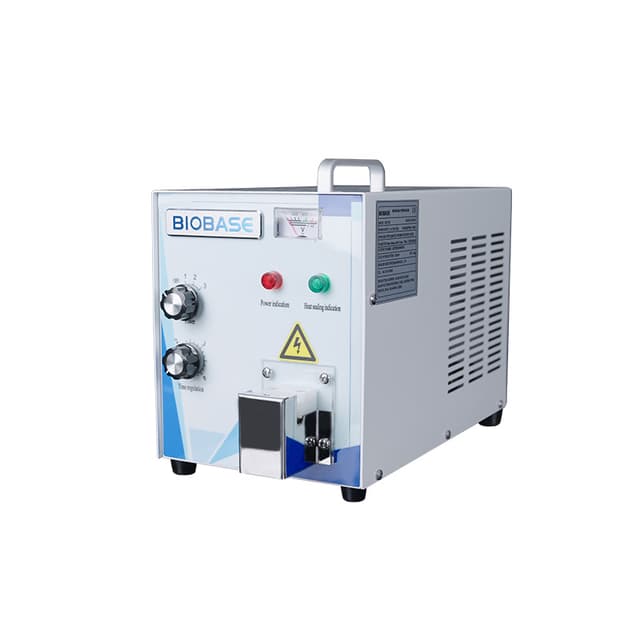
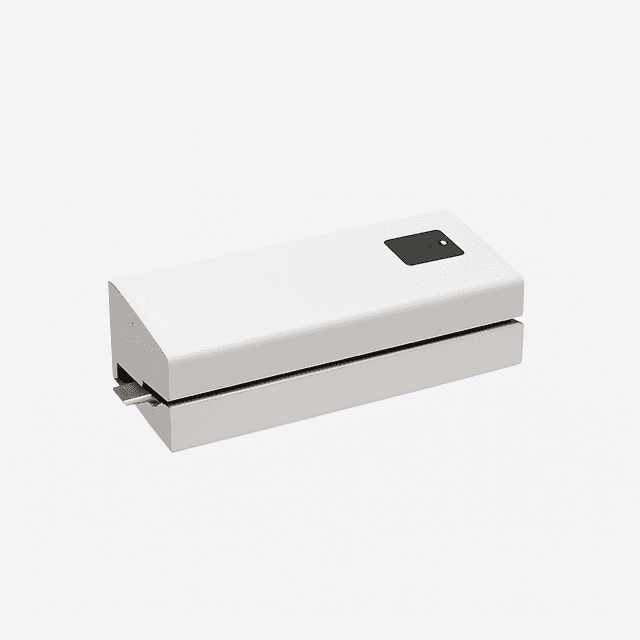
The Manual Medical Sealer MS-H1 is a reliable, easy-to-use sealing device designed for medical and laboratory applications. Perfect for sealing sterile packages, specimen containers, and other medical materials with precision and consistency.
How It Works
The Manual Medical Sealer operates through controlled thermal fusion of thermoplastic materials. When the sealing jaw is pressed manually onto the material, the heated sealing element (operating at temperatures from 60-220°C) softens the polymer surface, creating molecular interdiffusion between material layers. Upon cooling, this forms a continuous hermetic seal across the 10mm sealing width.
Temperature control is critical for optimal sealing performance. Lower temperatures (60-120°C) are suitable for thin films and heat-sensitive materials, while higher temperatures (150-220°C) accommodate thicker gauge materials and multi-layer laminates. The manual operation allows the researcher to control both pressure application and dwell time, ensuring complete heat transfer and proper polymer fusion without material degradation.
Features & Benefits
Automation Level
- manual
Shell Material
- Carbon steel spray
Accessories Material
- Aluminum alloy, 304 stainless steel
Heat Sealing Temperature
- 60~220℃, can be adjustable
Seal Width
- 10mm
Seal Method
- Manual pressing
Input Power
- 300W
External Size
- 370*300*130mm
Packing Size
- 420*380*160mm
Brand
- ConductScience
Research Domain
- Cell Biology
- Clinical Diagnostics
- Environmental Monitoring
- Food Science
- Microbiology
- Pharmaceutical QC
Power/Voltage
- AC220V 50/60Hz
Weight
- 6.2kg
Shipping weight
- 5.5 lb
Shipping box
- L: 13.0 cm
- W: 37.0 cm
- H: 30.0 cm
| Feature | This Product | Typical Alternative | Advantage |
|---|---|---|---|
| Temperature Range | 60-220°C adjustable | Fixed temperature or limited range models | Accommodates diverse material types and thicknesses in a single instrument |
| Seal Width | 10mm | Entry-level models often offer 5-8mm widths | Wider seals provide better barrier properties and tear resistance |
| Power Rating | 300W | Lower-cost units typically 100-200W | Higher power enables faster heating and better temperature recovery between cycles |
| Construction Materials | Carbon steel shell with stainless steel accessories | Plastic housings in basic models | Enhanced durability and chemical resistance for laboratory environments |
| Operation Method | Manual pressing with operator control | Varies by model - some fully automated | Precise control over pressure and dwell time for optimal seal quality |
This sealer combines adjustable high-temperature capability with robust construction and manual precision control. The 300W power rating and 10mm seal width provide reliable performance for diverse laboratory sealing applications requiring sterile barrier maintenance.
Practical Tips
Verify temperature accuracy monthly using a calibrated surface thermometer placed directly on the sealing element.
Why: Accurate temperature control is critical for achieving consistent seal quality and material compatibility.
Clean sealing surfaces immediately after each use while still warm to prevent adhesive buildup.
Why: Residue accumulation can create uneven heating and compromise seal integrity.
Allow 2-3 minute warm-up time after temperature changes to ensure thermal equilibration.
Why: Stable temperature conditions prevent variability in seal strength and appearance.
If seals appear incomplete, increase temperature gradually in 10°C increments rather than extending dwell time.
Why: Excessive heating time can degrade materials while insufficient temperature prevents proper polymer fusion.
Record temperature settings, dwell time, and seal appearance for each material type to establish optimal parameters.
Why: Documented parameters enable reproducible sealing protocols and quality assurance.
Always allow the sealing element to cool completely before cleaning or maintenance activities.
Why: Hot surfaces can cause burns and damage cleaning materials or tools.
Test seal integrity on sample material before processing critical specimens.
Why: Pre-validation prevents loss of valuable samples due to inadequate sealing parameters.
Setup Guide
What’s in the Box
- Manual Medical Sealer main unit
- Power cord (typical)
- User manual and technical documentation (typical)
- Temperature calibration guide (typical)
Warranty
ConductScience provides a one-year manufacturer warranty covering defects in materials and workmanship, with technical support for operational guidance and troubleshooting assistance.
Compliance
What materials are compatible with this sealer?
The adjustable temperature range of 60-220°C accommodates most thermoplastic films including polyethylene, polypropylene, and laminated materials. Consult material specifications for optimal temperature settings.
How do I verify seal integrity for sterile applications?
Perform visual inspection for uniform seal appearance, followed by gentle pull testing. For critical applications, consider dye penetration testing or bubble leak testing per relevant packaging standards.
What is the recommended sealing procedure?
Position material in sealing area, apply steady downward pressure for 2-3 seconds, then release. Allow sealed material to cool completely before handling to ensure proper polymer fusion.
How often should temperature calibration be verified?
Verify temperature accuracy monthly or when changing material types. Use a calibrated surface thermometer placed on the sealing element during operation.
What maintenance is required?
Clean sealing surfaces after each use with appropriate solvents, inspect for residue buildup, and verify temperature controller function. Replace sealing elements when wear affects seal quality.
Can this unit seal multiple layers simultaneously?
Yes, the manual pressure control allows sealing of multiple material layers, though temperature and dwell time may need adjustment based on total thickness.
What power requirements are needed?
The unit requires AC220V 50/60Hz power supply with 300W capacity. Ensure adequate circuit capacity and proper grounding for safe operation.
Have a question about this product?
Have a question? Just ask.
Send it over and we'll email you a personalized answer — no call, no scheduling.
Prefer to talk it through?