Looming Visual Stimuli Box
Behavioral testing apparatus for assessing rodent visual acuity and threat detection responses through controlled presentation of looming visual stimuli with automated tracking capabilities.

Louise Corscadden, PhD
Director of Science · ConductScience
Ask Louise about Looming Visual Stimuli Box fit, setup, configuration, or quote prep.
Already working with us? Sign in to connect this with My Scientist.
Key Specifications
Full details →- Model fit
- 1 selectable configurations
- SKU family
- CS-958335
- Sizing
- 65.0 x 36.0 x 27.0 cm
- Ordering
- Online checkout and quote request available
- Category
- Behavioral Mazes
- Build notes
- Confirm accessories, station layout, and support needs before purchase
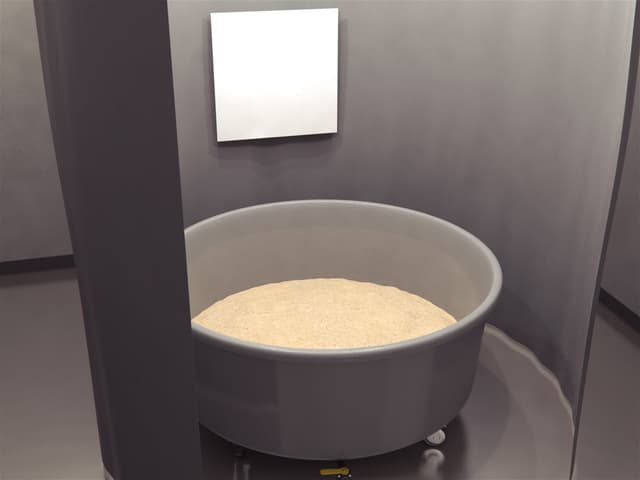
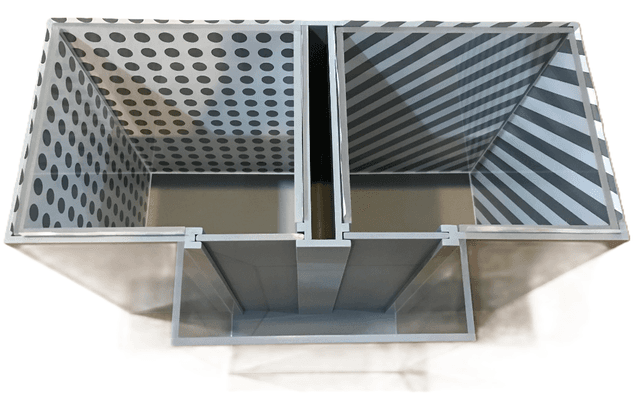
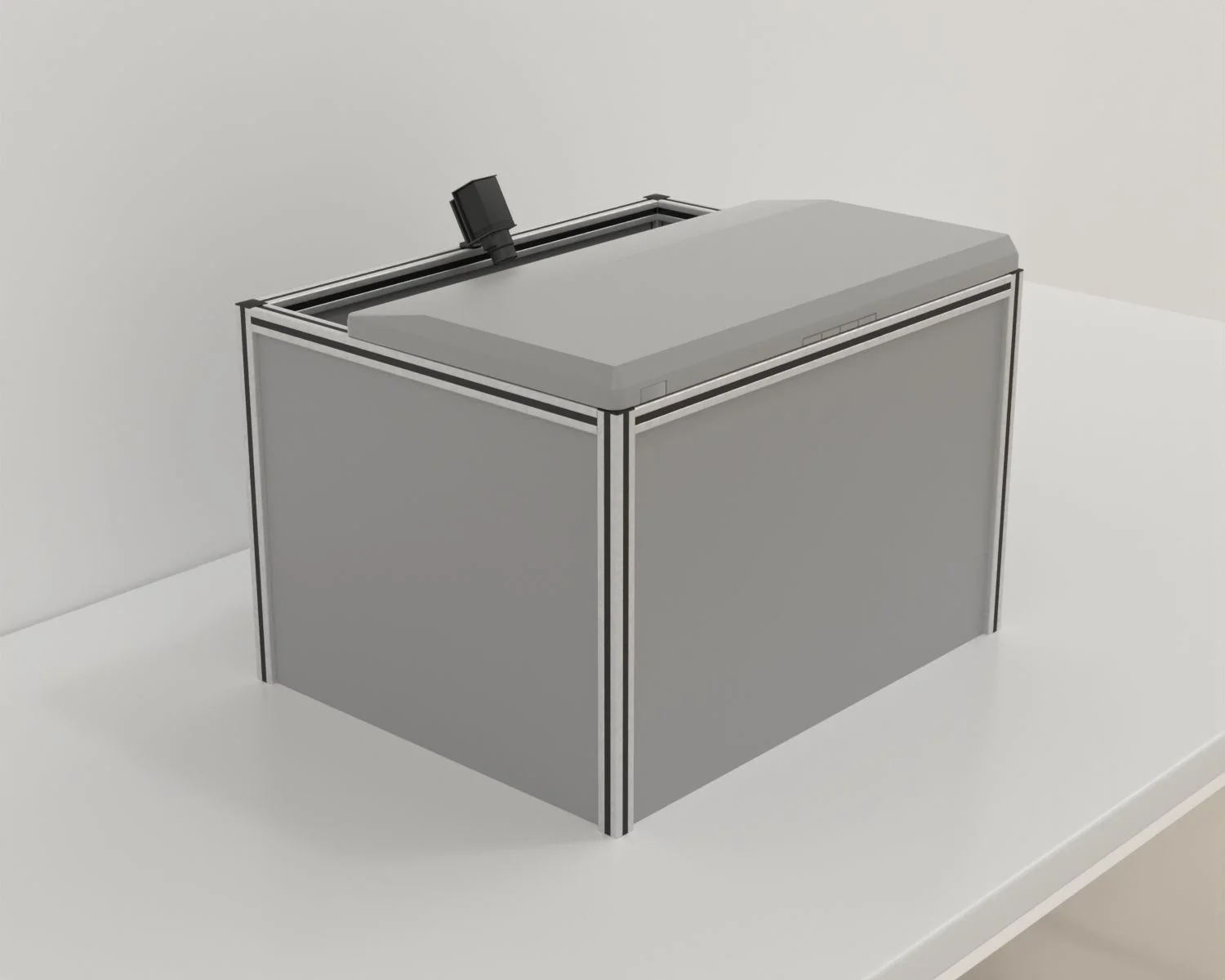
The Looming Visual Stimuli Box is a specialized behavioral testing apparatus designed to assess rodent visual acuity and threat detection responses through controlled presentation of looming visual stimuli. The system consists of an acrylic enclosure with a ceiling-mounted 21-inch monitor that presents expanding circular stimuli simulating approaching objects or predators. The visual stimulus expands from 2° to 50° visual angle over 250 milliseconds, repeated 10 times at 1-second intervals to elicit escape behaviors.
This apparatus enables quantitative assessment of visual escape responses, predator avoidance behaviors, and threat detection capabilities in mice and rats. The system includes MatLab and PsychToolbox3-based stimulus software for precise control of visual parameters, with optional ConductVision tracking software for automated behavioral analysis. The rectangular open-lid design with corner shelter provides a standardized environment for consistent threat response paradigm testing across experimental conditions.
How It Works
The Looming Visual Stimuli Box operates on the principle of simulating approaching threats through controlled visual expansion patterns that trigger innate predator avoidance behaviors in rodents. The ceiling-mounted 21-inch monitor presents a circular stimulus that rapidly expands from 2° to 50° visual angle over 250 milliseconds, mimicking the visual signature of an approaching object or predator. This expansion rate and angular progression are designed to activate the collision detection pathways in the rodent visual system.
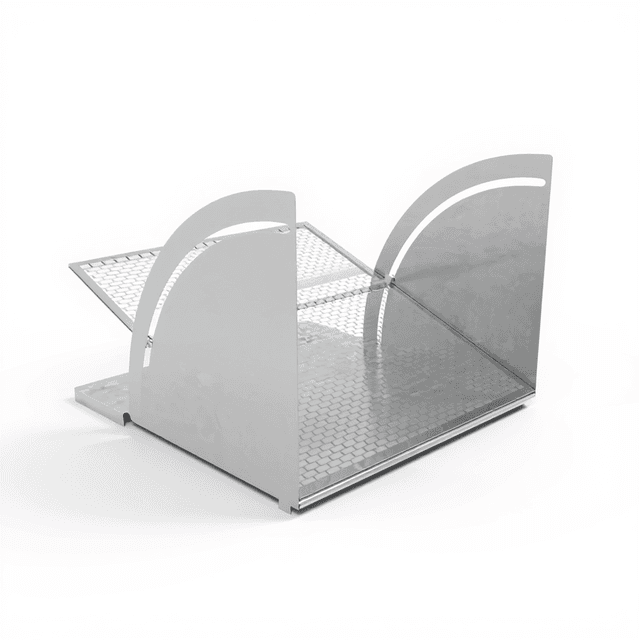
The visual stimulus triggers the dorsal visual pathway, which processes motion and spatial information critical for predator detection and escape responses. The standardized stimulus parameters (10 repetitions at 1-second intervals) allow for assessment of both initial threat response and habituation patterns. The opaque shelter placement in the corner provides a defined escape target, enabling measurement of escape latency and path efficiency.
Behavioral responses are quantified through escape latency measurement and optional video tracking analysis. The system records the time from stimulus onset to shelter entry, movement velocity, and path characteristics to provide comprehensive assessment of visual-motor coordination and threat response capabilities.
Features & Benefits
Compatible Tracking Software
- ConductVision
Weight
- 6.06 kg
Dimensions
- L: 65.0 mm
- W: 36.0 mm
- H: 27.0 mm
| Feature | This Product | Typical Alternative | Advantage |
|---|---|---|---|
| Visual Stimulus Control | MatLab and PsychToolbox3-based software with precise 2° to 50° expansion in 250ms | Basic systems often use simple video playback or manual stimulus presentation | Research-grade timing precision enables reproducible threat simulation parameters critical for behavioral consistency |
| Chamber Design | Species-specific acrylic chambers with open-lid design and standardized shelter placement | Entry-level systems may use generic enclosures without species optimization | Optimized dimensions ensure appropriate behavioral expression and consistent escape target positioning for reliable measurements |
| Stimulus Presentation | Ceiling-mounted 21-inch monitor with 60+ FPS capability | Smaller displays or side-mounted monitors with variable refresh rates | Overhead positioning mimics natural predator approach while large display ensures stimulus visibility across chamber area |
| Tracking Integration | Compatible with ConductVision software for automated behavioral analysis | Manual scoring or basic tracking systems with limited analysis capabilities | Automated analysis reduces observer bias and enables detailed kinematic measurements not possible with manual scoring |
| Protocol Standardization | Defined 10-minute acclimation, standardized stimulus parameters, and consistent shelter placement | Variable protocols with less standardized parameters | Standardized protocols ensure experimental reproducibility and enable meaningful comparison across studies and laboratories |
This system combines research-grade stimulus control software with species-optimized chamber design and automated tracking capabilities. The standardized parameters and ceiling-mounted presentation provide consistent threat simulation for reliable behavioral assessment in rodent visual function studies.
| Model | SKU | Listed price | Status | Dimensions |
|---|---|---|---|---|
| Product model | CS-958335-RM | $7,300.00 | Available | 50 x 65 x 40 cm |
| Product model | CS-958335-MM | $5,300.00 | Available | 50 x 65 x 40 cm |
| Product model | CS-958335-RN | $6,300.00 | Available | 40 x 50 x 30 cm |
| Product model | CS-958335-MN | $4,300.00 | Available | 40 x 50 x 30 cm |
Practical Tips
Verify visual angle calculations by measuring monitor distance and checking stimulus size at both 2° and 50° positions before each experiment.
Why: Accurate visual angles are critical for consistent threat simulation and experimental reproducibility.
Clean acrylic chamber walls with antistatic cleaner between sessions to prevent visual distortions from static buildup or residue.
Why: Clear chamber walls ensure consistent visual stimulus presentation and tracking camera performance.
Allow full 10-minute acclimation period and verify animals are actively exploring before initiating stimulus presentation.
Why: Proper acclimation reduces stress-related behavioral artifacts and ensures baseline activity for valid escape response measurement.
Record ambient lighting conditions and maintain consistent illumination across all testing sessions.
Why: Lighting variations can affect stimulus visibility and tracking accuracy, introducing unwanted experimental variability.
If animals fail to respond to stimuli, verify monitor brightness settings and check for visual obstructions between display and chamber.
Why: Insufficient stimulus contrast or physical obstructions can prevent proper threat detection and behavioral response elicitation.
Replace floor paper between each animal and ensure shelter position remains constant throughout testing sessions.
Why: Fresh flooring eliminates olfactory cues from previous subjects while consistent shelter placement maintains standardized escape target distance.
Secure all mounting hardware for ceiling monitor installation and regularly inspect for any loosening or movement.
Why: Stable monitor position is essential for safety and maintaining consistent visual angle presentation throughout experiments.
Test stimulus timing accuracy using high-speed camera or oscilloscope to verify 250ms expansion duration at regular intervals.
Why: Timing precision is critical for standardized threat simulation and maintaining experimental validity across studies.
Setup Guide
What’s in the Box
- Acrylic chamber (species-specific dimensions)
- 21-inch ceiling-mountable monitor
- MatLab and PsychToolbox3-based stimulus software
- Opaque corner shelter
- ConductVision 1-year license (tracking-enabled configurations)
- Installation hardware and mounting brackets (typical)
- User manual and protocol guide (typical)
- USB and video cables (typical)
Warranty
ConductScience provides a standard 1-year manufacturer warranty covering hardware components and technical support for software configuration and protocol optimization.
Compliance
What visual parameters can be controlled in the stimulus presentation software?
The MatLab and PsychToolbox3-based software controls stimulus expansion from 2° to 50° visual angle over 250 milliseconds, with 10 repetitions at 1-second intervals. Frame rate is configurable for 60 FPS or higher for precise temporal control.
How is escape latency measured and what endpoints are typically recorded?
Escape latency is measured from stimulus onset to shelter entry. Additional endpoints include movement velocity, path efficiency, and with ConductVision tracking, detailed kinematic analysis of movement patterns and freezing behavior.
Can the chamber dimensions be modified for different species or experimental requirements?
The system offers standardized dimensions for mice (40×50×30 cm) and rats (50×65×40 cm). Custom dimensions would require consultation with ConductScience as modifications could affect visual angle calculations and behavioral outcomes.
What maintenance is required for consistent stimulus presentation?
Regular monitor calibration ensures accurate visual angles, floor paper should be replaced between subjects, and the acrylic chamber requires cleaning with appropriate disinfectants. Software calibration should be verified periodically for timing accuracy.
How does this system compare to traditional predator exposure paradigms?
This system provides standardized, repeatable visual threat stimuli without live predator variability or ethical concerns. It enables precise control of threat parameters and quantitative measurement impossible with live predator exposure.
What data formats are generated by the ConductVision tracking software?
Consult ConductVision documentation for specific data output formats. Typical tracking systems provide time-stamped position coordinates, velocity measurements, and behavioral event annotations in standard research data formats.
Can multiple animals be tested simultaneously in the chamber?
The system is designed for individual animal testing to ensure accurate behavioral measurement and avoid social influences on escape responses. Group testing would require protocol modifications and may compromise data quality.
What lighting conditions are recommended for optimal stimulus presentation and tracking?
Consistent ambient lighting is critical for both stimulus visibility and video tracking accuracy. Consult product datasheet for specific lighting recommendations as requirements may vary based on tracking camera specifications.
Have a question about this product?
Have a question? Just ask.
Send it over and we'll email you a personalized answer — no call, no scheduling.
Prefer to talk it through?
Accessories
Enhance your setup with compatible accessories