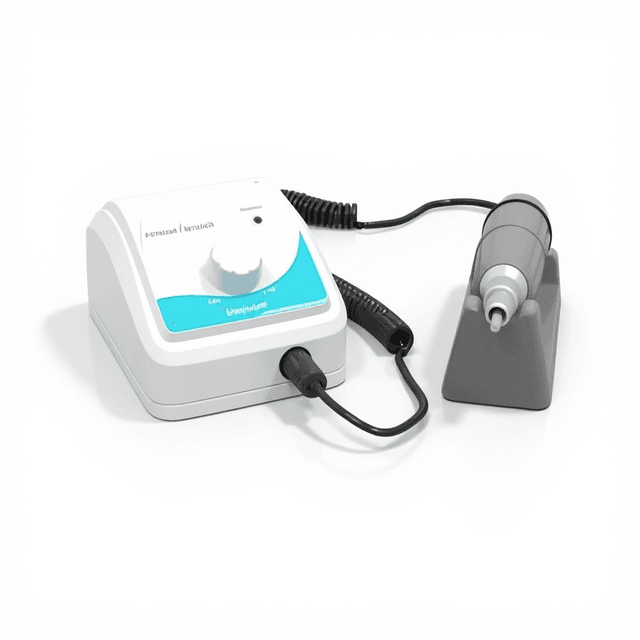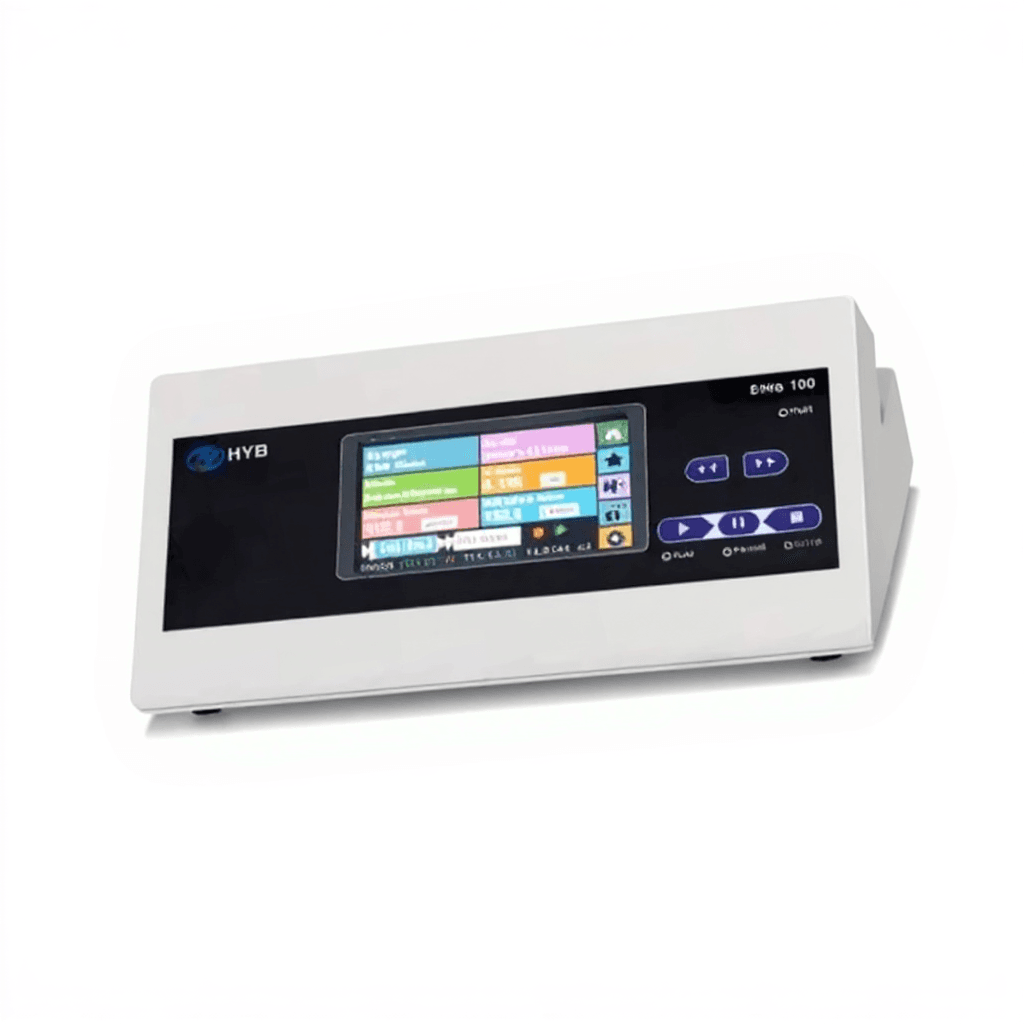
Automatic High precision Micro injection pump
Single-channel microinjection pump with 0.5-100 μL syringe compatibility and programmable infusion rates from 0.005 nl/min to 152.4 μL/min for stereotaxic neuroscience applications.
| Application scenarios | Used in conjunction with a stereotaxic apparatus, Used in conjunction with a micromanipulator |
| syringe_compatibility | 0.5 µL to 100 µL |
| linear_speed_range | 0.6096 µm/min to 91.44 mm/min |
| operating_rate_range | 0.005 nl/min (0.5µL) – 152.4 µL/min (100µL) |
| working_modes | injection, extraction, injection/extraction, extraction/injection, continuous mode |
| communication_protocol | RS-485 with Modbus protocol support |
The Automatic High Precision Micro Injection Pump (CS-LHS1332) is a single-channel infusion system engineered for precise microvolume delivery in neuroscience research applications. This pump accommodates syringes from 0.5 μL to 100 μL with linear speeds ranging from 0.6096 μm/min to 91.44 mm/min, enabling operating rates from 0.005 nl/min to 152.4 μL/min depending on syringe size. The system features a high-resolution color touchscreen LCD interface and supports five distinct working modes: injection, extraction, injection/extraction, extraction/injection, and continuous operation.
Designed for integration with stereotaxic apparatus and micromanipulator systems, the pump includes mounting brackets for secure attachment to micro-manipulation devices. The full-metal casing construction provides durability for laboratory environments, while RS-485 communication with Modbus protocol support enables remote control and automation integration. External signal control capabilities allow for start, stop, and direction commands, with power-off memory function maintaining settings between sessions.
How It Works
The microinjection pump operates through precise stepper motor control of syringe plunger movement, converting rotational motion into linear displacement for accurate fluid delivery. The system calculates volumetric flow rates based on syringe diameter and linear speed parameters, with the microprocessor controlling motor steps to achieve the programmed infusion rate. The linear speed range of 0.6096 μm/min to 91.44 mm/min corresponds to volumetric rates that scale with syringe cross-sectional area, enabling consistent delivery across different syringe sizes.
The pump's working modes provide flexibility for various experimental protocols: injection mode for unidirectional delivery, extraction for sample aspiration, alternating injection/extraction modes for push-pull operations, and continuous mode for sustained infusion. The RS-485 communication protocol with Modbus support allows integration with experimental control systems, while external signal inputs enable synchronization with behavioral protocols or physiological recording equipment.
Features & Benefits
Application scenarios
- Used in conjunction with a stereotaxic apparatus
- Used in conjunction with a micromanipulator
syringe_compatibility
- 0.5 µL to 100 µL
linear_speed_range
- 0.6096 µm/min to 91.44 mm/min
operating_rate_range
- 0.005 nl/min (0.5µL) – 152.4 µL/min (100µL)
working_modes
- injection, extraction, injection/extraction, extraction/injection, continuous mode
communication_protocol
- RS-485 with Modbus protocol support
channels
- Single-channel
display_features
- High-resolution color touchscreen LCD
memory_function
- Power-off memory function
external_control
- External signal control for start, stop, and direction
mounting
- Mounting bracket for integration with micro-manipulation devices and stereotaxic instruments
Automation Level
- semi-automated
Brand
- ConductScience
Material
- Full-metal casing
Power/Voltage
- Wide-range power input
Species
- Mouse
- Rat
- Zebrafish
Display Type
- LCD
Research Domain
- Behavioral Pharmacology
- Cell Biology
- Developmental Biology
- Learning and Memory
- Neurodegeneration
- Neuroscience
Weight
- 0.26 lbs
Dimensions
- L: 25.5 in
- W: 14.1 in
- H: 10.6 in
Comparison Guide
| Feature | This Product | Typical Alternative | Advantage |
|---|---|---|---|
| Syringe Compatibility Range | 0.5 μL to 100 μL syringe compatibility | Many entry-level pumps support limited syringe sizes or require adapter changes | Wide compatibility reduces inventory requirements and accommodates diverse experimental scales from nanoliter to microliter volumes |
| Operating Rate Range | 0.005 nl/min to 152.4 μL/min depending on syringe size | Basic pumps often have narrower flow rate ranges | Extreme slow rates minimize tissue damage while fast rates support time-critical protocols in the same instrument |
| User Interface | High-resolution color touchscreen LCD | Basic models typically use button-based interfaces with limited displays | Intuitive programming and real-time parameter monitoring improve experimental workflow efficiency |
| Communication Protocol | RS-485 with Modbus protocol support | Many pumps offer only USB or basic serial communication | Industrial-standard protocol enables robust automation integration and multi-pump networking capabilities |
| Working Modes | Five modes including injection, extraction, and continuous operation | Basic pumps often support only unidirectional infusion | Multiple operating modes support diverse protocols from push-pull dialysis to sustained drug delivery in one instrument |
| Memory Function | Power-off memory maintains programmed parameters | Entry-level units may lose settings when powered down | Parameter retention between sessions ensures experimental consistency and reduces protocol setup time |
This microinjection pump combines wide syringe compatibility (0.5-100 μL) with an extensive flow rate range and multiple operating modes. The industrial communication protocol and touchscreen interface provide professional-grade features for automated neuroscience research workflows.
Practical Tips
Perform flow rate verification using a precision balance to weigh delivered volumes at different speed settings.
Why: Ensures accuracy across the full operating range and identifies any drift requiring adjustment.
Replace syringes and tubing between different solutions to prevent cross-contamination and maintain injection precision.
Why: Residual solutions can alter subsequent injections and affect experimental results.
Prime the system with injection solution before each experiment to eliminate air bubbles in the fluid pathway.
Why: Air bubbles cause inconsistent flow rates and can introduce artifacts during precise microinjections.
If flow rates appear inconsistent, check for syringe plunger binding or needle blockage before adjusting pump parameters.
Why: Mechanical issues often mimic pump malfunction and should be eliminated before electronic troubleshooting.
Document syringe size, solution viscosity, and environmental temperature for each injection session.
Why: These parameters affect flow characteristics and are essential for protocol replication and data interpretation.
Use proper needle handling techniques and secure mounting to prevent accidental injury during stereotaxic positioning.
Why: Sharp injection needles pose puncture risks during setup and positioning procedures.
Test injection protocols with dye solutions before using experimental compounds to verify targeting accuracy.
Why: Visual confirmation of injection location prevents wasting valuable reagents and ensures proper experimental targeting.
Store the pump in a clean, dry environment and cover when not in use to protect the touchscreen and internal components.
Why: Laboratory dust and humidity can degrade electronic components and affect long-term reliability.
Setup Guide
What’s in the Box
- Automatic High Precision Micro Injection Pump main unit
- Power adapter with wide-range input (typical)
- Mounting brackets for stereotaxic integration
- RS-485 communication cable (typical)
- User manual and programming guide (typical)
- Calibration certificate (typical)
Warranty
ConductScience provides a standard one-year manufacturer warranty covering defects in materials and workmanship, with technical support for setup and operational guidance throughout the warranty period.
Compliance
What is the minimum achievable injection rate for precise drug delivery?
The minimum rate is 0.005 nl/min when using a 0.5 μL syringe, achieved through the pump's slowest linear speed of 0.6096 μm/min. This ultra-slow rate minimizes tissue disruption during intracranial injections.
Can the pump be synchronized with behavioral testing equipment?
Yes, external signal control inputs allow start, stop, and direction commands from behavioral systems. RS-485 communication with Modbus protocol also enables automated control integration.
How do injection rates scale with different syringe sizes?
Volumetric rates scale with syringe cross-sectional area. For example, at the maximum linear speed, a 0.5 μL syringe delivers 152.4 nl/min while a 100 μL syringe delivers 152.4 μL/min.
What maintenance is required for consistent pump performance?
Regular syringe and tubing replacement prevents cross-contamination, while periodic calibration verification ensures flow rate accuracy. The full-metal construction requires minimal mechanical maintenance.
Is the pump compatible with viscous solutions or suspensions?
Consult product datasheet for specific viscosity limits. The pump's variable speed control can accommodate solutions of different viscosities by adjusting infusion rates accordingly.
How precise is the volume delivery for microinjection protocols?
Precision depends on syringe size and programmed parameters. The system's stepper motor control provides consistent linear displacement, with accuracy specifications detailed in the technical datasheet.
Can multiple pumps be networked for simultaneous injections?
The RS-485 communication capability with Modbus protocol supports network integration, allowing multiple pumps to be controlled from a central system for coordinated injection protocols.
What power requirements are needed for laboratory installation?
The pump features wide-range power input for international laboratory compatibility. Specific voltage and current requirements should be confirmed in the product specifications.
Are Hamilton glass syringes compatible with this micro injection pump?
Yes, Hamilton glass syringes are compatible. The pump's touchscreen menu includes Hamilton glass syringes as a selectable preset, ensuring accurate calibration for the syringe's internal diameter. The pump accommodates syringes ranging from 0.5 uL to 100 uL capacity.
Have a question about this product?
Accessories
Enhance your setup with compatible accessories
Frequently Bought Together