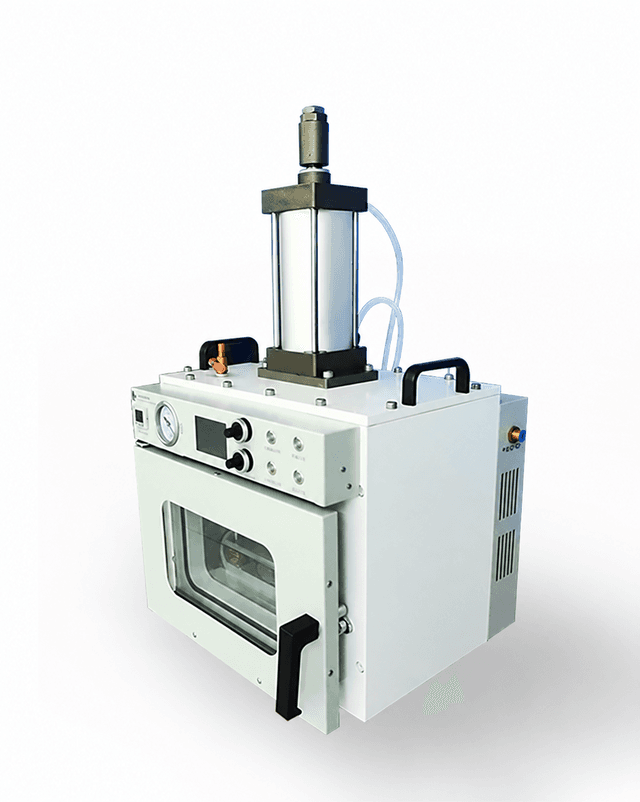
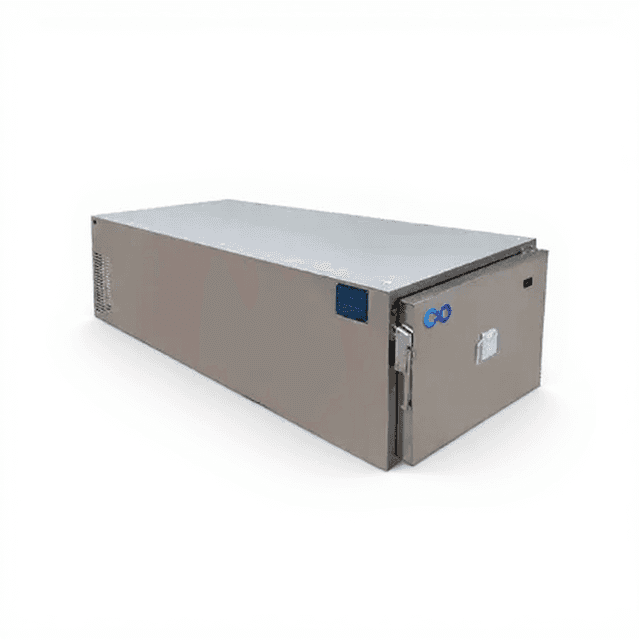
Microfluidic Chip Alignment Platform
Precision positioning system for multi-layer microfluidic device assembly and bonding, featuring a 300mm × 300mm working area for reproducible substrate alignment.

Louise Corscadden, PhD
Director of Science · ConductScience
Ask Louise about Microfluidic Chip Alignment Platform fit, setup, configuration, or quote prep.
Already working with us? Sign in to connect this with My Scientist.
Key Specifications
Full details →- Model fit
- Configured during quote
- SKU family
- WHM-0041
- Shipping box
- 300.0 x 300.0 x 200.0 cm
- Ordering
- Online checkout and quote request available
- Category
- Lab Equipment
- Build notes
- Confirm accessories, station layout, and support needs before purchase
The Microfluidic Chip Alignment Platform is a precision positioning system designed for multi-layer microfluidic device assembly and bonding processes. This benchtop platform provides stable mechanical alignment for precise registration of multiple substrate layers during microfluidic chip fabrication.
The system accommodates various substrate materials and geometries within its 300mm × 300mm working area, supporting the assembly workflows required for complex multi-layer microfluidic architectures. Researchers utilize this platform to achieve reproducible alignment during the bonding of PDMS layers, glass substrates, and other microfluidic components where precise layer registration is critical for device functionality.
How It Works
The alignment platform operates on mechanical positioning principles to achieve precise registration between multiple substrate layers. The system utilizes fixed reference points and adjustable positioning mechanisms to maintain spatial relationships during the bonding process.
During operation, substrates are positioned on the platform's working surface using alignment guides or fiducial markers. The platform's mechanical design constrains movement in unwanted directions while allowing controlled positioning adjustments. This approach ensures that channel networks, chamber geometries, and functional features maintain proper registration when layers are bonded together.
The bonding process typically involves applying controlled pressure and, depending on materials, elevated temperature to achieve permanent adhesion between aligned layers. The platform's stability during this process is critical for maintaining alignment accuracy throughout the bonding cycle.
Features & Benefits
Automation Level
- manual
Brand
- ConductScience
Research Domain
- Analytical Chemistry
- Cell Biology
- Clinical Diagnostics
- Materials Science
- Microbiology
Shipping weight
- 15.0 lb
Shipping box
- L: 300.0 cm
- W: 300.0 cm
- H: 200.0 cm
| Feature | This Product | Typical Alternative | Advantage |
|---|---|---|---|
| Working Area Size | 300mm × 300mm platform area | Smaller platforms often provide 100-200mm working areas | Larger working area enables simultaneous processing of multiple devices or accommodation of large-format substrates. |
| Alignment Method | Mechanical positioning system | Vision-based systems require cameras and software | Mechanical approach provides direct tactile feedback and operates without complex electronics or calibration procedures. |
| Platform Stability | 15 kg stable base construction | Lightweight systems may require additional stabilization | Heavy base minimizes vibration during critical alignment and bonding steps. |
| Multi-layer Capability | Designed for multi-layer chip assembly | Basic fixtures often accommodate only two-layer bonding | Supports complex 3D microfluidic architectures requiring multiple substrate layers. |
The platform provides a 300mm × 300mm working area with 15 kg stable construction for multi-layer microfluidic device assembly. Mechanical positioning offers reliable alignment without complex electronics while accommodating various substrate materials and device geometries.
Practical Tips
Establish reference coordinates using precision-machined calibration substrates before processing actual devices.
Why: Consistent reference points ensure reproducible alignment across multiple assembly sessions.
Clean alignment surfaces with appropriate solvents between different substrate materials to prevent contamination.
Why: Residual materials can affect alignment accuracy and bonding quality in subsequent operations.
Mark substrate orientation clearly before placement to avoid confusion during multi-layer assembly processes.
Why: Proper orientation tracking prevents costly errors when working with asymmetric channel designs.
Perform alignment verification at multiple points across large substrates to ensure uniform registration.
Why: Large substrates may experience differential positioning that affects alignment quality at device edges.
Check fixture tightness if alignment repeatability decreases during extended use sessions.
Why: Mechanical loosening can introduce positioning errors that accumulate over multiple assembly cycles.
Document alignment settings and fixture configurations for each device type to ensure process reproducibility.
Why: Consistent documentation enables rapid setup for repeat fabrication runs and troubleshooting alignment issues.
Ensure platform is positioned on a stable surface away from high-traffic laboratory areas.
Why: Vibration or accidental contact during alignment operations can compromise device quality and waste expensive substrates.
Setup Guide
What’s in the Box
- Microfluidic Chip Alignment Platform main unit
- Standard alignment fixture set (typical)
- Positioning adjustment tools (typical)
- User manual and setup guide
- Calibration reference standards (typical)
Warranty
ConductScience provides a standard one-year manufacturer warranty covering defects in materials and workmanship, with technical support for setup and operational guidance.
Compliance
What substrate materials are compatible with this alignment platform?
The platform accommodates various microfluidic substrates including PDMS, glass, silicon, and polymer materials commonly used in device fabrication. Specific compatibility depends on substrate dimensions and bonding requirements.
How many substrate layers can be aligned simultaneously?
The multi-layer alignment capability supports typical microfluidic device architectures. Exact layer capacity depends on individual substrate thickness and overall device design requirements.
What alignment accuracy can be achieved with this system?
Alignment precision depends on substrate properties, fixture design, and operator technique. Consult product datasheet for specific accuracy specifications and measurement protocols.
Can the platform accommodate heated bonding processes?
Temperature compatibility varies by platform materials and construction. Verify temperature ratings in product specifications if thermal bonding processes are required.
What maintenance procedures are required?
Regular cleaning of alignment surfaces and verification of fixture positioning maintains optimal performance. Periodic calibration checks ensure continued accuracy over time.
How does this compare to optical alignment systems?
Mechanical alignment offers stability and simplicity without requiring vision systems or complex software, making it suitable for applications where optical access is limited or cost considerations are important.
What bonding pressures can the platform withstand?
The 15 kg platform mass provides stability during bonding operations. Specific pressure limits and load distribution requirements should be verified in technical specifications.
Have a question about this product?
Have a question? Just ask.
Send it over and we'll email you a personalized answer — no call, no scheduling.
Prefer to talk it through?