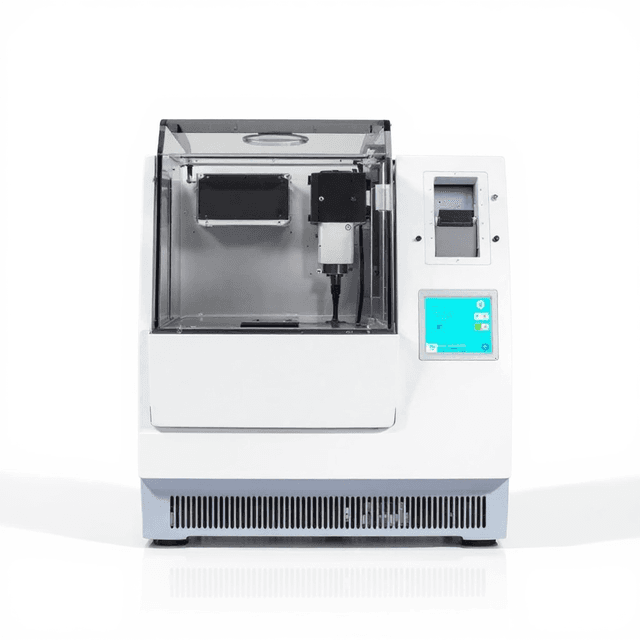
Multi-Row Electronic Heating Mantle
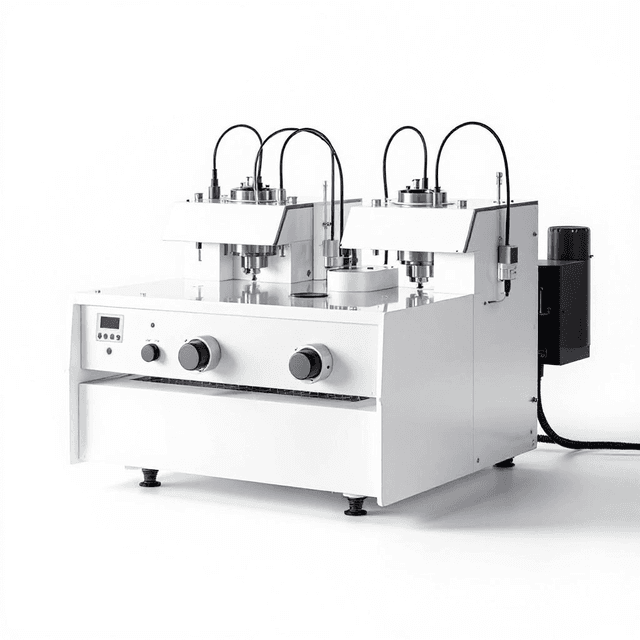
Electronic heating mantle with multiple independent heating positions for simultaneous thermal control of parallel experiments.
| Automation Level | semi-automated |

Multi-row electronic heating mantles provide simultaneous thermal control for multiple sample vessels in laboratory applications requiring parallel heating processes. Each heating position features independent temperature control, enabling researchers to conduct multiple experiments with different thermal parameters simultaneously. The electronic control system provides precise temperature regulation for consistent heating profiles across all sample positions.
These heating mantles are designed for applications requiring uniform heat distribution to multiple vessels, such as parallel synthetic reactions, extraction procedures, or thermal treatment of samples. The multi-row configuration maximizes laboratory bench space efficiency while maintaining independent control over each heating zone.
How It Works
Multi-row heating mantles operate through resistive heating elements integrated into individual heating wells or positions. Each heating zone contains a resistive heating element that converts electrical energy to thermal energy, providing direct heat transfer to the vessel bottom and sides. Electronic temperature controllers monitor and regulate the heating output through feedback control systems, typically using thermocouples or RTD sensors.
Independent temperature control for each position allows different heating profiles to be applied simultaneously. The electronic control system maintains set temperatures by modulating power to individual heating elements based on temperature feedback. This configuration enables parallel processing with different thermal requirements while ensuring uniform heat distribution within each heating zone.
Features & Benefits
Automation Level
- semi-automated
Research Domain
- Analytical Chemistry
- Environmental Monitoring
- Food Science
- Industrial Hygiene
- Materials Science
- Pharmaceutical QC
Weight
- 30.0 kg
Dimensions
- L: 42.0 mm
- W: 43.6 mm
- H: 38.0 mm
Comparison Guide
| Feature | This Product | Typical Alternative | Advantage |
|---|---|---|---|
| Number of Heating Positions | Multiple independent positions (consult datasheet for specific count) | Entry-level models often provide 2-4 positions while high-capacity units may offer 6-12 positions | More positions enable higher throughput parallel processing for batch experiments and sample preparation workflows |
| Temperature Control System | Electronic temperature control with digital display | Basic models may use analog controls or simple on/off heating | Electronic control provides precise temperature regulation and monitoring essential for reproducible experimental conditions |
| Independent Position Control | Individual temperature control for each heating position | Some multi-position units share temperature control across all positions | Independent control allows simultaneous experiments with different thermal parameters, increasing experimental flexibility |
| Safety Features | Programmable temperature limits and over-temperature protection | Basic units may lack advanced safety features or temperature monitoring | Enhanced safety features protect valuable samples and prevent equipment damage during extended heating procedures |
This multi-row heating mantle provides electronic temperature control with independent regulation for each heating position. The configuration enables efficient parallel sample processing while maintaining precise thermal control for each experimental condition.
Practical Tips
Verify temperature accuracy using calibrated thermometers placed in sample vessels filled with water or oil to match your experimental conditions.
Why: Direct temperature measurement in actual vessels accounts for thermal transfer characteristics and ensures accurate temperature control during experiments.
Clean heating wells regularly and inspect heating elements for signs of corrosion or damage that could affect heat transfer efficiency.
Why: Contamination or element damage reduces heating performance and can cause temperature uniformity problems across heating positions.
Allow heating elements to equilibrate for 10-15 minutes before adding samples to ensure stable temperature conditions.
Why: Thermal equilibration prevents temperature overshoots and ensures consistent heating conditions from the start of experiments.
Set temperature limits slightly above your target temperature and monitor initial heating cycles to verify proper controller operation.
Why: Temperature limits provide backup protection against controller malfunctions that could damage samples or create safety hazards.
Document heating profiles and temperature stability for each position to identify any performance variations between heating zones.
Why: Position-specific performance data helps identify maintenance needs and ensures consistent experimental conditions across all sample positions.
If temperature control becomes erratic, check thermocouple connections and verify proper contact between vessels and heating surfaces.
Why: Poor thermal contact or sensor connections are common causes of temperature control problems that affect experimental reproducibility.
Setup Guide
What’s in the Box
- Multi-row heating mantle unit
- Electronic temperature controllers (typical)
- Power cord
- Temperature sensors/thermocouples (typical)
- User manual and operating instructions
- Safety documentation (typical)
Warranty
ConductScience provides a standard one-year manufacturer warranty covering defects in materials and workmanship. Technical support is available for installation, operation, and troubleshooting assistance.
Compliance
What temperature range and accuracy can be achieved with electronic control?
Consult product datasheet for specific temperature range and control accuracy specifications. Electronic controllers typically provide temperature regulation within ±1-2°C of setpoint with programmable temperature limits.
How many heating positions are available and what vessel sizes are accommodated?
The number of heating positions and compatible vessel sizes depend on the specific model configuration. Verify heating well dimensions match your sample vessel requirements before purchase.
Can different temperatures be maintained simultaneously across positions?
Yes, independent temperature control allows each heating position to maintain different temperatures simultaneously, enabling parallel experiments with varying thermal requirements.
What safety features are included for over-temperature protection?
Electronic controllers typically include programmable temperature limits, over-temperature alarms, and emergency shut-off functions to protect samples and equipment from thermal damage.
How is temperature calibration performed and verified?
Temperature calibration should be verified using calibrated thermometers or thermocouples placed in sample vessels. Consult user manual for specific calibration procedures and recommended calibration intervals.
What power requirements are needed for multiple heating positions?
Power requirements increase with the number of heating positions and heating capacity. Verify electrical supply can support the total power consumption when all positions operate simultaneously.
How does this compare to individual heating mantles or hot plates?
Multi-row heating mantles provide space-efficient parallel heating with independent control, while individual units offer maximum flexibility but require more bench space and separate controllers.
Have a question about this product?
Upgrade Options