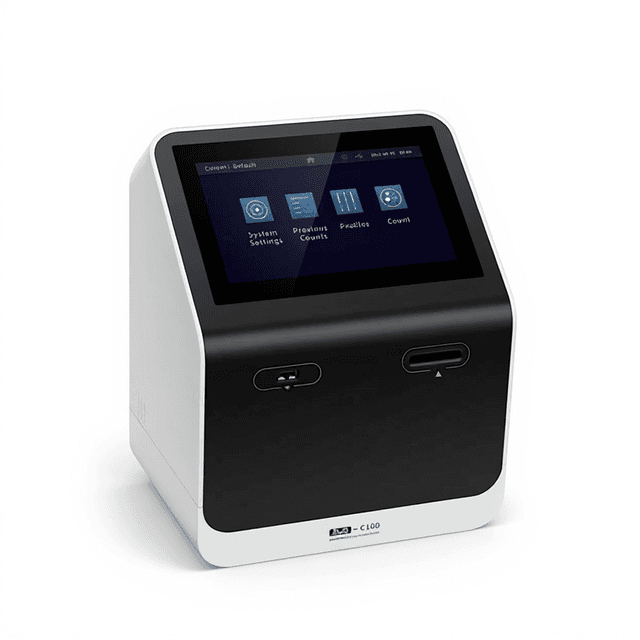
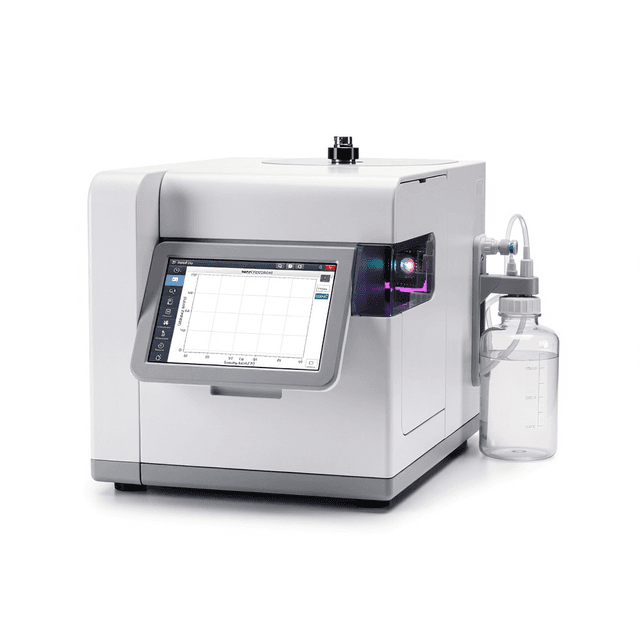
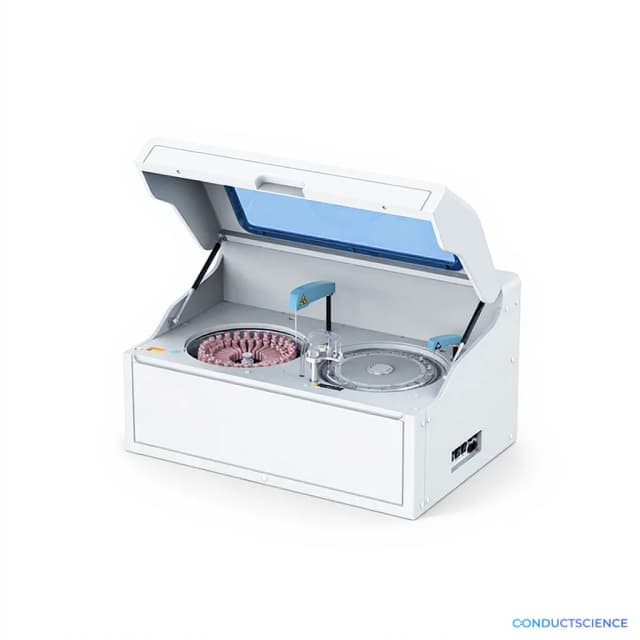
Nucleic Acid Extractor System
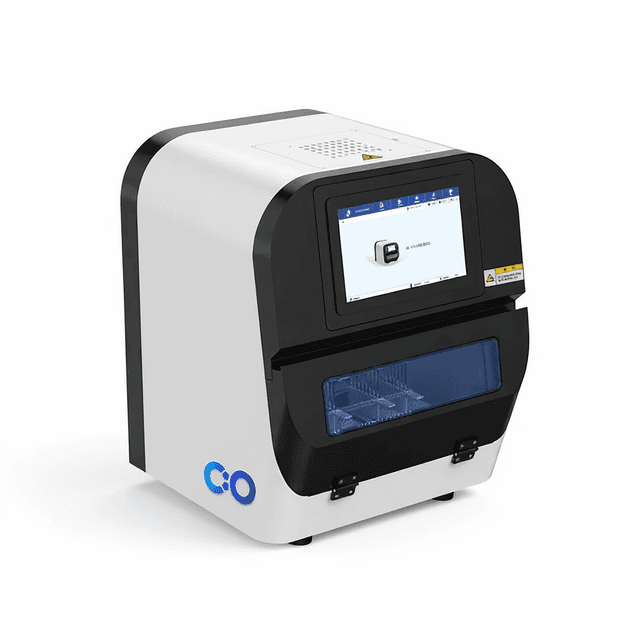
Fully automated magnetic bead-based nucleic acid extraction system processing 32 or 48 samples simultaneously with programmable protocols and independent temperature control.
| Instrument Type | PCR & Molecular |
| Application Area | Molecular Biology |
| Automation Level | fully-automated |
| screen_size | 7-inch |
| extraction_time | 15-40 minutes |
| sample_capacity_BNP32 | 32 samples |

The Nucleic Acid Extractor System provides fully automated nucleic acid purification using magnetic bead-based separation technology. Available in 32-sample (BNP32) and 48-sample (BNP48) configurations, this open system platform processes 20-500 μL sample volumes with extraction times of 15-40 minutes. The system features independent temperature control modules for customizable lysis and elution conditions, programmable protocols to accommodate different reagent chemistries, and magnetic bead recovery efficiency >98%.
Designed for walk-away automation, the system operates via a 7-inch touchscreen interface without requiring computer connectivity. Built-in UV disinfection capabilities (1 minute to 24 hours) support contamination control protocols. The platform accommodates processing volumes from 20 μL to 1000 μL with coefficient of variation ≤3% between extraction wells, enabling consistent nucleic acid yields across multiple samples.
How It Works
The system employs magnetic bead-based solid phase extraction technology for nucleic acid purification. Samples are lysed using programmable temperature conditions on 8 independent heating modules, releasing cellular contents and denaturing proteins. Magnetic beads with surface chemistry specific for nucleic acid binding are introduced and mixed with the lysate through adjustable oscillating motion (low, medium, high settings).
During the binding phase, nucleic acids adsorb to the magnetic bead surfaces while cellular debris and proteins remain in solution. A magnetic field is applied to capture the bead-nucleic acid complexes, allowing removal of the supernatant containing contaminants. Sequential washing steps using different buffer compositions remove remaining impurities while the nucleic acids remain bound to the beads.
Final elution occurs through controlled heating and buffer exchange, releasing purified nucleic acids from the magnetic beads into the collection volume. The automated liquid handling system manages all pipetting, mixing, and magnetic separation steps with >98% bead recovery efficiency, ensuring consistent nucleic acid yields with CV ≤3% between processing wells.
Features & Benefits
Nucleic acid extractor system
- BNP32
- BNP48
Instrument Type
- PCR & Molecular
Application Area
- Molecular Biology
Automation Level
- fully-automated
screen_size
- 7-inch
extraction_time
- 15-40 minutes
sample_capacity_BNP32
- 32 samples
sample_capacity_BNP48
- 48 samples
uv_disinfection_time_range
- 1min-24hour
temperature_control
- User-defined cracking and elution temperature
programming
- Free programming
system_type
- Open system, fully automatic
computer_connection
- No need to connect to computer
Display Type
- Touch Screen
Research Domain
- Cancer Research
- Cell Biology
- Clinical Diagnostics
- Immunology
- Microbiology
- Molecular Biology
Weight
- 6.06 kg
Dimensions
- L: 65.0 mm
- W: 36.0 mm
- H: 27.0 mm
Comparison Guide
| Feature | This Product | Typical Alternative | Advantage |
|---|---|---|---|
| Sample Throughput | 32 or 48 samples per run | Entry-level systems often process 8-24 samples | Higher throughput reduces per-sample processing time and increases laboratory productivity for routine molecular diagnostic workflows. |
| Temperature Control | 8 independent heating modules with user-defined temperatures | Basic models may offer fixed temperatures or single heating zones | Independent temperature control optimizes lysis and elution conditions for different sample types within the same run. |
| Programming Flexibility | Free programming for custom protocols | Many systems require proprietary reagents or fixed protocols | Open system design allows protocol optimization and use of preferred reagent chemistries without vendor restrictions. |
| User Interface | 7-inch touchscreen with standalone operation | Computer connectivity often required for operation | Standalone touchscreen interface eliminates computer dependencies and simplifies laboratory workflow integration. |
| Recovery Efficiency | Magnetic bead recovery >98% | Recovery rates vary by model and technology | High recovery efficiency maximizes nucleic acid yield from precious samples and ensures reproducible quantitative results. |
| Processing Volume Range | 20 μL to 1000 μL total processing volume | Limited volume ranges in smaller systems | Wide volume range accommodates diverse sample types from low-input research samples to standard clinical volumes. |
This nucleic acid extraction system combines high-throughput processing capability with flexible programming and independent temperature control. The standalone touchscreen operation and open system design provide workflow flexibility while maintaining automated precision and reproducible performance.
Practical Tips
Verify magnetic field strength periodically using the bead recovery test protocol to ensure >98% capture efficiency.
Why: Magnetic field degradation over time can reduce bead recovery and compromise nucleic acid yields.
Run UV disinfection cycles for 15-30 minutes between different sample types or after processing contamination-prone specimens.
Why: UV treatment eliminates residual nucleic acids and prevents cross-contamination in sensitive molecular applications.
Optimize lysis temperature and time for each sample type by testing a range of conditions and measuring nucleic acid yield and purity.
Why: Different cell types and sample matrices require specific lysis conditions for maximum nucleic acid recovery.
If extraction efficiency decreases, check for proper magnetic bead resuspension and verify reagent storage conditions.
Why: Aggregated magnetic beads or degraded reagents are common causes of reduced extraction performance.
Process negative controls (extraction blanks) with each run to monitor for contamination and verify system cleanliness.
Why: Negative controls detect carry-over contamination and ensure data reliability in sensitive molecular assays.
Always use appropriate personal protective equipment when handling biological samples and ensure proper waste disposal of used reagents.
Why: Biological samples may contain infectious agents, and extraction reagents often contain hazardous chemicals requiring safe handling practices.
Pre-warm elution buffer to the programmed elution temperature before starting the protocol to improve nucleic acid recovery.
Why: Proper buffer temperature enhances nucleic acid elution efficiency and improves final yield and purity metrics.
Clean pipette tips and liquid handling components weekly with nuclease-free solutions to prevent contamination buildup.
Why: Regular cleaning prevents nuclease contamination that can degrade extracted nucleic acids during processing.
Setup Guide
What’s in the Box
- Nucleic acid extractor main unit
- 7-inch touchscreen control panel
- Power cable and adapter (typical)
- Sample processing modules
- Magnetic separation components
- User manual and software documentation (typical)
- Installation and setup guide (typical)
Warranty
ConductScience provides a standard one-year manufacturer warranty covering parts and technical support. Extended service contracts and calibration services are available for laboratory quality assurance programs.
Compliance
What types of samples can be processed with this system?
The system processes 20-500 μL samples including blood, plasma, tissue, bacterial cultures, and cell pellets. The open system design allows optimization for different sample types through programmable lysis and elution temperatures.
How does the magnetic bead recovery efficiency affect nucleic acid yield?
With >98% magnetic bead recovery, virtually all beads are captured during separation steps, ensuring minimal loss of bound nucleic acids. This high efficiency is critical for low-input samples and quantitative applications.
Can I use different extraction chemistries with this system?
Yes, the free programming feature allows customization of protocols for different reagent chemistries. You can adjust temperatures, timing, and mixing parameters to optimize performance with various commercial kits or custom buffers.
What maintenance is required for consistent performance?
Regular UV disinfection between runs prevents cross-contamination. The system should be cleaned according to manufacturer protocols, and magnetic separation components require periodic inspection for wear or magnetic field strength.
How consistent are results across the 48-well format?
The system achieves CV ≤3% between wells through precise liquid handling and uniform magnetic field application. This consistency enables reliable comparative analysis across samples within each run.
What is the maximum processing volume per sample?
Total processing volume reaches 1000 μL per well, accommodating wash steps and reagent additions beyond the initial sample volume of 20-500 μL. This capacity supports various extraction protocols requiring multiple buffer exchanges.
Can the system operate without computer connectivity?
Yes, the 7-inch touchscreen provides complete standalone operation. All programming, monitoring, and control functions are accessible through the built-in interface without requiring external computer connections.
How long does a complete extraction cycle take?
Extraction time ranges from 15-40 minutes depending on the protocol complexity, sample type, and specific reagent requirements. Time can be optimized through custom programming for your specific application needs.
Have a question about this product?
Accessories
Enhance your setup with compatible accessories
Frequently Bought Together
Upgrade Options