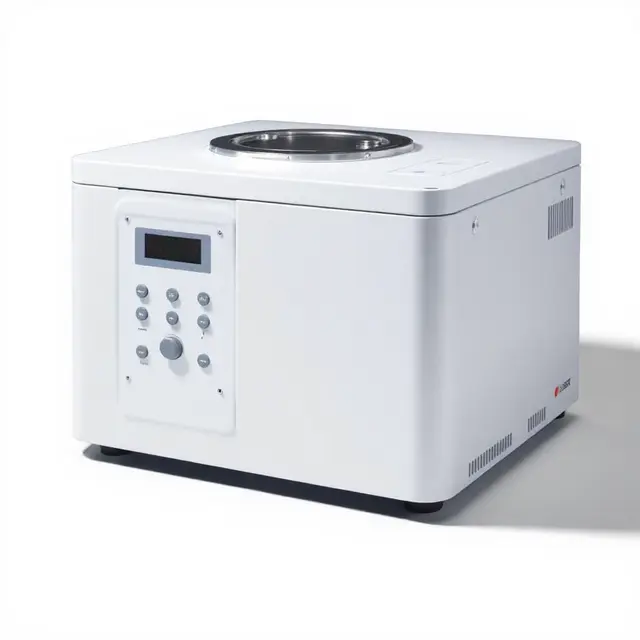
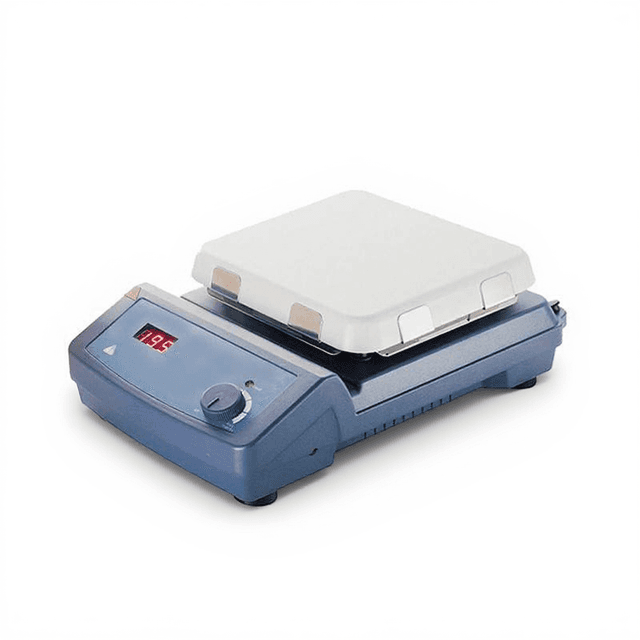
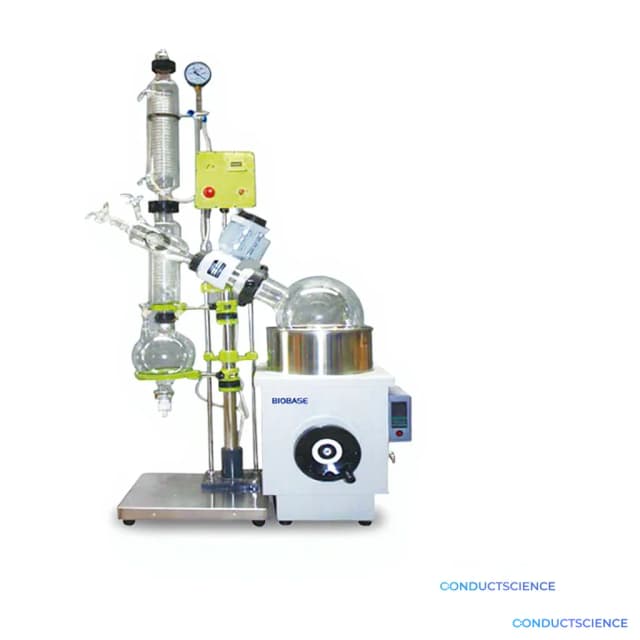
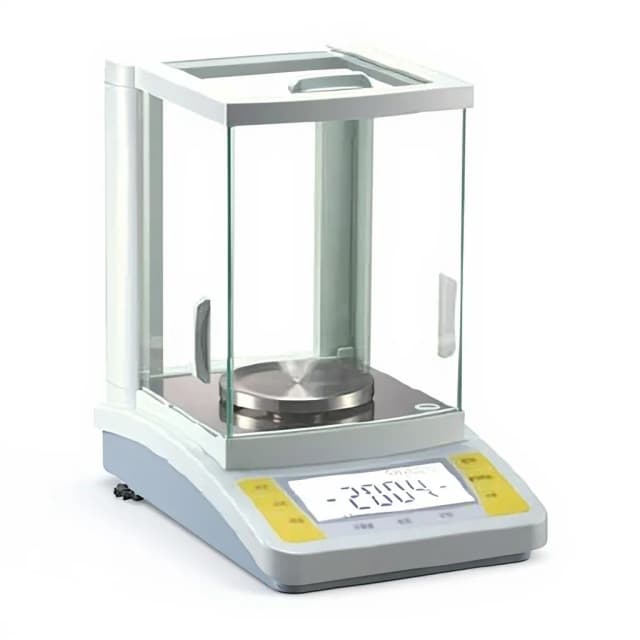
Online Homogenizer
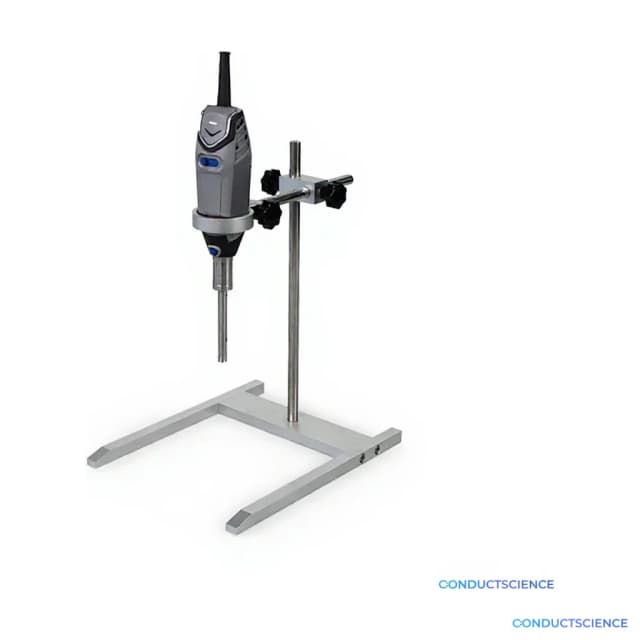
Benchtop mechanical homogenizer for tissue disruption and sample preparation, providing consistent homogenization for biochemical analysis and protein extraction workflows.
| Automation Level | manual |

The Online Homogenizer is a benchtop instrument designed for mechanical tissue disruption and sample homogenization in laboratory environments. This compact unit provides consistent, reproducible homogenization for various biological samples, enabling researchers to prepare uniform tissue suspensions for downstream analytical procedures. The instrument accommodates standard laboratory workflows requiring cell lysis, protein extraction, and sample preparation for biochemical analysis.
With its benchtop form factor, the Online Homogenizer integrates into existing laboratory setups while providing reliable mechanical disruption capabilities. The unit supports processing of various tissue types and sample volumes, making it suitable for applications ranging from basic research to analytical testing protocols where sample uniformity is critical for reproducible results.
How It Works
The Online Homogenizer operates through mechanical disruption using high-speed rotating elements that create shear forces to break down tissue structure and cellular components. The instrument applies controlled mechanical energy to samples, fragmenting cell walls and membranes while maintaining temperature control to preserve sample integrity during processing.
Sample material is processed through direct contact with rotating homogenization elements, creating a combination of impact, shear, and cavitation forces. This mechanical action reduces particle size and creates uniform suspensions suitable for subsequent analytical procedures. The homogenization process can be adjusted through speed and time parameters to accommodate different sample types and desired particle size distributions.
Features & Benefits
Automation Level
- manual
Research Domain
- Analytical Chemistry
- Cell Biology
- Environmental Monitoring
- Food Science
- Microbiology
- Pharmaceutical QC
Weight
- 10.0 kg
Dimensions
- L: 12.0 mm
- W: 46.0 mm
- H: 12.0 mm
Comparison Guide
| Feature | This Product | Typical Alternative | Advantage |
|---|---|---|---|
| Form Factor | Benchtop design with compact 46 x 12 x 12 cm footprint | Larger floor-standing units or handheld models with limited capacity | Optimal balance of processing capability and laboratory space efficiency for routine sample preparation workflows. |
| Weight | 10.0 kg operational weight | Heavier floor models or lighter handheld units with reduced stability | Provides stable operation during homogenization while remaining portable for laboratory reconfiguration. |
| Operating Method | Mechanical disruption technology | Ultrasonic or bead-beating methods with different energy transfer mechanisms | Offers controlled mechanical shear forces suitable for a wide range of biological sample types. |
| Sample Processing | Variable parameter control for different sample types | Fixed-speed units or models with limited parameter adjustment | Enables optimization of homogenization conditions for specific tissue types and analytical requirements. |
The Online Homogenizer offers a benchtop mechanical homogenization solution with compact dimensions and moderate weight for laboratory integration. The unit provides variable parameter control for processing different biological samples through mechanical disruption technology.
Practical Tips
Pre-chill samples and homogenization probes before processing to minimize thermal effects on sample integrity.
Why: Temperature control preserves protein structure and enzyme activity during mechanical disruption.
Clean homogenization elements immediately after use with appropriate solvents to prevent sample buildup and cross-contamination.
Why: Prompt cleaning maintains performance and prevents carryover between different sample types.
Verify speed accuracy periodically using a tachometer or strobe light to ensure consistent processing parameters.
Why: Speed calibration ensures reproducible homogenization conditions across different experiments and operators.
Always secure the homogenization chamber or sample container before operation to prevent sample spillage or probe damage.
Why: Proper containment prevents exposure to biological samples and protects equipment from damage.
If homogenization is incomplete, try pulse cycles with cooling periods rather than increasing continuous operation time.
Why: Pulse operation prevents overheating while providing adequate mechanical energy for tissue disruption.
Process replicate samples using identical time and speed parameters to ensure consistent sample preparation for analytical methods.
Why: Standardized homogenization conditions reduce preparation variability and improve analytical reproducibility.
Setup Guide
What’s in the Box
- Online Homogenizer main unit
- Power cord (typical)
- Basic homogenization probe (typical)
- User manual and documentation (typical)
- Safety instructions (typical)
Compliance
References
Background reading relevant to this product:
Warranty & ConductCare
ConductScience provides a standard one-year manufacturer warranty covering defects in materials and workmanship, along with technical support for operational questions and troubleshooting assistance.
What sample volumes can this homogenizer accommodate?
Consult the product datasheet for specific volume ranges, as capacity depends on the homogenization probe and sample container used with the unit.
How do I prevent sample heating during homogenization?
Use pulse cycles rather than continuous operation, work with chilled samples, and consider ice bath cooling during processing to maintain sample temperature.
What maintenance is required for consistent performance?
Regular cleaning of homogenization elements, periodic inspection of moving parts, and replacement of worn probes according to usage patterns and sample types processed.
Can this unit process both soft and hard biological tissues?
Yes, though processing parameters may need adjustment based on tissue type. Harder tissues may require longer processing times or multiple homogenization cycles.
What speed range does the homogenizer offer?
Consult the product datasheet for specific speed specifications and control resolution to determine suitability for your sample preparation requirements.
Is the homogenizer suitable for sterile sample preparation?
The unit can be used with sterile techniques, though homogenization elements must be properly sterilized and aseptic handling maintained throughout processing.
How does this compare to ultrasonic homogenizers?
Mechanical homogenization provides different shear characteristics compared to ultrasonic methods, potentially offering better control for certain tissue types while generating less heat.
Have a question about this product?
Upgrade Options