1 / 5
OroFacial Pain Assessment Device (OPAD)
SKU ME-8013
$6,490.00
IncludesStandard care
Operant behavioral testing system for quantitative orofacial pain assessment using thermal or mechanical stimuli with integrated lick detection and reward delivery.
CE MarkedBAA available
Scientist guidance

Louise Corscadden, PhD
Director of Science · ConductScience
Ask Louise about OroFacial Pain Assessment Device (OPAD) fit, setup, configuration, or quote prep.
Already working with us? Sign in to connect this with My Scientist.
Key Specifications
Full details →- Model fit
- Mouse, Rat
- SKU family
- ME-8013
- Sizing
- OPAD for Mouse: Chamber Dimensions: 10 x 10 x 20 cm (L x W x H); OPAD for Rat: Chamber Dimensions: 20 x 20 x 20 cm (L x W x H)
- Ordering
- Online checkout and quote request available
- Category
- Behavioral Mazes
- Build notes
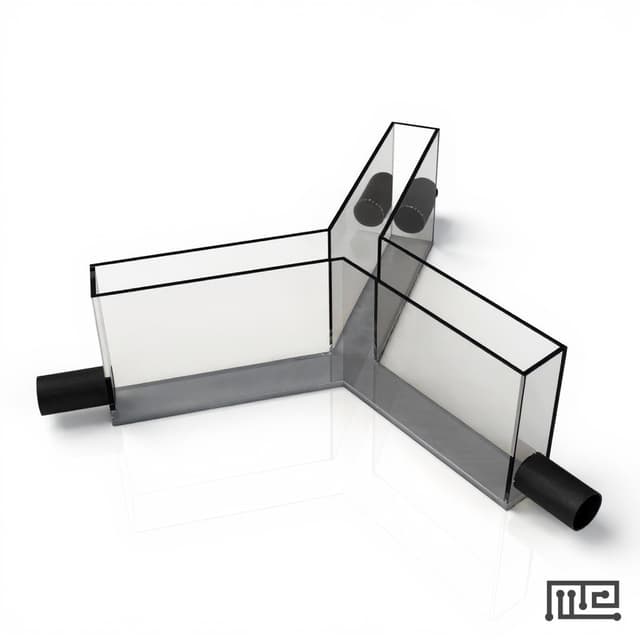
- Clear acrylic cage with metal base
The OroFacial Pain Assessment Device (OPAD) is a specialized behavioral testing apparatus designed for quantitative assessment of orofacial nociception in rodents. The system employs operant conditioning principles to evaluate voluntary pain responses, utilizing dual Peltier-controlled thermodes or mechanical protrusions to deliver precisely controlled thermal or mechanical stimuli to the facial region. Animals are trained to contact reward spouts positioned adjacent to the stimulation sites, allowing measurement of pain-related behavioral changes through contact frequency and duration analysis.
The OPAD integrates lick detection technology with programmable stimulus delivery to assess pain threshold, hyperalgesia, and analgesic efficacy in mouse and rat models. The clear acrylic chamber design provides optimal visualization while the removable waste collection system maintains hygienic conditions during extended testing sessions. Temperature control ranges from 25°C to 75°C with dual thermode configurations, supporting both acute thermal pain studies and chronic pain model evaluation.
How It Works
The OPAD operates on operant conditioning principles where animals learn to approach reward spouts positioned at thermode locations to obtain water reinforcement. Initially, animals contact the spouts at neutral temperatures to access rewards. As thermal or mechanical stimuli are applied through the Peltier-controlled thermodes, animals exhibit reduced contact behavior when stimulation becomes nociceptive, creating a quantifiable measure of pain response.
Dual thermodes allow for simultaneous bilateral testing or comparison between treated and control sides. The Peltier elements provide precise temperature control from 25°C to 75°C, enabling assessment of both cooling and heating pain responses. Mechanical protrusions can be substituted for pressure-based nociceptive testing. Lick detection sensors record contact duration, frequency, and latency, generating objective behavioral metrics that correlate with subjective pain experiences.
The operant nature eliminates experimenter bias and stress-induced responses common in reflexive pain tests. Animals voluntarily engage with the apparatus, providing ecologically relevant pain assessment that reflects decision-making processes involved in natural pain behaviors.
Features & Benefits
Dual Peltier-controlled thermodes with 25°C to 75°C range
Enables precise thermal stimulus delivery for both cooling and heating pain assessment with temperature accuracy critical for threshold determination
Integrated lick detection with metal spout reward system
Provides objective behavioral measurement through contact frequency and duration analysis without experimenter intervention
Clear acrylic chamber construction with species-specific dimensions
Allows visual monitoring of animal behavior while providing appropriate spatial constraints for mice (10x10x20 cm) and rats (20x20x20 cm)
Removable waste collection tray system
Maintains hygienic conditions during extended testing sessions with easy cleaning between subjects
Variable thermode distance adjustment
Accommodates different experimental protocols and individual animal anatomical variations for consistent stimulus placement
Multi-system integration capability
Supports simultaneous neural recording and behavioral tracking through Neuralynx and Ethovision compatibility for comprehensive pain research
Historical data storage with SMS/Email notifications
Enables automated experiment monitoring and long-term trend analysis for chronic pain model studies
Optional reward intake measurement in grams
Provides additional motivational assessment to distinguish pain-related behavioral changes from general activity alterations
Sizes by model
| Measurement | OPAD for Mouse | OPAD for Rat |
|---|---|---|
| Size | Chamber Dimensions: 10 x 10 x 20 cm (L x W x H) | Chamber Dimensions: 20 x 20 x 20 cm (L x W x H) |
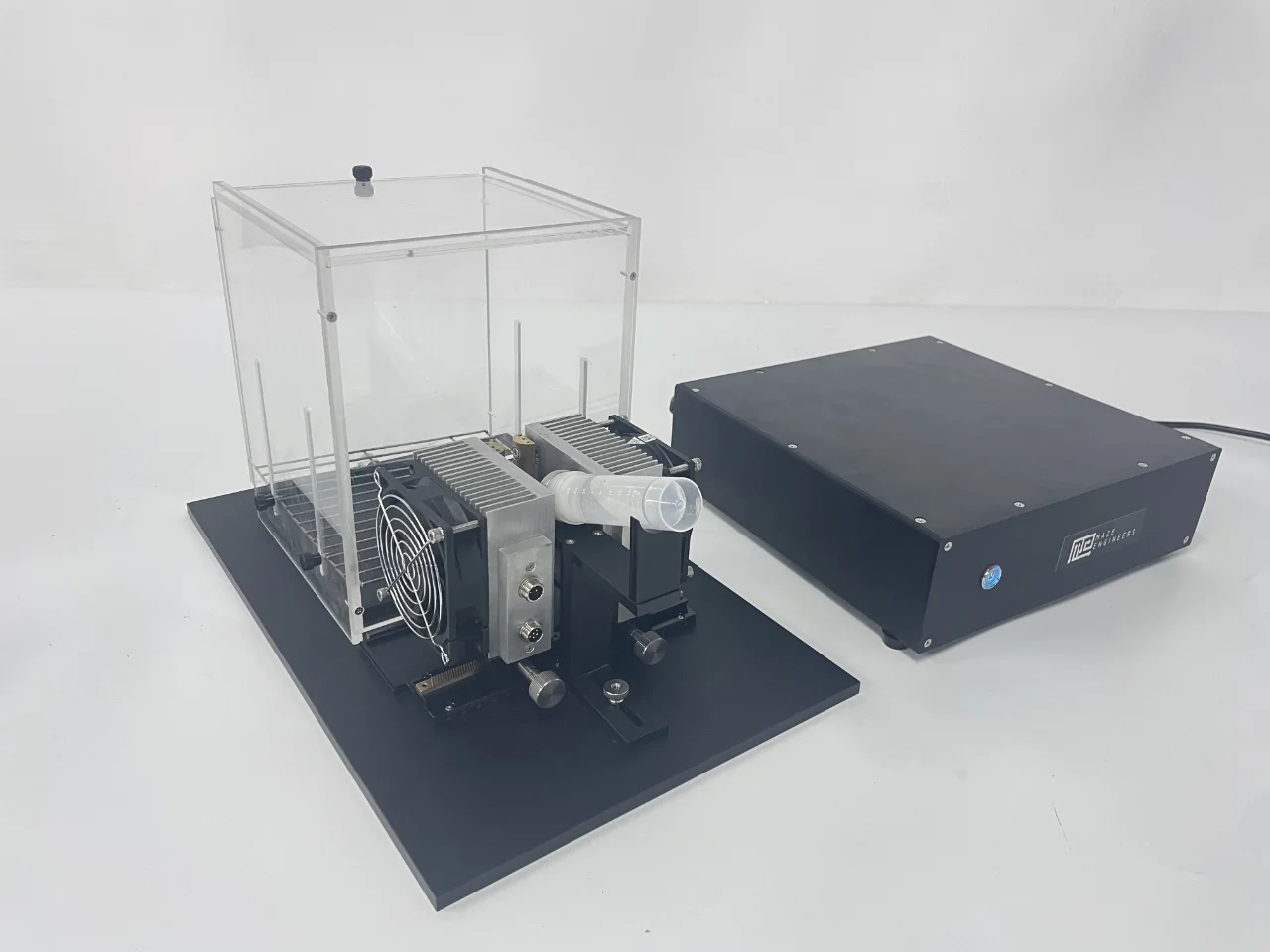
- Clear Acrylic Chamber with a metal base
- Dual Peltier-controlled temperature thermodes or mechanical protrusions
- Feces and urine tray - removable for feces and urine removal
- Software included
- OPAD for Mouse: Chamber Dimensions: 10 x 10 x 20 cm (L x W x H)
- OPAD for Mouse: One Maze Engineers’ reward bottle having a metal spout and lick detection
- OPAD for Rat: Chamber Dimensions: 20 x 20 x 20 cm (L x W x H)
- OPAD for Rat: One Maze Engineers’ reward bottle has a metal spout and lick detection
Cage Material
- Clear acrylic cage with metal base
Custom Dimensions Available
- Yes
Thermode Type
- Dual Peltier-controlled temperature thermodes or mechanical protrusions
Wire Diameters
- 0.010" and 0.007" nickel-titanium wires
Simultaneous Cages Supported
- Up to 16 cages
Removable Waste Tray
- Yes - feces and urine tray
White Noise Control
- Manual start/stop
Reward Bottle Included
- Yes - metal spout with lick detection
Reward Intake Measurement
- Optional - in grams
Adjustable Thermode Distance
- Yes - variable distance between thermodes
Software Integrations
- Neuralynx, Ethovision, SMS and Email
Data Collection Metrics
- Licks, contacts, ratios with duration, latency, frequency measurements
Historical Data Storage
- Yes
Behavioral Construct
- Pain Threshold
- Hyperalgesia
- Allodynia
- Operant Conditioning
- Voluntary Pain Response
- Nociception
- Thermal Sensitivity
Automation Level
- semi-automated
Material
- Clear Acrylic
- Metal
- Nickel-titanium
Temperature Range
- 25°C to 75°C
Dimensions
- Mouse: 10 cm, Rat: 20 cm x Mouse: 10 cm, Rat: 20 cm x Mouse: 20 cm, Rat: 20 cm
Research Domain
- Addiction Research
- Behavioral Pharmacology
- Neurodegeneration
- Neuroscience
- Pain Research
- Toxicology
Compatible Tracking Software
- ConductVision
Shipping weight
- 21.0 lb
Shipping box
- L: 43.2 cm
- W: 38.0 cm
- H: 27.9 cm
| Feature | This Product | Typical Alternative | Advantage |
|---|---|---|---|
| Temperature Control Range | 25°C to 75°C with Peltier precision control | Many systems offer limited temperature ranges or less precise control methods | Enables assessment of both cold and heat hyperalgesia with precise threshold determination critical for dose-response studies |
| Behavioral Measurement Approach | Operant conditioning with voluntary contact assessment | Reflexive withdrawal testing dominates the market | Provides more translationally relevant pain assessment that reflects decision-making processes involved in human pain experiences |
| Multi-System Integration | Neuralynx, Ethovision, SMS and Email integration capability | Standalone systems with limited connectivity options | Enables comprehensive multimodal pain research combining behavior, electrophysiology, and automated monitoring |
| Chamber Configuration | Dual thermode system with species-specific sizing | Single-point stimulation with fixed chamber dimensions | Supports bilateral comparison testing and accommodates both mouse and rat research protocols |
| Data Collection Metrics | Lick frequency, duration, latency, ratios with historical storage | Basic withdrawal latency measurements | Provides comprehensive behavioral analysis for detailed pain phenotyping and longitudinal studies |
| Throughput Capacity | Supports up to 16 simultaneous cages | Single-animal testing systems require sequential processing | Dramatically increases experimental throughput for large-scale pharmacological screening studies |
The OPAD system combines operant behavioral assessment with precise thermal control and comprehensive data integration, providing researchers with a translational pain assessment platform that measures voluntary pain-related decisions rather than reflexive responses. The multi-cage capability and system integration features support high-throughput screening applications while maintaining the behavioral sophistication required for mechanistic pain research.
| Model | Size | SKU | Listed price | Status | Shipping box |
|---|---|---|---|---|---|
| OPAD for Mouse | Chamber Dimensions: 10 x 10 x 20 cm (L x W x H) | ME-8013 | $5,900.00 | Available | 43.2 x 38.0 x 27.9 cm |
| OPAD for Rat | Chamber Dimensions: 20 x 20 x 20 cm (L x W x H) | ME-8013 | $6,490.00 | Available | 43.2 x 38.0 x 27.9 cm |
Pain Research
Quantifying thermal hyperalgesia and allodynia in trigeminal neuralgia models by measuring voluntary contact behavior with temperature-controlled facial stimulation sites.
Behavioral Pharmacology
Evaluating analgesic compound efficacy through dose-response analysis of operant pain behaviors in orofacial nociception paradigms.
Neuroscience
Investigating central pain processing mechanisms by correlating orofacial pain behaviors with neural activity recordings in trigeminal pathways.
Toxicology
Assessing compound-induced facial pain or numbness as adverse effects through systematic behavioral testing protocols.
Neurodegeneration
Monitoring progression of trigeminal nerve degeneration by tracking changes in thermal pain sensitivity over disease course.
Addiction Research
Examining pain-drug interactions by measuring orofacial pain thresholds in animals with substance dependence.
Practical Tips
Calibration
Verify thermode temperature accuracy weekly using an independent calibrated thermometer placed directly on the thermode surface during temperature ramping protocols.
Why: Temperature accuracy is critical for reproducible threshold measurements and comparison between experimental sessions.
Maintenance
Clean thermode surfaces with alcohol wipes between animals and inspect for oxidation or damage that could affect thermal conductivity.
Why: Contamination or surface degradation can alter heat transfer properties and introduce variability in stimulus delivery.
Best Practices
Establish stable baseline operant responding for 3-5 sessions before introducing nociceptive temperatures to ensure behavioral consistency.
Why: Adequate training reduces behavioral variability and ensures that changes in contact behavior reflect pain responses rather than learning effects.
Troubleshooting
If lick detection sensitivity appears reduced, check for buildup on the metal spout and verify electrical connections to the detection circuit.
Why: Contact detection accuracy is essential for reliable behavioral measurement and can be compromised by corrosion or loose connections.
Data Quality
Monitor reward intake measurements alongside contact behaviors to distinguish pain-related changes from motivational alterations.
Why: Decreased contact behavior could reflect reduced motivation rather than increased pain sensitivity, requiring additional behavioral controls.
Safety
Never exceed 55°C for extended exposure protocols and always include temperature monitoring safeguards to prevent tissue damage.
Why: Tissue damage from excessive heat exposure can confound pain assessment and create welfare concerns requiring immediate protocol termination.
Best Practices
Use counterbalanced thermode positioning across animals to control for potential left-right preference biases in operant responding.
Why: Spatial preferences can confound interpretation of pain-related behavioral changes and reduce statistical power for detecting treatment effects.
Data Quality
Collect behavioral data during consistent circadian phases as pain sensitivity can vary significantly across the light-dark cycle.
Why: Circadian variations in pain sensitivity can introduce systematic bias if testing times are not controlled across experimental groups.
Setup Guide
Unpack and Inspect Components
Remove the acrylic chamber, metal base, thermodes, reward bottle, and software package from shipping container. Verify all components are undamaged and complete according to the included inventory list.
Assemble Chamber System
Attach the clear acrylic chamber to the metal base and install the removable waste collection tray. Position dual thermodes at appropriate spacing for the target species dimensions.
Install Reward System
Mount the reward bottle with metal spout and connect lick detection sensors. Verify proper electrical connections and test detection sensitivity with manual contact.
Configure Temperature Control
Connect Peltier thermode controllers and calibrate temperature output using an independent thermometer. Test temperature range from 25°C to 75°C for accuracy.
Install Software and Integration
Load included software on control computer and configure data collection parameters. Test integration with optional Neuralynx, Ethovision, or SMS/Email systems if required.
Conduct System Validation
Run complete system check including thermode temperature profiles, lick detection accuracy, and data logging functions. Document baseline performance metrics.
Animal Acclimation Protocol
Begin with neutral temperature training sessions to establish baseline contact behaviors before introducing nociceptive stimuli. Allow adequate habituation periods for consistent operant responding.
What’s in the Box
- Clear acrylic chamber with metal base
- Dual Peltier-controlled thermodes
- Reward bottle with metal spout and lick detection
- Removable waste collection tray
- Temperature control electronics
- Data acquisition software
- USB interface cables
- User manual and protocol guide
- Calibration tools (typical)
Warranty
ConductScience provides a standard one-year manufacturer warranty covering defects in materials and workmanship, with technical support for software configuration and protocol optimization throughout the warranty period.
Compliance
ARRIVE Guidelines 2.0Supports comprehensive behavioral data collection protocols commonly required for transparent pain research reporting in peer-reviewed publications
IASP Guidelines for Pain ResearchFacilitates operant pain assessment methodologies recommended by the International Association for the Study of Pain for rodent nociception studies
NIH Guidelines for Pain ResearchEnables behavioral pain assessment approaches consistent with NIH requirements for translational pain research funding applications
Protocol and background
History
2.1 Origin
Most pain assays used in preclinical research rely on simple reflexes or innate behaviors to measure pain. These methods, though simple and objective, do not take into consideration other factors associated with pain behavior. Neubert et al. (2005) aimed to develop a system that would allow a better assessment of pain and associated behaviors. The Orofacial Pain Assessment Device was designed to provide the subject with a conflict to either experience the pain to gain a reward or to avoid the aversive stimuli and gain no reward. This system enabled the observation of behaviors that involved different levels of the nervous system. Thus, the OPAD assay improves the translatability of the observation for human applications.
Neubert et al. (2006) investigation revealed that at temperatures 42° C and 45° C significant allodynic and hyperalgesic effects induced by capsaicin could be observed. Another study by Rossi et al. (2006) employed the OPAD to investigate the cold sensitivity of male and female rats. When subjects were evaluated at above-freezing temperatures of 24° C, 10° C, and 2°C, the difference in behavioral performances of males and females could be observed. However, statistical significance was reached only at 10° C temperature. Males were observed to lick less often and consume less milk in comparison to the females.
Since the OPAD relies on affective responses, Rossi and Neubert (2008) used it to evaluate the effects of environmental enrichment on thermal sensitivity. When 7-week-old male hairless Sprague-Dawley rats were maintained in an enriched environment that included objects like cardboard boxes, hammocks, exercise wheels, and other enrichments, an effect on thermal sensitivity could be seen. In comparison to standard cage-maintained rats, enriched rats showed better performance in the OPAD at temperatures 2° C, 24° C, and 45°C. However, though an enriched environment can potentially improve tolerance, the effects do not occur at strongly aversive or pain threshold temperatures.
2.2 Developments
The initial design of the OPAD only employed thermal stimulations. Nolan et al. (2011), further adapted the OPAD to include nickel-titanium wires to act as mechanical stimuli. The cables also conducted electricity, thereby, allowing the experimenters to detect and record actual facial contacts. This addition of a removable mechanical stimulation allowed experimenters to evaluate the pain response to different combinations of stimuli.
Pain alleviation in humans is influenced by transient receptor potential (TRP) cation channels involved in the perception of hot and cold pain. TRPV1 and TRPM8/TRPA1 were altered by capsaicin and menthol administration by Anderson et al. (2014) to investigate the effects of these channels on nociceptive behaviors. OPAD performance observations showed that the co-activation of TRPM8/TRPA1 and TRPV1 made cool temperatures less nociceptive.
2.3 Recent Developments
Nag and Mokha (2016) tested the performances of male and ovariectomized (OVX) Sprague-Dawley rats in the OPAD. The investigation aimed to understand the effects of the activation of the trigeminal α2-adrenoceptor on nociception and hyperalgesia. The investigation was able to highlight the sex-dependent antinociception and antihyperalgesic effects of α2-adrenoceptor. Further, the effects of hormones on the control of pain were also shown suggesting the need for sex-specific therapeutic treatments.
The effect of diets on the reduction of pain was evaluated by Bowden et al. (2017). The study involved the assessment of cocoa flavanols on orofacial pain of male and female Sprague-Dawley rats. It was observed that the subjects that were maintained on cocoa-enriched diets had better pain thresholds when evaluated in the OPAD. The observations led to the suggestion that diet modifications can be potentially used for the management of pain.
Apparatus & Equipment
The OPAD consists of a clear acrylic cage with a metal base. The chamber base has an additional metal grate. On one side of the chamber, an opening to the rewarding feeder is lined with a pair of thermode and nickel-titanium wires to provide thermal stimulations and mechanical stimulations to the orofacial region, respectively. The distance between the thermodes can be varied to accommodate the size of the animal. Further, the temperature (4° to 75°C temperature range) and experimental parameters of the set-up can be controlled and managed using the associated software and the LCD screen. The apparatus is equipped with a reward bottle having a metal spout. Access to the reward is possible only with simultaneous contact with the thermode or mechanical protrusions. The device allows automated data recording.
Training Protocol
Clean the Orofacial Pain Assessment Device thoroughly before and after every use and between subjects. Appropriately illuminate the arena. Ensure that the presence of unnecessary external stimuli is minimized. In addition to the OPAD system’s data acquisition, tracking, and video system can also be used.
Pretraining
Fast the subjects for an appropriate period before training in the OPAD. Place the subject in the chamber and set the thermodes to a non-aversive temperature. Allow the subjects enough time to explore the apparatus. Perform at least 3 trials per week for 2 weeks or until consistent behavior is observed.
Operant procedures are best applied to hairless rodents. In case the rodents have facial hair, it is highly recommended that appropriate methods are used to remove it. Ensure that only the buccal hair and not the vibrissae pad/whiskers are removed to avoid affecting the subject’s behavior. Perform the hair removal procedure 1 to 2 days prior to the testing for accurate results. Apply the treatments before the testing.
Orofacial Pain Assessment
Fill the reward liquid in the reward bottle. Place the reward bottle on the stand such that the subject must make contact with the thermodes on its buccal region to be able to lick the spout. Place the subject in the chamber. Adjust the position of the reward bottle further if the subject’s vibrissa touches it, or the buccal regions do not touch the thermodes. Set the thermodes to the desired temperature and begin the trial set to a predetermined trial length. Repeat the trials as required.
Modifications
The initial Operant Pain Assessment Device was designed only to assess thermal sensitivity. The device involved a pair of thermodes which were constructed using grounded aluminum tubing lining the opening to the reward feeder. Thermal stimulations were induced by pumping water heated or cooled to the required stimulus temperature via flexible polyethylene tubing.
The OPAD design was modified to include a mechanical component. Two rows of nickel-titanium wires were added to the opening to the reward to assess mechanical allodynia, hyperalgesia, and pain in the orofacial region. The effects of varying the diameters of the wires on performance were tested. The thickness of the wire had an impact on the licking/facial contact ratio, with the thicker wire significantly decreasing it compared to the thinner wire. The effects of wire thickness were further assessed after capsaicin and treatments for pain, with different outcomes observed.
The mechanical component of the OPAD was further modified by Rohrs et al. (2015) by using a 360-degree array of looped stainless steel wires. This adaptation aimed to effectively assess mechanical sensitivity by minimizing animal avoidance behavior.
Data Analysis
The Orofacial Pain Assessment Device uses a reward-conflict paradigm to quantify pain behavior. The simple device allows the assessment of pain parameters based on responses to temperatures as well as mechanical stimuli. Thus, allowing a comparison of pain responses within a single system. The apparatus allows the comparison of performances between treated versus untreated groups, and the performances of different disease and lesion groups.
The following measures can be obtained in the OPAD:
- Number of licks (successful attempts)
- Number of contact with thermode/wire
- Reward intake (g)
- Face contact duration/Event ratio
- Reward/Stimulus contact ratio
- The temperature of the thermode during a session
- Latency to approach the reward
- Time spent in contact with thermode/wire
Strengths & Limitations
Strengths
The Operant Orofacial Assessment Devices allow the assessment of mechanical and thermal pain sensitivity within a single system. The setup allows direct comparisons of the performances in both modalities under the same experimental parameters. Unlike traditional pain assays, the OPAD relies on the subject’s voluntary behavior. Further, since the device doesn’t require any restraining, it is relatively less stressful for the subject. The investigator-independent nature of the OPAD offers an effective analysis of pain parameters that is not influenced by investigator bias. The device also encompasses psychological and affective dimensions of pain, thus providing sensitive measures of pain that are reproducible. The simplicity of the system makes it easily adaptable for different investigations.
Limitations
Since the OPAD system relies on voluntary behaviors, training, and testing can be time-consuming. Further, subjects that are not motivated enough may not perform the task. The reliance on voluntary behavior also may result in task duration differences within a group, which can impact the accuracy of the data. The task requires the subjects to be fasted prior to training. This introduces an appetitive factor into the performance. The thermal simulations are effective on hairless skin. Thus, subjects with fur or hair must have it removed prior to testing, which adds additional labor. The rows of wires may not equally apply the mechanical stimuli. Subjects may distribute the effects of the mechanical stimuli by tilting their head. Pain sensitivities of subjects can vary based on their strain, age, and gender. Further, external factors such as olfactory, auditory, or visual stimuli can affect task performance.
Summary & Key Points
- The Operant Pain Assessment Device is used to assess mechanical and thermal sensitivity in rodents.
- The OPAD is based on voluntary behaviors rather than reflex or innate responses to stimuli.
- The reward-conflict paradigm applied in the OPAD provides a sensitive measure of pain thresholds.
- The device incorporates psychological and affective dimensions of pain.
- The OPAD does not require restraining nor applies forced aversive stimuli. Thus, the test is less stressful in comparison to other assays.
- The OPAD is investigator independent and allows for reproducible results.
- Performances in the OPAD may be affected by factors such as strain, age, and other external stimuli.
From the Maze Engineers documentation for this apparatus.
Q
How does operant pain assessment differ from reflexive pain testing methods?
A
Operant testing measures voluntary decision-making behaviors where animals choose whether to contact potentially painful stimuli for rewards, providing more ethologically relevant pain assessment compared to reflexive withdrawal responses that can be influenced by arousal and stress states.
Q
What temperature range is most effective for thermal hyperalgesia detection?
A
The 25°C to 75°C range allows assessment of both cold and heat hyperalgesia, with temperatures above 45°C typically eliciting nociceptive responses in naive animals and lower thresholds indicating hyperalgesic states.
Q
Can the system accommodate both acute and chronic pain model assessment?
A
Yes, the historical data storage and multi-session capability support longitudinal studies for chronic pain models, while the precise stimulus control enables acute nociceptive threshold determination in single sessions.
Q
What training duration is required before pain testing can begin?
A
Animals typically require 3-7 days of neutral temperature training to establish stable operant responding patterns before introduction of nociceptive stimuli, with individual variation based on species and experimental conditions.
Q
How does simultaneous neural recording integration work with the behavioral data?
A
Neuralynx compatibility allows time-synchronized collection of neural activity during operant pain behaviors, enabling correlation analysis between central nervous system responses and voluntary pain-related behaviors.
Q
What maintenance is required for the Peltier thermode system?
A
Regular temperature calibration verification and thermode surface cleaning are essential, with periodic inspection of electrical connections and replacement of thermode elements based on usage intensity and temperature cycling frequency.
Q
Can mechanical and thermal stimuli be applied simultaneously?
A
The dual thermode configuration allows either thermal stimulation on both sides or substitution of mechanical protrusions on one side for combined modality testing protocols.
Q
How sensitive is the lick detection system for contact measurement?
A
The metal spout lick detection provides millisecond-resolution contact timing with sufficient sensitivity to detect brief tongue contacts while filtering artifact from incidental chamber contact or vibration.
Have a question about this product?
Track rodents with ConductVision
ConductVision is our video-tracking software. Record your sessions on video, and it scores standard rodent tests, such as those listed below.
Examples of tests it scores
To check whether ConductVision scores your protocol in this apparatus, ask in your quote request.
Ask a question
Have a question? Just ask.
Send it over and we'll email you a personalized answer — no call, no scheduling.
Personalized email reply
Usually within one business day
Helpful answers published here
Prefer to talk it through?


OroFacial Pain Assessment Device (OPAD)
$6,490.00
Added to quoteView Quote