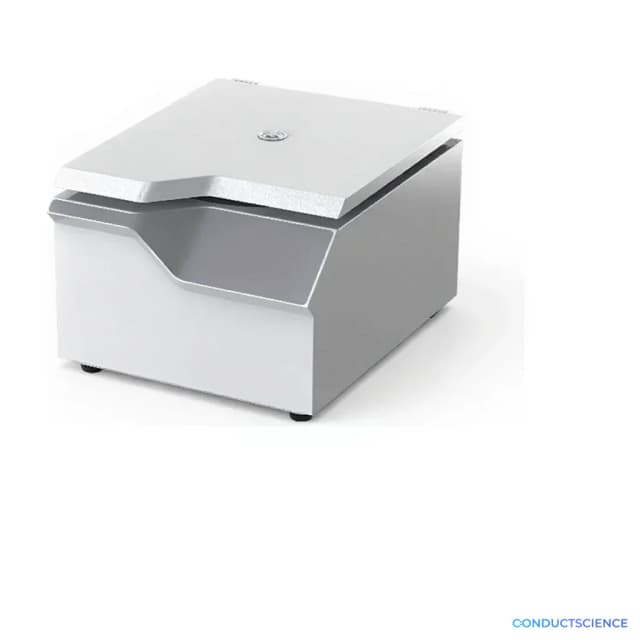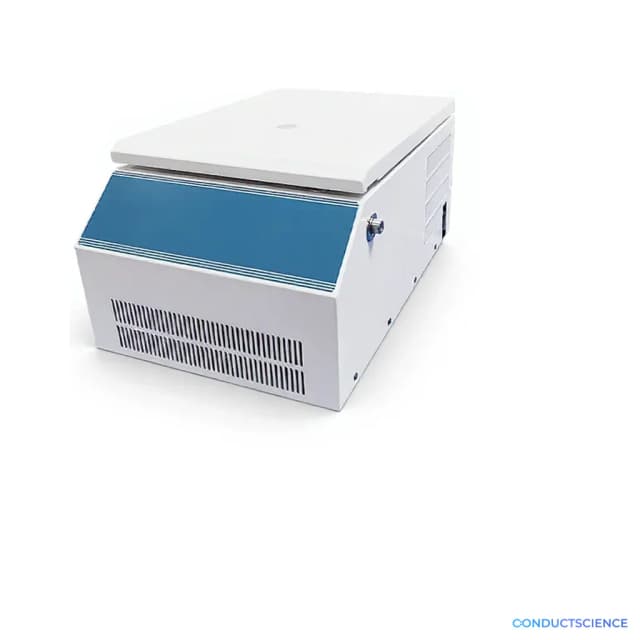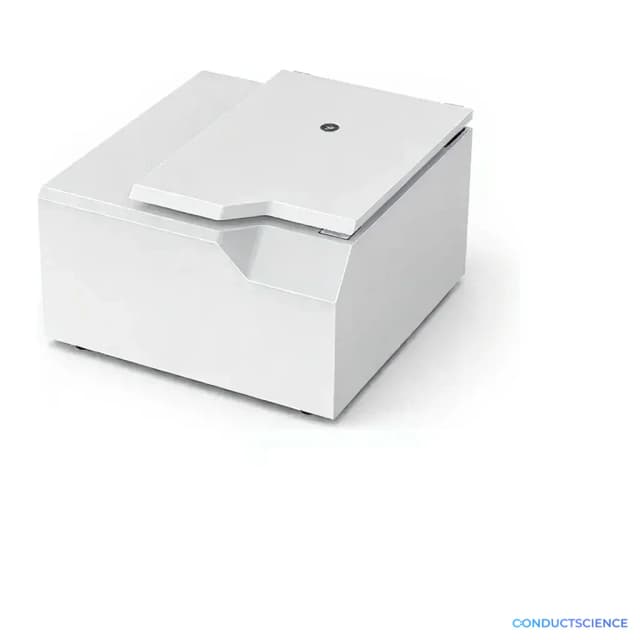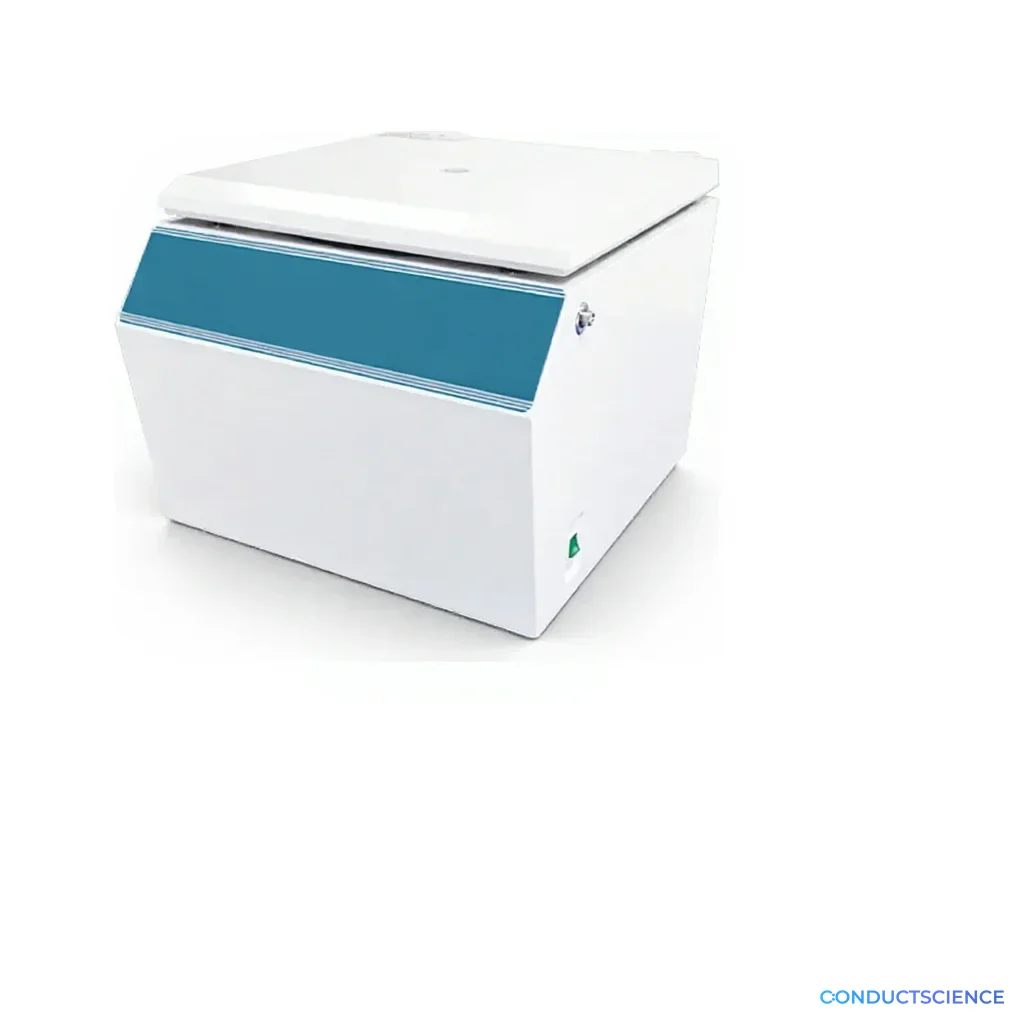
PRP Centrifuge
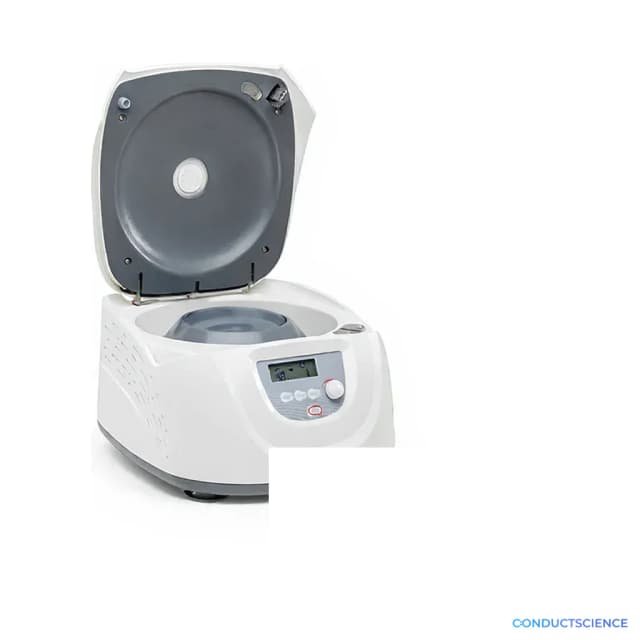
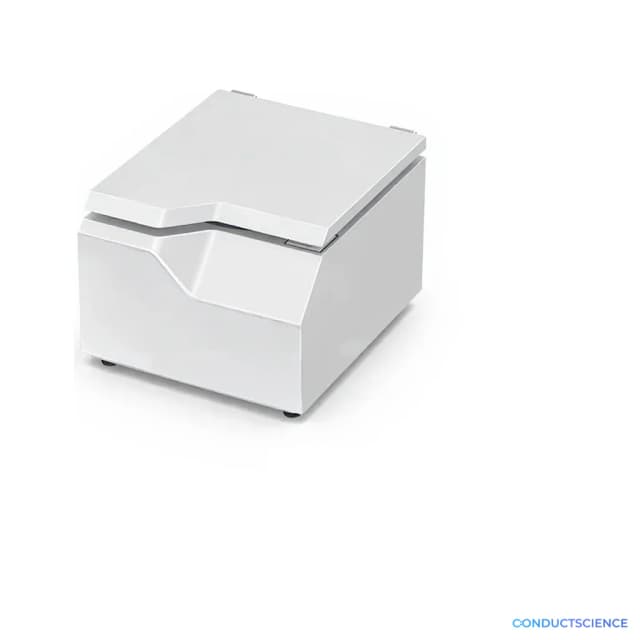
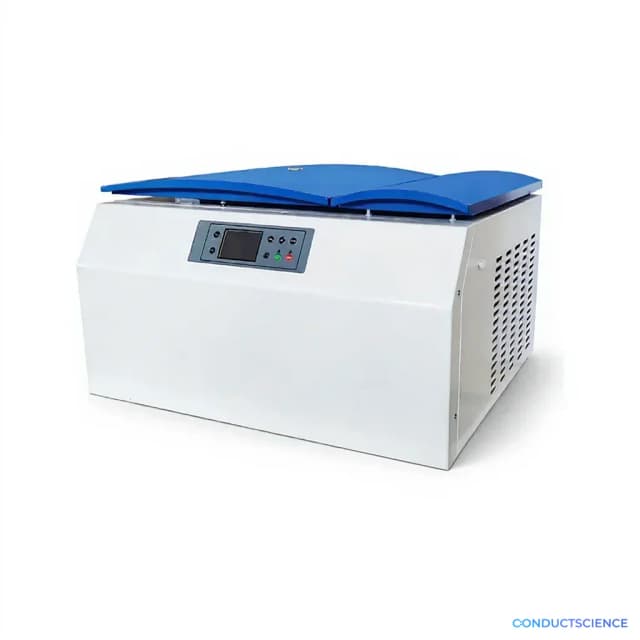
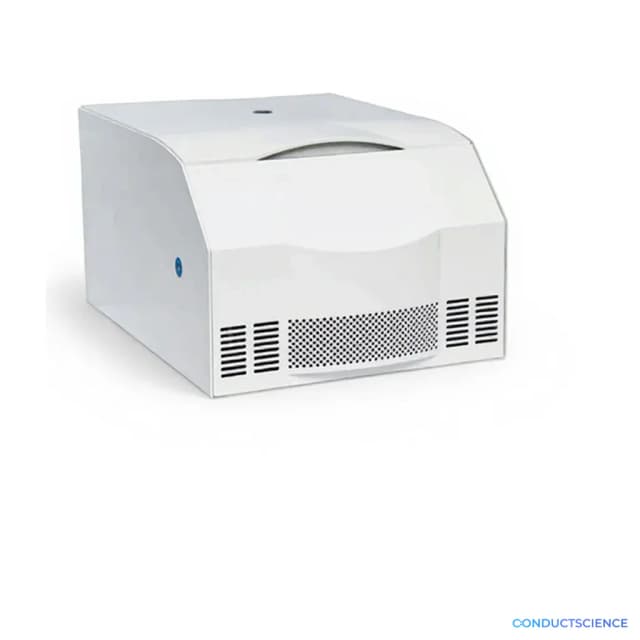
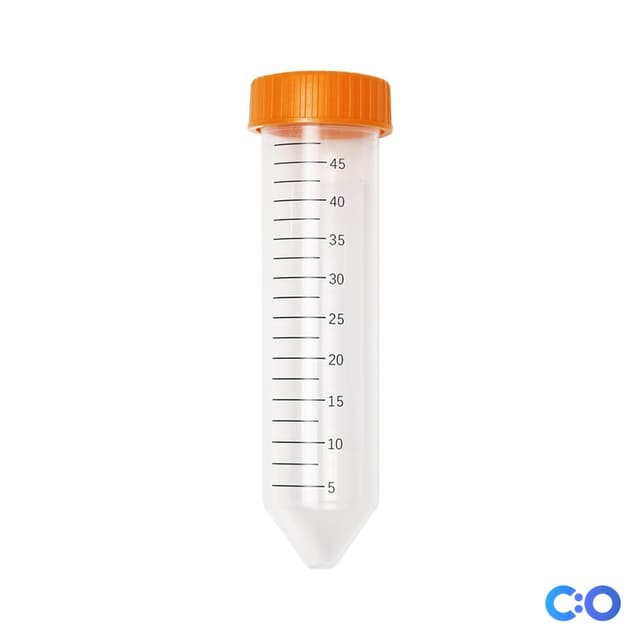
Benchtop centrifuge for PRP preparation and biological sample processing, accommodating 4×50ml tubes at speeds up to 5000 rpm with 3649×g maximum RCF.

The PRP Centrifuge is a benchtop laboratory instrument designed for platelet-rich plasma preparation and general biological sample processing. Operating at speeds up to 5000 rpm with maximum relative centrifugal force of 3649×g, this centrifuge accommodates four 50ml tubes simultaneously for efficient sample throughput. The unit features variable timing from 1 minute to 99 hours 59 minutes with continuous operation capability and short-span modes for flexible protocol implementation.
Constructed for laboratory environments requiring consistent centrifugal separation, the instrument maintains speed accuracy within ±10 rpm while operating at noise levels ≤65 dB. The compact design (440×580×370 mm) fits standard benchtop configurations while providing reliable performance for cell separation, protein precipitation, and sample clarification procedures. Power options include standard AC220V or optional AC110V operation to accommodate different laboratory electrical systems.
How It Works
Centrifugal separation operates on the principle of differential sedimentation under accelerated gravitational force. When samples rotate at high speed, particles experience centrifugal force proportional to their mass, density difference from the medium, and the square of rotational velocity. Denser particles migrate toward the tube bottom while less dense components remain in the supernatant, creating distinct phases based on density gradients.
The PRP Centrifuge generates relative centrifugal force up to 3649×g through high-speed rotation, causing blood components to separate according to their specific densities. Red blood cells (density ~1.09 g/ml) pellet at the bottom, platelets and white cells form an intermediate buffy coat layer, and plasma (density ~1.02 g/ml) remains as the top fraction. This density-based separation enables consistent isolation of platelet-rich plasma with controlled platelet concentrations.
Precise speed control within ±10 rpm ensures reproducible separation profiles, while variable timing allows optimization for different sample types and volumes. The four-tube capacity enables simultaneous processing while maintaining balanced rotor loading for stable operation throughout the centrifugation cycle.
Features & Benefits
Weight
- 41.0 kg
Dimensions
- L: 37.0 mm
- W: 44.0 mm
- H: 58.0 mm
Comparison Guide
| Feature | This Product | Typical Alternative | Advantage |
|---|---|---|---|
| Sample Capacity | 4×50ml tubes | Entry-level models often offer 2×15ml or smaller capacities | Enables simultaneous processing of multiple samples while maintaining proper rotor balance for consistent results. |
| Maximum Speed | 5000 rpm | Basic centrifuges may offer 3000-4000 rpm | Higher speed capability provides greater centrifugal force options for diverse separation protocols. |
| Speed Accuracy | ±10 rpm | Standard models typically offer ±20-50 rpm accuracy | Precise speed control ensures reproducible separation profiles across multiple centrifugation cycles. |
| Timing Range | 1min-99h59min plus continuous | Basic units often limited to 30-60 minute maximum | Extended timing flexibility accommodates diverse protocols from rapid pelleting to prolonged precipitation. |
| Noise Level | ≤65 dB | Standard benchtop units often operate at 70-80 dB | Quieter operation allows placement in occupied laboratory spaces without excessive acoustic disruption. |
| Power Options | 220V standard, 110V optional | Many models offer single voltage configuration | Dual voltage capability provides installation flexibility for international laboratory environments. |
This centrifuge provides balanced performance with 5000 rpm speed capability, precise ±10 rpm control, and four-tube capacity in a compact benchtop design. The extended timing range and quiet operation make it suitable for diverse laboratory protocols requiring reliable centrifugal separation.
Practical Tips
Verify speed accuracy periodically using external tachometer to ensure ±10 rpm specification is maintained.
Why: Speed accuracy directly affects separation reproducibility and platelet recovery rates.
Clean rotor and tube holders after each use, particularly when processing biological samples prone to contamination.
Why: Proper cleaning prevents cross-contamination and maintains optimal separation performance.
Always balance tubes with equal masses positioned opposite each other in the rotor.
Why: Proper balance prevents vibration and ensures safe operation at high speeds.
Allow rotor to come to complete stop before opening lid to prevent sample disruption.
Why: Opening during deceleration can remix separated components and compromise results.
If excessive vibration occurs, stop immediately and check tube balance and rotor installation.
Why: Imbalanced loads can damage bearings and affect long-term instrument reliability.
Record actual run parameters including final speed and time for protocol documentation.
Why: Documented parameters enable protocol reproducibility and troubleshooting of variable results.
Pre-cool centrifuge if processing temperature-sensitive biological samples.
Why: Temperature control prevents heat-induced sample degradation during extended centrifugation cycles.
Inspect power cord and electrical connections regularly for wear or damage.
Why: Electrical safety is critical for laboratory personnel and prevents equipment damage.
Setup Guide
What’s in the Box
- PRP Centrifuge main unit
- Standard rotor assembly (typical)
- Power cord
- User manual and operation guide
- Safety instructions
- Warranty documentation (typical)
- Tube adapters (typical)
Warranty
ConductScience provides standard one-year manufacturer warranty covering parts and labor with technical support for proper operation and maintenance guidance.
Compliance
What is the maximum tube volume and how many samples can be processed simultaneously?
The centrifuge accommodates four 50ml tubes simultaneously, allowing efficient batch processing while maintaining proper rotor balance for stable operation.
How precise is the speed control for reproducible separations?
Speed accuracy is maintained within ±10 rpm across the full operating range, ensuring consistent separation profiles and reproducible results between runs.
What centrifugal force is achieved at maximum speed?
Maximum relative centrifugal force reaches 3649×g at 5000 rpm, providing sufficient force for complete blood component separation and platelet concentration.
Can the centrifuge accommodate different tube sizes beyond 50ml?
Consult product datasheet for rotor compatibility and adapter options for alternative tube sizes and configurations.
What is the typical noise level during operation?
Operating noise remains at or below 65 dB, allowing placement in occupied laboratory spaces without excessive acoustic disruption.
How long can the centrifuge operate continuously?
The unit supports continuous operation mode plus timed runs from 1 minute to 99 hours 59 minutes for extended protocols.
What power requirements are needed for installation?
Standard power supply is AC220V, 50/60Hz with optional AC110V, 50/60Hz configuration available for different laboratory electrical systems.
How does this compare to higher-capacity centrifuges for PRP preparation?
This benchtop model balances processing capacity with space efficiency, suitable for laboratories with moderate sample throughput requirements rather than high-volume clinical production.
Have a question about this product?
Replacement Parts & Consumables
Upgrade Options