ConductVision
$1,490 per year for one computerA 5-year license is $3,990 in total.
The same license also scores standard tests such as the open field, the elevated plus maze, the Y-maze and the Morris water maze. Results export as CSV files.

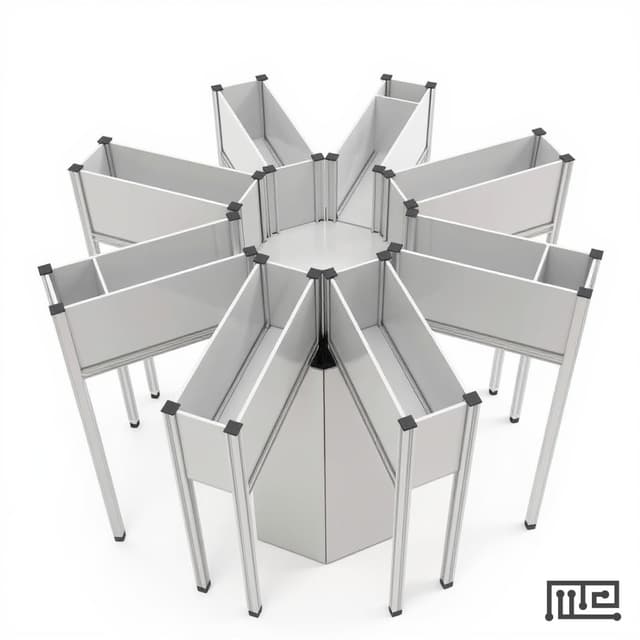
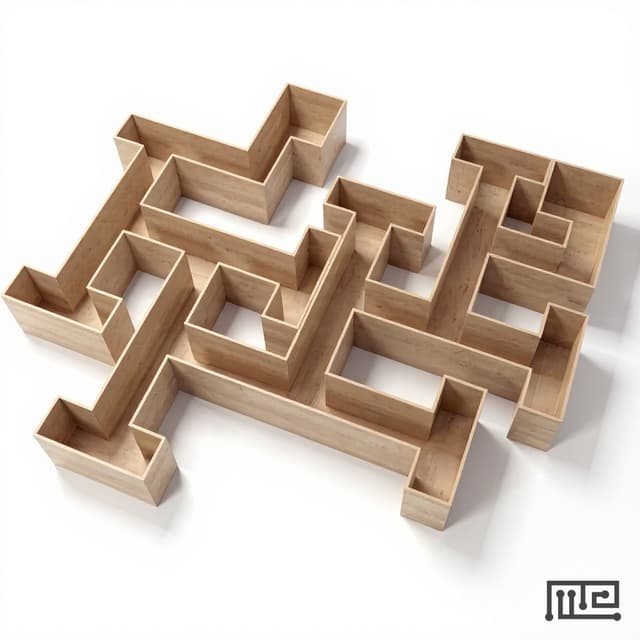
Eight-arm radial maze for assessing spatial working memory and reference memory in mice and rats through food-motivated foraging tasks.

Director of Science · ConductScience
Ask Louise about Radial Arm Maze fit, setup, configuration, or quote prep.
Already working with us? Sign in to connect this with My Scientist.
...mounted on a fixed stand. The floors were gray, and the walls were made of clear plexiglass (Maze Engineers®, Skokie, IL).
Maze Engineers, the maker named in the paper, is part of ConductScience.
Last counted
From 2021 to 2025, 219 animal research papers mentioned the radial arm maze. The count covers the test on any apparatus, not only this one.
The Radial Arm Maze (RAM) is a standardized behavioral apparatus designed for assessing spatial working memory and reference memory in rodents. The traditional eight-arm configuration presents subjects with a central platform from which eight arms radiate outward, each potentially containing food rewards at the distal end. Animals must utilize spatial working memory to track previously visited arms and avoid re-entries while foraging efficiently.
The maze relies on the subject's ability to encode spatial relationships between arms using extramaze and intramaze cues present in the testing environment. This paradigm has proven particularly valuable for investigating hippocampal-dependent spatial memory processes and has been extensively validated in studies of neurodegenerative disease models, brain injury, and pharmacological interventions affecting cognition.
The Radial Arm Maze exploits the natural foraging behavior of rodents while requiring spatial working memory to achieve optimal performance. In the standard protocol, each of the eight arms is baited with food reward at the distal end. The subject begins from the central platform and must visit each arm once to collect all rewards while avoiding re-entries to previously visited arms.
Successful performance requires encoding the spatial location of each arm relative to extramaze visual cues (room landmarks, experimenter position) and potentially intramaze cues (texture, odor, local visual markers). Working memory errors occur when subjects re-enter previously visited arms within the same trial, while reference memory errors occur when subjects consistently enter never-baited arms across multiple sessions in partial-baiting protocols.
The task engages the hippocampal formation for spatial mapping and working memory, while prefrontal cortical areas contribute to strategic planning and error monitoring. Performance metrics include total errors, working memory errors, reference memory errors, trial completion time, and foraging strategy analysis.
| Add-on | Fits | Size | Price | Details |
|---|---|---|---|---|
| Food Wells | $200 | |||
| Doors for 8 Arms | Mouse or Rat | Cut to fit | $200 | |
| Goal Box | Mouse - 9cm width, 9cm width, 10 cm height Rat - 16cm width, 9cm width, 10 cm height | $100 | ||
| Single Push button manual light | $150 | Used for light cues and win shift experiments. Manual implementation and removable. Available for mice or rat | ||
| 6 Arm Radial Maze | $1,690 | 6 arm radial maze for mice nad rats. available with same modifications including doors, goal boxes, light cues, backlights. Mouse: Rat (prices listed: $1,690, $1,790) | ||
| Waterproofing | $400 | |||
| Goal Box | Mouse - To Fit Rat - To Fit | $500 | ||
| Y Maze Insert | $350 | Made to fit your RAM. Turns the 8 arm radial into a Y maze | ||
| Leg Stand | $500 | Elevates your RAM |
Add any of these to your quote request.
These IDs come from NCBI Taxonomy. Use them in data records and methods sections.
NCBITaxon:10090 NCBITaxon:10116 | Measurement | Mouse | Rat |
|---|---|---|
| Arm length | 35 cm | 50 cm |
| Arm width | 5 cm | 10 cm |
| Wall height | 10 cm | 20 cm |
Ready for RO-Crate, the open standard for sharing data.
| Feature | This Product | Typical Alternative | Advantage |
|---|---|---|---|
| Arm Configuration | Standard 8-arm design with optional 6-arm variant | Fixed configurations typically offer fewer customization options | Allows researchers to match task complexity to subject cognitive capacity and experimental requirements |
| Species Compatibility | Dedicated mouse (5cm width) and rat (10cm width) configurations | Single-size designs may compromise performance for one species | Optimizes arm dimensions for natural locomotion patterns and spatial scaling appropriate for each species |
| Central Platform Size | 34cm diameter central platform | Smaller platforms may limit movement flexibility | Provides adequate space for natural orientation behaviors and decision-making processes during arm selection |
| Modular Components | Optional guillotine doors, goal boxes, light cues, and maze inserts | Basic models often lack protocol customization options | Enables multiple behavioral paradigms and experimental protocols within a single apparatus investment |
| Wall Height Design | Species-specific heights (10cm mice, 20cm rats) | Uniform wall heights may be inappropriate for species differences | Prevents escape while maintaining visual access to extramaze cues essential for spatial navigation |
This radial arm maze system offers comprehensive spatial memory assessment capabilities through species-optimized dimensions, modular protocol components, and standardized construction suitable for multi-paradigm behavioral studies. The eight-arm configuration with optional six-arm variant provides flexibility for different cognitive capacity requirements while maintaining established protocol compatibility.
| Model | Size | SKU | Listed price | Status | Shipping box |
|---|---|---|---|---|---|
| Mouse | Arm length 35 cm · Arm width 5 cm · Wall height 10 cm | CS-958426-01-CLEAR (+5) | $2,090.00 | Available | 65.0 × 36.0 × 27.0 cm |
| Rat | Arm length 50 cm · Arm width 10 cm · Wall height 20 cm | CS-958426-02-CLEAR (+5) | $2,490.00 | Available | 65.0 × 36.0 × 27.0 cm |
Verify arm alignment using a protractor to ensure 45-degree spacing between arms, and measure arm lengths to confirm species-appropriate dimensions.
Why: Consistent spatial geometry ensures reliable spatial encoding and prevents systematic biases in arm selection patterns.
Inspect and tighten all connection joints monthly, checking for warping or damage that could affect structural integrity.
Why: Maze movement during testing can disrupt spatial cue relationships and compromise data validity.
Establish a standardized room setup with fixed extramaze cues and document their positions for consistent replication across sessions.
Why: Spatial memory performance depends critically on stable environmental landmarks for accurate navigation.
Record ambient lighting conditions and time of day for each session to control for circadian effects on cognitive performance.
Why: Both lighting levels and circadian phase can significantly influence spatial learning and memory consolidation processes.
Define clear criteria for arm entry (e.g., all four paws past the threshold) and train observers to consistent scoring standards.
Why: Standardized entry criteria prevent scoring variability that can obscure treatment effects and reduce statistical power.
If subjects show persistent side biases, rotate the maze orientation randomly across trials or block maze access until proper baiting is complete.
Why: Side preferences can mask spatial memory deficits and lead to ceiling or floor effects in performance measures.
Ensure maze height is appropriate for the testing surface to prevent injury from falls, especially when using elevated platform configurations.
Why: Subject injury can compromise both animal welfare and experimental validity through stress-related performance changes.
Allow 15-20 minute intervals between subjects for thorough cleaning and to prevent residual arousal or stress effects from affecting subsequent animals.
Why: Adequate inter-subject intervals prevent carry-over effects and ensure each animal begins testing under equivalent conditions.
ConductScience provides a one-year manufacturer warranty covering defects in materials and workmanship, with technical support available for protocol optimization and troubleshooting.
Background reading relevant to this product:
Specifications, models, materials, and operating envelopes
What is the Radial Arm Maze?
The Radial Arm Maze is a behavioral apparatus with multiple arms (typically 8) radiating from a central platform, used to assess spatial reference and working memory in rodents through food-reward paradigms.
How does the Radial Arm Maze work?
Food rewards are placed at the end of selected arms. Rodents must remember which arms contain rewards (reference memory) and which arms they have already visited (working memory). Errors of both types are quantified across trials.
What research applications use the Radial Arm Maze?
The Radial Arm Maze dissociates reference from working memory, making it valuable in Alzheimer's research, cholinergic system studies, and assessment of hippocampal and prefrontal cortex function.
Each paper below used this product. Under each title is the paper’s own sentence naming the equipment it used.
...mounted on a fixed stand. The floors were gray, and the walls were made of clear plexiglass (Maze Engineers®, Skokie, IL).
...arm maze is a clear acrylic 8 arm maze with arms radiating from an octagonal center platform (Maze Engineers, Skokie, IL).
...was conducted with an eight-armed commercially available radial arm maze with a center platform (MazeEngineers, Skokie, IL, USA).
Training took place on a custom automated radial maze (Maze Engineers, Cambridge, MA) with a 33.2 cm wide hub and pneumatic drop doors at the entrances to the 8 arms, each measuring 48.26 cm long, 10.79 cm wide with 20.95 cm tall walls.
Spatial learning/memory was assayed using an automated 8 arm radial maze (Fig. 3a; MazeEngineers, Cambridge, MA, USA) integrated with EthoVision XT video tracking software (Noldus, Leesburg, VA,...
Research data
219 animal research papers in PubMed from 2021 to 2025 mention the radial arm maze test
37% fewer than the 349 papers from 2011 to 2015
These counts are for the test, whoever made the apparatus, not for this product.
The lists below cover 2021 to 2025, the years in the band.
Hover over a bar to see its year. Click or tap a bar to show only that year in the lists below, or drag across the bars to show a span of years. On a keyboard, use the arrow keys on the chart to read each year, and the menus below it to pick the years.
A paper can mention more than one species, test or condition, so the percentages can add up to more than 100%.
To put a whole battery on one quote, open the test battery tool and start from the radial arm maze test. Pick the other tests your study will run, then add the apparatus we sell for each.
By papers from 2021 to 2025, the radial arm maze test ranks 39th of the 90 tests we track.
Of the 219 papers from 2021 to 2025, 48 name errors of any kind in the title or abstract, more than any other measure.
Next come working memory errors (18 papers) and reference memory errors (16 papers).
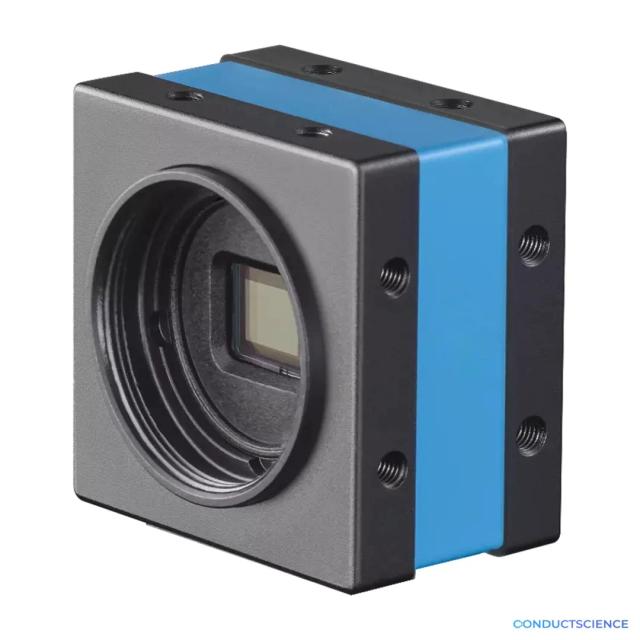
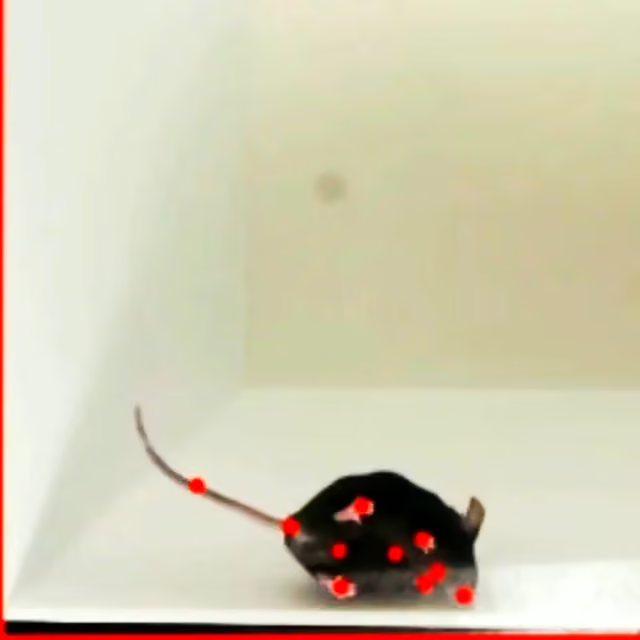
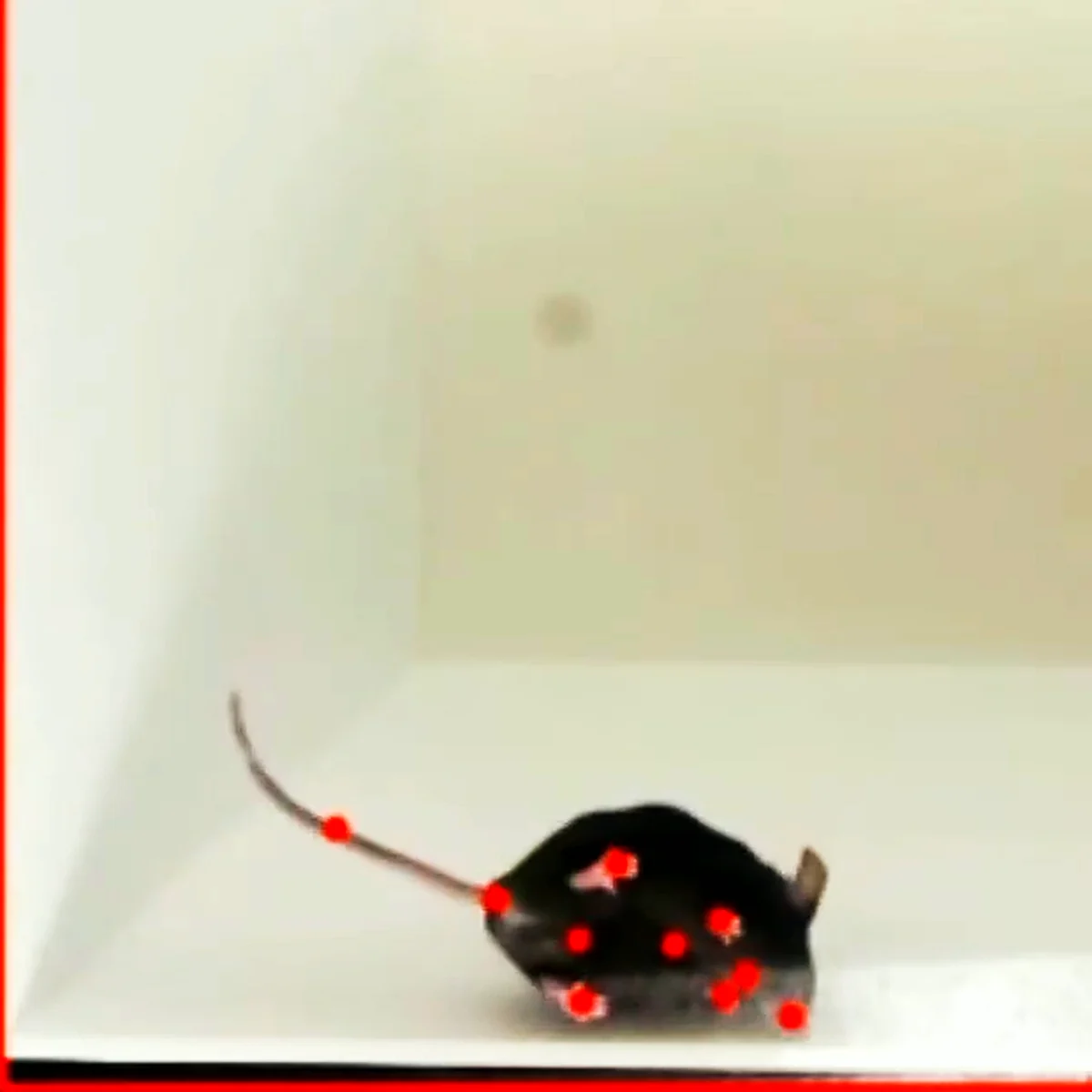
ConductVision reports errors of any kind, working memory errors and reference memory errors from video.
Papers per year for the 5 measures we trackConductVision is our video-tracking software. Record your sessions on video, and it reports the measures listed below.
A 5-year license is $3,990 in total.
The same license also scores standard tests such as the open field, the elevated plus maze, the Y-maze and the Morris water maze. Results export as CSV files.
Send it over and we'll email you a personalized answer, with no call or scheduling.
Prefer to talk it through?
Enhance your setup with compatible accessories
Creator Insights
David S. Olton was a behavioral neuroscientist and professor of psychology at Johns Hopkins University, where he spent most of his career until his death in 1994. In 1976 he and Robert J. Samuelson introduced the radial arm maze, showing that rats use a distinct spatial memory system to track which arms they have already visited within a foraging session. The paradigm gave direct behavioral evidence for the hippocampus’s role in spatial working memory, a finding foundational to the cognitive neuroscience of memory. The radial arm maze remains one of the most widely used tasks for dissociating working memory from reference memory in rodents.
To view David S. Olton’s publications, visit PubMed.
Did you work with David S. Olton? to suggest corrections or share material for these Creator Insights.
ConductScience celebrates method creators: researchers who, through rigorous and often ingenious experiments, develop the tools that reveal how the brain and body work. These are real scientific discoveries that become everyday instruments for the labs that follow.
Use this apparatus with
Automate arm entries, repeat entries, latency, path order, and baited-arm performance from overhead video.
ConductVision Radial Arm Maze ->Habituation, food restriction, baiting schedules, delay variants, and working-memory error definitions.
ConductMaze Radial Arm Maze Protocol ->Free tool for working-memory errors, reference-memory errors, repeat entries, and percent-correct summaries.
Radial Arm Maze Error Calculator ->§ 1
The Radial Arm Maze measures spatial working memory by asking animals to remember which arms they have already visited within a trial. Olton and Samuelson introduced the task to separate efficient place-based search from repeat-entry errors, making it a core assay for hippocampal and prefrontal memory systems. 1
The same apparatus can test working memory, reference memory, win-shift behavior, delayed choice, and baited-arm discrimination. That flexibility makes arm geometry, automation options, error definitions, and control rules important for interpreting repeat entries as memory failures rather than strategy or motivation effects. 1
Food motivation, odor trails, arm preference, lighting, and motor speed all change radial-arm performance. A strong protocol records entry order, latency, unvisited arms, repeat visits, and baited versus unbaited errors so the commercial apparatus supports publishable methods. 1
§ 2
Baited-arm acquisition with entry-order scoring, memory-error classification, and optional delay probes.
Critical methodological constraints
Core radial-arm endpoints for memory, strategy, and motivation checks.
Working-Memory Errors
Within-trial memory
Reference-Memory Errors
Rule memory
Percent Correct
Performance summary
Latency To First Choice
Motivation and initiation
Entry Sequence
Search strategy
+ Additional metrics: arms visited before first repeat, rewards retrieved, omission errors, hub dwell time, arm dwell time, trial duration, and route entropy.
A compact within-trial error index for baited-arm spatial memory.
Estimate the N per group needed to detect a literature-anchored effect at the endpoint you plan to report. Override the defaults with your own pilot numbers.
§ 3
Representative output from an eight-arm baited spatial working-memory trial.
§ 4
Limitations of the paradigm, methodological caveats, and current directions.
Variables that can shift Radial Arm Maze results apart from the effect under study.
Reduced reward seeking or satiety increases omissions and latency without proving a memory deficit.
Reward odor, cleaning differences, and previous path scent can drive choices unless arm cleaning is consistent.
Animals can use a serial route instead of flexible spatial memory. Entry order should be reviewed, not only total errors.
Persistent preference for specific arms can change error counts and mask learning.
Delay probes should be separated from acquisition because they stress retention rather than initial rule learning.
Radial Arm Maze is strongest when the error taxonomy is pre-specified. A repeat entry, an unbaited-arm visit, an omitted baited arm, and a long latency are different behavioral failures and should not be collapsed into one memory label. 1
Use T Maze when the experiment needs a simpler forced-choice, alternation, or reward-discrimination setup with fewer spatial locations and faster daily throughput.
Eight arms are standard because they provide enough choices for repeat-entry scoring, but four-arm and twelve-arm designs can be justified for species, task load, or automation constraints.
Yes. Latency and reward retrieval help separate memory errors from motivation, locomotor, and anxiety-like behavior.
Quarterly editorial review of emerging Radial Arm Maze methodology. Q2 2026
Entry-sequence classification is increasingly important because total error counts miss serial chaining and arm-bias patterns.
Gate-controlled variants make delay periods, forced-choice phases, and reproducible trial timing easier to run.
Food restriction, reward preference, and body-weight tracking should be reported with memory endpoints.
Radial Arm Maze is often paired with MWM, Barnes Maze, and Y Maze to triangulate spatial learning under different stress and motor loads.
§ 5
10 selected methods and validation studies of the Radial Arm Maze, from any lab.