ConductVision
$1,490 per year for one computerA 5-year license is $3,990 in total.
The same license also scores standard tests such as the open field, the elevated plus maze, the Y-maze and the Morris water maze. Results export as CSV files.

Standardized behavioral paradigm for assessing aggression, territorial behavior, and social stress responses through controlled resident-intruder interactions.

Director of Science · ConductScience
Ask Louise about Resident Intruder fit, setup, configuration, or quote prep.
Already working with us? Sign in to connect this with My Scientist.
From 2021 to 2025, 133 animal research papers mentioned the resident-intruder test. The count covers the test on any apparatus, not only this one.
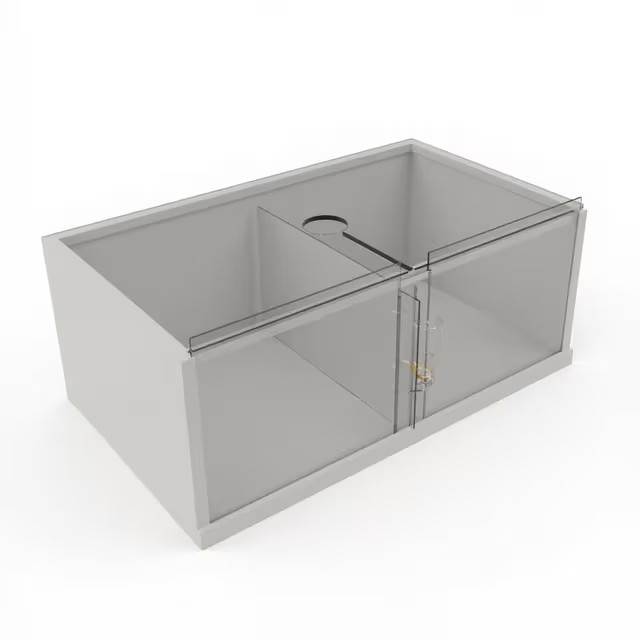
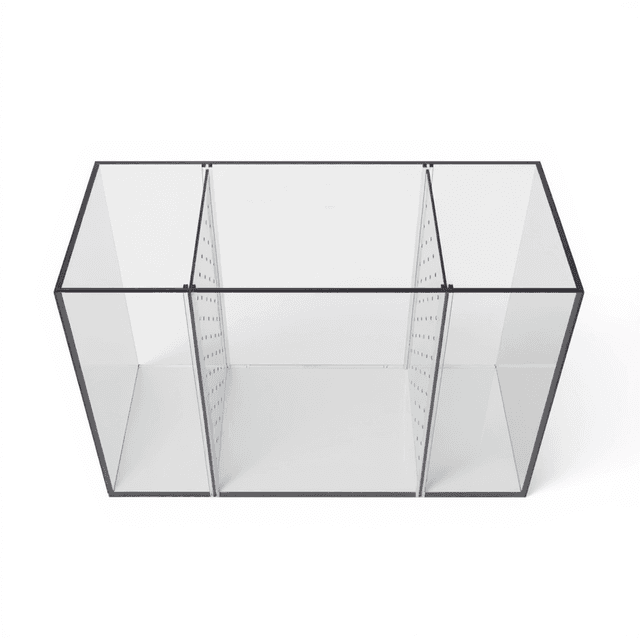
The Resident Intruder test is a standardized behavioral paradigm used to assess aggression, territorial behavior, and social stress responses in laboratory animals. This ethological assessment places a test animal (intruder) into the home cage of an established resident, allowing researchers to observe and quantify aggressive interactions, dominance behaviors, and stress-related responses under controlled conditions.
The paradigm provides a naturalistic approach to studying social aggression by leveraging the innate territorial instincts of the resident animal. Behavioral endpoints include attack latency, attack duration, frequency of aggressive encounters, and various defensive postures. The test generates quantifiable data on social dominance hierarchies, stress-induced behavioral changes, and pharmacological interventions targeting aggression pathways.
The Resident Intruder paradigm exploits the natural territorial instincts of laboratory animals, particularly rodents. A resident animal is established in its home cage for several days to weeks, allowing it to develop territorial behavior and scent marking. An unfamiliar intruder animal is then introduced into the resident's territory, triggering a predictable sequence of social behaviors.
The behavioral response follows an ethologically relevant pattern: initial investigation, threat displays, physical attacks, and establishment of dominance hierarchy. The resident typically displays territorial aggression including lateral attacks, biting, and chasing behaviors, while the intruder exhibits defensive postures such as freezing, submission, and escape attempts. These interactions activate the hypothalamic-pituitary-adrenal axis and release stress hormones, making the paradigm useful for studying both behavioral and physiological stress responses.
Data collection focuses on temporal and frequency measurements of specific behaviors: attack latency (time to first aggressive contact), total attack time, number of attacks, and duration of various social behaviors. Video recording allows for detailed ethological analysis and post-hoc behavioral scoring using standardized criteria.
These IDs come from NCBI Taxonomy. Use them in data records and methods sections.
NCBITaxon:10090 NCBITaxon:10116 Ready for RO-Crate, the open standard for sharing data.
| Feature | This Product | Typical Alternative | Advantage |
|---|---|---|---|
| Behavioral Relevance | Ethologically natural territorial aggression assessment | Artificial aggression models often use shock-induced fighting | Natural territorial behavior provides better translational validity to real-world aggressive interactions. |
| Equipment Requirements | Basic housing and video recording setup | Other behavioral tests may require specialized chambers or shock delivery systems | Minimal equipment needs make the test accessible across diverse research settings. |
| Testing Duration | Rapid behavioral response within 10-20 minute sessions | Chronic social stress paradigms may require weeks of interaction | Efficient data collection enables higher throughput screening of experimental conditions. |
| Behavioral Endpoints | Multiple simultaneous measures including latency, duration, and frequency | Some aggression tests focus on single behavioral measures | Comprehensive behavioral profiling provides detailed characterization of aggressive phenotypes. |
The Resident Intruder paradigm offers a standardized approach to aggression assessment that balances ethological relevance with experimental control. The test provides rapid, quantifiable behavioral data using minimal specialized equipment while maintaining translational validity through natural territorial behavior activation.
| Model | SKU | Listed price | Status | Shipping box |
|---|---|---|---|---|
| Mouse | CS-958220-03 | $1,890.00 | Available | 65.0 × 36.0 × 27.0 cm |
| Rat | CS-958220-04 | $2,290.00 | Available | 65.0 × 36.0 × 27.0 cm |
| Mouse | CS-958220-03-BLUE | $1,890.00 | Available | 65.0 × 36.0 × 27.0 cm |
| Rat | CS-958220-04-BLUE | $2,290.00 | Available | 65.0 × 36.0 × 27.0 cm |
| Mouse | CS-958220-03-CLEAR | $1,890.00 | Available | 65.0 × 36.0 × 27.0 cm |
| Rat | CS-958220-04-CLEAR | $2,290.00 | Available | 65.0 × 36.0 × 27.0 cm |
| Mouse | CS-958220-03-GREY | $1,890.00 | Available | 65.0 × 36.0 × 27.0 cm |
| Rat | CS-958220-04-GREY | $2,290.00 | Available | 65.0 × 36.0 × 27.0 cm |
| Mouse | CS-958220-03-WHITE | $1,890.00 | Available | 65.0 × 36.0 × 27.0 cm |
| Rat | CS-958220-04-WHITE | $2,290.00 | Available | 65.0 × 36.0 × 27.0 cm |
Conduct testing during the animal's active phase (dark cycle for nocturnal species) to maximize territorial behavior expression.
Why: Territorial aggression follows circadian patterns and is most pronounced during natural activity periods.
Use unfamiliar intruders for each test session to prevent habituation and maintain consistent territorial responses.
Why: Repeated exposure to the same intruder reduces territorial aggression through social recognition and habituation.
Record multiple camera angles or use mirror systems to capture behaviors that may be obscured by cage features.
Why: Complete behavioral observation is essential for accurate scoring of rapid aggressive interactions and defensive postures.
Establish predetermined intervention criteria and have separation tools readily available during testing.
Why: Excessive aggression can cause serious injury and must be controlled while maintaining experimental validity.
If residents show low aggression, verify territorial establishment through scent marking observation and extend housing period.
Why: Insufficient territorial behavior development is the most common cause of reduced aggressive responding.
Clean cages between testing sessions but preserve resident scent marks by partial cleaning protocols.
Why: Scent marking is crucial for territorial behavior, but excessive odors can confound behavioral responses.
Validate behavioral scoring criteria through inter-rater reliability testing with experienced observers.
Why: Consistent behavioral definitions across scorers are essential for reproducible aggression quantification.
ConductScience provides comprehensive protocol support and technical consultation for implementing standardized resident-intruder testing procedures. Documentation and training materials are updated to reflect current best practices in behavioral assessment.
Background reading relevant to this product:
Specifications, models, materials, and operating envelopes
What is the optimal duration for establishing territorial behavior in resident animals?
Residents typically require 7-14 days of individual housing to develop strong territorial behavior and scent marking. Longer establishment periods may increase territorial aggression but must be balanced against housing stress effects.
How do you control for size differences between resident and intruder animals?
Match animals within 10-15% body weight when possible. Significant size differences can confound aggression measures, as larger animals may display dominance through physical advantage rather than territorial behavior.
What behavioral measures are most reliable for quantifying aggression?
Attack latency and total attack duration provide the most consistent measures. Frequency counts can be affected by brief, repeated contacts, while sustained aggressive interactions better reflect territorial dominance.
How do you minimize injury risk while maintaining experimental validity?
Establish clear intervention criteria such as prolonged pinning, visible injury, or extreme defensive postures. Brief aggressive encounters are normal, but continuous attacking requires separation to prevent harm.
Can the paradigm be adapted for different species beyond rodents?
The basic principles apply to other territorial species, but behavioral endpoints and timing parameters require species-specific validation. Social structure and territorial displays vary significantly across species.
What environmental factors can influence test results?
Room lighting, noise levels, handling stress, and cage cleaning schedules all affect territorial behavior. Standardize these variables and conduct testing at consistent times to minimize confounding factors.
Research data
133 animal research papers in PubMed from 2021 to 2025 mention the resident-intruder test
About the same as the 138 papers from 2011 to 2015
These counts are for the test, whoever made the apparatus, not for this product.
The lists below cover 2021 to 2025, the years in the band.
Hover over a bar to see its year. Click or tap a bar to show only that year in the lists below, or drag across the bars to show a span of years. On a keyboard, use the arrow keys on the chart to read each year, and the menus below it to pick the years.
A paper can mention more than one species, test or condition, so the percentages can add up to more than 100%.
To put a whole battery on one quote, open the test battery tool and start from the resident-intruder test. Pick the other tests your study will run, then add the apparatus we sell for each.
By papers from 2021 to 2025, the resident-intruder test ranks 50th of the 90 tests we track.
Of the 133 papers from 2021 to 2025, 16 name the number of attacks in the title or abstract, more than any other measure.
Next come attack latency (11 papers) and time spent attacking (5 papers).
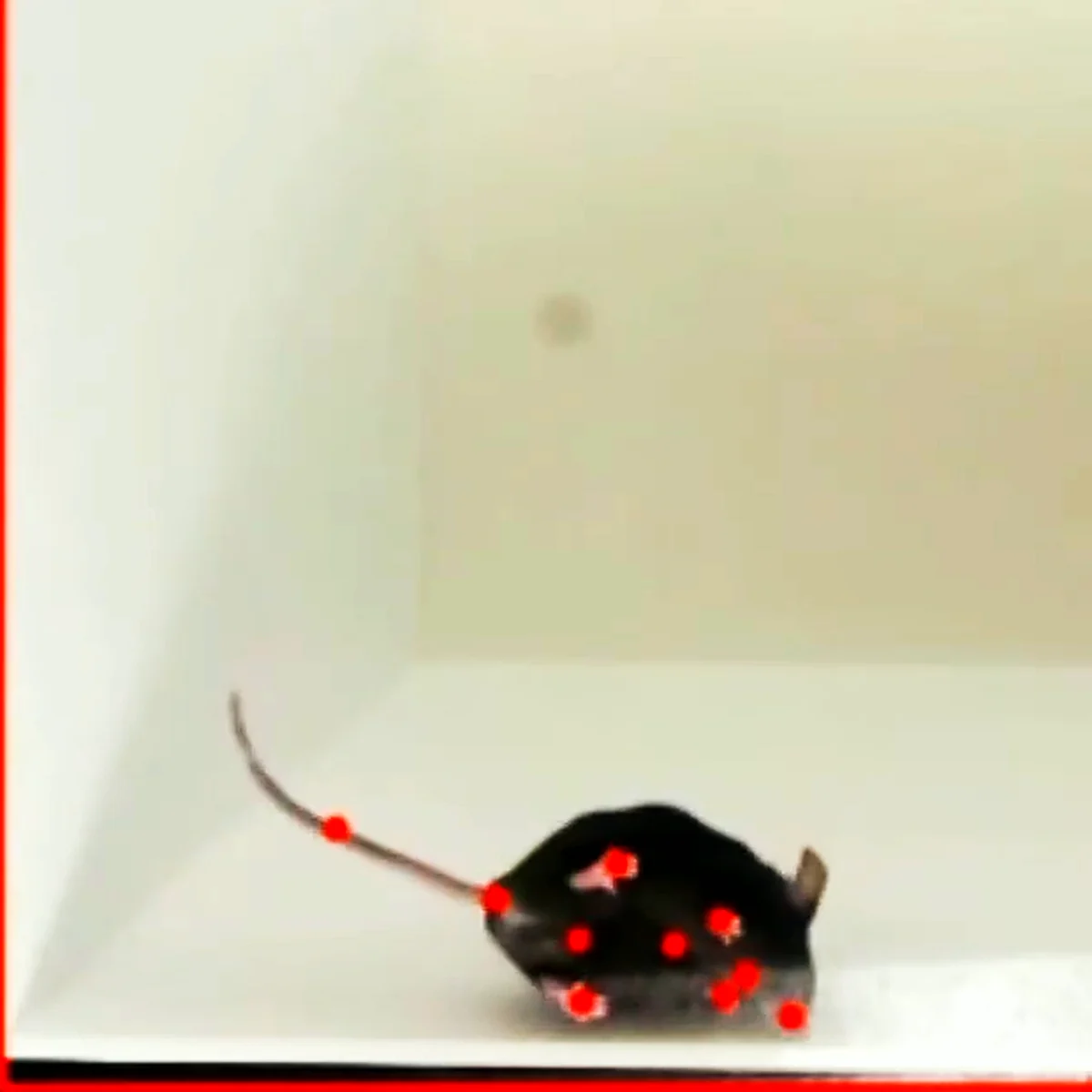
ConductVision reports two of the three from video: attack latency and time spent attacking.
Papers per year for the 3 measures we trackConductVision is our video-tracking software. Record your sessions on video, and it reports the measures listed below.
A 5-year license is $3,990 in total.
The same license also scores standard tests such as the open field, the elevated plus maze, the Y-maze and the Morris water maze. Results export as CSV files.
Send it over and we'll email you a personalized answer, with no call or scheduling.
Prefer to talk it through?