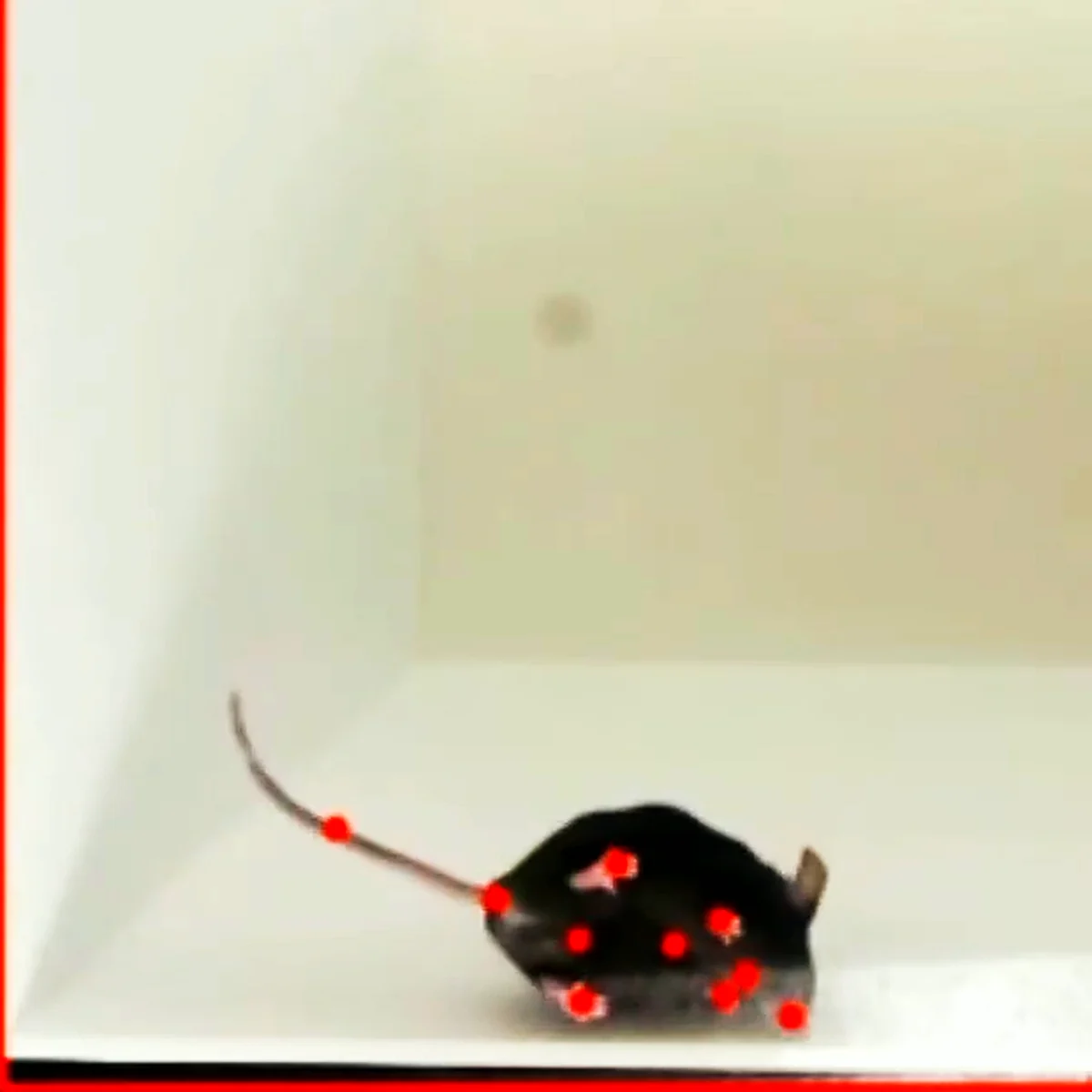

Resident Intruder Optogenetics modification
SKU CS-958219
$34,999.99
IncludesStandard care
Behavioral testing system combining resident-intruder social interaction protocols with optogenetic stimulation for investigating neural circuits underlying aggressive and social behaviors.
Scientist guidance

Louise Corscadden, PhD
Director of Science · ConductScience
Ask Louise about Resident Intruder Optogenetics modification fit, setup, configuration, or quote prep.
Already working with us? Sign in to connect this with My Scientist.
Key Specifications
Full details →- Model fit
- Mouse, Rat
- SKU family
- CS-958219
- Shipping box
- 65.0 x 36.0 x 27.0 cm
- Ordering
- Online checkout and quote request available
- Category
- Behavioral Mazes
- Build notes
- Confirm accessories, station layout, and support needs before purchase
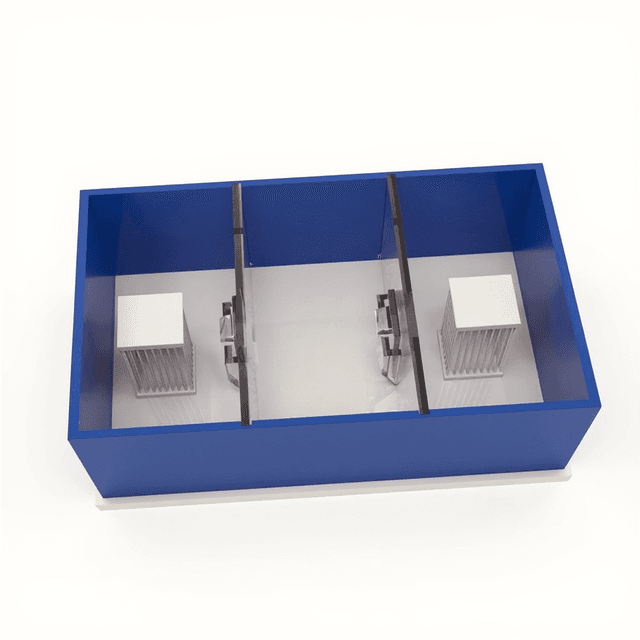
The Resident Intruder Optogenetics modification is a specialized behavioral testing paradigm that combines traditional resident-intruder social interaction protocols with precise optogenetic stimulation capabilities. This system enables researchers to investigate the neural circuits underlying aggressive and social behaviors by allowing real-time manipulation of specific neuronal populations during naturalistic social encounters.
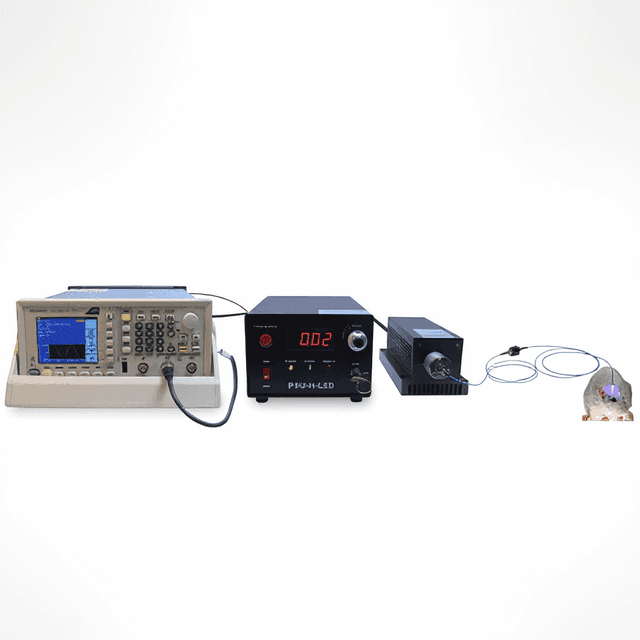
The system integrates optogenetic stimulation hardware with behavioral monitoring equipment to provide synchronized neural circuit modulation during resident-intruder interactions. Researchers can deliver light stimulation to genetically targeted neurons while simultaneously recording behavioral responses, enabling causal investigation of neural mechanisms controlling territorial aggression, social dominance, and defensive behaviors in laboratory rodents.
How It Works
The resident-intruder paradigm exploits natural territorial behaviors in laboratory rodents, where a resident animal defends its home cage against an unfamiliar intruder. The optogenetic modification adds precise neural circuit manipulation through light-activated ion channels (opsins) expressed in genetically targeted neurons. Blue light stimulation activates channelrhodopsin-expressing neurons, while yellow light inhibits neurons expressing halorhodopsin or archaerhodopsin.
During behavioral testing, the resident animal is typically housed in its home cage for several days to establish territoriality. An unfamiliar intruder is then introduced while optogenetic stimulation is delivered through implanted optical fibers. Light delivery can be triggered manually, automatically based on behavioral events, or according to predetermined protocols. The system synchronizes neural stimulation with behavioral recording to establish causal relationships between specific neural activity and behavioral outputs.
Behavioral measures include attack latency, attack duration, defensive postures, and social investigation patterns. The combination of optogenetic manipulation with traditional ethological scoring provides mechanistic insights into the neural basis of aggressive and social behaviors that cannot be achieved through pharmacological or lesion approaches alone.
Features & Benefits
Optogenetic stimulation integration
Enables precise temporal control over neural circuit activity during natural social behaviors, providing causal evidence for neural mechanisms.
Synchronized behavioral recording
Correlates neural manipulations with specific behavioral outputs in real-time, allowing identification of circuit-behavior relationships.
Naturalistic social interaction
Preserves ethologically relevant behavioral context while enabling mechanistic neural circuit investigation.
Flexible stimulation protocols
Accommodates various experimental designs including event-triggered, continuous, or pulsed stimulation paradigms.
Multi-animal compatibility
Supports testing of both resident and intruder animals with different optogenetic constructs for bidirectional circuit analysis.
Quantitative behavioral measures
Provides standardized metrics for aggression, social investigation, and defensive behaviors suitable for statistical analysis.
Behavioral Construct
- Aggression
- Social Interaction
- Territorial Behavior
- Dominance
- Social Hierarchy
Automation Level
- semi-automated
Research Domain
- Addiction Research
- Anxiety and Depression
- Behavioral Pharmacology
- Neuroscience
- Social Behavior
Species
- Mouse
- Rat
Compatible Tracking Software
- ConductVision
Shipping weight
- 6.06 lb
Shipping box
- L: 65.0 cm
- W: 36.0 cm
- H: 27.0 cm
| Feature | This Product | Typical Alternative | Advantage |
|---|---|---|---|
| Neural Circuit Manipulation | Optogenetic stimulation with millisecond precision | Pharmacological approaches offer slower onset and offset | Enables precise temporal control over neural activity during specific behavioral events. |
| Behavioral Context | Naturalistic social interaction environment | Head-fixed preparations limit natural behaviors | Preserves ethologically relevant behavioral repertoires while enabling neural manipulation. |
| Stimulation Specificity | Genetic targeting of specific cell types | Electrical stimulation affects all nearby neurons | Allows selective manipulation of defined neural populations rather than broad regional effects. |
| Reversibility | Immediate onset and offset of neural effects | Lesion studies produce permanent alterations | Permits within-subject experimental designs and reduces animal numbers required for statistical power. |
The system combines the temporal precision of optogenetics with the ethological validity of resident-intruder paradigms, providing researchers with a powerful tool for investigating neural mechanisms of social behavior. The integration of real-time neural manipulation with naturalistic behavioral assessment enables causal determination of circuit-behavior relationships that cannot be achieved through traditional approaches.
Neuroscience
Investigating neural circuits controlling territorial aggression by stimulating or inhibiting specific brain regions during resident-intruder encounters.
Behavioral Pharmacology
Evaluating how optogenetic modulation of neural circuits affects aggressive responses to pharmacological interventions in social conflict paradigms.
Social Behavior
Examining the role of specific neuronal populations in dominance establishment and social hierarchy formation during territorial disputes.
Addiction Research
Studying how substance abuse affects neural circuits involved in social aggression and territorial behavior through optogenetic circuit manipulation.
Anxiety and Depression
Investigating the relationship between mood-related neural circuits and social aggression by modulating specific brain regions during behavioral interactions.
Practical Tips
Calibration
Verify light output power at the fiber tip before each experimental session using a power meter.
Why: Light power can degrade over time due to fiber bending or connector wear, affecting optogenetic efficacy.
Maintenance
Clean optical fiber connectors with isopropanol and lint-free wipes between animals to prevent cross-contamination.
Why: Biological material on connectors can reduce light transmission and introduce confounding variables.
Best Practices
Counterbalance stimulation conditions across animals and test sessions to control for time-of-day effects.
Why: Circadian rhythms can influence both aggressive behavior and neural circuit activity independently of experimental manipulations.
Best Practices
Record baseline behavior in both animals before introducing optogenetic manipulation.
Why: Individual differences in baseline aggression levels must be accounted for when interpreting stimulation effects.
Troubleshooting
If behavioral effects are absent, verify opsin expression levels through histological analysis post-experiment.
Why: Inadequate opsin expression is a common cause of failed optogenetic experiments and must be confirmed for data interpretation.
Data Quality
Use multiple behavioral observers or automated tracking systems to ensure reliable behavioral scoring.
Why: Inter-observer reliability is critical for accurate quantification of complex social behaviors like aggression.
Safety
Monitor animals closely during initial optogenetic sessions for any adverse behavioral or physiological responses.
Why: Some animals may show unexpected reactions to light stimulation that require protocol modification or animal removal from study.
Setup Guide
Prepare Testing Environment
Set up the resident-intruder chamber with appropriate bedding, food, and water access. Ensure the environment is familiar to the resident animal through adequate habituation period.
Install Optogenetic Hardware
Position optical fiber connections and light sources according to the experimental protocol. Verify light output intensity and wavelength specifications before testing.
Configure Recording System
Set up behavioral monitoring cameras and synchronize with optogenetic stimulation timing. Calibrate recording parameters for optimal behavioral analysis.
Prepare Test Animals
Connect optical fibers to implanted ferrules on resident animals expressing appropriate opsins. Allow animals to acclimate to fiber connections before testing begins.
Execute Baseline Recording
Record resident behavior without intruder present to establish baseline activity levels and verify optogenetic stimulation responses.
Introduce Intruder Animal
Place unfamiliar intruder in the resident's territory while initiating behavioral recording and optogenetic stimulation protocol.
Monitor and Document
Continuously monitor animal welfare and behavior throughout testing session. Record all behavioral events and stimulation parameters for subsequent analysis.
What’s in the Box
- Behavioral testing chamber (typical)
- Optogenetic stimulation control unit (typical)
- Optical fiber connectors (typical)
- Light source modules (typical)
- Behavioral monitoring software (typical)
- User manual and protocols (typical)
- Calibration tools (typical)
Warranty
ConductScience provides a standard one-year manufacturer warranty covering hardware components and technical support for system configuration and protocol optimization.
Compliance
IACUC GuidelinesCommonly used in research protocols requiring institutional animal care and use committee approval for behavioral and optogenetic procedures.
NIH Guidelines for Research Involving Recombinant DNASupports research workflows involving genetically modified animals expressing optogenetic constructs under institutional biosafety oversight.
Q
What wavelengths are required for effective optogenetic stimulation?
A
Blue light (470 nm) activates channelrhodopsin variants, while yellow light (590 nm) activates inhibitory opsins like halorhodopsin. Consult product datasheet for specific power output requirements and fiber specifications.
Q
How long should residents be housed before testing?
A
Residents typically require 7-14 days of individual housing to establish territorial behavior, though this varies by strain and experimental design. Shorter periods may reduce territorial responses.
Q
Can the system accommodate different behavioral paradigms?
A
Yes, the optogenetic modification can be adapted for various social interaction protocols including tube tests, three-chamber social tests, and modified resident-intruder paradigms with different timing protocols.
Q
What behavioral measures are typically recorded?
A
Standard measures include attack latency, attack duration, number of attacks, defensive postures, social investigation time, and locomotor activity. Custom behavioral scoring can be implemented based on research needs.
Q
How is optogenetic stimulation synchronized with behavior?
A
Stimulation can be triggered manually by the experimenter, automatically based on behavioral events detected by the monitoring system, or delivered according to predetermined temporal protocols.
Q
What controls are necessary for optogenetic experiments?
A
Essential controls include animals expressing fluorescent proteins without opsins, light delivery without opsin expression, and behavioral testing without light stimulation to distinguish optogenetic effects from artifacts.
Have a question about this product?
Track rodents with ConductVision
ConductVision is our video-tracking software. Record your sessions on video, and it scores standard rodent tests, such as those listed below.
Examples of tests it scores
To check whether ConductVision scores your protocol in this apparatus, ask in your quote request.
Ask a question
Have a question? Just ask.
Send it over and we'll email you a personalized answer — no call, no scheduling.
Personalized email reply
Usually within one business day
Helpful answers published here
Prefer to talk it through?
Accessories
Enhance your setup with compatible accessories

Total: $0.00
Frequently Bought Together
+
+
Total: $11,340.00
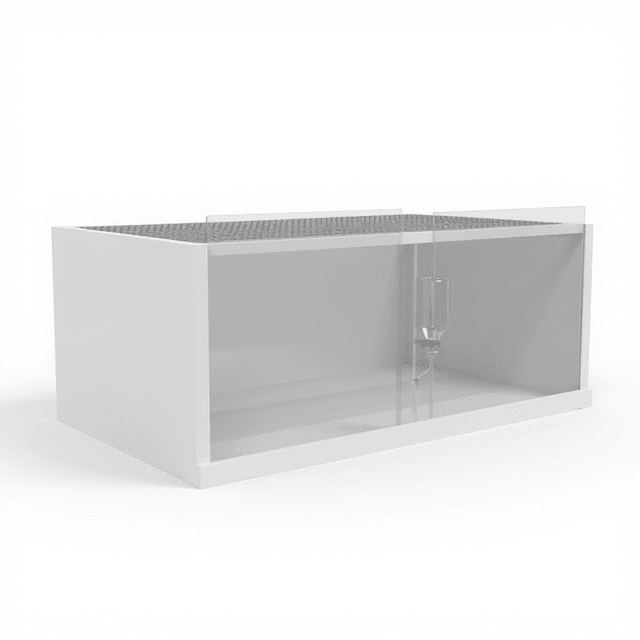
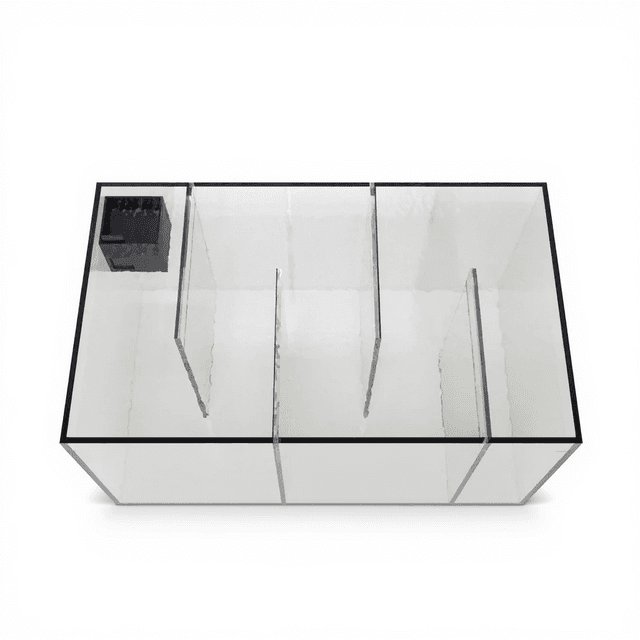

Resident Intruder Optogenetics modification
$34,999.99
Added to quoteView Quote