Salmon Y Maze
Three-arm behavioral maze for assessing spatial learning, working memory, and spontaneous alternation behavior in laboratory rodents.

Louise Corscadden, PhD
Director of Science · ConductScience
Ask Louise about Salmon Y Maze fit, setup, configuration, or quote prep.
Already working with us? Sign in to connect this with My Scientist.
Key Specifications
Full details →- Model fit
- Mouse, Rat
- SKU family
- CS-958167
- Sizing
- Salmon Y Maze: Length 370 cm · Width 120 cm
- Ordering
- Online checkout and quote request available
- Category
- Behavioral Mazes
- Build notes
- Confirm accessories, station layout, and support needs before purchase
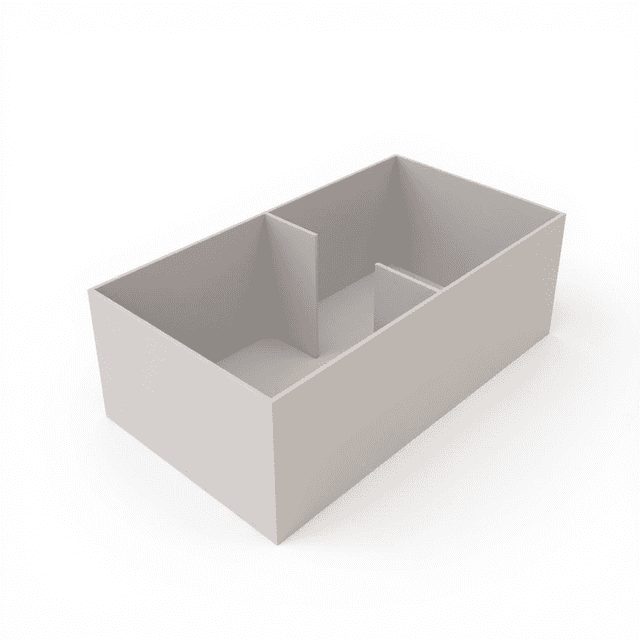
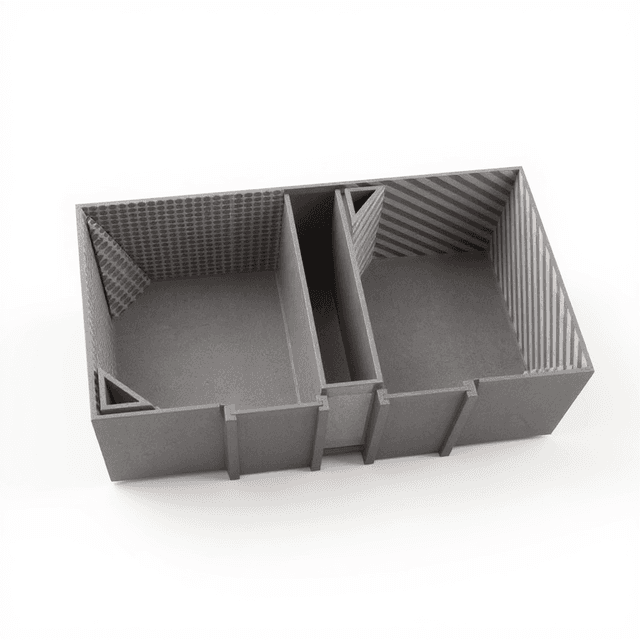
The Salmon Y Maze is a behavioral testing apparatus designed for evaluating spatial learning, memory formation, and decision-making processes in laboratory rodents. This three-arm maze configuration presents subjects with a choice point requiring navigation decisions, making it particularly valuable for assessing working memory, reference memory, and cognitive flexibility in controlled experimental conditions.
The Y-maze design allows researchers to conduct spontaneous alternation tests, novel arm exploration paradigms, and spatial recognition memory assessments. The apparatus supports both automated and manual data collection protocols, enabling quantitative analysis of arm entry patterns, exploration time, and alternation behaviors that reflect underlying hippocampal and cortical memory systems.
How It Works
The Y-maze operates on the principle of spontaneous alternation behavior, a natural tendency in rodents to explore novel environments systematically. When placed in the maze center, subjects must choose between three identical arms, with working memory systems tracking previously visited locations to guide exploration toward unvisited areas.
Spatial memory assessment relies on the hippocampal-dependent navigation system that encodes arm entry sequences. Successful alternation requires subjects to remember recent arm visits while suppressing repetitive exploration patterns. The maze configuration eliminates external spatial cues, focusing assessment on internal working memory processes rather than reference memory for fixed environmental landmarks.
Quantitative analysis involves recording arm entry patterns, calculating alternation percentages, and measuring exploration latencies. Typical protocols include 5-10 minute sessions with analysis of spontaneous alternation rates, which normally exceed 50% chance levels in neurologically intact subjects, indicating functional spatial working memory systems.
Features & Benefits
Sizes by model
| Measurement | Salmon Y Maze |
|---|---|
| Length | 370 cm |
| Width | 120 cm |
| Height | 55 cm |
- Tank size
Behavioral Construct
- Spatial Memory
- Working Memory
- Spontaneous Alternation
- Spatial Learning
- Cognitive Flexibility
Automation Level
- semi-automated
Research Domain
- Aging Research
- Behavioral Pharmacology
- Learning & Memory
- Neurodegeneration
- Neuroscience
- Toxicology
Species
- Mouse
- Rat
Compatible Tracking Software
- ConductVision
Shipping weight
- 6.06 lb
Shipping box
- L: 65.0 cm
- W: 36.0 cm
- H: 27.0 cm
| Feature | This Product | Typical Alternative | Advantage |
|---|---|---|---|
| Arm Configuration | Three-arm symmetrical design | Some mazes offer 4, 6, or 8-arm configurations | Three-arm design provides optimal balance between choice complexity and statistical power for alternation analysis. |
| Testing Protocol | Spontaneous alternation paradigm | Many mazes require extensive training or food restriction | Requires no training period, enabling rapid behavioral screening with minimal subject manipulation. |
| Session Duration | 5-10 minute sessions | Complex mazes often require 30-60 minute testing sessions | Short sessions reduce stress and enable high-throughput testing of multiple subjects per day. |
| Memory Type Assessed | Spatial working memory | Many tests combine working and reference memory components | Isolates working memory function for targeted assessment of hippocampal-dependent cognitive processes. |
| Automation Compatibility | Compatible with video tracking systems | Some mazes require manual scoring or specialized sensors | Supports both automated and manual data collection methods for flexible laboratory integration. |
The Y-maze provides a streamlined approach to spatial memory assessment with rapid testing protocols and minimal subject training requirements. The three-arm design focuses specifically on working memory evaluation while supporting both automated and manual data collection methods.
Practical Tips
Validate video tracking zone definitions by manually verifying automated arm entry detection against direct observation.
Why: Ensures accurate data collection and prevents systematic errors in alternation calculations.
Clean maze surfaces with 70% ethanol between each subject and allow complete drying before next trial.
Why: Eliminates olfactory cues that could bias exploration patterns and confound memory assessment.
Maintain consistent lighting conditions and minimize external noise during testing sessions.
Why: Standardizes environmental conditions to reduce variability in exploratory behavior across subjects.
Exclude trials with fewer than 10 total arm entries to ensure adequate sampling of choice behavior.
Why: Prevents false conclusions from sessions with insufficient exploration activity.
If alternation rates are consistently below 50%, check for environmental biases or equipment positioning issues.
Why: Chance-level performance may indicate systematic problems rather than memory deficits.
Record sessions for later verification of automated tracking accuracy and behavioral scoring.
Why: Enables quality control and validation of automated data collection systems.
Ensure maze walls are sufficiently high to prevent subject escape while allowing clear video tracking.
Why: Maintains subject safety while preserving data collection quality throughout experimental sessions.
Setup Guide
What’s in the Box
- Y-maze main structure with three arms (typical)
- Central platform assembly (typical)
- Assembly hardware and connectors (typical)
- User manual with standard protocols (typical)
- Cleaning and maintenance instructions (typical)
Warranty
ConductScience provides a standard one-year manufacturer warranty covering defects in materials and workmanship, with technical support available for protocol optimization and troubleshooting.
Compliance
References
Background reading relevant to this product:
What is the optimal trial duration for spontaneous alternation testing?
Standard protocols use 5-10 minute sessions, allowing sufficient exploration time while maintaining subject motivation. Longer durations may introduce habituation effects that reduce alternation behavior.
How do you calculate alternation percentage in Y-maze studies?
Alternation percentage equals (actual alternations / possible alternations) × 100, where possible alternations equal total arm entries minus 2. Chance level is 50% for three-arm configuration.
What inter-trial interval is recommended between subjects?
Allow 2-5 minutes between subjects for thorough cleaning with 70% ethanol to eliminate olfactory cues that could influence subsequent animal behavior.
Can the Y-maze be used for forced alternation protocols?
Yes, by blocking access to one arm during sample phase, then opening all arms during choice phase to test delayed memory with controlled inter-trial intervals.
What video tracking parameters should be monitored?
Track total arm entries, sequence of arm visits, time spent in each arm, and latency to first arm entry. Define arm entry as all four paws crossing the arm threshold.
How does Y-maze performance correlate with other memory tests?
Y-maze alternation shows moderate correlation with Morris water maze spatial memory performance but tests distinct working memory components independent of reference memory systems.
What factors can affect spontaneous alternation rates?
Stress, handling procedures, environmental noise, lighting conditions, and inter-trial intervals all influence alternation behavior. Standardize these variables across experimental groups.
Is habituation to the maze necessary before testing?
Brief 2-3 minute habituation sessions can reduce initial stress responses, but avoid over-habituation which may reduce natural exploratory motivation and alternation behavior.
Have a question about this product?
Have a question? Just ask.
Send it over and we'll email you a personalized answer — no call, no scheduling.
Prefer to talk it through?