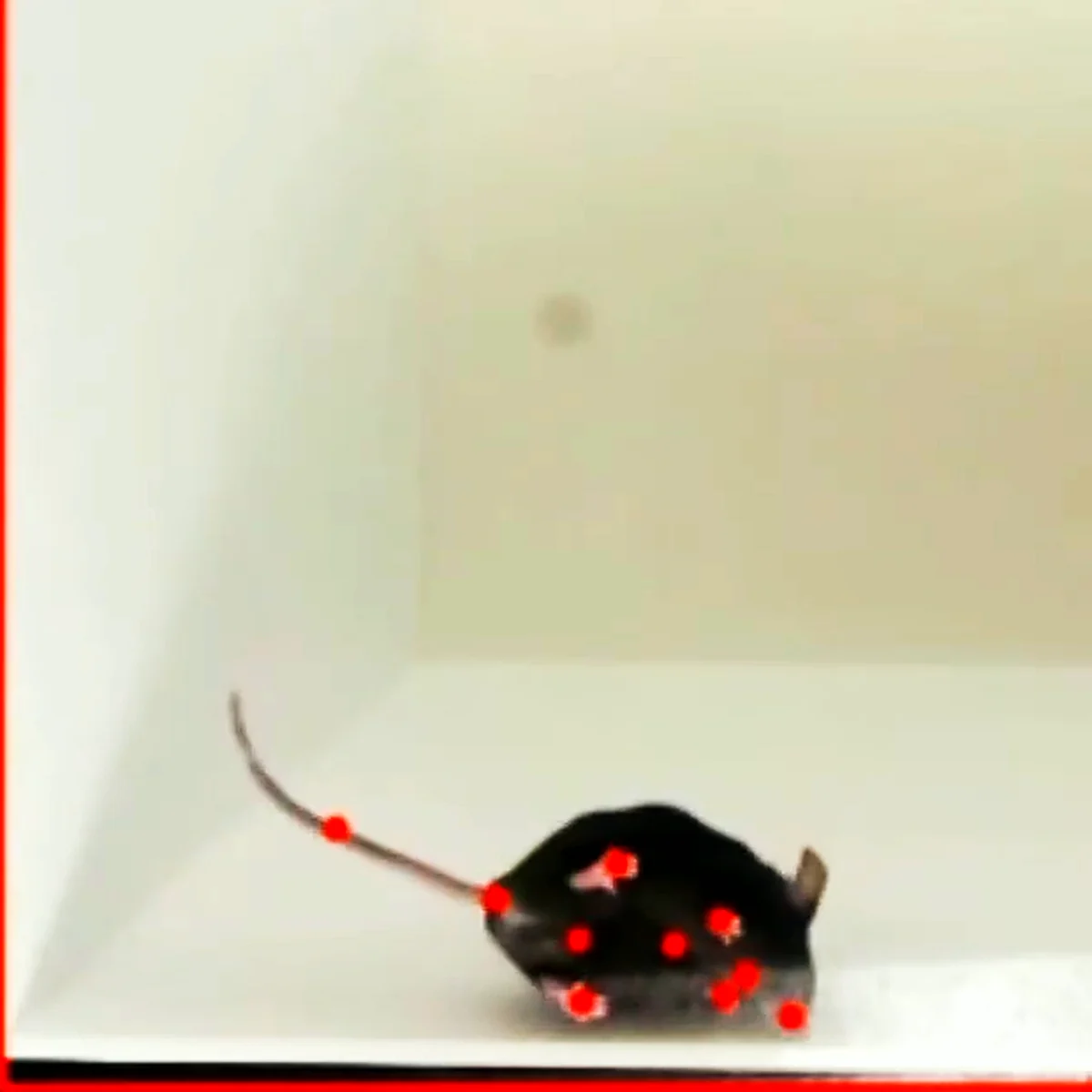

1 / 5
Social Defeat Apparatus
SKU ME-4906/ 4907
In Stock — ships now$1,790.00
IncludesStandard care
Standardized apparatus for chronic social defeat stress protocols, enabling controlled social stress paradigms in mice and rats for depression and anxiety research.
CE MarkedBAA available
Scientist guidance

Louise Corscadden, PhD
Director of Science · ConductScience
Ask Louise about Social Defeat Apparatus fit, setup, configuration, or quote prep.
Already working with us? Sign in to connect this with My Scientist.
Key Specifications
Full details →- Model fit
- Mouse, Rat
- SKU family
- ME-4906/ 4907
- Sizing
- Mouse: Width 42 cm · Length 42 cm; Rat: Width 68 cm · Length 68 cm
- Ordering
- Online checkout and quote request available
- Category
- Behavioral Mazes
- Build notes
- Confirm accessories, station layout, and support needs before purchase
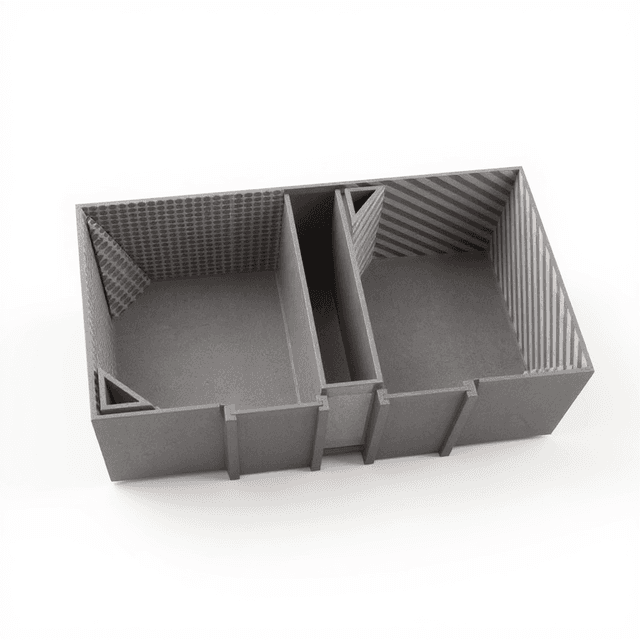
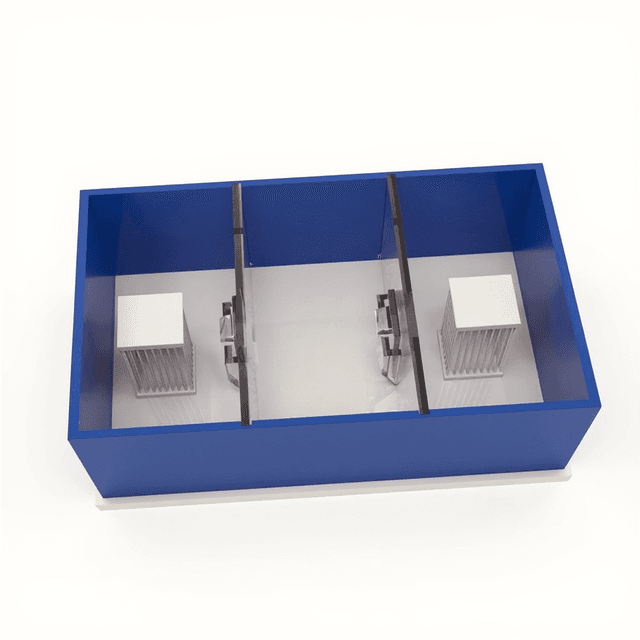
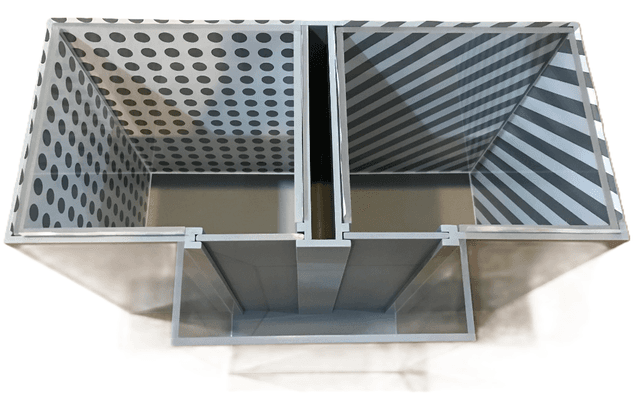
The Social Defeat Apparatus provides a standardized platform for investigating social stress, dominance hierarchies, and depression-like behaviors in laboratory rodents. This apparatus facilitates chronic social defeat stress protocols, where test subjects experience repeated social defeats by resident aggressive animals, modeling aspects of human social stress and depression. The system consists of a mesh enclosure with a removable divider that allows for controlled social interactions while maintaining animal safety.
The apparatus supports both mouse and rat models, with species-specific dimensions optimized for appropriate social distance and territorial behavior expression. The mesh construction enables visual, olfactory, and limited physical contact between animals while preventing injury. This design is essential for chronic social defeat paradigms that require sustained psychological stress exposure without physical harm, making it valuable for studying stress-induced behavioral and neurobiological changes.
How It Works
The Social Defeat Apparatus operates on the principle of establishing controlled social hierarchies through repeated defeat experiences. The resident-intruder paradigm involves placing a test animal in the home territory of an aggressive resident animal, triggering natural territorial and dominance behaviors. The mesh barrier allows sensory contact while preventing severe physical injury, creating psychological stress through social subordination.
During defeat sessions, the intruder experiences acute stress responses including elevated glucocorticoids, sympathetic nervous system activation, and behavioral submission. The removable divider enables researchers to control interaction timing and intensity. Between sessions, continued sensory exposure to the dominant animal maintains chronic stress states through anticipatory anxiety and social avoidance conditioning.
This chronic stress exposure induces measurable behavioral phenotypes including social avoidance, anhedonia, despair-like behaviors, and altered stress reactivity. The standardized dimensions ensure consistent stress exposure across experimental subjects while maintaining species-appropriate spatial relationships for natural territorial responses.
Features & Benefits
Species-specific dimensions
Provides appropriate spatial relationships for natural territorial behaviors in both mouse and rat models
Mesh construction
Enables sensory contact between animals while preventing physical injury during aggressive encounters
Removable divider system
Allows precise control over interaction timing and intensity for standardized defeat protocols
Transparent design
Facilitates behavioral observation and video recording for detailed analysis of social interactions
Assembly required design
Enables compact storage and easy transport while maintaining structural integrity during use
Standardized dimensions
Ensures experimental consistency and reproducibility across different laboratories and research groups
Storage container included
Protects apparatus components during storage and maintains organization of assembly hardware
Sizes by model
| Measurement | Mouse | Rat |
|---|---|---|
| Width | 42 cm | 68 cm |
| Length | 42 cm | 68 cm |
| Height | 42 cm | 68 cm |
| Depth | 6.5 cm | 11 cm |
- (2) Mesh Enclosure
- (1) Divider
- Width 0.5 cm
- Mouse: (1) Total Arena Size
- Mouse: Width 10 cm
- Mouse: Depth 42 cm
- Mouse: Height 15 cm
- Rat: (1) Total Arena
- Rat: Width 17 cm
- Rat: Depth 68 cm
- Rat: Height 25 cm
Shipping weight
- 21.0 lb
Shipping box
- L: 43.2 cm
- W: 38.0 cm
- H: 27.9 cm
| Feature | This Product | Typical Alternative | Advantage |
|---|---|---|---|
| Construction Material | Mesh enclosure enabling sensory contact | Solid barriers limiting interaction types | Allows visual, olfactory, and limited tactile contact essential for sustained psychological stress without physical contact |
| Divider System | Removable divider for controlled timing | Fixed barriers or manual restraint methods | Enables precise control over interaction phases and immediate intervention capability for animal safety |
| Species Options | Dedicated mouse and rat configurations | Single-size or adjustable systems | Species-specific dimensions ensure optimal territorial behavior expression and stress response consistency |
| Assembly Design | Modular assembly with storage container | Fixed construction or basic packaging | Facilitates laboratory space management and maintains component organization for long-term use |
| Observational Access | Transparent mesh construction | Limited viewing angles or opaque barriers | Supports comprehensive behavioral documentation and real-time monitoring of interaction dynamics |
This apparatus provides species-optimized dimensions, controlled interaction timing through removable dividers, and comprehensive observational access through mesh construction. The modular design supports both laboratory storage requirements and experimental standardization needs across chronic social defeat protocols.
| Model | Size | SKU | Listed price | Status | Shipping box |
|---|---|---|---|---|---|
| Mouse | Width 42 cm · Length 42 cm · Height 42 cm · Depth 6.5 cm | ME-4906/ 4907 (+1) | $1,690.00 | Available | 43.2 x 38.0 x 27.9 cm |
| Rat | Width 68 cm · Length 68 cm · Height 68 cm · Depth 11 cm | ME-4906/ 4907 (+1) | $1,790.00 | Available | 43.2 x 38.0 x 27.9 cm |
Neuroscience
Investigating chronic social defeat stress effects on neural plasticity, hippocampal neurogenesis, and stress-responsive brain circuits in rodent models of depression.
Behavioral Pharmacology
Testing antidepressant efficacy by measuring behavioral recovery in social avoidance, anhedonia, and stress coping responses following chronic defeat protocols.
Anxiety and Depression
Modeling social anxiety and depressive-like phenotypes through resident-intruder paradigms that induce sustained social stress and avoidance behaviors.
Social Behavior
Examining dominance hierarchies, territorial aggression patterns, and social ranking establishment in controlled laboratory environments.
Addiction Research
Studying how chronic social stress influences drug-seeking behavior, vulnerability to substance abuse, and stress-induced relapse mechanisms.
Neurodegeneration
Investigating how chronic psychosocial stress accelerates neurodegenerative processes and cognitive decline in animal models of aging and disease.
Practical Tips
Best Practices
Screen resident animals 1-2 weeks before experiments to identify consistent aggressors and establish baseline territorial behavior.
Why: Inconsistent resident behavior is a major source of protocol variability and experimental failure.
Maintenance
Clean mesh surfaces with 70% ethanol between sessions and replace if damaged or excessively soiled.
Why: Olfactory cues from previous sessions can interfere with territorial establishment and stress responses.
Safety
Monitor initial interactions closely and establish clear intervention criteria for excessive aggression or injury risk.
Why: Social defeat protocols can escalate beyond intended stress levels without proper oversight and stopping rules.
Data Quality
Video record all sessions from multiple angles to enable detailed behavioral analysis and protocol validation.
Why: Real-time observation alone may miss critical behavioral indicators and interaction patterns needed for data interpretation.
Troubleshooting
If residents show insufficient aggression, extend habituation periods or consider strain-specific modifications.
Why: Inadequate territorial establishment results in weak stress induction and poor experimental validity.
Best Practices
Standardize environmental conditions including lighting, temperature, and background noise across all testing sessions.
Why: Environmental variables significantly influence territorial behavior and stress responses in social paradigms.
Calibration
Conduct pilot studies with your specific strains to determine optimal interaction durations and session frequencies.
Why: Strain differences in aggression and stress susceptibility require protocol customization for consistent outcomes.
Data Quality
Collect physiological stress markers (corticosterone, body weight) alongside behavioral measures for protocol validation.
Why: Behavioral responses alone may not capture the full stress response profile needed to verify protocol effectiveness.
Setup Guide
Unpack and Inspect Components
Remove mesh enclosure, divider panel, and assembly hardware from storage container. Verify all components are present and undamaged.
Assemble Enclosure Frame
Connect mesh panels using provided hardware according to species-specific dimensions. Ensure secure joints and proper alignment of all corners.
Install Divider System
Position the removable divider to create appropriate compartment sizing. Test divider removal and replacement for smooth operation during protocols.
Prepare Testing Environment
Place apparatus in quiet, controlled environment with consistent lighting and temperature. Ensure minimal external disturbances during testing.
Select and Screen Animals
Identify appropriate resident and intruder animals based on size, age, and aggression screening. Match animals according to protocol requirements.
Conduct Habituation Sessions
Allow resident animals to establish territory in the apparatus before introducing intruders. Monitor for appropriate aggressive responses.
Implement Defeat Protocol
Follow standardized timing for social interactions, divider placement, and session duration. Document behavioral responses and stress indicators.
What’s in the Box
- Mesh enclosure panels (species-specific dimensions)
- Removable divider panel
- Assembly hardware and connectors
- Storage container
- Assembly instructions (typical)
- Protocol guide (typical)
Warranty
ConductScience provides a 1-year manufacturer warranty covering defects in materials and workmanship. Technical support is available for protocol optimization and troubleshooting behavioral paradigm implementation.
Compliance
IACUC GuidelinesSocial defeat protocols require institutional animal care committee approval and monitoring for stress-induced welfare concerns
NIH Guidelines for Animal ResearchChronic stress paradigms must follow federal guidelines for minimizing animal distress while achieving scientific objectives
ARRIVE GuidelinesSocial defeat studies commonly reference these reporting standards for experimental design and behavioral outcome documentation
Q
What is the optimal duration for chronic social defeat protocols?
A
Typical protocols involve 10-21 days of repeated defeat sessions, with 5-15 minute interaction periods followed by 24-hour sensory contact phases. Protocol duration should be optimized based on strain, age, and experimental endpoints.
Q
How do I select appropriate resident and intruder animals?
A
Residents should be larger, older, and pre-screened for consistent aggressive behavior. Intruders are typically younger and smaller. Size ratios and aggression screening protocols vary by strain and should be validated in pilot studies.
Q
Can this apparatus accommodate different mouse or rat strains?
A
Yes, the standardized dimensions work across common laboratory strains. However, particularly large or small strains may require protocol modifications, and some strains show different baseline aggression levels requiring screening adjustments.
Q
What behavioral measurements can be collected during testing?
A
Primary measures include interaction duration, attack frequency, defensive posturing, submission behaviors, and post-defeat social avoidance. Video analysis enables detailed ethogram scoring of species-typical aggressive and submissive behaviors.
Q
How do I maintain consistent stress levels across animals?
A
Standardize resident screening criteria, interaction duration, and environmental conditions. Monitor defeat intensity and adjust pairing if interactions are too mild or severe. Document all behavioral responses for protocol consistency.
Q
What are the key welfare considerations for chronic defeat protocols?
A
Monitor for excessive weight loss, severe injury, or extreme behavioral suppression. Establish clear endpoints for removing animals showing signs of severe distress. Regular veterinary oversight is essential for chronic stress studies.
Q
How does this compare to other stress paradigms?
A
Social defeat produces psychosocial stress with strong translational relevance to human social stress disorders. Unlike restraint or shock stress, it engages natural behavioral systems while producing robust neurobiological and behavioral changes.
Have a question about this product?
Track rodents with ConductVision
ConductVision is our video-tracking software. Record your sessions on video, and it scores standard rodent tests, such as those listed below.
Examples of tests it scores
To check whether ConductVision scores your protocol in this apparatus, ask in your quote request.
Ask a question
Have a question? Just ask.
Send it over and we'll email you a personalized answer — no call, no scheduling.
Personalized email reply
Usually within one business day
Helpful answers published here
Prefer to talk it through?
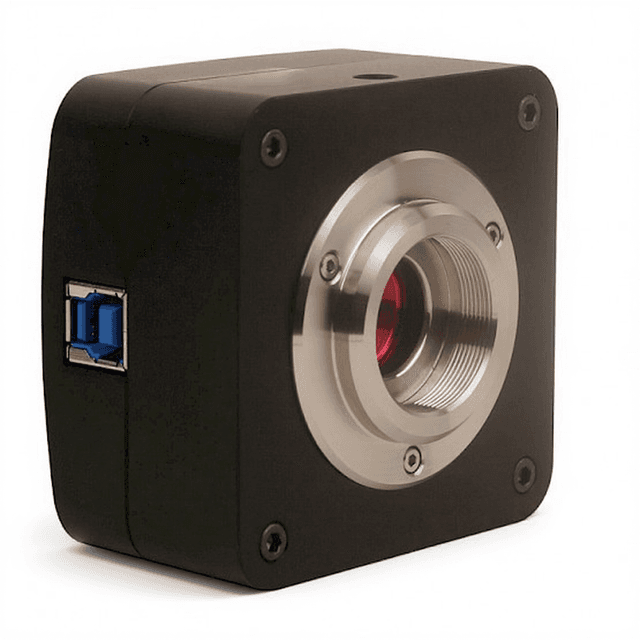
Frequently Bought Together
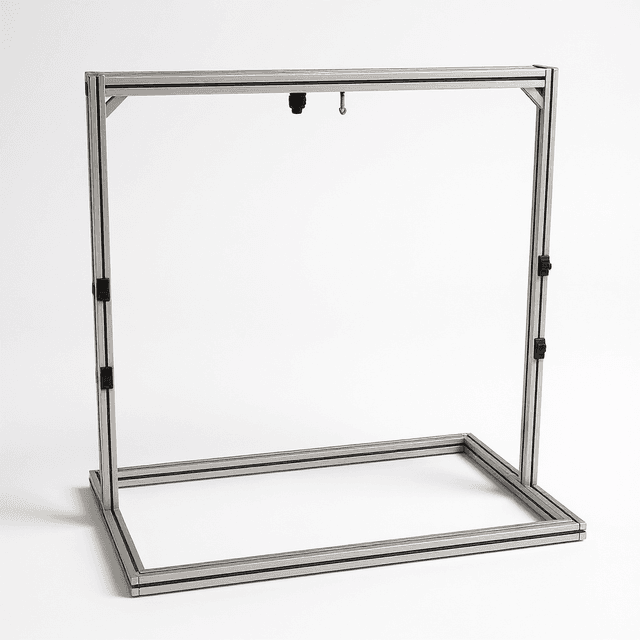
Total: $2,730.00


Social Defeat Apparatus
$1,790.00
Added to quoteView Quote