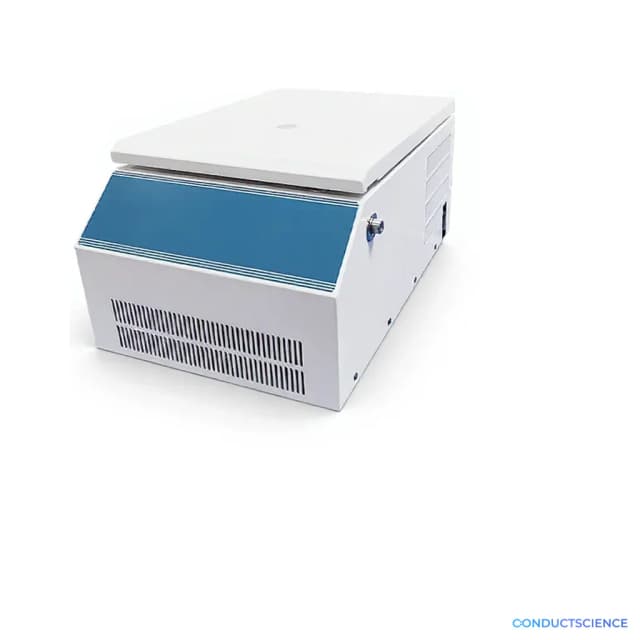
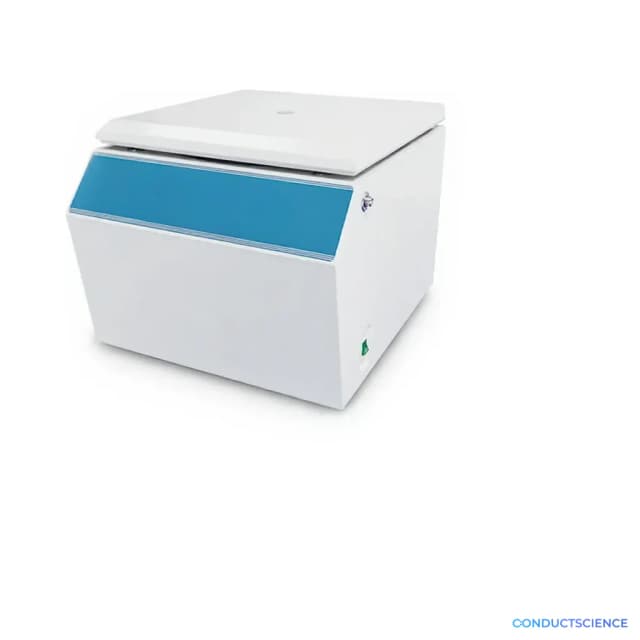
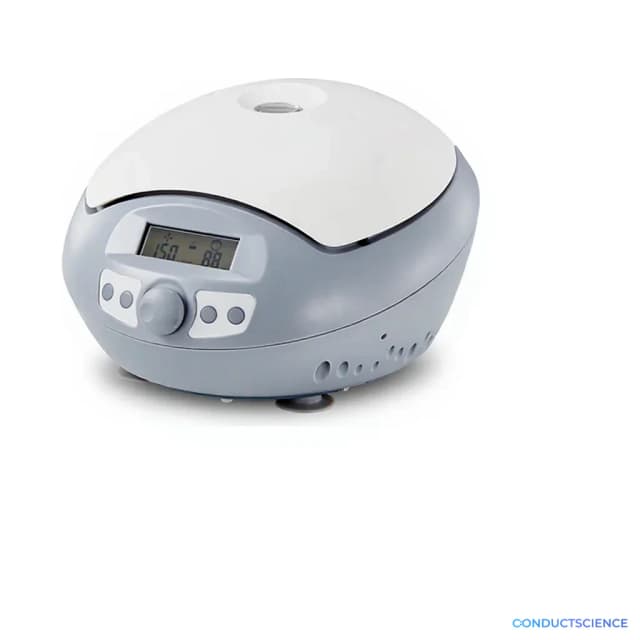
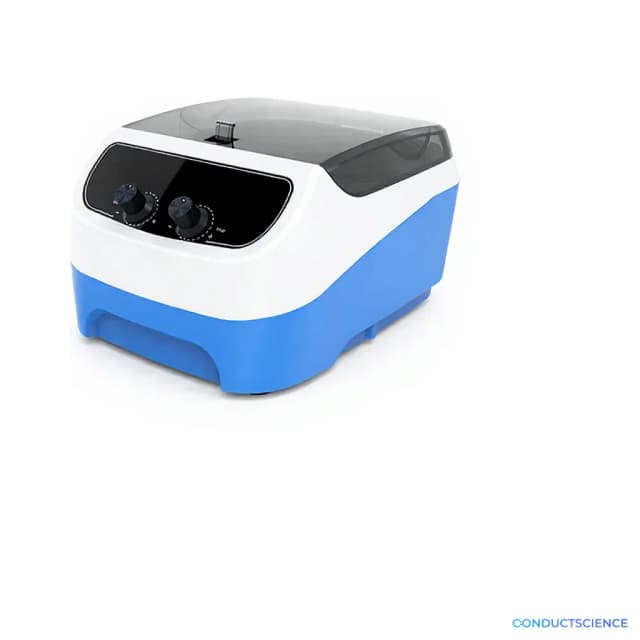
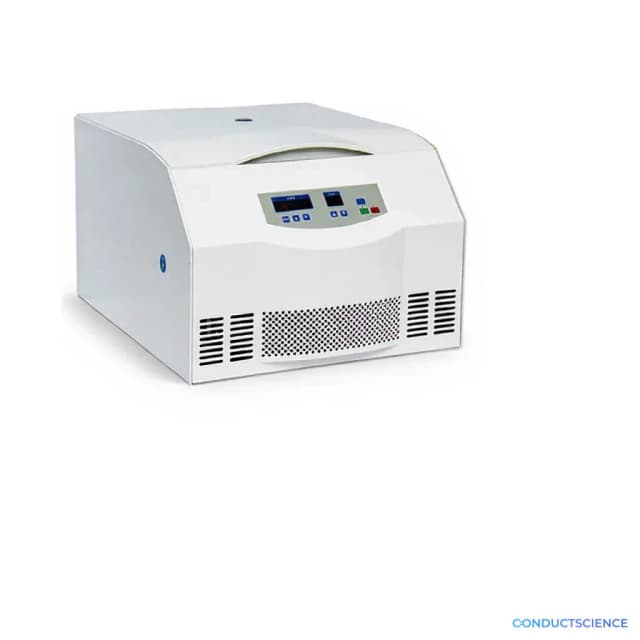
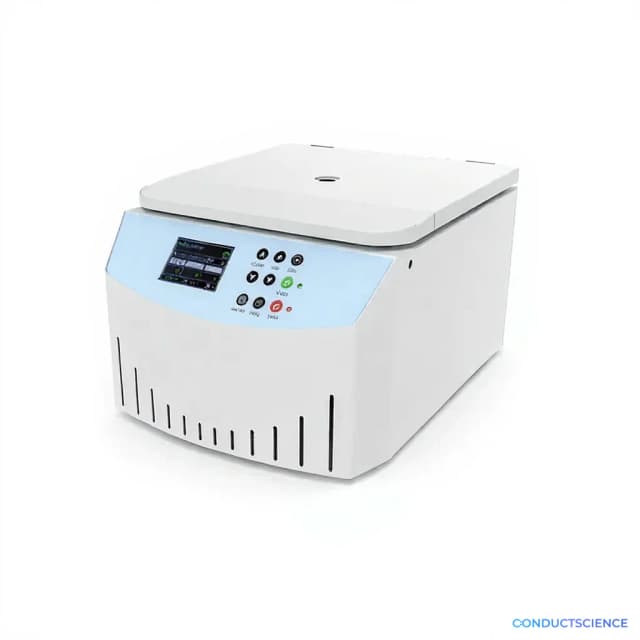
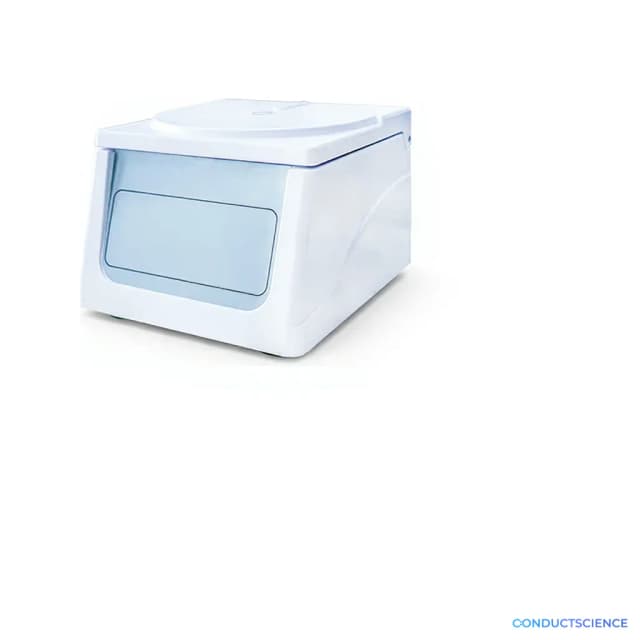
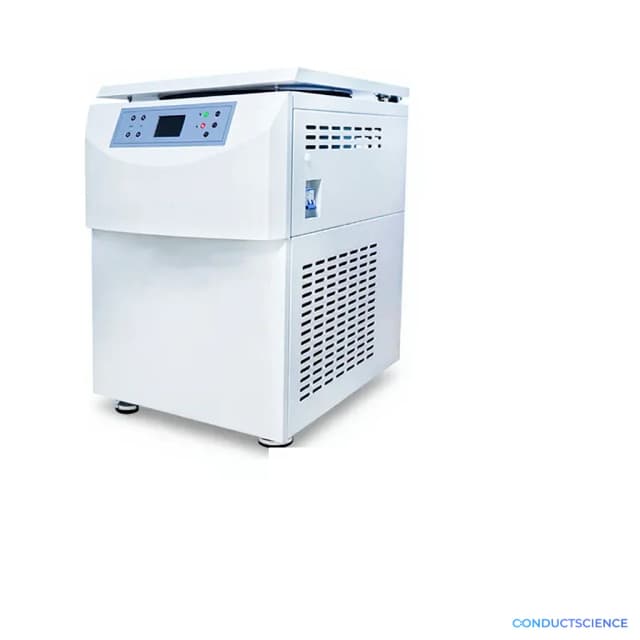
Table Top High Speed Centrifuge Machine
Table top high-speed centrifuge offering speeds up to 18,500 rpm (23,610×g) with multiple rotor configurations for 1.5/2.0 ml microtubes.
| Automation Level | manual |
| BKC-TH16 | BKC-TH18 |
| 16500rpm | 18500rpm |
| 18780×g | 23610×g |
| RCF(xg) | Capacity |
| Speed(rpm) | RCF(xg) |

The/TH18 Table Top High Speed Centrifuge provides researchers with compact, high-performance centrifugal separation capabilities for standard microtubes. Available in two configurations, the system delivers maximum speeds of 16,500 rpm () or 18,500 rpm (), generating centrifugal forces up to 18,780×g or 23,610×g respectively. Multiple rotor configurations accommodate 12, 18, or 24 microtubes (1.5/2.0 ml) depending on speed requirements.
The tabletop design integrates into existing laboratory workflows while providing the high-speed separation performance required for molecular biology, cell biology, and analytical chemistry applications. Variable speed settings allow researchers to optimize separation protocols for different sample types and experimental requirements. The system supports standard laboratory microtubes commonly used in DNA/RNA extraction, protein purification, and cell pelleting procedures.
How It Works
High-speed centrifugation applies centrifugal force to separate components based on density differences. The rotor spins samples at precise speeds, creating a centrifugal field that drives denser particles outward and toward the bottom of the tube. The centrifugal force (RCF) is calculated as RCF = 1.118 × 10^-5 × rpm² × radius, where rpm is the rotational speed and radius is the distance from the center of rotation.
At maximum speeds up to 18,500 rpm, the system generates forces exceeding 23,000×g, sufficient for pelleting most biological macromolecules, cellular debris, and precipitates. Different rotor configurations optimize the balance between sample capacity and maximum achievable force - higher capacity rotors operate at reduced maximum speeds due to increased radius and centrifugal stress considerations.
Temperature control during operation prevents sample heating that could denature proteins or degrade nucleic acids. The compact tabletop design incorporates safety interlocks and vibration dampening to ensure stable operation at high speeds.
Features & Benefits
Automation Level
- manual
BKC-TH16
- BKC-TH18
16500rpm
- 18500rpm
18780×g
- 23610×g
RCF(xg)
- Capacity
Speed(rpm)
- RCF(xg)
12*1.5/2.0ml
- 16500
18780
- 12*1.5/2.0ml
18500
- 23610
18*1.5/2.0ml
- 15000
17770
- 18*1.5/2.0ml
15000
- 17770
24*1.5/2.0ml
- 14000
18180
- 24*1.5/2.0ml
Brand
- ConductScience
Research Domain
- Analytical Chemistry
- Cell Biology
- Clinical Diagnostics
- Microbiology
- Molecular Biology
- Pharmaceutical QC
Capacity
- Speed(rpm)
Weight
- 29.98 kg
Dimensions
- L: 42.0 mm
- W: 43.6 mm
- H: 38.0 mm
Comparison Guide
| Feature | This Product | Typical Alternative | Advantage |
|---|---|---|---|
| Maximum Speed | 16,500 rpm (BKC-TH16) or 18,500 rpm (BKC-TH18) | Entry-level models often limited to 12,000-14,000 rpm | Higher speeds enable more complete separation of small particles and better precipitation of nucleic acids in molecular biology protocols. |
| Centrifugal Force | Up to 23,610×g (BKC-TH18 model) | Standard tabletop units commonly achieve 15,000-20,000×g maximum | Higher centrifugal forces ensure complete pelleting of cellular debris and macromolecular complexes. |
| Rotor Options | Multiple configurations: 12, 18, or 24 tube capacity with speed optimization | Many models offer single rotor capacity or limited configuration options | Flexible rotor selection allows optimization of sample throughput versus maximum separation force for different experimental requirements. |
| Tube Compatibility | Standard 1.5 ml and 2.0 ml microtubes | Similar compatibility across most tabletop centrifuges | Accommodates standard laboratory consumables without requiring specialized tubes or adapters. |
| Dual Model Options | Two performance levels (BKC-TH16/TH18) for different application requirements | Single model offerings require choosing between cost and performance | Researchers can select optimal performance-to-cost ratio based on their specific centrifugation requirements and budget constraints. |
The BKC-TH16/TH18 series provides high-speed tabletop centrifugation with forces exceeding 23,000×g and flexible rotor configurations. The dual-model approach allows laboratories to select optimal performance levels while maintaining compact footprint and compatibility with standard microtubes.
Practical Tips
Verify speed accuracy periodically using a calibrated tachometer or strobe light, especially for critical quantitative applications.
Why: Speed accuracy directly affects reproducibility of centrifugal force calculations and separation efficiency.
Clean rotors with mild detergent after each use and inspect for stress cracks or corrosion that could lead to failure.
Why: Rotor integrity is critical for safety at high speeds, and chemical residues can cause corrosion or sample contamination.
Pre-balance all tubes to within 0.1 g using an analytical balance before loading into rotor positions.
Why: Proper balancing prevents vibration that reduces separation efficiency and extends instrument lifespan.
Start with conservative speed settings for new sample types and gradually increase to optimize separation without sample damage.
Why: Excessive centrifugal force can disrupt cellular structures or cause protein aggregation in sensitive samples.
If excessive vibration occurs, stop immediately and check tube balance, rotor installation, and sample distribution.
Why: Vibration indicates imbalance that can damage the instrument and compromise sample separation quality.
Never open the lid while the rotor is spinning, and allow complete stop before accessing samples.
Why: Safety interlocks prevent access during operation, but residual spinning can cause injury or sample spillage.
Record actual centrifugation parameters (speed, time, temperature) in laboratory notebooks for protocol reproducibility.
Why: Documented parameters enable method validation and troubleshooting when separation results vary between experiments.
Setup Guide
What’s in the Box
- BKC-TH16 or BKC-TH18 centrifuge main unit
- Standard rotor (capacity varies by model) (typical)
- Power cord (typical)
- User manual and documentation (typical)
- Safety instructions and operating procedures (typical)
Warranty
ConductScience provides standard manufacturer warranty coverage including technical support and repair services. Typical coverage includes one-year warranty on manufacturing defects with ongoing technical assistance for optimal performance.
Compliance
What is the difference in separation performance between the BKC-TH16 and BKC-TH18 models?
The BKC-TH18 achieves 2,000 rpm higher maximum speed (18,500 vs 16,500) and generates 4,830×g more centrifugal force (23,610×g vs 18,780×g), providing more complete separation for challenging applications like small RNA precipitation or dense protein complexes.
How does rotor capacity affect maximum achievable centrifugal force?
Higher capacity rotors operate at reduced maximum speeds: 12-tube rotors achieve maximum speed, 18-tube rotors are limited to 15,000 rpm (17,770×g), and 24-tube rotors to 14,000 rpm. This reflects engineering constraints balancing sample throughput with centrifugal stress limits.
What tube types and volumes are compatible with this centrifuge?
The system accommodates standard 1.5 ml and 2.0 ml microtubes commonly used in molecular biology. Tube compatibility is critical for proper fit and balance - verify tube specifications match rotor requirements before use.
How should samples be balanced for optimal performance?
Balance tubes within 0.1 g across opposing positions and ensure even distribution around the rotor. Unbalanced loads cause vibration, reduce separation efficiency, and may damage the instrument. Use water-filled balance tubes if needed.
What maintenance procedures are required for consistent performance?
Regular cleaning of rotors and chamber, inspection for wear or damage, and periodic verification of speed accuracy maintain optimal performance. Consult product datasheet for specific maintenance schedules and calibration requirements.
Can this centrifuge handle temperature-sensitive samples?
Consult product datasheet for temperature control capabilities. Most high-speed centrifuges generate heat during operation - consider pre-chilling samples and rotors for temperature-sensitive applications like enzyme work or RNA isolation.
What safety features protect against rotor failure or imbalance?
Modern tabletop centrifuges incorporate safety interlocks, imbalance detection, and rotor containment systems. Specific safety features should be verified in the product documentation before use with valuable or hazardous samples.
Have a question about this product?
Accessories
Enhance your setup with compatible accessories
Replacement Parts & Consumables
Frequently Bought Together
Upgrade Options