ConductVision Zebrafish Package
$1,990 per yearA 5-year license is $3,990 in total.
The ConductVision license for zebrafish tests.

Motor coordination assessment apparatus featuring three parallel rods of varying diameters (2-6mm) for comprehensive grip strength and balance evaluation in rodent models.

Director of Science · ConductScience
Ask Louise about Triple Horizontal Bars fit, setup, configuration, or quote prep.
Already working with us? Sign in to connect this with My Scientist.
The Triple Horizontal Bars apparatus is a standardized motor coordination assessment tool designed for comprehensive evaluation of grip strength, balance, and limb coordination in rodent models. The system features three parallel rods of varying diameters (2mm, 4mm, and 6mm) mounted at 50cm height, providing progressive difficulty levels for detailed motor function characterization. Each 38cm rod length accommodates natural grip positioning while enabling standardized testing protocols across different experimental conditions.
This apparatus is commonly employed in neuroscience research to assess motor deficits following experimental interventions, evaluate therapeutic efficacy in neurological disease models, and characterize baseline motor capabilities in genetic studies. The graduated rod diameters allow researchers to differentiate between fine motor control (2mm rod) and gross motor strength (6mm rod), providing nuanced assessment of different aspects of motor function within a single testing session.
The Triple Horizontal Bars test evaluates motor function through a graded challenge paradigm that assesses grip strength, limb coordination, and balance maintenance. Animals are placed on each rod diameter in sequence, with performance measured by latency to fall and qualitative assessment of grip posture and movement patterns. The varying rod diameters create progressively challenging grip requirements, with the 2mm rod demanding fine motor control and precise digit placement, while the 6mm rod primarily tests gross motor strength and postural stability.
The test capitalizes on rodents' natural tendency to maintain grip when suspended, allowing assessment of both voluntary motor control and involuntary postural responses. The 50cm elevation provides sufficient motivation for grip maintenance while ensuring animal safety. Performance differences across rod diameters reveal specific motor deficits, as animals with fine motor impairments may perform normally on larger diameter rods but show deficits on the thinner rods, while animals with gross motor weakness show impairments across all diameters.
| Measurement | Mouse & Rat |
|---|---|
| Rod length | 38 cm |
| Height | 50 cm |
| Feature | This Product | Typical Alternative | Advantage |
|---|---|---|---|
| Rod Diameter Options | Three graduated diameters (2mm, 4mm, 6mm) for comprehensive assessment | Single rod diameter or fewer size options | Enables differentiation between fine motor control deficits and gross motor strength impairments within a single testing session. |
| Rod Length | 38cm length provides adequate grip surface | Varies by model, often shorter lengths | Allows natural grip positioning and reduces edge effects that can confound motor assessment results. |
| Mounting Height | 50cm standardized height | Variable heights or non-standardized positioning | Provides consistent motivation levels while maintaining animal safety across different experimental conditions. |
| Storage Solution | Integrated storage system included | No organized storage provided | Protects components between uses and maintains laboratory organization for multi-apparatus testing environments. |
| Species Compatibility | Designed for both mouse and rat testing | Single species optimization common | Enables cross-species comparisons and reduces equipment needs for laboratories working with multiple rodent models. |
This apparatus provides comprehensive motor assessment through its three-diameter rod system with standardized dimensions optimized for both mouse and rat testing. The integrated storage and robust construction support long-term research applications with consistent performance across experimental sessions.
Verify rod levelness before each testing session using a small bubble level to ensure consistent grip challenge across all positions.
Why: Even slight rod angles can significantly affect grip difficulty and introduce variability in motor assessment results.
Clean rods with 70% ethanol between animals and inspect for wear or damage that could affect grip surface texture.
Why: Consistent grip surface conditions are essential for reliable motor function measurements across subjects and time points.
Allow animals 2-3 habituation trials on the largest diameter rod before formal testing to reduce anxiety-related performance variability.
Why: Initial exposure reduces novelty stress that can mask true motor capabilities and improves data reproducibility.
Record both quantitative (fall latency) and qualitative (grip posture, movement patterns) measures for comprehensive motor phenotyping.
Why: Qualitative observations often reveal subtle motor deficits not captured by latency measurements alone.
If animals consistently refuse to grip, verify room temperature (21-23°C) and reduce ambient noise during testing sessions.
Why: Environmental stressors can suppress natural gripping behavior and confound motor function assessment.
Place bedding material at least 5cm thick below the apparatus and monitor for signs of injury after falls.
Why: Adequate cushioning prevents injury-related confounds in longitudinal motor function studies.
Standardize grip placement by gently positioning animals with forepaws only on the rod at trial initiation.
Why: Consistent starting position reduces variability in initial grip configuration and improves measurement reliability.
Test at consistent times of day and maintain detailed records of environmental conditions for each testing session.
Why: Circadian rhythms and environmental factors significantly influence motor performance and should be controlled for accurate assessment.
ConductScience provides a one-year manufacturer warranty covering defects in materials and workmanship, with technical support available for protocol optimization and troubleshooting.
Background reading relevant to this product:
How do I determine the appropriate testing sequence for the different rod diameters?
Most protocols start with the largest diameter (6mm) and progress to smaller diameters (4mm, then 2mm) to avoid pre-fatiguing animals on the most challenging condition. Allow 5-10 minute rest periods between trials.
What is the standard trial duration and how many trials should I conduct per animal?
Typical protocols use 60-second maximum trial duration with 3-5 trials per rod diameter. Record both latency to fall and qualitative grip characteristics for comprehensive assessment.
How does this compare to rotarod testing for motor function assessment?
The horizontal bars test focuses on grip strength and static balance, while rotarod emphasizes dynamic balance and motor learning. The horizontal bars provide more detailed assessment of grip-specific deficits.
What safety precautions should I implement during testing?
Place thick bedding or foam padding below the apparatus, maintain constant observation during trials, and establish clear endpoints to prevent animal injury from repeated falls.
Can I modify the rod diameters for different experimental needs?
The standard 2mm, 4mm, and 6mm diameters are optimized for rodent grip anatomy. Consult product datasheet for information about custom diameter availability.
How do I score performance beyond simple latency to fall measurements?
Many researchers use qualitative scoring systems that assess grip posture, limb positioning, and movement patterns in addition to fall latency for comprehensive motor phenotyping.
What factors can influence test results and how do I control for them?
Room temperature, lighting, time of day, and prior handling experience all affect performance. Maintain consistent environmental conditions and acclimatization protocols across testing sessions.
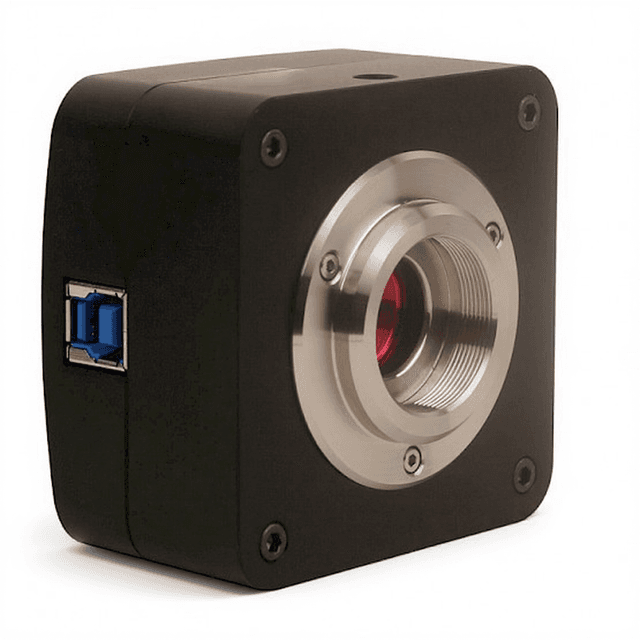
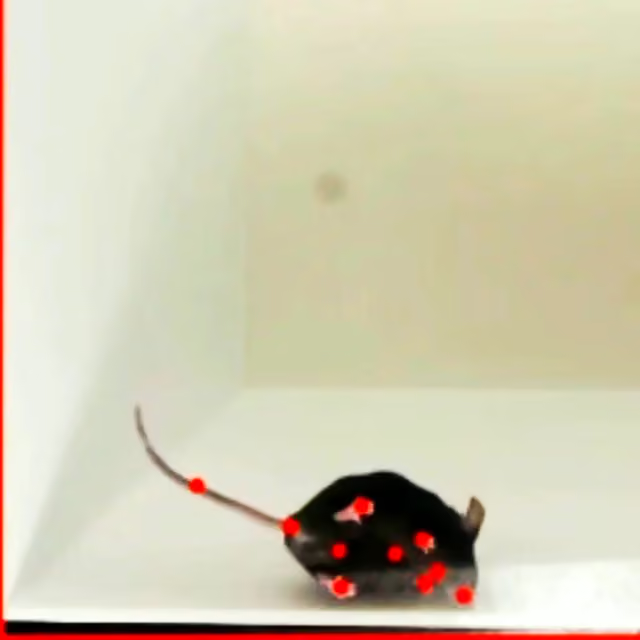
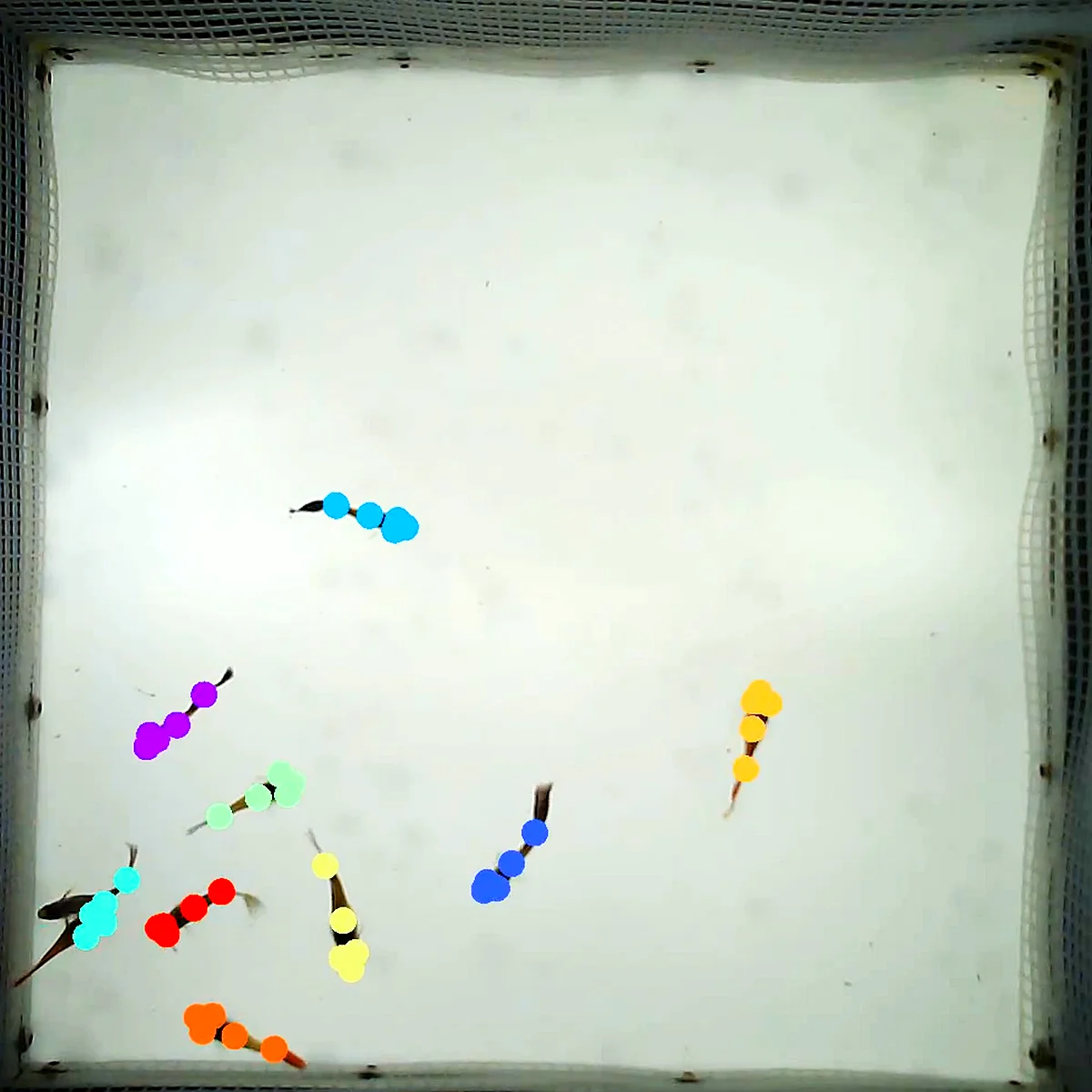
ConductVision is our video-tracking software. Record your sessions on video, and it scores standard zebrafish tests, such as those listed below.
The Zebrafish Package includes a custom assay made on request. To have one made for this test, ask in your quote request.
A 5-year license is $3,990 in total.
The ConductVision license for zebrafish tests.
Send it over and we'll email you a personalized answer — no call, no scheduling.
Prefer to talk it through?