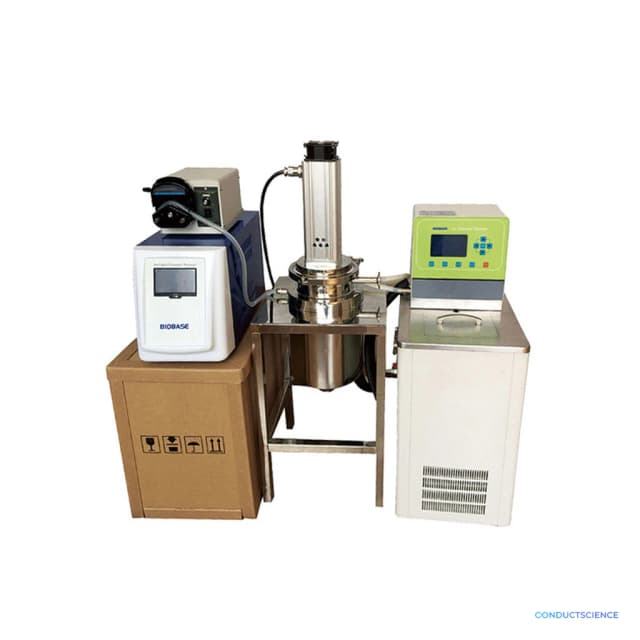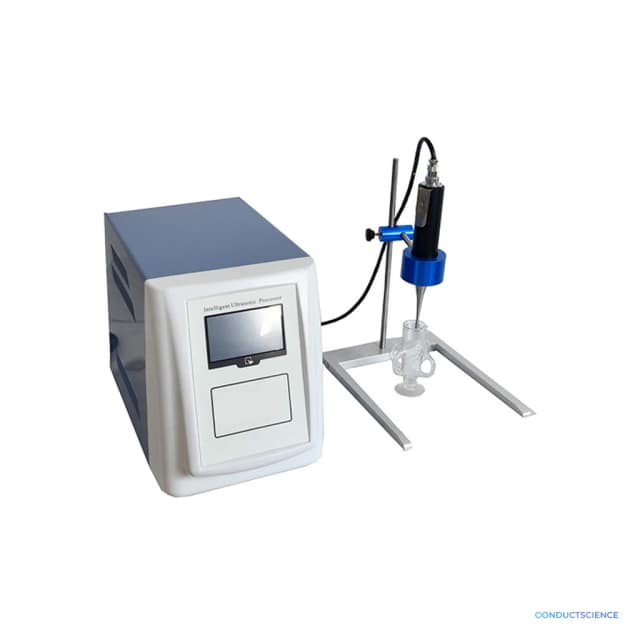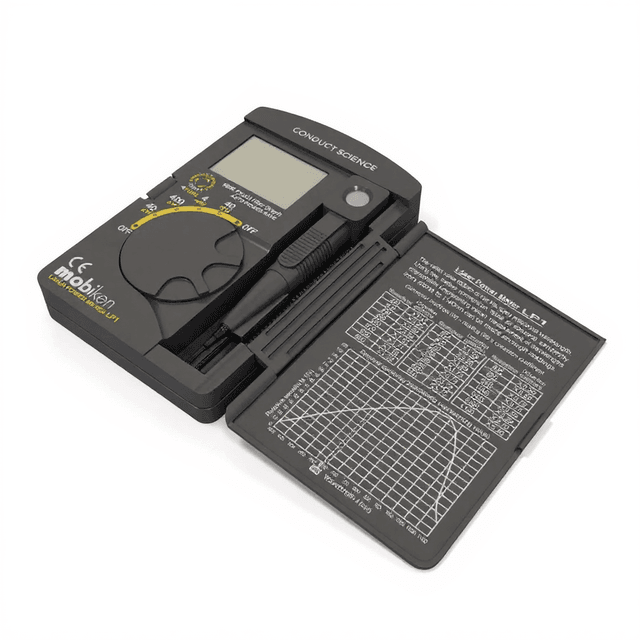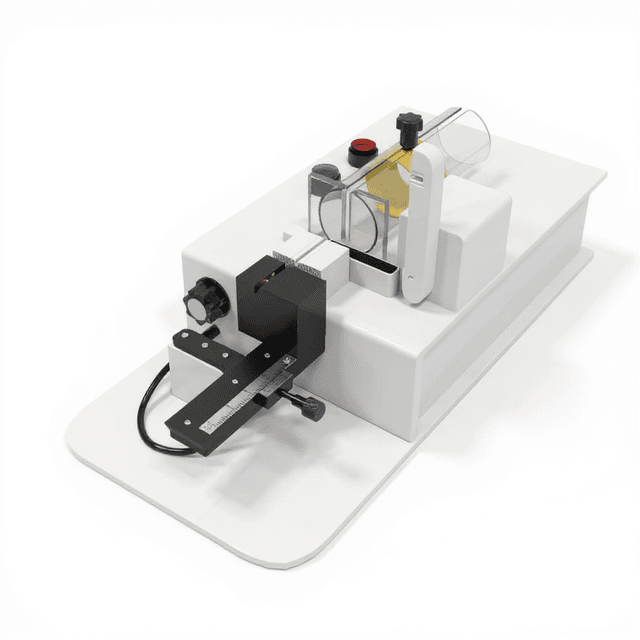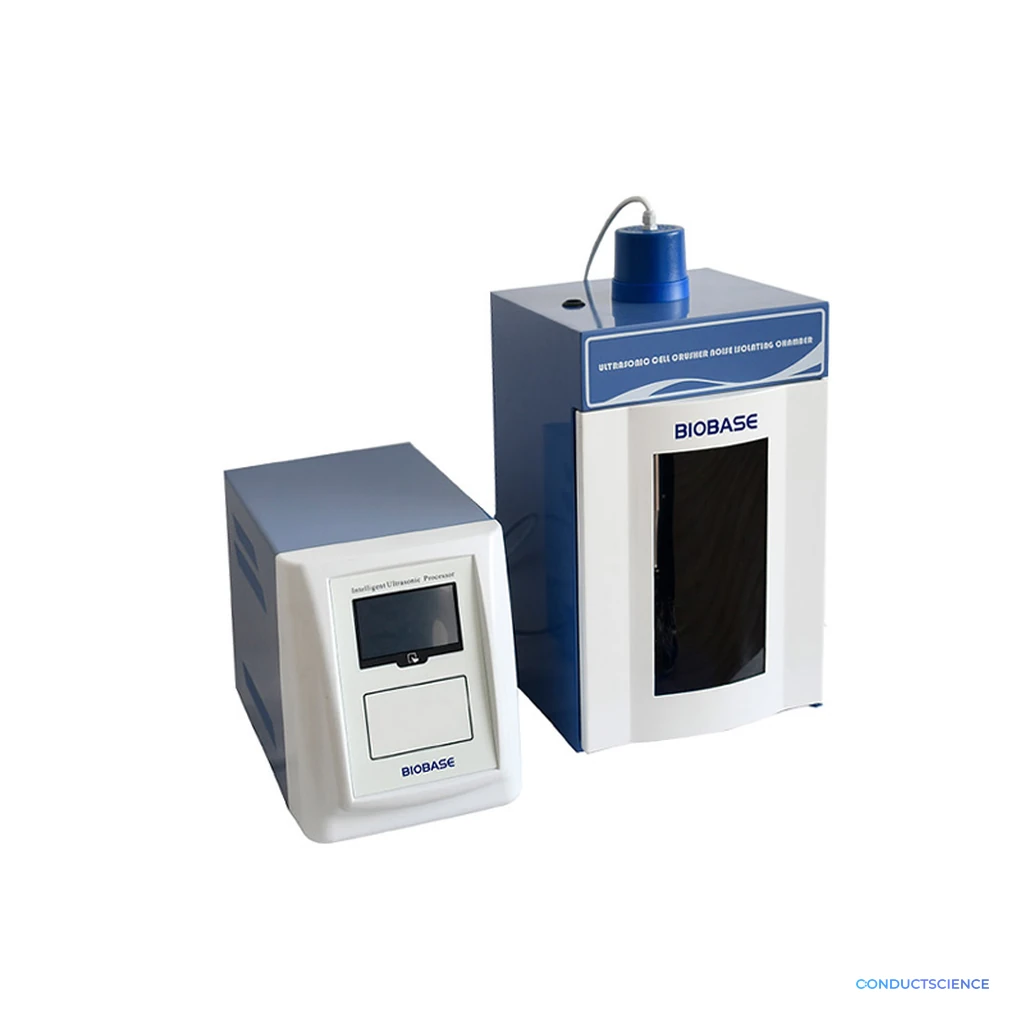
Ultrasonic Cell Disruptor UCD Series
Ultrasonic cell disruptor series offering controlled cavitation-based cell lysis and homogenization for samples from 0.1 ml to 2000 ml capacity with frequency control at 19.5-25 kHz.

Louise Corscadden, PhD
Director of Science · ConductScience
Ask Louise about Ultrasonic Cell Disruptor UCD Series fit, setup, configuration, or quote prep.
Already working with us? Sign in to connect this with My Scientist.
Key Specifications
Full details →- Model fit
- Configured during quote
- SKU family
- BIO-0582
- Shipping box
- 42.0 x 43.6 x 38.0 cm
- Ordering
- Online checkout and quote request available
- Category
- Sample Prep
- Build notes
- Confirm accessories, station layout, and support needs before purchase
The Ultrasonic Cell Disruptor UCD Series provides controlled ultrasonic disruption for cell lysis, homogenization, and sample preparation applications. The system operates at frequencies of 19.5-25 kHz to generate cavitation forces that effectively break cell walls and homogenize biological samples. Multiple models accommodate crushing capacities from 0.1 ml to 2000 ml, enabling processing of samples ranging from single-cell preparations to large-volume homogenates.
Standard amplitude-change poles of 6 mm, 20 mm, and 22 mm diameter provide flexibility for different sample types and volumes. The ultrasonic disruption mechanism offers precise control over cell lysis intensity, making it suitable for extracting proteins, nucleic acids, and cellular components while maintaining sample integrity for downstream analysis.
How It Works
Ultrasonic cell disruption operates through acoustic cavitation, where high-frequency sound waves create alternating pressure cycles in liquid media. During low-pressure phases, microscopic bubbles form and grow, then violently collapse during high-pressure phases, generating localized shock waves and intense shear forces. These cavitation events produce mechanical stress sufficient to rupture cell membranes and walls.
The UCD Series generates ultrasonic frequencies between 19.5-25 kHz through piezoelectric transducers coupled to amplitude-change poles (horns) that focus acoustic energy into the sample. The horn geometry concentrates ultrasonic energy, creating controlled cavitation zones that ensure uniform sample processing. Frequency modulation and amplitude control allow optimization for different cell types and sample viscosities.
Temperature control during sonication prevents thermal degradation of heat-sensitive biomolecules, while pulsed operation modes minimize sample heating. The cavitation intensity can be adjusted based on sample volume and cell type resistance, from gentle disruption of mammalian cells to robust processing of bacterial and fungal cell walls.
Features & Benefits
Model
- UCD-150
- UCD-250
- UCD-500
- UCD-650
- UCD-950
- UCD-1200
- UCD-1500
- UCD-1800
- UCD-2000
Frequency (KHz)
- 20~25 (UCD-150 to UCD-950)
- 19.5~20.5 (UCD-1200 to UCD-2000)
Crushing Capacity (ml)
- 0.1~150
- 0.1~300
- 0.1~400
- 0.1~500
- 0.1~700
- 1~1000
- 10~1200
- 1~1200
- 50~2000
Ultrasonic Power (W)
- 1.5~150
- 2.5~250
- 5~500
- 6.5~650
- 10~1000
- 12~1200
- 15~1500
- 18~1800
- 20~2000
Standard Probe Diameter (mm)
- 6 (UCD-150)
- 20 (UCD-250)
- 22 (UCD-500/650)
- 25 (UCD-950)
Power/Voltage
- AC220V, 50/60Hz (standard); AC110V optional
Automation Level
- semi-automated
Brand
- ConductScience
Research Domain
- Analytical Chemistry
- Cell Biology
- Food Science
- Materials Science
- Microbiology
- Pharmaceutical QC
Shipping weight
- 26.0 lb
Shipping box
- L: 42.0 cm
- W: 43.6 cm
- H: 38.0 cm
| Feature | This Product | Typical Alternative | Advantage |
|---|---|---|---|
| Processing Capacity Range | 0.1 ml to 2000 ml across eight models | Entry-level disruptors often limited to 1-10 ml or require separate systems for different volume ranges | Single equipment line scales from research samples to production batches without method redevelopment. |
| Frequency Control | 19.5-25 kHz with model-specific optimization | Fixed frequency operation limits optimization for different sample types | Frequency adjustment optimizes cavitation energy for specific cell types and sample characteristics. |
| Amplitude Pole Options | 6 mm, 20 mm, and 22 mm diameter poles | Single pole size restricts container compatibility and energy focusing | Multiple pole sizes adapt acoustic energy delivery to match sample container geometry and volume requirements. |
| Model Scalability | Eight models from UCD-150 to UCD-2000 | Fewer model options may not match specific capacity requirements | Precise capacity matching improves processing efficiency and reduces equipment investment. |
The UCD Series provides comprehensive ultrasonic disruption capabilities with scalable processing volumes, adjustable frequency control, and multiple amplitude pole configurations. The eight-model range accommodates diverse laboratory requirements from analytical sample preparation to production-scale processing.
Practical Tips
Verify consistent cavitation patterns by processing water samples before each session, observing bubble formation and acoustic output.
Why: Ensures optimal energy transfer and identifies pole wear or system drift that affects processing efficiency.
Clean amplitude poles immediately after use and store in protective solution to prevent protein buildup and surface corrosion.
Why: Maintains acoustic coupling efficiency and prevents cross-contamination between samples.
Pre-cool samples and use ice baths during extended processing to maintain biomolecule integrity in temperature-sensitive preparations.
Why: Prevents thermal denaturation of proteins and nucleic acids during high-energy cavitation processing.
If cavitation appears irregular, check pole immersion depth and ensure adequate liquid volume around the probe tip.
Why: Proper cavitation requires sufficient liquid volume and correct positioning for uniform energy distribution.
Document processing parameters (amplitude, time, temperature) and monitor sample characteristics to establish reproducible protocols.
Why: Consistent documentation enables method validation and troubleshooting of variable results between processing sessions.
Always wear hearing protection and ensure containment systems for aerosol-generating samples during ultrasonic processing.
Why: Protects operators from acoustic exposure and prevents sample loss or contamination through aerosol generation.
Start with lower amplitude settings and increase gradually while monitoring lysis efficiency to avoid over-processing samples.
Why: Prevents degradation of target molecules while ensuring complete cell disruption for optimal extraction yields.
Setup Guide
What’s in the Box
- Ultrasonic disruptor main unit (typical)
- Power cord and electrical connections (typical)
- Standard amplitude-change poles (6mm, 20mm, 22mm) (typical)
- Sample processing accessories (typical)
- User manual and operation guide (typical)
- Safety documentation (typical)
Warranty
ConductScience provides a one-year manufacturer warranty covering defects in materials and workmanship, with comprehensive technical support for operation and maintenance guidance.
Compliance
What factors determine which amplitude pole diameter to use for different sample types?
Pole diameter selection depends on sample volume and container geometry. The 6 mm pole concentrates energy for small volumes (0.1-10 ml), while 20-22 mm poles provide broader energy distribution for larger volumes up to 2000 ml. Match pole size to container opening and desired cavitation zone coverage.
How do I prevent sample heating during extended ultrasonic processing?
Use pulsed operation with duty cycles allowing cooling intervals between sonic pulses. Monitor sample temperature and use ice baths or cooling jackets for temperature-sensitive materials. Reduce amplitude or increase pulse intervals if excessive heating occurs.
Can the system process samples with high viscosity or solid content?
The UCD Series handles viscous samples and suspensions, though processing efficiency decreases with higher viscosity. Pre-dilute samples when possible, or use higher amplitude settings with careful temperature monitoring. Solid particles require sufficient liquid volume for effective cavitation.
What maintenance is required for the amplitude-change poles?
Clean poles thoroughly after each use to prevent protein buildup and corrosion. Inspect for pitting or erosion from cavitation damage, which reduces efficiency. Replace poles showing significant surface irregularities or dimensional changes from wear.
How do I optimize disruption parameters for different cell types?
Start with lower amplitude and shorter exposure times, then increase gradually while monitoring cell lysis microscopically. Gram-positive bacteria require higher energy than mammalian cells. Use frequency sweeping if available to improve lysis uniformity across heterogeneous samples.
Is the system compatible with standard laboratory sample containers?
The system accommodates various container types including test tubes, beakers, and custom vessels. Ensure containers can withstand ultrasonic vibration and that pole immersion depth suits container geometry. Avoid thin-walled plastic containers that may deform.
What safety precautions are necessary during ultrasonic processing?
Wear hearing protection as ultrasonic frequencies can cause discomfort. Ensure proper pole immersion to prevent aerosol generation. Use appropriate containment for pathogenic samples and maintain adequate ventilation for volatile solvents.
Can I scale up processing methods developed on smaller UCD models?
Processing parameters transfer well between models when maintaining similar energy density per unit volume. Adjust amplitude and exposure time proportionally when scaling volume. Verify temperature control remains adequate at larger scales.
Have a question about this product?
Have a question? Just ask.
Send it over and we'll email you a personalized answer — no call, no scheduling.
Prefer to talk it through?