Diazepam ValidationPharmacological
Background: C57BL/6J or BALB/cJ
Anxiety-Like BehaviorBaseline (untreated)
Fear ResponseNormal
HPA DysregulationNone
Test Window30–60 min post-injection
Not a disease model per se, but the essential positive control for validating any anxiety assay. Diazepam (1–3 mg/kg IP, 30 minutes before testing) increases open arm time on the elevated plus maze, light zone time in the light-dark box, and center time in the open field. Establishes assay sensitivity and benchmarks anxiolytic efficacy for novel compounds. BALB/cJ mice have higher baseline anxiety than C57BL/6J, providing a wider dynamic range.
Ideal for: Assay validation; benchmarking novel anxiolytics; establishing dose-response curves; confirming test equipment sensitivity.
Walf AA, Frye CA. (2007). The use of the elevated plus maze as an assay of anxiety-related behavior in rodents. Nat Protoc, 2(2), 322-328. PMID: 17406592
Diazepam Validation Behavioral Battery
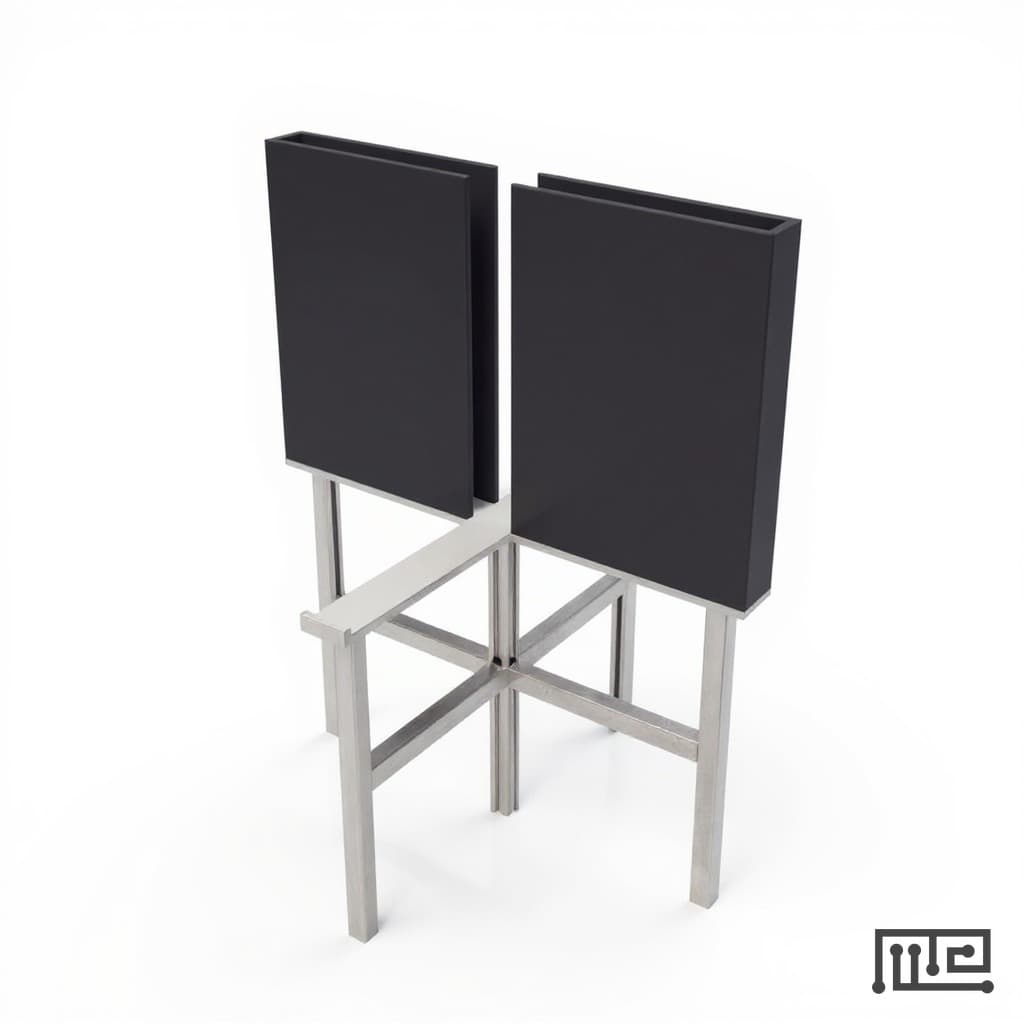
Elevated Plus Maze
The gold standard anxiety assay. Diazepam (1–3 mg/kg) reliably increases open arm entries and time. 5-minute test; score open arm time, closed arm time, and entries. BALB/cJ strain maximizes dynamic range.
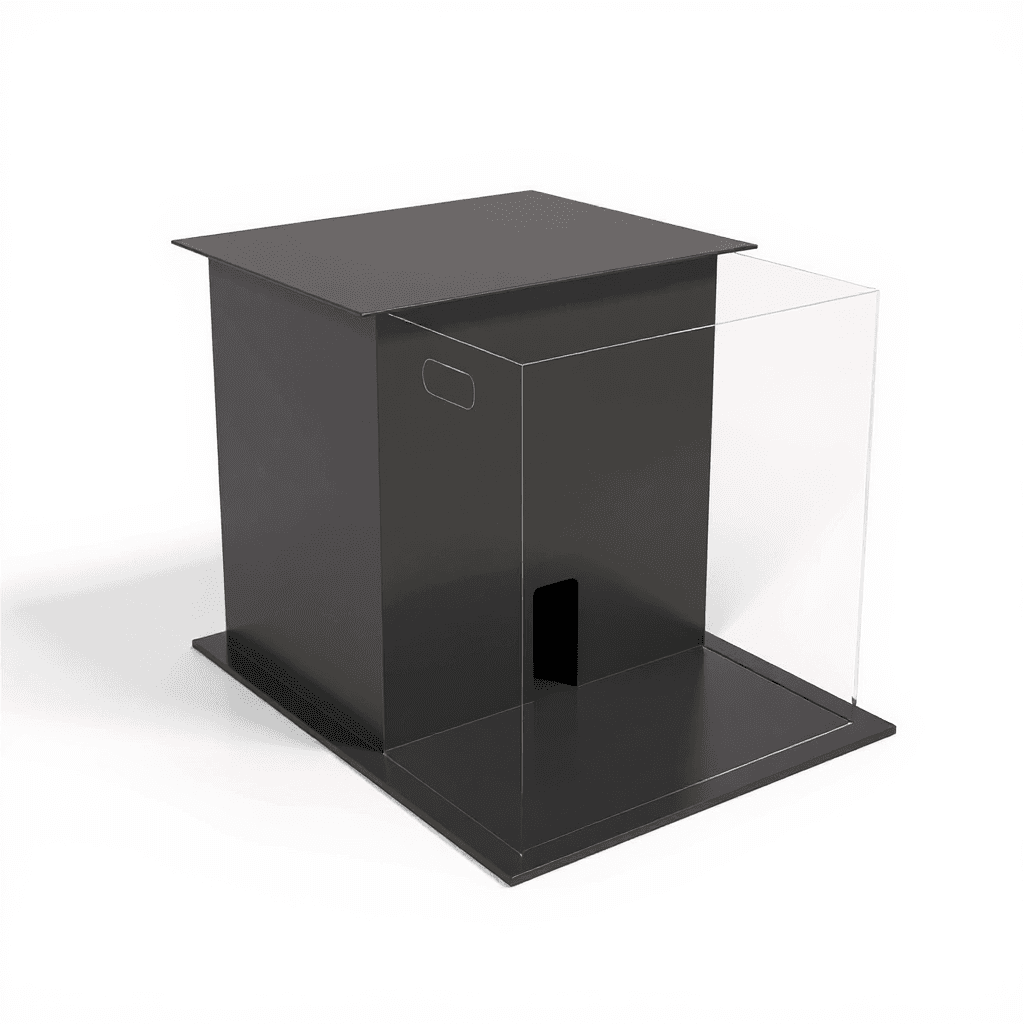
View Elevated Plus Maze →Light-Dark Box
Approach-avoidance between illuminated (anxiogenic) and dark (safe) compartments. Diazepam increases time in light zone and number of transitions. Simple setup; 5–10 minute test.
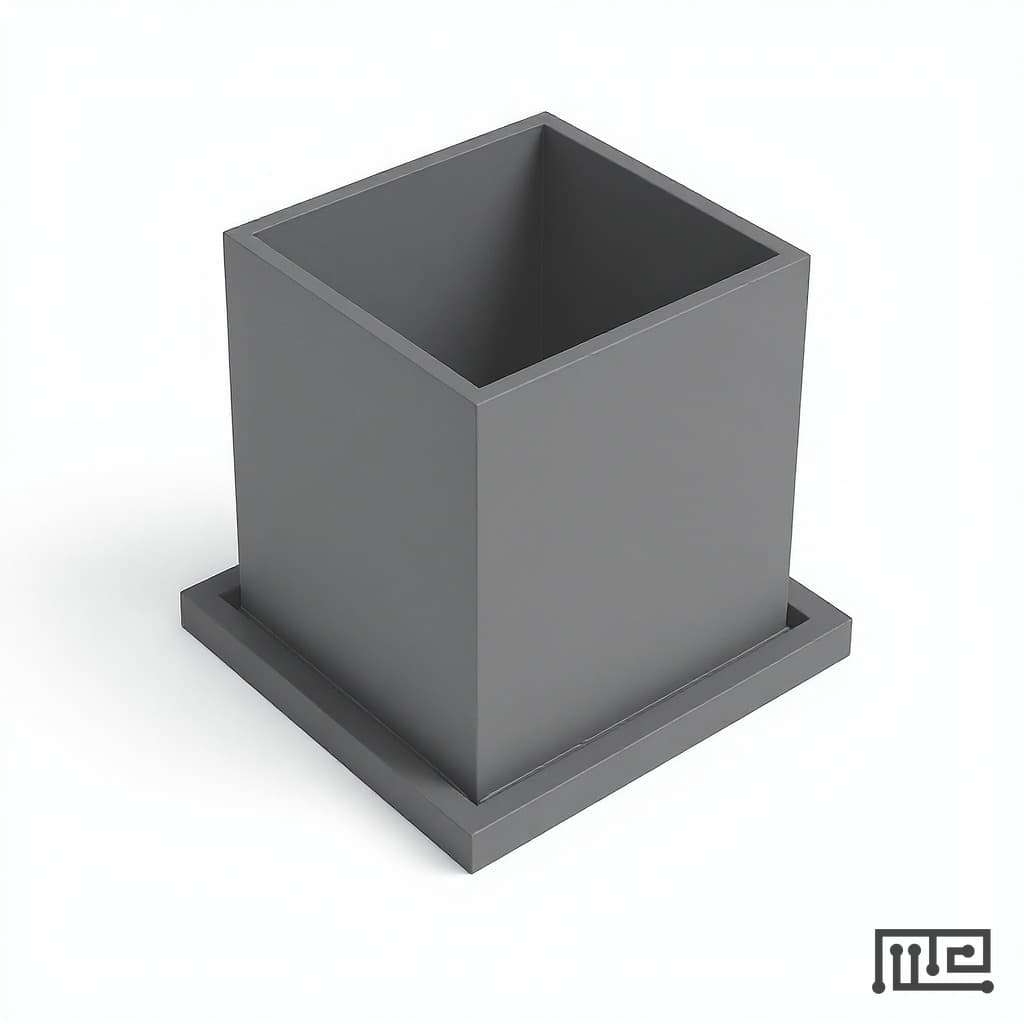
View Light-Dark Box →Open Field Test
Center zone time and center entries index anxiety-like behavior. Diazepam increases center exploration without affecting total distance. Also serves as locomotor control for sedation screening.
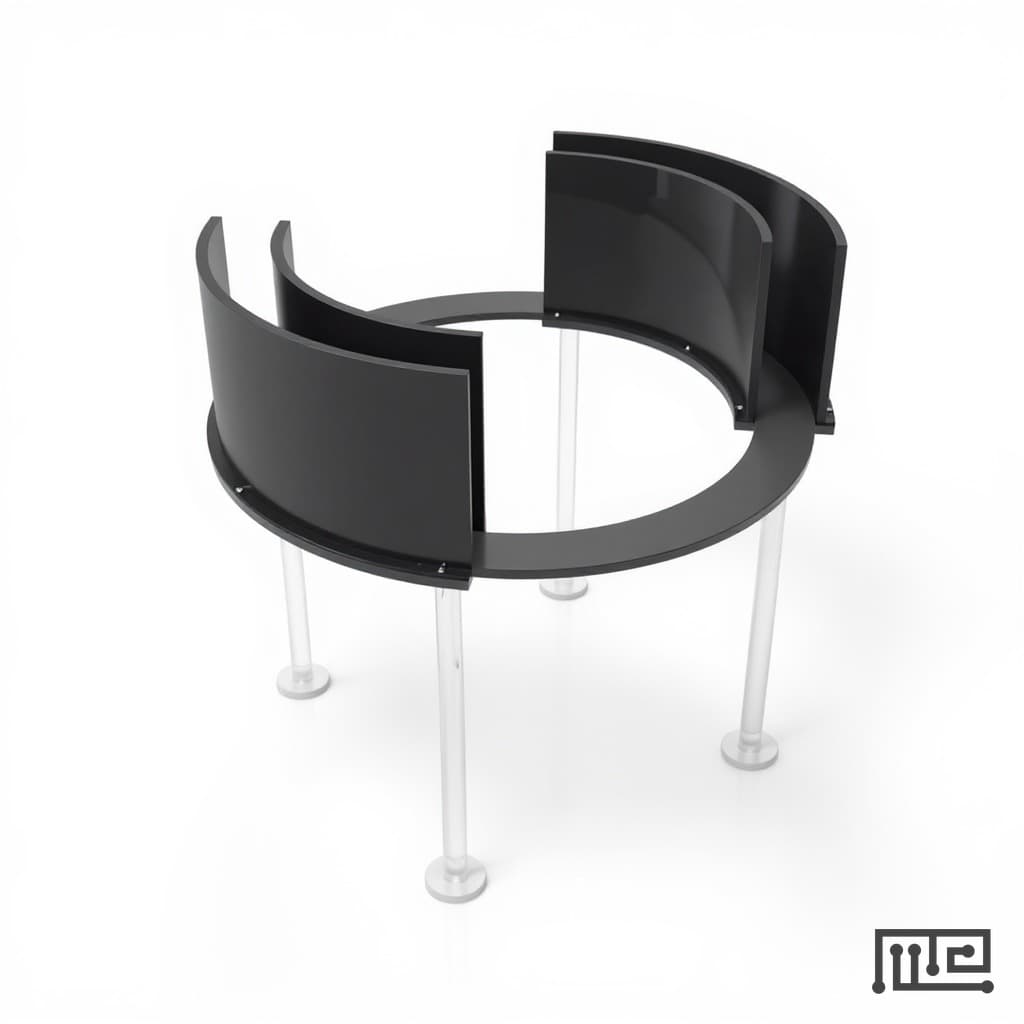
View Open Field Test →Zero Maze
Elevated annular maze with alternating open and closed quadrants. Eliminates the ambiguous center zone of the plus maze. Diazepam increases open quadrant time. 5-minute test.
View Zero Maze →Chronic CorticosteronePharmacological
Background: C57BL/6J
Anxiety-Like Behavior3–4 weeks
Fear ResponseEnhanced
HPA DysregulationChronic HPA activation
Test Window4–7 weeks of treatment
Corticosterone (35 µg/mL) in drinking water for 4–7 weeks. Produces sustained anxiety-like behavior alongside depressive phenotypes (see Depression page). Anxiety emerges before anhedonia — reduced open arm time on EPM and increased thigmotaxis in open field appear by 3–4 weeks. Models the anxiety-depression comorbidity seen in clinical populations. Non-invasive, consistent, and well-characterized pharmacologically.
Ideal for: GAD-like chronic anxiety models; anxiety-depression comorbidity studies; hippocampal neurogenesis and anxiety; anxiolytic screening in a chronic model.
David DJ, et al. (2009). Neurogenesis-dependent and -independent effects of fluoxetine in an animal model of anxiety/depression. Neuron, 62(4), 479-493. PMID: 19477151
Chronic Corticosterone Behavioral Battery
Elevated Plus Maze
Chronic corticosterone reduces open arm time by 3–4 weeks, modeling sustained GAD-like anxiety. Reversed by chronic SSRI treatment (3+ weeks), not acute dosing.
View Elevated Plus Maze →Light-Dark Box
Reduced light zone time and fewer transitions after chronic corticosterone. Complements EPM with a simpler approach-avoidance readout.
View Light-Dark Box →Open Field Test
Increased thigmotaxis (wall-hugging) and reduced center time. Total distance serves as locomotor control; chronic corticosterone typically does not reduce overall activity.
View Open Field Test →Novel Object Recognition
Chronic corticosterone impairs recognition memory, reflecting hippocampal dysfunction. Links anxiety to cognitive impairment — a key feature of clinical GAD.
View Novel Object Recognition →Zero Maze
Reduced time in open quadrants confirms anxiety-like phenotype. Provides a complementary readout to EPM without center zone ambiguity.
View Zero Maze →SPS (PTSD)Stress-Based
Background: Sprague-Dawley (rat) or C57BL/6J (mouse)
Anxiety-Like Behavior7 days post-stress
Fear ResponseEnhanced acquisition, impaired extinction
HPA DysregulationEnhanced negative feedback
Test Window7–14 days post-stress
A triple-stressor paradigm: 2 hours restraint, 20 minutes forced swim, ether exposure until loss of consciousness, followed by 7 days of undisturbed isolation. Produces enhanced negative feedback of the HPA axis (low baseline cortisol with exaggerated dexamethasone suppression) — the neuroendocrine hallmark of PTSD. Animals show enhanced fear conditioning, impaired fear extinction, exaggerated startle, and anxiety-like behavior on EPM.
Ideal for: PTSD-specific mechanisms; fear extinction studies; HPA axis negative feedback research; testing treatments that facilitate fear extinction.
Lisieski MJ, et al. (2018). Single-prolonged stress: A review of two decades of progress in a rodent model of post-traumatic stress disorder. Front Psychiatry, 9, 196. PMID: 29867615
SPS (PTSD) Behavioral Battery
Fear Conditioning (Extinction)
The defining assay for SPS. Normal fear acquisition but impaired extinction — SPS animals maintain high freezing across extinction sessions while controls reduce freezing. Models the core PTSD feature of persistent traumatic fear.
View Fear Conditioning System →Elevated Plus Maze
Reduced open arm time 7–14 days after SPS. Models generalized anxiety that accompanies PTSD. Important to test after the 7-day incubation period.
View Elevated Plus Maze →Open Field Test
Increased thigmotaxis and reduced center exploration. Hypoactivity may emerge in some protocols. Controls for locomotor effects when interpreting EPM and fear conditioning data.
View Open Field Test →Light-Dark Box
SPS animals spend more time in the dark compartment with fewer light-dark transitions. Provides a complementary anxiety readout to EPM.
View Light-Dark Box →Acoustic Startle
SPS produces exaggerated acoustic startle response and impaired prepulse inhibition. Models the hyperarousal symptom cluster of PTSD.
View Acoustic Startle Chamber →Predator OdorEthological
Background: Any (C57BL/6J, BALB/cJ, Sprague-Dawley)
Anxiety-Like BehaviorImmediate
Fear ResponseInnate (no conditioning needed)
HPA DysregulationAcute HPA activation
Test Window24 hours to 7 days post-exposure
Exposure to predator-derived stimuli (cat fur, fox urine TMT, or 2MT synthetic predator odor) triggers innate defensive behaviors without prior learning. Produces acute freezing, avoidance, and risk assessment during exposure, followed by sustained anxiety-like behavior lasting hours to days. Some animals show PTSD-like sensitization. The model engages amygdala, BNST, and hypothalamic defense circuits that bypass cortical processing.
Ideal for: Innate anxiety circuits; BNST and amygdala research; models where conditioning history is a confound; ethologically relevant fear without shock.
Takahashi LK, et al. (2005). The smell of danger: A behavioral and neural analysis of predator odor-induced fear. Neurosci Biobehav Rev, 29(8), 1157-1167. PMID: 16095694
Predator Odor Behavioral Battery
Elevated Plus Maze
Testing 24 hours after predator odor exposure reveals sustained anxiety-like behavior — reduced open arm time persists for days in susceptible animals.
View Elevated Plus Maze →Light-Dark Box
Predator odor-exposed mice show increased dark zone time. Light-dark transitions decrease, reflecting heightened avoidance of exposed environments.
View Light-Dark Box →Open Field Test
Thigmotaxis increases and center exploration decreases following predator odor exposure. Total distance may decrease (freezing) or increase (flight) depending on protocol timing.
View Open Field Test →Zero Maze
Reduced open quadrant time following predator odor exposure. The annular design eliminates center zone ambiguity for cleaner anxiety quantification.
View Zero Maze →Fear Conditioning
Predator odor pre-exposure can sensitize subsequent fear conditioning — enhanced fear acquisition and impaired extinction. Tests whether innate fear predisposes to PTSD-like associative fear.
View Fear Conditioning System →