ConductVision
$1,490 per yearA 5-year license is $3,990 in total.
The same license also scores standard tests such as the elevated plus maze, the Y-maze, the Morris water maze and the Barnes maze. Results export as CSV files.

Standard behavioral apparatus for measuring locomotor activity, exploratory behavior, and anxiety-like responses in rodents through analysis of movement patterns and zone preferences.

Director of Science · ConductScience
Ask Louise about Open Field Test fit, setup, configuration, or quote prep.
Already working with us? Sign in to connect this with My Scientist.
Featured in a Mass General Brigham press release.
All the behavioural assays were performed in the same chambers (40 × 40 cm, MazeEngineers).
Maze Engineers is part of ConductScience.
The Open Field Test is a standard behavioral assay used to assess locomotor activity, exploratory behavior, and anxiety-like responses in rodents. The apparatus consists of a square arena where animals are placed to freely explore while their movement patterns, zone preferences, and behavioral metrics are recorded. This test is fundamental to neuroscience and behavioral pharmacology research, providing quantitative measures of spontaneous locomotion, thigmotaxis (wall-seeking behavior), and center zone exploration.
The Open Field Test serves dual purposes in research protocols. When configured with clear walls, it effectively measures anxiety-like behaviors through analysis of center versus periphery time allocation. When equipped with opaque walls, it supports novel object recognition studies and general locomotor assessment. The apparatus accommodates both mouse and rat subjects with species-appropriate dimensions, featuring removable bases for efficient cleaning and optional grid floor inserts for enhanced video tracking compatibility.
The Open Field Test operates on the principle that rodents exhibit measurable behavioral responses when placed in a novel, open environment. Animals naturally display thigmotaxis (preference for wall proximity) as an anxiety-related behavior, while exploration of the center zone indicates reduced anxiety or increased exploratory drive. The square arena design eliminates corner preferences that could confound behavioral measurements in alternative configurations.
Movement tracking relies on the contrast between the animal and the arena floor, with optional grid markings facilitating manual scoring or automated video analysis. Clear walls allow researchers to observe natural anxiety responses, as animals can see beyond the immediate testing environment. Opaque walls eliminate external visual cues, focusing attention on objects placed within the arena for recognition studies. The matte finish reduces reflective glare that could interfere with video tracking systems or alter animal behavior.
| Add-on | Size | Price | Details |
|---|---|---|---|
| Grid Lines | Mouse - 40x40cm to fit Rat - 60x60cm to fit | $150 | |
| Polypropylene | $200 | Suitable for autoclaving (wet 121°C, 15PSI for 30 minutes). Prior to insertion of the open field, be sure to carefully clean the items with distilled water, as |
Add any of these to your quote request.
| Measurement | Mouse | Rat | XS (Stroke) | Mouse (Set of 4) | Rat (Set of 4) | XS (Stroke - Set of 4) |
|---|---|---|---|---|---|---|
| Length | 40 cm | 60 cm | 25 cm | — | — | — |
| Width | 40 cm | 60 cm | 25 cm | — | — | — |
| Height | 30 cm | 40 cm | 25 cm | 30 cm | 40 cm | 25 cm |
| Feature | This Product | Typical Alternative | Advantage |
|---|---|---|---|
| Arena Dimensions | Species-optimized sizes: 40x40 cm (mouse), 60x60 cm (rat), 25x25 cm (XS) | Many alternatives offer fixed dimensions regardless of species | Proper sizing ensures natural exploration behaviors and appropriate center-periphery zone ratios for each species. |
| Wall Configuration | Interchangeable clear and opaque walls with detachable design | Fixed wall types require separate apparatus for different protocols | Single apparatus supports both anxiety assessment and novel object recognition studies. |
| Cleaning System | Removable base with 70% ethanol compatibility and odor-resistant materials | Integrated bases often require more complex cleaning procedures | Rapid turnaround between subjects minimizes olfactory contamination and experimental delays. |
| Multi-Chamber Option | XS model converts between single arena and four-chamber configuration | Separate apparatus required for individual versus group paradigms | Flexible testing configurations maximize experimental throughput and protocol versatility. |
| Surface Finish | Matte finish acrylic construction eliminates reflective glare | Standard acrylic often creates visual artifacts during recording | Improved video analysis quality and reduced visual stimuli that could confound behavioral responses. |
This Open Field Test apparatus offers species-specific sizing, interchangeable wall configurations, and modular design features that support multiple behavioral paradigms within a single system. The emphasis on cleaning efficiency and video-compatible surfaces addresses common practical challenges in high-throughput behavioral testing.
| Model | Size | SKU | Listed price | Status | Shipping box |
|---|---|---|---|---|---|
| Mouse | Length 40 cm · Width 40 cm · Height 30 cm | ME-3201/ 3202/ 3203/ 3204/ 3205/ 3206 (+1) | $650.00 | Available | 88.9 x 88.9 x 40.0 cm |
| Rat | Length 60 cm · Width 60 cm · Height 40 cm | ME-3201/ 3202/ 3203/ 3204/ 3205/ 3206 (+1) | $790.00 | Available | 88.9 x 88.9 x 40.0 cm |
| XS (Stroke) | Length 25 cm · Width 25 cm · Height 25 cm | ME-3201/ 3202/ 3203/ 3204/ 3205/ 3206 (+1) | $540.00 | Available | 88.9 x 88.9 x 40.0 cm |
| Mouse (Set of 4) | Height 30 cm | ME-3201/ 3202/ 3203/ 3204/ 3205/ 3206 | $2,090.00 | Available | 88.9 x 88.9 x 40.0 cm |
| Rat (Set of 4) | Height 40 cm | ME-3201/ 3202/ 3203/ 3204/ 3205/ 3206 | $2,890.00 | Available | 88.9 x 88.9 x 40.0 cm |
| XS (Stroke - Set of 4) | Height 25 cm | ME-3201/ 3202/ 3203/ 3204/ 3205/ 3206 | $1,790.00 | Available | 88.9 x 88.9 x 40.0 cm |
Maintain consistent ambient lighting conditions across all testing sessions to avoid confounding variables in exploratory behavior.
Why: Light level changes can significantly alter anxiety responses and locomotor activity patterns.
Inspect wall attachment points regularly and ensure secure connections before each testing session.
Why: Loose walls can create noise or movement that disrupts natural exploration behaviors.
Allow animals to acclimate to the testing room for at least 30 minutes before behavioral assessment.
Why: Transportation stress and novel environment exposure can temporarily alter baseline locomotor activity.
Verify video tracking software calibration using known distance measurements on the grid floor insert.
Why: Accurate spatial calibration ensures reliable quantification of distance traveled and velocity measurements.
If animals show excessive corner-seeking behavior, check for external visual or auditory stimuli that may be increasing anxiety responses.
Why: Environmental distractors can override natural exploration patterns and confound behavioral measurements.
Ensure all acrylic edges are smooth and free from cracks that could injure animals during active exploration.
Why: Physical safety maintains animal welfare standards and prevents injury-related behavioral artifacts.
Randomize testing order and balance treatment groups across different times of day to control for circadian rhythm effects.
Why: Locomotor activity naturally varies with circadian phase, potentially confounding treatment comparisons.
ConductScience provides a standard one-year manufacturer warranty covering defects in materials and workmanship, with technical support for setup and protocol optimization.
Background reading relevant to this product:
the open field test is a simple apparatus used in the assessment of locomotion, exploration, and anxiety. The open field task explores the innate responses of the subject to open spaces apart from their explorative drive. Thigmotaxis is often seen in rodents such as rats and mice. This behavior is characterized by avoiding brightly lit open spaces and is believed to be an evolutionary adaptive behavior that can be observed in many species. The open field test exploits this fear in species to evaluate the different aspects of anxiety-related behaviors. Animals with a decreased level of anxiety are more likely to explore the central area of the open arena than animals with high levels of anxiety. Animals with high levels of anxiety will display reduced locomotion and exploration, with a preference to stay close to the walls of the open field arena. However, despite the fear, animals have also been known to explore threatening stimuli as part of their exploratory drive.
The apparatus was developed in the early 1930’s by Calvin S. Hall to observe rat behavior in an open arena (Hall & Ballechey 1932). Hall and Ballachey’s experiment used a square arena that was marked into a grid. The experiment involved the observation of the rats to food stimulus placed within a barrier in the center of the arena. This experiment allowed observation of the influence of a positive stimulus on the thigmotaxic behaviors of the rats and their emotionality. Though the apparatus is useful in the assessment of anxiety and explorative behaviors, it is debated that the task does not provide a specific measure of anxiety. To overcome these shortcomings, the 3-D Open Field apparatus can be used to allow a more precise measure of anxiety and fear-related behaviors.
The open field test is usually used alongside other mazes that measure anxiety, such as the Elevated Plus Maze, Elevated Zero Maze, and Elevated Y-Maze (see also T-Maze), following anxiolytic and anxiogenic treatments. The Ziggurat task is a variation of the open field apparatus that uses ziggurats in the open space to create a complex environment. Another task that uses a similar apparatus to the open field task is the Novel Object Recognition task used to evaluate the subject’s responses to novel objects.
The open field apparatus has a simple construct. Usually, a square arena that is surrounded by high walls to prevent escaping is used, though circular arenas are also used. These walls can be transparent to allow the subject to view any visual stimuli placed around them or can be opaque to limit observation of behaviors in response to brightly lit open spaces. The floors are often marked with square grid crossings, and the center of the arena is marked with a square. In addition, the apparatus can have additions and modifications to test different behaviors and responses.
Origin
The first use of an open field was described in Hall and Ballechey’s 1932 paper, “A study of the rat's behavior in a field: a contribution to method in comparative psychology.” In their experiment, they utilized a 7 x 7-foot walled arena that had been marked into 49 square grids. In the center, a cylinder wire mesh covering 25 squares was placed to contain a food reward. When the animals were introduced into the arena from a start point, it was observed that the presence of a food reward resulted in animals circling the wire-mesh barrier more than when no food reward was present. A similar set-up was once again used by Hall in his 1934 experiment to highlight “the importance of needs or drives and emotionality as factors determining adjustment or maladjustment” (Hall, 1934a). In the same year, Hall published a paper aimed at validating the correlation between defecation and urination and the individual emotionality of the rats in an open-field task (Hall, 1934b). Although, it has been argued that a measure of defecation or urination simply measures timidity in a controlled environment.
Hall’s experiment for determining the relationship between emotional behavior and the speed of ambulatory activity in an open field task suggested that emotional rats tended to be less active than their non-emotional counterparts (Hall, 1936). This behavior was further observed by Hall in the “The inheritance of emotionality” paper published in 1938. In the experiment, it was observed that males were more likely to be emotional than females and the quality of emotionality was inheritable as evident from the higher defecation and urination rates of the progeny of most emotional males and females compared with the progeny of least emotional males and females (Hall, 1938).
Development
Since its initial use as a test for emotionality by Hall (1938), the open field task has seen different modifications and adaptations and a wider range of applications. In 1945, Anderson utilized the open-field task to assess timidity and the role of gender in timidity in normal and gonadectomized rats. The results of the investigation showed that the females were less timid than their male counterparts and that gonadectomy before puberty did not affect the sex difference in timidity,
Stern (1957) evaluated the effect of frontal area lesions on the behavioral performances of male albino rats in an open-field task. The author found that the subjects with frontal lesions showed similar and long-lasting behavioral changes in the open field as animals subjected to a series of electroconvulsive seizures (ECS). Subjects showed an increase in emotionality and changes in behavior were more gradual than in the ECS animals.
The effect of aging on the open field behavior was evaluated by Werboff and Havelena in their 1962 paper. Their test assessed the performances of both sexes of Sprague-Dawley at ages 90, 180, 360, and 540 days. The evaluation of age and gender-based performance in the open field concluded that activity and emotionality declined with increasing age and that the females exhibited higher activity and emotionality scores than the males.
Levine et al. (1967) evaluated the relationship between open-field behavior and changes in adrenal corticoid in male Purdue-Wistar rats. The animals were grouped into two groups based on if they had been handled in infancy or not. The animals were tested on the open field for 4 days in their adulthood and were immediately killed at the termination of the test. As expected animals that were handled in their infancy were more active in the open field task, defecated less on all days of testing and had lesser corticosterone response throughout the testing period.
Recent Developments
Itoh et al. (1994) investigated the behavioral effects of neuromedin B (NMB) and neuromedin C (NMC) in an open field task using male Wistar rats. Subjects were intracerebroventricularly (ICV) administered either 5 μl peptide or saline and tested at 1 and 30 minutes after administration in the open field. At both evaluation points a decrease in the duration of locomotion, the distance moved, and rearing behavior was observed with an increase in excessive grooming and violent scratching. However, the pronounced behavioral changes after 30 minutes was only observed in NMC-administered rats.
Brotto's et al. (2000) experiment assessed the effect of chronic melatonin administration and sex differences in forced-swim test and open field task. Results from both tests showed that females displayed higher activity than males. Melatonin administration led to decreased activity in the forced-swim test while increasing ambulatory behavior in the open field task for both genders. The study concluded based on both the tests results that melatonin, in general, did not have an inhibitory effect on the motor activities of the subjects.
Popović et al. (2014) tested the effects of low and high doses of anti-nausea medication on the open field habituation task using male Wistar rats. Subjects were administered either 1 mg/kg (low dose) or 30 mg/kg (high dose) of anti-nausea medication soon after their acquisition task in the open field. Behavioral observation of the subjects after reintroduction to the open field after 48 hours showed that subjects treated with a low dose significantly decreased grooming while the opposite was true for subjects treated with a high dose of anti-nausea medication. Further, the defecation rate was maintained in the low-dose group while it increased significantly in the high-dose group. Based on the data it was concluded that post-training anti-nausea medication administration increased defecation and grooming, behaviors that are associated with fear and stress.
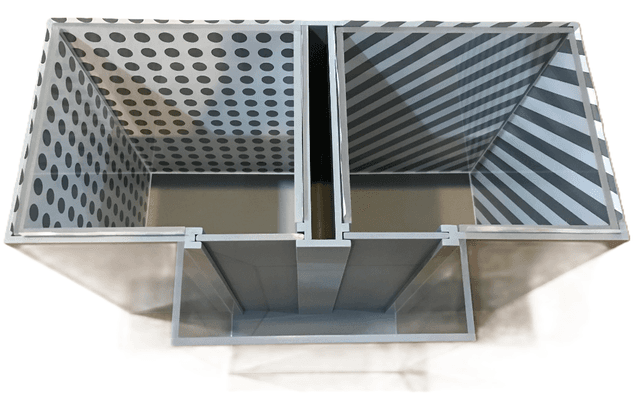
The open field apparatus is a square arena that is available in default small mouse, mouse, and rat sizes but can be customized in dimensions. The arena is surrounded by high walls to prevent the subjects from escaping the apparatus. In general, the walls are clear. However, opaque colors and matte finishes are also available. Floor inserts for the apparatus are available with or without gridlines. These gridlines divide the area into equal smaller squares and can be helpful for both manual scoring, as well as video recording and scoring with tracking software. A square area in the very center of the area may also be outlined.
The open field test is used in the assessment of exploration, locomotion, and anxiety. The test can be used to compare animals in a control group to animals in a treatment or disease model group by observing their behaviors and tracking their movements in the open field. Animals with minimal anxiety are likely to move about the area and perform other behaviors such as grooming and rearing, while animals with increased anxiety may freeze or exhibit stretch-attend postures.
Prior to beginning the experiment, the apparatus should be thoroughly cleaned to prevent the influence of any lingering stimuli. Overhead lighting set-up is recommended to prevent shadows. The arena should be sufficiently, but dimly, lit to allow subjects to see and explore their surroundings while avoiding stress from bright lights. Observation of the Open-Field task can be done using tracking software and video camera, such as Noldus EthoVision® XT or ANY-Maze video tracking system mounted above the apparatus. Live scoring is also possible.
Since the open field task is based on the novelty of the environment, the test does not require any pre-training. The subject is placed in the center of the arena, and its behaviors are observed for a period of at least 5 minutes without any interference.
The simplicity of the open field apparatus makes it a highly modifiable apparatus. Simple modifications include using opaque walls, different lights, different floor inserts (shock floor inserts) and varying the size of the arena. Each modification can be tailored to the needs of the research with the open field apparatus.
The Ziggurat task apparatus is a modification of the open field that uses ziggurats to create a complex environment for the subject to explore. The task involves assessment of the subject’s spatial memory and navigation (Faraji et al., 2008). The novel object recognition task is another battery that uses apparatus similar to the open field task. This task is commonly used in the assessment of memory and response to novel objects (Bevins & Besheer 2006 Leger et al., 2013).
The Social Defeat application of the apparatus is used to the underlying mechanisms of affective-like disorders (Jöhren et al., 1994). This apparatus has also been applied for the development and understanding of new treatments (Berton and Nestler 2006; Berton et al., 2006).
Modification of the protocol can also be of interest in research. Repeated exposure to the open field apparatus can be used to evaluate habituation behaviors of animals.
The primary observation made using the open field apparatus is the behavioral response of the subjects to the open space. Subjects with less anxiousness in the open arena usually will explore the entire space. However, subjects treated with anxiogenics or disease models such as stress, will avoid the central arena and stay close to the walls. The following parameters can be measured using the open field task,
Other observable behaviors can include urination/defecation, grooming and climbing behaviors using video tracking packages such as Noldus EthoVision® XT or ANY-Maze.
The open field test has also been directly applied in human studies. Walz et al. (2016) utilized a soccer field to evaluate thigmotaxic behaviors in human participants with agoraphobia or high anxiety sensitivity. Participants' behavior data were recorded using GPS and heat maps in addition to visual analyses. It was observed that participants with agoraphobia and high anxiety sensitivity showed enhanced thigmotaxis as evident from the long durations spent close to the walls and reluctance to explore the central area. This behavior was further observed in the city walk experiment; wherein, the participants walked through a market area to allow observation of real-life behavior. Observations of both experiments, open field task and real-life scenario, strongly suggested that thigmotaxis is related to agoraphobia and anxiety sensitivity.
The availability of the latest technology also makes execution of the open-field task using virtual reality a possibility. With virtual reality, the setting up of different open-field environments with varying levels of complexity can be easily accomplished. Environments can include an apartment room, a closed room, a cityscape, or an outdoor nature set-up. The benefit of virtual environments is that they are easily modifiable, cost-effective, and provide a safe environment for the participants.
The open field task is a simple apparatus that is both easy to construct and use. Since the apparatus does not require any pre-training, the evaluations can be performed in a much shorter time in comparison to other tests of anxiety. The simplicity of the apparatus makes it easy to adapt it for different investigations such as the assessment of the effects of aging, substances, and lesions on the behaviors of the animals. Open field apparatus can also be used to evaluate social defeat and in novel object recognition tasks.
Using the open-field task behaviors of treatment or disease model animal groups can be compared with control and a normal group of animals to help understand the behaviors of the former group and develop and improve treatments. Apart from testing the animals to the novelty of the open arena, animals can also be subjected to habituation tasks by reintroduction to the arena. This allows improvement in the understanding of the habitation behaviors of animals. The availability of virtual open-field tasks also allows direct application of the assay in human subjects, with the capability of easy modification of virtual environments.
Though the open field task is a straightforward and simple assay, it is debated that it does not differentiate between anxiety and fear-induced behaviors. This can be remedied by using a 3D Open-Field apparatus that does not provide any safe regions, unlike the open-field arena's walls. Further, since the open-field task does not provide a specific measure of anxiety, it is recommended that it should be used in combination with other behavioral assays. It is also important to remember that many different processes play into the behaviors observed during the task.
Apart from these limitations, the handling of the animal, gender, and the intensity of the light used can also influence the outcome of the open-field test. Further, the apparatus must be cleaned before every use to prevent the influence of any lingering stimuli.
From the Maze Engineers documentation for this apparatus.
What is the Open Field Test?
The Open Field Test is a behavioral assay that measures locomotor activity, exploration, and anxiety-like behavior in rodents. Animals are placed in a square or circular arena and their movement is tracked over a set period.
How does the Open Field Test work?
A rodent is placed in an open arena and its movement is recorded via video tracking. Metrics include total distance traveled, time in center versus periphery, rearing frequency, and velocity - providing a comprehensive locomotor and anxiety profile.
What research applications use the Open Field Test?
The Open Field Test is used in psychopharmacology for drug screening, assessment of motor function in neurological disease models, and baseline activity profiling. It is essential in ADHD, Parkinson's, and general behavioral phenotyping studies.
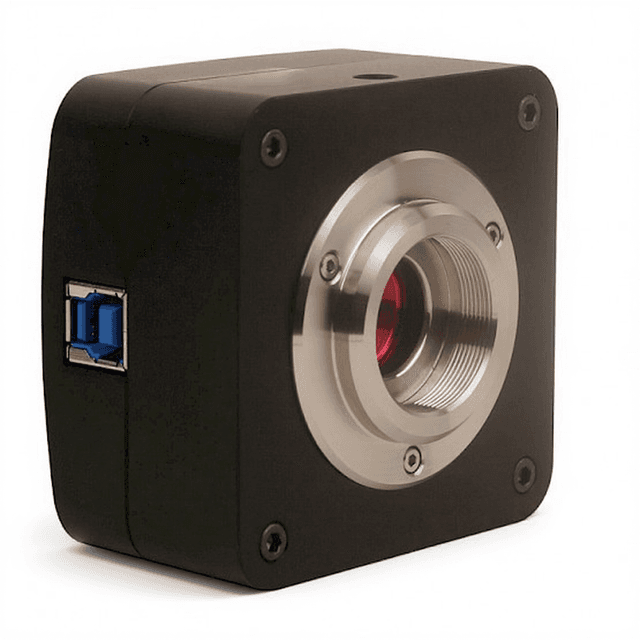
ConductVision is our video-tracking software. Record your sessions on video, and it reports the measures listed below.
A 5-year license is $3,990 in total.
The same license also scores standard tests such as the elevated plus maze, the Y-maze, the Morris water maze and the Barnes maze. Results export as CSV files.
Send it over and we'll email you a personalized answer — no call, no scheduling.
Prefer to talk it through?
Creator Insights
Calvin S. Hall was an American psychologist at Western Reserve University (now Case Western Reserve University), where he carried out foundational research on animal emotionality. His 1934 paper introduced the open field test, proposing that a rat’s defecation and urination in a novel arena provide a quantifiable measure of emotional reactivity. The paradigm became one of the first systematized assays of emotionality in rodents and established the open-arena template still used today to measure locomotion, thigmotaxis and anxiety-like behavior. Hall later became widely known for his content-analysis approach to the psychology of dreams.
To view Calvin S. Hall’s publications, visit PubMed.
Did you work with Calvin S. Hall? to suggest corrections or share material for these Creator Insights.
ConductScience celebrates method creators: researchers who, through rigorous and often ingenious experiments, develop the tools that reveal how the brain and body work. These are real scientific discoveries that become everyday instruments for the labs that follow.
Use this apparatus with
Automate center, wall, corner, distance, velocity, and immobility measures from overhead video.
ConductVision Open Field ->Session setup, arena zones, illumination, habituation, and metric definitions for locomotion and anxiety screens.
ConductMaze Open Field Protocol ->Free calculator for center time, thigmotaxis, distance traveled, entries, and zone preference.
Open Field Analyzer ->Configuration considerations
Use these notes to scope species, cohort, tracking, and automation needs. Only verified product or support routes are linked from this section.
40 x 40 cm mouse or 100 x 100 cm rat formats
Most common configuration for locomotor activity, anxiety-like behavior, habituation, and drug-screen controls.
Add to CartOpaque walls, low-glare floor, overhead tracking compatible
Scaled arena for mouse center-periphery behavior and repeated activity monitoring.
Switch to Mouse ->Round wall geometry for lower corner bias
Useful when the study design prioritizes continuous wall-distance analysis over corner-zone endpoints.
Configure tracking ->§ 1
The Open Field Test measures spontaneous locomotion and exploration in a novel arena. It is used as a baseline activity assay, an anxiety-like behavior screen based on center avoidance, and a control for interpreting other behavioral tasks. 1
The classic readout is the tradeoff between exploration of the exposed center and thigmotaxis near the walls. Because total distance, immobility, and velocity can shift for non-anxiety reasons, open-field interpretation depends on reporting both affective and locomotor endpoints. 1
Open field is often paired with EPM, light-dark box, rotarod, fear conditioning, or spatial learning assays so researchers can separate general activity from task-specific performance. 1
§ 2
Single-session or repeated-session arena exploration, typically 5 to 30 minutes.
Critical methodological constraints
Core open-field endpoints ConductVision scores from arena trajectories.
Center Time
Anxiety-like behavior
Wall Time
Thigmotaxis
Total Distance
Locomotor control
Center Entries
Exploration frequency
Velocity and Immobility
Activity state
+ Additional metrics: corner time, rearing, grooming, path entropy, turn angle, zone transitions, and habituation slope.
A normalized center preference endpoint for comparing animals with different activity levels.
§ 3
PubMed publication counts, sample apparatus output, and recent papers from a dated PubMed snapshot.
PubMed volume and co-occurring methods for locomotion and anxiety-like behavior.
Representative center-periphery and locomotor endpoints.
Pharmacological potential of wogonin in rotenone induced mice model of Parkinson's disease via targeting GSK-3β.
Sharma K, Chib S, Singh TG, et al.. Neuroscience. 2026 Sep 28.
Wogonin, a naturally occurring flavonoid derived from Scutellaria species and widely used in traditional East Asian medicine for its anti-inflammatory and antioxidant effects.
Early-gestational binge ethanol exposure induces persistent motor dysfunction associated with cerebellar redox and cytokine dysregulation in rat offspring.
Mendes PFS, Baia-da-Silva DC, Dos Santos VRN, et al.. Toxicol Sci. 2026 Sep 24.
Ethanol (EtOH) exposure frequently occurs before pregnancy recognition, making early embryonic development particularly vulnerable to inadvertent alcohol exposure.
Age-related emergence of behavioral deficits and amyloid pathology in the J20 mouse model of Alzheimer's disease.
Canet G, Zussy C, Otaegui L, et al.. Behav Brain Res. 2026 Sep 24.
Transgenic mouse models carrying familial Alzheimer's disease mutations are widely used in preclinical research, yet phenotypic variability across age and sex can complicate experimental design and interpretation.
Ginsenoside Ro attenuates aging-related cognitive impairment and associated neuroinflammatory changes via multi-target modulation of the PI3K-Akt axis: a convergent network pharmacology and experimental validation study.
Hou J, Yang K, Zhang D, et al.. Naunyn Schmiedebergs Arch Pharmacol. 2026 Sep 24.
The increasing global burden of aging-related cognitive impairment (ACI) highlights an urgent need for disease-modifying therapeutics, as current pharmacological options provide only temporary symptomatic relief without affecting underlying pathological trajectories.
Dexmedetomidine attenuates sepsis-associated inflammation and encephalopathy by modulating the MeCP2/NLGN1 pathway.
Hu B, Wang Y, Yang Y, et al.. Brain Res Bull. 2026 Sep 23.
Sepsis-associated encephalopathy (SAE) is a common and serious complication in septic patients that significantly reduces quality of life. Besides its sedative and analgesic effects, dexmedetomidine has been suggested to have potential neuroprotective benefits.
Behavioral, neuroanatomic, and neuroinflammatory characteristics of metabolic syndrome in cafeteria diet-induced obese male rats.
Feješ A, Szabó J, Sušienková P, et al.. Metab Brain Dis. 2026 Sep 23.
Obesity and metabolic syndrome are associated with low-grade systemic inflammation and neuroinflammation, potentially contributing to structural brain alterations and cognitive decline.
§ 4
Limitations of the paradigm, methodological caveats, and current directions.
Variables that can shift Open Field Test results apart from the effect under study.
Distance and velocity can change center time independent of anxiety-like behavior.2
Illumination intensity strongly changes center avoidance and must be reported.
Residual odor changes exploration and wall preference. Keep cleaning and drying intervals consistent.
Handling, injection, and transport stress can shift center behavior before the session begins.
Habituation changes novelty-driven locomotion. First exposure and repeated exposure answer different questions.
Open field is a broad screen, not a standalone anxiety diagnosis. Center avoidance can reflect anxiety-like behavior, low activity, visual impairment, freezing, or altered novelty seeking. 1 Strong designs pair center endpoints with locomotor controls and, when needed, another anxiety assay such as EPM or light-dark box. 2
Report both when possible. Center time captures dwell behavior, while entries capture approach frequency and can be less sensitive to one long center visit.
Yes, but repeated sessions measure habituation and activity adaptation. Do not pool repeat sessions with first-exposure anxiety-like behavior.
Yes. Square arenas introduce corner zones, while circular arenas emphasize wall distance. Treat shape as a protocol factor.
Quarterly editorial review of emerging Open Field Test methodology. Q2 2026
Studies increasingly compare home-cage baseline with novelty-evoked open-field behavior.
Path entropy, turn angle, and wall-distance distributions supplement center-periphery scoring.
Open field remains a standard control before memory, depression-like, and sensorimotor tasks.
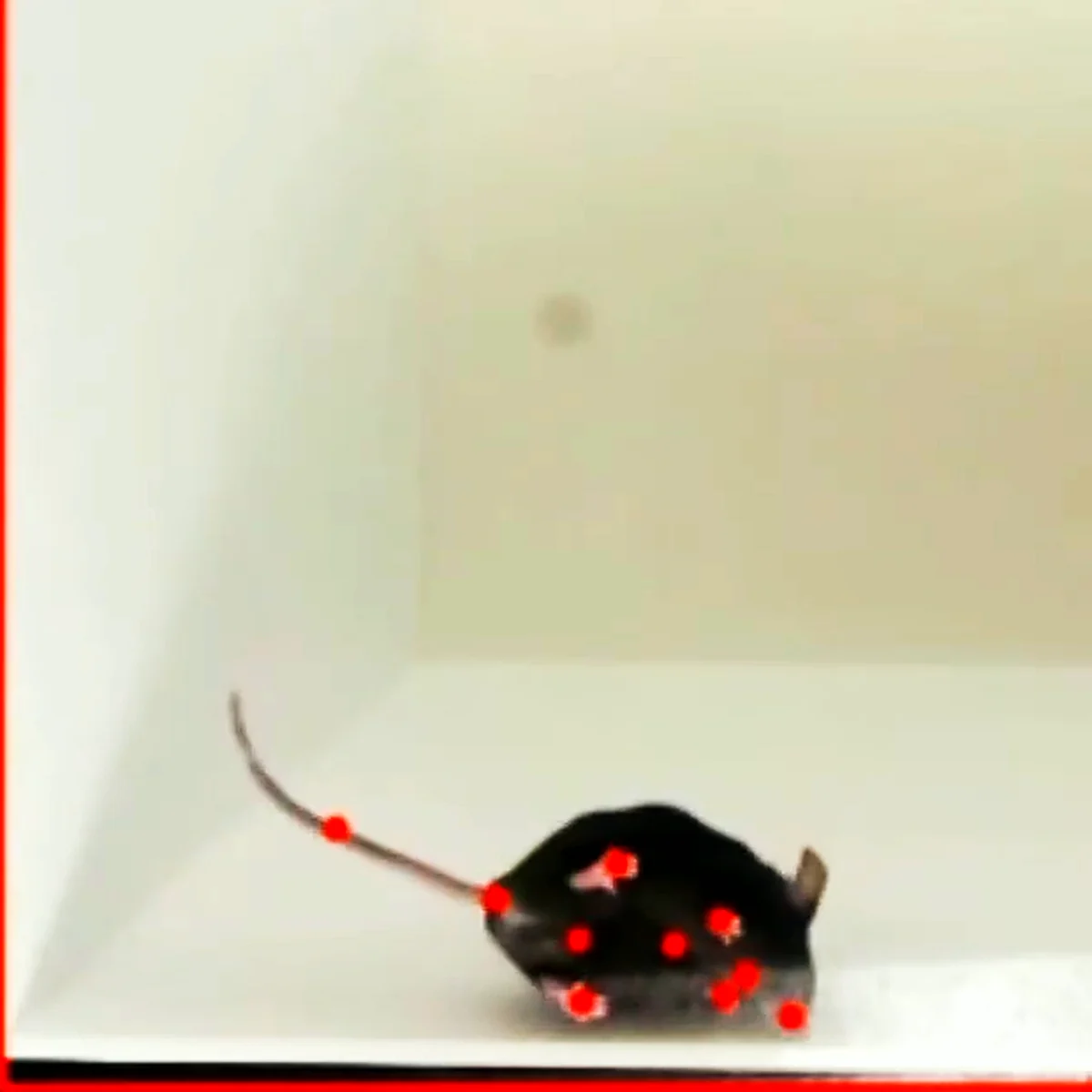
Pose-based scoring is adding rearing, grooming, freezing, and stretch-attend states to basic zone data.
§ 5
10 selected methods and validation references for Open Field Test.