ConductVision
$1,490 per yearA 5-year license is $3,990 in total.
The same license also scores standard tests such as the open field, the elevated plus maze, the Y-maze and the Morris water maze. Results export as CSV files.

Elevated circular behavioral apparatus for anxiety assessment and exploratory behavior testing in mice and rats, featuring non-reflective acrylic construction and easy cleaning protocols.

Director of Science · ConductScience
Ask Louise about Zero Maze fit, setup, configuration, or quote prep.
Already working with us? Sign in to connect this with My Scientist.
The paper
“Autonomic C1 neurons promote anxiety via activation of vlPAG”
Elevated Zero Maze · Maze Engineers
Maze Engineers is part of ConductScience.
The Zero Maze is a behavioral testing apparatus designed for assessment of anxiety-related behaviors and exploratory activity in rodents. Constructed from non-reflective matted acrylic, this elevated circular platform provides an alternative to the elevated plus maze for measuring thigmotactic behavior.
The Elevated Zero Maze is an elevated ring-shaped runway with the same amount of area devoted to adjacent open and closed quadrants. It is very similar to the elevated plus maze, but with the center region of the elevated plus maze removed. It has been pharmacologically validated with various anxiolytic drugs.
The design is created with an elevated circular platform with two walled, enclosed portions as well as two open portions, allowing for clear interpretations of murine behavior. Because mice tend to avoid open-spaced areas, the animals will preferentially spend more time in the enclosed walled area.
Our Zero Maze is compatible with all major video tracking and analysis packages including our complete tracking and analysis package ConductVision, Noldus Ethovision XT, and ANY-Maze.
The Zero Maze operates on the principle of approach-avoidance conflict, where rodents exhibit natural thigmotactic behavior (preference for wall contact) when placed in an elevated, partially exposed environment. The circular design creates alternating open and closed sections, with animals typically spending more time in closed areas that provide wall contact and shelter.
Anxiety levels are quantified by measuring the ratio of time spent in open versus closed sections, along with entries into open areas and overall locomotor activity. The elevated position (40cm height) adds an aversive component that enhances the anxiety-provoking nature of the open sections. Unlike traditional plus maze designs, the continuous circular pathway eliminates the central square, preventing animals from remaining in a neutral zone and forcing choice behaviors between protected and exposed areas.
| Add-on | Fits | Size | Price |
|---|---|---|---|
| Doors (<4) | Mouse or Rat | $100 | |
| Additional Height of Walls | Mouse | 40cm wall height | $200 |
| Additional Height of Walls | Rat | 50cm wall height | $250 |
Add any of these to your quote request.
| Measurement | Mouse | Rat |
|---|---|---|
| Diameter | 50 cm | 100 cm |
| Track width | 5 cm | 10 cm |
| Wall height | 20 cm | 30 cm |
| Stand height | 61 cm | 61 cm |
| Feature | This Product | Typical Alternative | Advantage |
|---|---|---|---|
| Platform Design | Continuous circular pathway without center square | Plus maze designs often include central neutral zones | Forces active choice behaviors between protected and exposed areas without neutral zone dwelling. |
| Construction Material | Non-reflective matted acrylic | Standard acrylic or plastic materials may have reflective surfaces | Prevents light artifacts and visual disturbances that could confound behavioral responses. |
| Species Configurations | Dedicated mouse and rat sizing with optimized entry dimensions | Single-size designs may not optimize spatial scaling | Species-appropriate dimensions ensure natural exploratory behaviors and consistent anxiety responses. |
| Color Options | Five color choices including black, blue, clear, grey, and white | Limited color options in standard models | Enables optimization for video contrast and tracking system compatibility across different laboratory setups. |
| Customization Options | Door modifications and additional wall height available | Fixed configurations limit protocol flexibility | Allows protocol customization for specialized experimental designs and research requirements. |
| Cleaning Protocol | Easy cleaning with standard 70% ethanol | Some materials require specialized cleaning agents | Simple decontamination procedures maintain consistent baseline conditions between test sessions. |
The Zero Maze offers a continuous circular design that eliminates center square effects while providing species-specific sizing and customization options. The non-reflective matted acrylic construction with multiple color choices optimizes video tracking compatibility and reduces environmental confounds.
| Model | Size | SKU | Listed price | Status | Shipping box |
|---|---|---|---|---|---|
| Mouse | Diameter 50 cm · Track width 5 cm · Wall height 20 cm · Stand height 61 cm | CS-958390 | $1,890.00 | Available | 65.0 x 36.0 x 27.0 cm |
| Rat | Diameter 100 cm · Track width 10 cm · Wall height 30 cm · Stand height 61 cm | CS-958390 | $2,290.00 | Available | 65.0 x 36.0 x 27.0 cm |
Check that the platform sits level on its 61 cm stand before each testing session.
Why: Consistent elevation maintains the aversive stimulus necessary for anxiety-related behavioral responses.
Inspect acrylic surfaces for scratches or damage that could create visual artifacts during video tracking.
Why: Surface imperfections can interfere with automated behavioral analysis and introduce measurement variability.
Allow 30-60 minutes for animal acclimation to the testing room environment before behavioral assessment.
Why: Adequate acclimation reduces stress-related confounds and improves baseline behavioral consistency.
Position video cameras directly overhead to capture the entire circular pathway without blind spots.
Why: Complete visual coverage ensures accurate tracking of transitions between open and closed sections.
If animals show excessive freezing behavior, reduce ambient lighting or provide longer acclimation periods.
Why: Excessive fear responses can mask subtle anxiety-related behaviors and reduce protocol sensitivity.
Monitor animals continuously during testing to prevent falls and ensure immediate intervention if needed.
Why: The elevated platform requires safety oversight to protect animal welfare during behavioral assessment.
Randomize the starting position within closed sections to prevent position bias effects.
Why: Consistent starting positions can create learned associations that confound natural exploratory patterns.
Store the apparatus in a dust-free environment and cover when not in use to maintain surface clarity.
Why: Clean surfaces are essential for accurate video tracking and consistent visual conditions across test sessions.
ConductScience provides a standard one-year manufacturer warranty covering defects in materials and workmanship, with technical support available for protocol optimization and troubleshooting.
Background reading relevant to this product:
Elevated Zero Maze (EZM) is an adaptation of the Elevated Plus Maze (EPM) that combines both classical and new ethological measures. The maze has been gaining steady popularity as a behavioral assay for anxiety-like behaviors. It takes advantage of a rodent’s innate preference for dark, enclosed spaces as opposed to open spaces. Unlike the EPM, the EZM subjects the participant to a continuous circuit that has alternating walled and un-walled areas.
The maze was developed based on the principles of Montgomery (1955) experiment that used an elevated Y-Maze with one of the choice arm enclosed to mimic a safe space and the other choice arm left un-walled. The Elevated Zero Maze was developed (Shepherd 1992, Shepherd et al.,1993) and pharmacologically validated for anxiety-like behaviors in mice by Shepherd and colleagues in their paper published in 1994. The maze has since seen a growing interest as a better alternative to the Elevated Plus Maze.
The Elevated Zero Maze consists of a circular track that is elevated above the ground and divided into four quadrants. Alternating segments (quadrants) of the alleyway are enclosed by dark walls while the rest remain open. The EZM eliminates a choice point as seen with the EPM thereby removing the ambiguity associated with a central arena.
Origin
The Elevated Zero Maze was first described by Shepherd (Shepherd 1992). It was designed to overcome the issue of the Elevated Plus Maze. The EPM’s central platform, which served as the choice point for the subject to choose one of the four arms, resulted in difficulty in interpretation of the time spent in that area. To overcome this ambiguity presented by the EPM, Shepherd designed a circular maze with alternating enclosed and open areas.
The pharmacological validation of the Elevated Zero Maze was done by Shepherd and colleagues in the preceding papers (Shepherd et al.,1993, Shepherd et al.,1994). The apparatus showed great success as an animal model of anxiety and proved to be a more sensitive test in comparison to the EPM.
Developments
Matto et al. used the EZM to evaluate the effects of cholecystokinin A and B receptor agonists SR 27897 B, devazepide, L 365260 and PD 135158 (CAM 1028) on exploratory behaviors of rats. Their experiment was able to support the involvement of CCK(B) receptor subtype in the neurobiological mechanisms of anxiety.
The differential effects of beta-carbolines and antidepressant were explored by Pähkla et al. In their paper, they compared the antidepressants desipramine and fluoxetine with anxiogenic beta-carboline DMCM. They further tested pinoline in comparison to DMCM and the antidepressants. The results of their investigation suggested that in comparison to the antidepressants both pinoline and DMCM decreased the time spent in open spaces, the number of line crossings in the open spaces and the number of head dips. They were able to conclude that mechanisms other than serotoninergic in nature were involved in the action of pinoline.
mGlu1 receptor blockade’s effect on anxiety-like behaviors in rats was tested by Steckler et al. Doses of up to 10mg/kg IP of JNJ16259685 showed to have no anxiolytic effect on the performance of the rats on the Elevated Zero Maze. However, on treatment with lowest active dose (5mg/kg) of benzodiazepine chlordiazepoxide a relative increase in time spent in open spaces was observed.
Recent Developments
Using mice deficient in either mGlu4(-/-) or mGlu8(-/-) or both receptors mGlu4/8(-/-) the possible relation and overlapping of functions of the mGlu4 and mGlu8 metabotropic receptors was analyzed by Davis et al. When subjected to the Elevated Zero Maze, mGlu4 deficient mice spent more time in open areas of the maze in comparison to the other groups. However, no genotype difference in activity levels was observed for any of the groups.
The anxiety-like behaviors of APP/PS1 mice were tested using the EZM in their investigation by Biallosterski et al. The mice were subjected to the EZM after voiding behavior testing, and it was observed that the APP/PS1 mice showed a lower preference for open space as compared to the wild-type mice that spent significantly more time in the open sectors.
Tucker et al. tested C57BL/6J mice in the EZM after controlled cortical impact (CCI) to investigate the anxiety-like symptoms following a traumatic brain injury. In their investigation, they observed that CCI reduced anxiety-like behaviors and fewer anxiety-like behaviors were associated with the female sex.
The Zero Maze is composed of a circular alley of diameter ranging from 40 to 110 cm and having a width in the range 50 to 10 cm. The alleyway is divided into four equal quadrants. Each of the opposite quadrants is walled with approximately 30 cm high, dark-colored walls to create an enclosed space. The remaining two quadrants are bordered with an approximately 5mm rim in order to prevent the subject from falling off the track, and these quadrants serve as the open anxiogenic spaces. The apparatus is raised above the floor to a height of at least 70 cm.
To avoid shadows and to ensure equal lighting in all the quadrants, the EZM should be lit from above. Proper lighting also ensures that the subject is able to see the food rewards or other cues if used. A camera connected to tracking software such as ConductVision, Noldus Ethovision XT,and ANY-Maze can mounted above the maze to assist with live scoring, tracking and recording the subject and its movements within the maze. The apparatus must be cleaned thoroughly before and after each trial to limit influence from any residual stimuli from previous trials.
The Elevated Zero Maze’s continuous alley design serves as a more sensitive maze than the Elevated Plus Maze and thus is employed in the assessment of anxiety and anxiety-like behaviors. Like the EPM, the EZM also utilizes the subject’s preference for open spaces as a way to assess the performance of the treated group or the disease group in comparison to a control group.
Rodents have an innate preference for closed or enclosed spaces where they feel safe. Thus they tend to avoid exploring exposed alleys as much as the enclosed ones. Animals treated with anxiolytic drugs show reduced anxiety-like behavior and are more likely to explore the exposed areas of the maze. On the other hand, animals treated with anxiogenic drugs tend to spend less time in open spaces and more time exploring the enclosed areas due to the heightened anxiety-like feeling. The amount of time the animal spends on either of the areas provides information regarding the anxious state of the subject.
The maze as such requires no pre-training as the task is intended to test the response of the subject to an unfamiliar maze. Before every trial, the apparatus must be thoroughly cleaned with a solution of ethanol to avoid the influence of residual stimuli if any.
Evaluation of Anxiety-like Behaviors in the Zero Maze
The subjects are brought into the testing area at least 1 hour prior to the testing. During the sessions, it is important to ensure all the lighting level are consistent and do not inhibit exploratory behaviors.
The video recording is started (if being used) and the subject is placed in the center of the enclosed alley and allowed to freely explore the maze (Some investigations place the subject in the center of the open area). Each testing session lasts for at least 5 minutes after which the subject is carefully removed from the maze and placed in its home cage. The recording is also stopped at the expiration of the 5 minutes.
Trials are repeated for each subject for over a period of about 3 days.
The Elevated Zero Maze has seen minimal variation in its general apparatus design since Shepherd's initial design; however, it has been adapted for different laboratory animals. Although design modifications are yet to be seen, simple modifications such as using transparent walls and changing the length or frequency of the enclosed arenas could have potential in investigatory processes involving the EZM.
Most of the published modifications utilizing EZM have been with the use of different strains of rodents. Different strains of mice tend to exhibit significantly different behaviors in the maze, or differences in the statistical analysis. (Biallosterski et al.,2015; Tucker et al.,2017)
The EZM has also been frequently used in determining the role of gene modifications and analyzing effects of pharmacological substances. (Heredia et al.,2012; Wilking et al.,2012; Davis et al.,2013).
Similar to the Elevated Plus Maze, the variables measured during the Elevated Zero Maze task include
Other observable measures include,
General activity is determined as the number of entries into closed spaces. Subjects spending shorter intervals in the open spaces are translated as increased anxiety (Pellow et al.,1985). Behaviors associated with reduced anxiety, such as head dips and stretch attend postures, tend to increase in animals treated with anxiolytic drugs.
Using graphs allow for easy comparison among animals treated with anxiety-reducing drugs and the sham control group. Animals treated with saline are naturally cautious of open, exposed areas and tend to have higher latency times, as well as a decreased percentage of time spent in open areas. Those animals treated with anxiolytic drugs, such as diazepam and chlordiazepoxide show decreased latencies and a higher percentage of time spent in open areas. These animals will also likely display fewer anxiety-related behaviors, such as stretched attend postures. Generally, animal cohorts of approximately 10 animals are sufficient to obtain p-values of <0.05 using a 1-way ANOVA, ANCOVA, or post hoc tests (Shepherd et al.,1994, Cook et al.,2002, Braun et al.,2010, Heredia et al.,2013).
The Elevated Zero Maze overcomes the difficulty that arises in Elevated Plus Maze in evaluating the biological significance of anxiety-related behavior due to the ambiguous central platform. Further, the EZM has a lower baseline level in comparison to the EPM thus making it more sensitive to changes (Braun et al.,2011).
Space voyages expose astronauts to an environment much different from that of the earth. Exposure to microgravity and ionizing radiations during lengthy voyages could have potential effects on physical abilities, mood, and cognitive functioning. An investigation into the possible effects of combined microgravity and low-dose radiation was conducted by Bellone et al.
Animal models of mood disorders often employ stressful environments as a comparative reflection of stressful lives of humans. Matrov et al. used a rat model of chronic social defeat to confirm that low levels of exploratory activity are a risk factor for passive stress coping. They employed EZM to observe the stress and explorative behaviors of the groups.
The therapeutic potential of direct cannabinoid agonists was investigated by Kathuria et al. In their paper, they suggested an alternative approach to developing drugs that amplify the effects of endogenous cannabinoids by preventing their inactivation. They were able to demonstrate that URB532 (0.1–10 mg kg–1, i.p.) and URB597 (0.05–0.1 mg kg–1, i.p.) evoked anxiolytic-like responses at doses that corresponded to those required to inhibit FAAH activity in vivo in an EZM task.
The major strength of the Elevated Zero Maze is its simplicity, both in terms of testing method and interpretation. The EZM overcomes the ambiguity in measuring that arises from the EPM due to its central platform. Over repeated trials in the EPM, the subject tends to associate the central platform as a safe space. When analyzing rodent behavior in the EPM, it becomes difficult to evaluate the time the animals spent on the central platform, either prior to entering an arm or between arm entries. The EZM eliminates this central area and allows animals to continuously explore the different quadrants of the maze by moving between open and closed areas (Shepherd 1994).
Unlike other tasks, the subjects on repeated exposure to the Elevated Zero Maze show an increase in anxiety which suggests that the emotional responses of the subject change with every exposure to task on the maze. It is also important to remember that the EZM examines emotions in animals that are comparative to feelings of anxiety in humans. However, this test is not an equivalent of the entire spectrum of human anxiety. It is evident that anxiolytic drugs can reduce anxiety-like behaviors in the animals in the maze, but there are other factors to consider that may play important roles in interpreting results, such as age, weight, sex, species, and strains of the animals tested.
Almeida-Suhett CP, Scott JM, Graham A, Chen Y, Deuster PA. (2017) Control diet in a high-fat diet study in mice: Regular chow and purified low-fat diet have similar effects on phenotypic, metabolic, and behavioral outcomes. Nutr Neurosci. 1-10. doi: 10.1080/1028415X.2017.1349359.
Amos-Kroohs RM, Davenport LL, Gutierrez A, Hufgard JR, Vorhees CV, Williams MT. (2016) Developmental manganese exposure in combination with developmental stress and iron deficiency: Effects on behavior and monoamines. Neurotoxicol Teratol. 56:55-67. doi: 10.1016/j.ntt.2016.06.004.
Bellone JA, Gifford PS, Nishiyama NC, Hartman RE, Mao XW. (2017) Long-term effects of simulated microgravity and/or chronic exposure to low-dose gamma radiation on behavior and blood-brain barrier integrity. NPJ Microgravity. 2:16019. doi: 10.1038/npjmgrav.2016.19.
Biallosterski BT, Prickaerts J, Rahnama'i MS, de Wachter S, van Koeveringe GA, Meriaux C. (2015) Changes in voiding behavior in a mouse model of Alzheimer's disease. Front Aging Neurosci. 7:160. doi: 10.3389/fnagi.2015.00160.
Braun, A.A., Skelton, M.R., Vorhees, C.V., Williams, M.T. (2011) Comparison of the elevated plus and elevated zero mazes in treated and untreated male Sprague-Dawley rats: Effects of anxiolytic and anxiogenic agents. Pharm. Biochem. Behav. 97, 406-415
Cook, M.N., Crounse, M., Flaherty, L. (2002) Anxiety in the elevated zero-maze is augmented in mice after repeated daily exposure. Behav. Genetics 32, 113-118
Davis MJ, Duvoisin RM, Raber J. (2013) Related functions of mGlu4 and mGlu8. Pharmacol Biochem Behav. 111:11-6. doi: 10.1016/j.pbb.2013.07.022.
Gunter BW, Jones SA, Paul IA, Platt DM, Rowlett JK. (2016) Benzodiazepine and neuroactive steroid combinations in rats: anxiolytic-like and discriminative stimulus effects. Psychopharmacology (Berl). 233(17):3237-47. doi: 10.1007/s00213-016-4369-8.
Heredia L, Torrente M, Domingo JL, Colomina MT. (2012) Individual housing and handling procedures modify anxiety levels of Tg2576 mice assessed in the zero maze test. Physiol Behav. 107(2):187-91.
Heredia, L., Torrente, M., Colomina, M.T., Domingo, J.L. (2013) Assessing anxiety in C57BL/6J mice: A pharmacological characterization of the zero maze test. J. Pharm. Tox. Methods 68, 275-283
Kathuria S, Gaetani S, Fegley D, Valiño F, Duranti A, Tontini A, Mor M, Tarzia G, La Rana G, Calignano A, Giustino A, Tattoli M, Palmery M, Cuomo V, Piomelli D. (2003) Modulation of anxiety through blockade of anandamide hydrolysis. Nat Med. 9(1):76-81.
Kosari-Nasab M, Shokouhi G, Ghorbanihaghjo A, Abbasi MM, Salari AA. (2017) Anxiolytic- and antidepressant-like effects of Silymarin compared to diazepam and fluoxetine in a mouse model of mild traumatic brain injury. Toxicol Appl Pharmacol. 338:159-173. doi: 10.1016/j.taap.2017.11.012.
Lister, R.G. (1987) The use of a plus-maze to measure anxiety in the mouse. Psychopharmacology 92, 180-185
Matrov D, Kõiv K, Kanarik M, Peet K, Raudkivi K, Harro J. (2016) Middle-range exploratory activity in adult rats suggests higher resilience to chronic social defeat. Acta Neuropsychiatr. 28(3):125-40. doi: 10.1017/neu.2015.64.
Matto V, Harro J, Allikmets L. (1997) The effects of cholecystokinin A and B receptor antagonists on exploratory behaviour in the elevated zero-maze in rat. Neuropharmacology. 36(3):389-96.
Montgomery, K.C. (1955) The relation between fear induced by novel stimulation and exploratory behaviour. J. Comp. Physiol. Psychol. 48, 254-260
Morgan JA, Singhal G, Corrigan F, Jaehne EJ, Jawahar MC, Baune BT. (2018) The effects of aerobic exercise on depression-like, anxiety-like, and cognition-like behaviours over the healthy adult lifespan of C57BL/6 mice. Behav Brain Res. 337:193-203. doi: 10.1016/j.bbr.2017.09.022.
Nobre MJ. (2016) Environmental enrichment may protect against neural and behavioural damage caused by withdrawal from chronic alcohol intake. Int J Dev Neurosci. 55:15-27. doi: 10.1016/j.ijdevneu.2016.09.003.
Pähkla R, Kask A, Rägo L. (2000) Differential effects of beta-carbolines and antidepressants on rat exploratory activity in the elevated zero-maze. Pharmacol Biochem Behav. 65(4):737-42.
Pellow, S., Chopin, P., File, S.E., Briley, M. (1985) Validation of open closed arm entries in an elevated plus-maze as a measure of anxiety in the rat. J. Neurosci. Methods 14, 149-167
Rebuli ME, Camacho L, Adonay ME, Reif DM, Aylor DL, Patisaul HB. (2015) Impact of Low-Dose Oral Exposure to Bisphenol A (BPA) on Juvenile and Adult Rat Exploratory and Anxiety Behavior: A CLARITY-BPA Consortium Study. Toxicol Sci. 148(2):341-54. doi: 10.1093/toxsci/kfv163.
Rodgers RJ, Dalvi A. (1997) Review Anxiety, defence and the elevated plus-maze. Neurosci Biobehav Rev. 21(6):801-10.
Schulz KM, Pearson JN, Neeley EW, Berger R, Leonard S, Adams CE, Stevens KE. (2011) Maternal stress during pregnancy causes sex-specific alterations in offspring memory performance, social interactions, indices of anxiety, and body mass. Physiol Behav. 104(2):340-7.
Shepherd, J.K. Preliminary evaluation of an elevated “zero-maze” as a model of anxiety in laboratory rats. J. Psychopharmacology 6, 223 (1992).
Shepherd, J.K., Grewal, S.S., Fletcher, A., Bill, D.J., Dourish, C.T. (1993) Pharmacological evaluation of the elevated “zero-maze” as a model of anxiety in rats. Br. J. Pharmacol. 110, 13P
Shepherd, J.K., Grewal, S.S., Fletcher, A., Bill, D.J., Dourish, C.T. (1994) Behavioral and pharmacological characterization of the elevated “zero-maze” as an animal model of anxiety. Psychopharmacology 116, 56-64
Soares LM, De Vry J, Steinbusch HWM, Milani H, Prickaerts J, Weffort de Oliveira RM. (2016) Rolipram improves cognition, reduces anxiety- and despair-like behaviors and impacts hippocampal neuroplasticity after transient global cerebral ischemia. Neuroscience. 326:69-83. doi: 10.1016/j.neuroscience.2016.03.062.
Steckler T, Lavreysen H, Oliveira AM, Aerts N, Van Craenendonck H, Prickaerts J, Megens A, Lesage AS. (2005) Effects of mGlu1 receptor blockade on anxiety-related behaviour in the rat lick suppression test. Psychopharmacology (Berl). 2005 Apr;179(1):198-206. Epub 2004 Dec 4.
Towers AE, Oelschlager ML, Patel J, Gainey SJ, McCusker RH, Freund GG. (2017) Acute fasting inhibits central caspase-1 activity reducing anxiety-like behavior and increasing novel object and object location recognition. Metabolism. 71:70-82. doi: 10.1016/j.metabol.2017.03.005.
Treit, D., Menard, J., Royan, C. (1993) Anxiogenic stimuli in the elevated plus maze. Pharm. Biochem. Behav. 44, 463-469
Tucker LB, Burke JF, Fu AH, McCabe JT. (2017) Neuropsychiatric Symptom Modeling in Male and Female C57BL/6J Mice after Experimental Traumatic Brain Injury. J Neurotrauma. 34(4):890-905. doi: 10.1089/neu.2016.4508.
van Donkelaar EL, Vaessen KR, Pawluski JL, Sierksma AS, Blokland A, Cañete R, Steinbusch HW. (2014) Long-term corticosterone exposure decreases insulin sensitivity and induces depressive-like behaviour in the C57BL/6NCrl mouse. PLoS One. 9(10):e106960. doi: 10.1371/journal.pone.0106960.
Wu H, Cottingham C, Chen L, Wang H, Che P, Liu K, Wang Q. (2017) Age-dependent differential regulation of anxiety- and depression-related behaviors by neurabin and spinophilin. PLoS One. 2017 Jul 10;12(7):e0180638. doi: 10.1371/journal.pone.0180638.
From the Maze Engineers documentation for this apparatus.
What is the Zero Maze?
The Zero Maze (Elevated Zero Maze) is a circular variation of the Elevated Plus Maze, eliminating the ambiguous center zone. It consists of alternating open and enclosed quadrants arranged on a circular elevated track.
How does the Zero Maze work?
Rodents freely explore the circular track divided into two open and two enclosed quadrants. Time spent in open versus enclosed sections measures anxiety-like behavior, with the circular design removing the center-square scoring ambiguity of the plus maze.
What research applications use the Zero Maze?
The Zero Maze provides an unambiguous measure of anxiety-like behavior for anxiolytic drug screening. Its continuous design eliminates center-dwell artifacts, making it preferred for precise anxiety quantification in pharmacological studies.
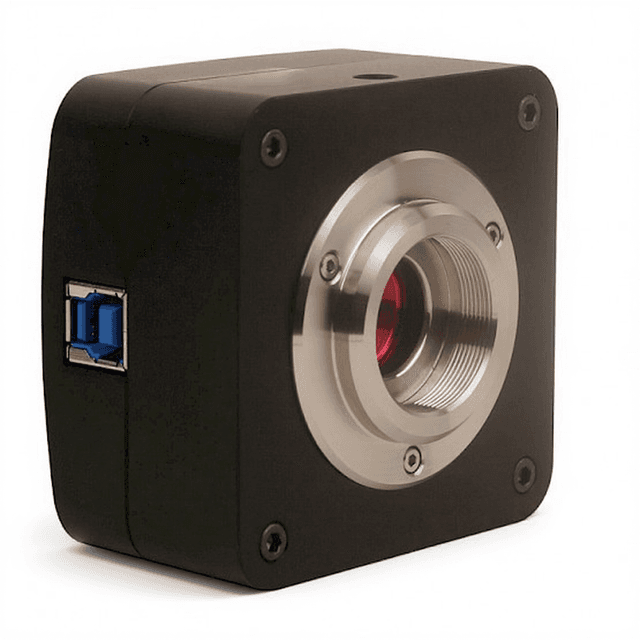
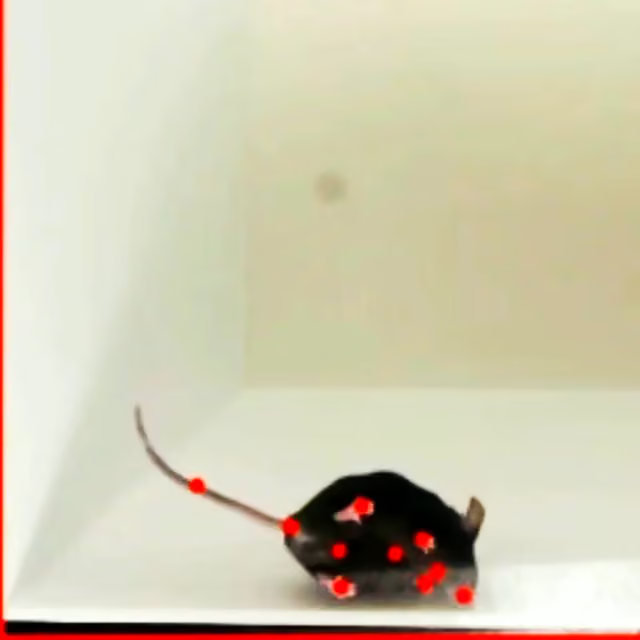
ConductVision is our video-tracking software. Record your sessions on video, and it reports the measures listed below.
A 5-year license is $3,990 in total.
The same license also scores standard tests such as the open field, the elevated plus maze, the Y-maze and the Morris water maze. Results export as CSV files.
Send it over and we'll email you a personalized answer — no call, no scheduling.
Prefer to talk it through?
Enhance your setup with compatible accessories
Use this apparatus with
Automate open-zone time, latency, zone occupancy, path order, and event timing for Zero Maze studies.
ConductVision Zero Maze ->Stepwise anxiety-like exploration setup, trial timing, exclusion rules, and reporting checkpoints.
ConductMaze Zero Maze Protocol ->Summarize open-zone time, group differences, and quality-control flags before export.
Zero Maze Calculator ->Configuration considerations
Use these notes to scope species, cohort, tracking, and automation needs. Only verified product or support routes are linked from this section.
Elevated circular annulus with alternating open and enclosed quadrants
continuous open-versus-closed exploration without the center-zone ambiguity of plus-maze designs.
Quote
Request QuoteMouse, rat, aquatic, insect, or large-animal scaling as appropriate
Use species-specific dimensions and lighting so the apparatus tests the intended construct instead of body size, visibility, or handling tolerance.
Quote
View options ->Camera, gates, sensors, cue control, or event logging as required
Best when the protocol needs reproducible timing, high-throughput scoring, or defensible endpoint extraction across cohorts.
Quote
Configure tracking ->§ 1
The Zero Maze is a anxiety assay built around continuous open-versus-closed exploration without the center-zone ambiguity of plus-maze designs. Interpretable data depend on matching the apparatus geometry, subject species, trial structure, and scoring rules to the behavioral construct under study. 1
Anxiety-like exploration protocols depend on stable geometry, consistent trial timing, and pre-defined scoring rules. Without those controls, open-zone time can be shifted by motivation, locomotion, light level, odor, cue salience, or handling rather than the intended behavioral construct. 1
This methods section summarizes setup, endpoint definitions, common confounds, sample output, adjacent assays, and reporting details needed to evaluate Zero Maze results alongside the product specifications. 1
§ 2
Anxiety-like exploration with standardized setup, trial timing, and endpoint extraction.
Critical methodological constraints
Core Zero Maze endpoints for behavioral interpretation and apparatus quality control.
Open-zone time
Anxiety-like exploration
Entry latency
Latency and initiation
Transition count
Spatial or zone strategy
Freezing time
Engagement control
Falls or tracking loss
Quality-control flag
+ Additional metrics: trial duration, zone dwell, event count, path efficiency, tracking confidence, exclusions, and session-level notes.
A compact percentage summary for Zero Maze output.
§ 3
PubMed publication counts, sample apparatus output, and recent papers from a dated PubMed snapshot.
PubMed volume and co-occurring behavioral methods for Zero Maze studies.
Representative Zero Maze output for methods review and endpoint interpretation.
Heterospecific play, or rat tickling, enhances positive affect towards humans without altering anxiety-related behaviors in female and male Sprague Dawley rats.
Paranzino EE, Poshni AA, Kaufman MN, et al.. Physiol Behav. 2026 Sep 18.
Rodent handling methods influence stress, affective state, and behavior in laboratory rodents, which can decrease, but also potentially increase, unwanted variability in outcome measures.
Dietary Intervention With Lutein, Docosahexaenoic Acid, and Choline During Early Development Improves Recognition Memory in Young Adult Females in an Experimental Model.
Saschin L, Fink G, Wohlfarth M, et al.. Mol Nutr Food Res. 2026 Sep.
The perinatal period and adolescence are critical for brain development, with nutrition being a crucial factor. Dietary intake of lutein, docosahexaenoic acid (DHA), and choline is positively associated with early neurodevelopment and cognitive function, but interactions remain unclear.
Octreotide Attenuates Anxiety-Like Behaviors and Cognitive Deficits in a Rat Model of Post-traumatic Stress Disorder.
Motamedy S, Meftahi GH. Neurochem Res. 2026 Jul 25.
Post-traumatic stress disorder (PTSD) is a long-lasting mental health condition characterized by persistent intrusive recollections, avoidance behaviors, mood and cognitive alterations, heightened arousal, and significant cognitive deficits, often accompanied by hypothalamic-pituitary-adrenal (HPA) axis dysregulation a…
The mechanism of depression and anxiety in adulthood after experiencing early adverse experiences: A new two-hit model of depression.
Gong Z, Yang J, Wang Y, et al.. J Affect Disord. 2026 Jul 15.
Adverse childhood experiences (ACEs) increase susceptibility to depression and anxiety disorders in adulthood.
Probiotics reverse prenatal stress-induced anxiety and memory impairment in rats through gut-hippocampus axis regulation.
Bidgoli FA, Salami M, Mirzaei H, et al.. Brain Res Bull. 2026 Jun 1.
Prenatal stress is a significant risk factor that can lead to neurobehavioral deficits in offspring. In the present study, we examined the effects of a probiotic mixture on anxiety, memory, and underlying possible molecular pathways in prenatally stressed rats.
Prenatal immune challenge and perinatal high-fat/high-sugar diet: a double-hit model of neurodevelopmental vulnerability.
Sal-Sarria S, Conejo NM, González-Mateos C, et al.. Physiol Behav. 2026 Jun 1.
Early-life environmental insults such as maternal immune activation (MIA) and Western diets are major risk factors for neurodevelopmental disorders. However, little is known about how these factors interact to shape brain metabolism and behavior in adulthood.
§ 4
Limitations of the paradigm, methodological caveats, and current directions.
Variables that can shift Zero Maze results apart from the effect under study.
Lighting can change apparent Zero Maze performance without reflecting the intended behavioral construct. Control it in setup and report it in methods.
Height exposure can change apparent Zero Maze performance without reflecting the intended behavioral construct. Control it in setup and report it in methods.
Locomotor activity can change apparent Zero Maze performance without reflecting the intended behavioral construct. Control it in setup and report it in methods.
Edge risk can change apparent Zero Maze performance without reflecting the intended behavioral construct. Control it in setup and report it in methods.
Center-free geometry can change apparent Zero Maze performance without reflecting the intended behavioral construct. Control it in setup and report it in methods.
Zero Maze is strongest when endpoint definitions, apparatus settings, and exclusion rules are specified before testing. Treat a single summary metric as a screening signal, then confirm interpretation with latency, engagement, comparator assays, and quality-control review. 1
Choose Zero Maze when the research question matches continuous open-versus-closed exploration without the center-zone ambiguity of plus-maze designs. and the lab can control lighting, height exposure, and trial timing.
Specify species, cohort size, apparatus dimensions, lighting, tracking method, automation level, cleaning workflow, endpoint definitions, and exclusion criteria before data collection begins.
Interpretation is strongest when the apparatus configuration, trial timing, scoring thresholds, confound controls, and comparator assays are documented together with the primary endpoint.
Quarterly editorial review of emerging Zero Maze methodology. Q2 2026
Define open-zone time, latency, exclusions, and engagement flags before comparing cohorts.
Camera and event-log workflows can reduce observer burden and improve consistency when zone definitions and event thresholds are validated.
Zero Maze should link to adjacent maze, motor, or motivation assays when interpretation depends on controls.
Apparatus dimensions, protocol fit, tracking compatibility, and endpoint definitions should be reported together so results are easier to reproduce.
§ 5
10 selected methods and validation references for Zero Maze.