Fear conditioning operates on classical Pavlovian learning principles, where a neutral stimulus (conditioned stimulus, CS) becomes associated with an aversive unconditioned stimulus (US) through temporal pairing. In contextual fear conditioning, the chamber environment itself serves as the CS, while in cued conditioning, a discrete auditory or visual cue functions as the CS. The US typically consists of a mild footshock delivered through the chamber floor.
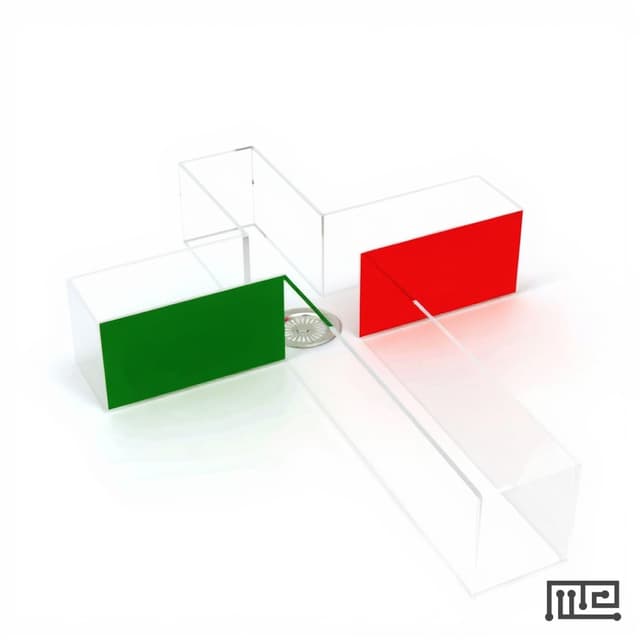
During the acquisition phase, subjects learn to associate the CS with the US, forming a fear memory that manifests as freezing behavior upon re-exposure to the CS. Freezing, defined as the absence of movement except for respiration, serves as the primary behavioral readout and reflects amygdala-mediated fear memory expression. The system's interchangeable plate designs enable context manipulation, allowing researchers to distinguish between hippocampus-dependent contextual memories and amygdala-dependent cued memories.
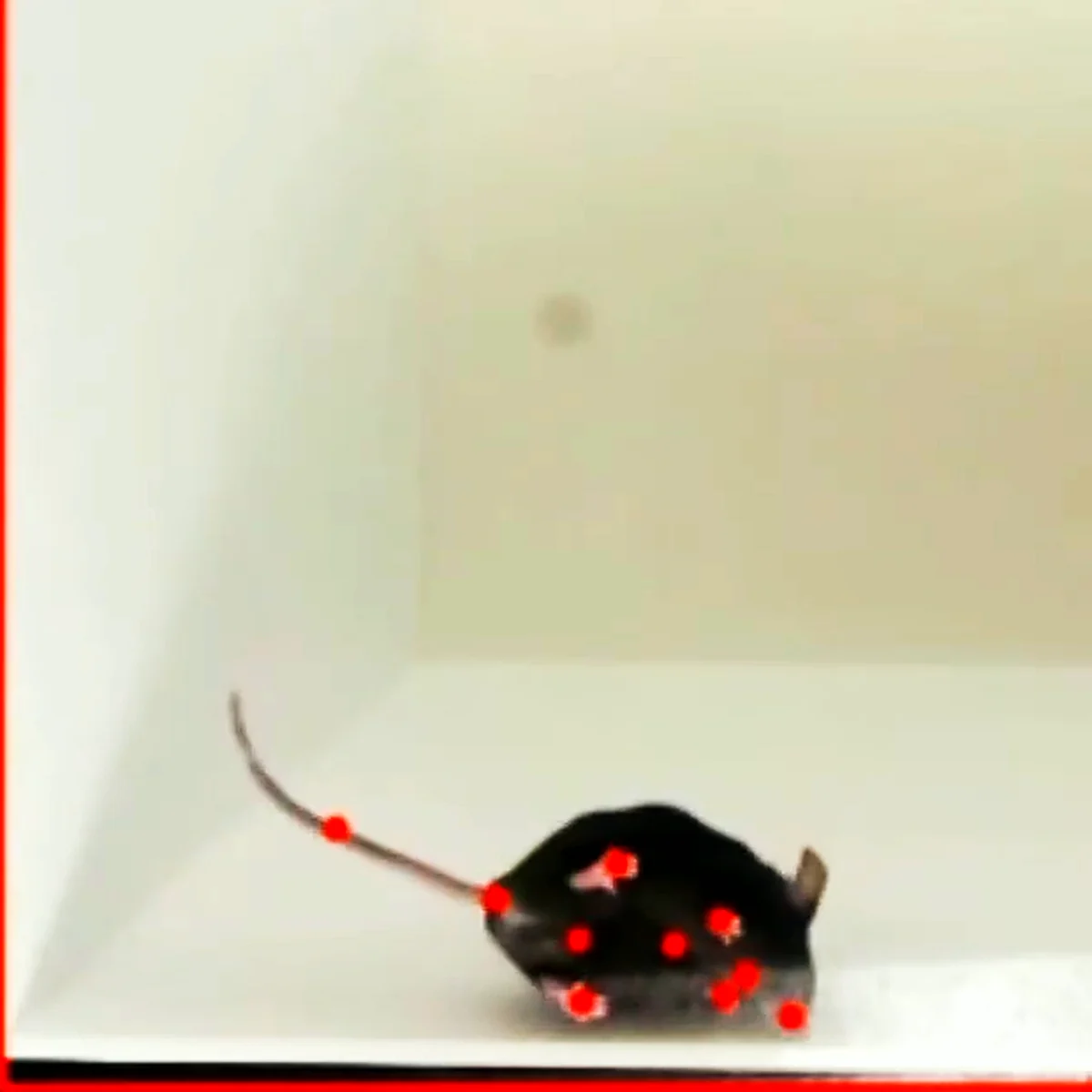
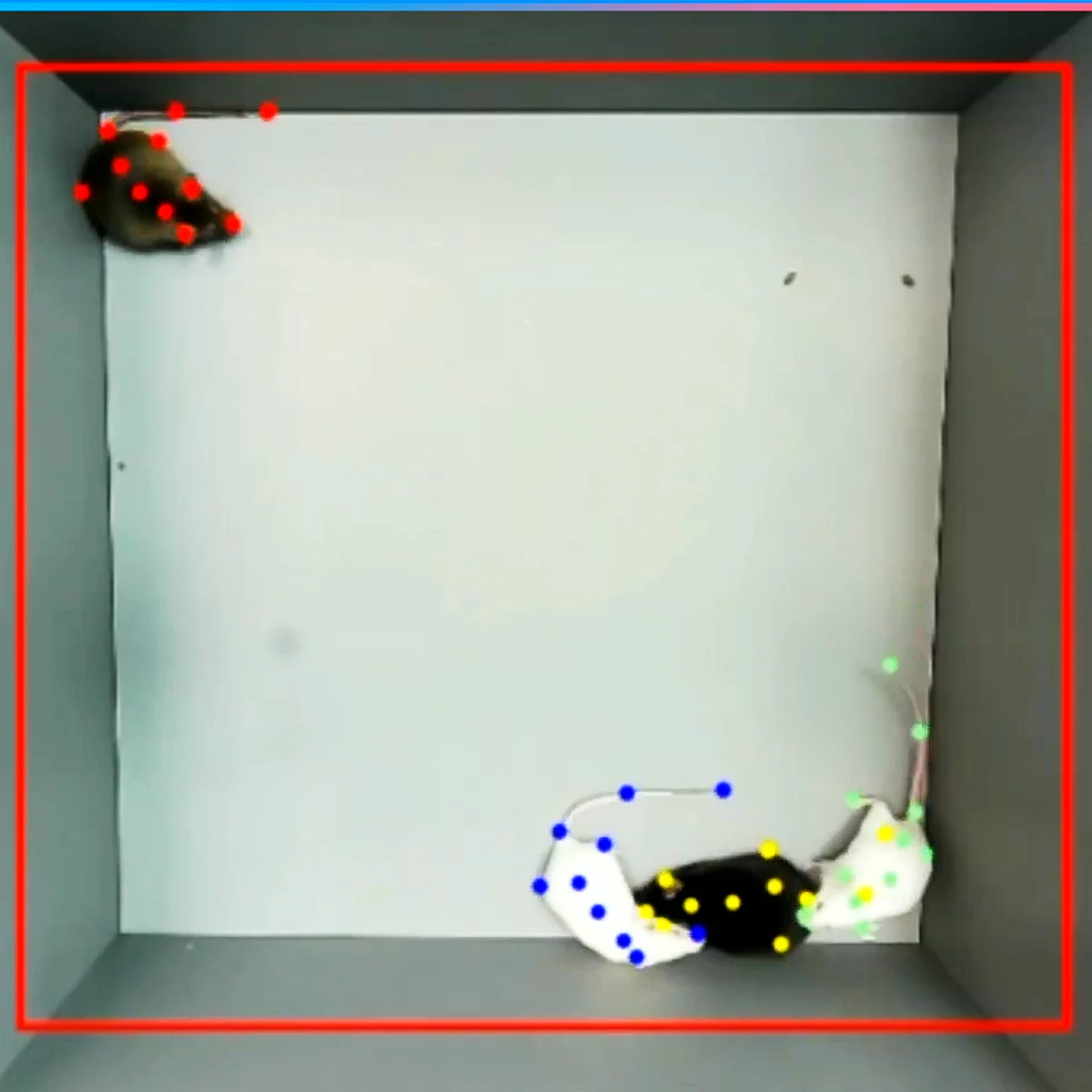
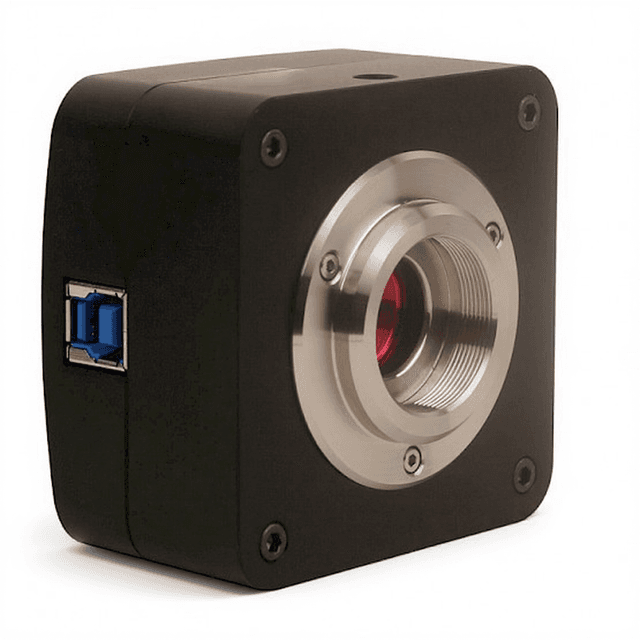
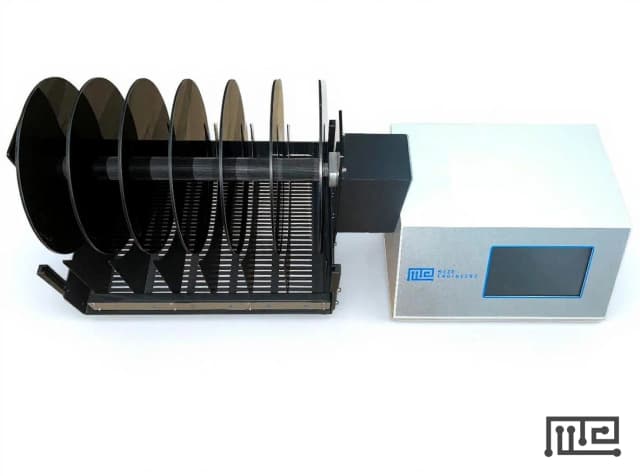
Video tracking through the integrated camera system quantifies freezing duration and movement patterns, providing objective measures of fear memory strength. The modular design supports various experimental protocols including acquisition, extinction, renewal, and reinstatement paradigms essential for understanding fear memory dynamics.