Depression — Animal Models & Behavioral Testing

Compare chronic stress, social defeat, and pharmacological models side by side. Match each model to validated behavioral assays for anhedonia, despair, and social withdrawal.

Why Animal Models for Depression Research

Major depressive disorder (MDD) affects over 280 million people worldwide and remains a leading cause of disability. Animal models cannot fully replicate the subjective experience of depression, but they recapitulate core endophenotypes — anhedonia, behavioral despair, social withdrawal, and HPA axis dysregulation — that are measurable with validated behavioral assays.

Chronic stress models like CUMS and chronic social defeat produce sustained depressive-like phenotypes that respond to chronic (but not acute) antidepressant treatment, giving them strong predictive validity. Learned helplessness captures the cognitive dimension of depression — the failure to escape controllable aversive stimuli after exposure to uncontrollable stress. Pharmacological models like chronic corticosterone provide consistent HPA axis activation without surgery or social manipulation.

Model selection depends on which depression endophenotype is central to your study: CUMS is the gold standard for anhedonia, social defeat separates susceptible from resilient phenotypes, learned helplessness models cognitive deficits, and chronic corticosterone provides a non-invasive HPA axis model.

Model Comparison

ModelTypeBackgroundAnhedoniaBehavioral DespairSocial DeficitTest WindowBest For
CUMSStress-BasedBALB/cJ or C57BL/6J3–4 weeks4–6 weeks4–6 weeks4–8 weeks of stress protocolAnhedonia-focused studies; chronic antidepressant screening with high predictive validity; modeling the gradual onset of depressive episodes.
CSDSStress-BasedC57BL/6J (intruder) vs CD-1 (aggressor)10 days10 days10 daysDay 11+ (after 10-day defeat protocol)Studying resilience vs susceptibility mechanisms; social withdrawal as a depression endophenotype; epigenetic and transcriptomic studies of stress response.
Learned HelplessnessStress-BasedC57BL/6J or CD-124 hours24 hoursVariable24–48 hours post-inductionCognitive aspects of depression; rapid-onset models for acute drug screening; studying the neurobiology of helplessness and controllability.
Chronic CorticosteronePharmacologicalC57BL/6J4–5 weeks4–5 weeksMild4–7 weeks of treatmentHPA axis-focused depression studies; neurogenesis-dependent antidepressant mechanisms; non-invasive chronic model without social or physical stressors.

CUMSStress-Based

Background: BALB/cJ or C57BL/6J

Anhedonia3–4 weeks
Behavioral Despair4–6 weeks
Social Deficit4–6 weeks
Test Window4–8 weeks of stress protocol

Gold standard model for anhedonia. Rodents are exposed to a rotating sequence of mild stressors (tilted cage, wet bedding, food/water deprivation, light cycle disruption, restraint) for 4–8 weeks. Produces progressive anhedonia (reduced sucrose preference), behavioral despair, coat deterioration, weight changes, and HPA axis dysregulation. Critically, the depressive phenotype responds to chronic (3–4 weeks) but not acute antidepressant treatment, providing strong predictive validity.

Ideal for: Anhedonia-focused studies; chronic antidepressant screening with high predictive validity; modeling the gradual onset of depressive episodes.

Willner P. (2005). Chronic mild stress (CMS) revisited: consistency and behavioural-neurobiological concordance in the effects of CMS. Neuropsychobiology, 52(2), 90-110. PMID: 16037678

CUMS Behavioral Battery

Sucrose Preference Test

Gold standard for anhedonia. Two-bottle choice between sucrose solution (1–2%) and water over 12–24 hours. CUMS mice show progressively reduced sucrose preference from ~85% to ~60% over 4 weeks.

View Sucrose Preference Test

Forced Swim Test

Measures behavioral despair via immobility time in a cylinder of water. CUMS increases immobility, reversible by chronic antidepressant treatment. Standard 6-minute test, score last 4 minutes.

View Forced Swim Test

Tail Suspension Test

Dry-land alternative to FST. Mice suspended by the tail for 6 minutes; immobility reflects behavioral despair. CUMS increases immobility. Avoids swim-stress and hypothermia confounds of FST.

View Tail Suspension Test

Open Field Test

CUMS reduces total locomotor activity and center zone exploration. Center time reduction reflects anxiety-depression comorbidity. Essential for ruling out locomotor confounds in despair tests.

View Open Field Test

Elevated Plus Maze

Captures the anxiety component of depression. CUMS mice spend less time in open arms, reflecting increased anxiety-like behavior — a common comorbidity in clinical depression.

View Elevated Plus Maze

CSDSStress-Based

Background: C57BL/6J (intruder) vs CD-1 (aggressor)

Anhedonia10 days
Behavioral Despair10 days
Social Deficit10 days
Test WindowDay 11+ (after 10-day defeat protocol)

C57BL/6J mice are subjected to 10 daily sessions of social defeat by a larger, aggressive CD-1 resident mouse (5–10 minutes physical interaction, then 24-hour sensory contact through a perforated divider). Uniquely separates mice into susceptible (~65%) and resilient (~35%) subpopulations based on social interaction ratio. Susceptible mice show social avoidance, anhedonia, and metabolic changes; resilient mice do not, despite identical stress exposure.

Ideal for: Studying resilience vs susceptibility mechanisms; social withdrawal as a depression endophenotype; epigenetic and transcriptomic studies of stress response.

Golden SA, et al. (2011). A standardized protocol for repeated social defeat stress in mice. Nat Protoc, 6(8), 1183-1191. PMID: 21799487

CSDS Behavioral Battery

Social Interaction Test

The defining assay for CSDS. Measures time spent near a social target (novel CD-1 mouse) vs empty enclosure. Social interaction ratio < 1.0 defines susceptibility; > 1.0 defines resilience.

View Social Interaction Test

Sucrose Preference Test

Susceptible mice show reduced sucrose preference (anhedonia) that correlates with social avoidance. Resilient mice maintain normal preference despite stress exposure.

View Sucrose Preference Test

Forced Swim Test

Increased immobility in susceptible mice reflects behavioral despair. Resilient mice show normal immobility levels. Useful for validating the susceptible/resilient classification.

View Forced Swim Test

Light-Dark Box

Susceptible mice spend more time in the dark compartment, reflecting anxiety-like behavior. Complements elevated plus maze for characterizing the anxiety-depression overlap.

View Light-Dark Box

Open Field Test

Reduced center time and total distance in susceptible mice. Distinguishes locomotor effects from anxiety-like behavior. Critical control for interpreting social interaction results.

View Open Field Test

Learned HelplessnessStress-Based

Background: C57BL/6J or CD-1

Anhedonia24 hours
Behavioral Despair24 hours
Social DeficitVariable
Test Window24–48 hours post-induction

Rodents exposed to inescapable foot shock (e.g., 60 shocks, 0.3 mA, 15 s duration, random intervals over 1 hour) subsequently fail to escape controllable shock in a shuttle box, despite having the ability to do so. The hallmark "helpless" phenotype — failure to escape — reflects a cognitive dimension of depression: the learned expectation that actions are futile. Not all animals become helpless (~50–70% susceptibility), enabling susceptibility studies.

Ideal for: Cognitive aspects of depression; rapid-onset models for acute drug screening; studying the neurobiology of helplessness and controllability.

Maier SF, Seligman ME. (2016). Learned helplessness at fifty: Insights from neuroscience. Psychol Rev, 123(4), 349-367. PMID: 27337390

Learned Helplessness Behavioral Battery

Passive Avoidance Shuttle Box

The defining test for learned helplessness. Measures escape latency and escape failures in a two-compartment shuttle box with escapable shock. Helpless mice show increased failures to escape.

View Passive Avoidance Shuttle Box

Forced Swim Test

Helpless mice show increased immobility, reflecting generalized behavioral despair beyond the shock context. Validates that helplessness extends to non-shock stressors.

View Forced Swim Test

Tail Suspension Test

Increased immobility in helpless mice. Provides a complementary despair readout without the swim-stress confound. Correlates with escape failure rate in the shuttle box.

View Tail Suspension Test

Sucrose Preference Test

Helpless animals show reduced sucrose preference, indicating anhedonia. Confirms that learned helplessness produces a broader depressive phenotype beyond escape deficits.

View Sucrose Preference Test

Open Field Test

Controls for locomotor effects of shock exposure. Reduced exploration and increased thigmotaxis in helpless mice reflect anxiety-like behavior.

View Open Field Test

Chronic CorticosteronePharmacological

Background: C57BL/6J

Anhedonia4–5 weeks
Behavioral Despair4–5 weeks
Social DeficitMild
Test Window4–7 weeks of treatment

Corticosterone (35 µg/mL) dissolved in drinking water, delivered ad libitum for 4–7 weeks. Produces chronic HPA axis activation mimicking the hypercortisolemia observed in ~50% of MDD patients. Non-invasive, no surgery or social manipulation required. Produces coat deterioration, reduced grooming, anhedonia, increased immobility in despair tests, and hippocampal neurogenesis suppression. Reversed by chronic fluoxetine treatment.

Ideal for: HPA axis-focused depression studies; neurogenesis-dependent antidepressant mechanisms; non-invasive chronic model without social or physical stressors.

David DJ, et al. (2009). Neurogenesis-dependent and -independent effects of fluoxetine in an animal model of anxiety/depression. Neuron, 62(4), 479-493. PMID: 19477151

Chronic Corticosterone Behavioral Battery

Sucrose Preference Test

Progressive anhedonia develops over 4–5 weeks of corticosterone treatment. Two-bottle choice test shows reduced preference from ~85% to ~65%. Reversed by 3–4 weeks of chronic fluoxetine.

View Sucrose Preference Test

Forced Swim Test

Increased immobility after 4+ weeks of corticosterone. Responds to chronic but not acute antidepressant treatment, providing strong predictive validity.

View Forced Swim Test

Tail Suspension Test

Complementary despair test showing increased immobility. Corticosterone-treated mice show a clear response to chronic SSRI treatment in this assay.

View Tail Suspension Test

Elevated Plus Maze

Chronic corticosterone produces anxiety-like behavior (reduced open arm time) in addition to depressive phenotypes. Captures the anxiety-depression comorbidity.

View Elevated Plus Maze

Grooming Analysis

Automated tracking of grooming bouts, duration, and patterns. Chronic corticosterone reduces grooming and causes coat deterioration — a physical marker of depressive-like state.

View Grooming Analysis Module

Behavioral Test Battery by Model

Which tests are validated for each model. Build your protocol by selecting from recommended assays.

TestCUMSCSDSLearned HelplessnessChronic Corticosterone
Sucrose Preference Test
Forced Swim Test
Tail Suspension Test
Open Field Test
Elevated Plus Maze
Social Interaction Test
Light-Dark Box
Passive Avoidance Shuttle Box
Grooming Analysis

Behavioral Testing Equipment

Purpose-built equipment for Depression preclinical research. Each product ships with protocol documentation and technical support from PhD scientists.

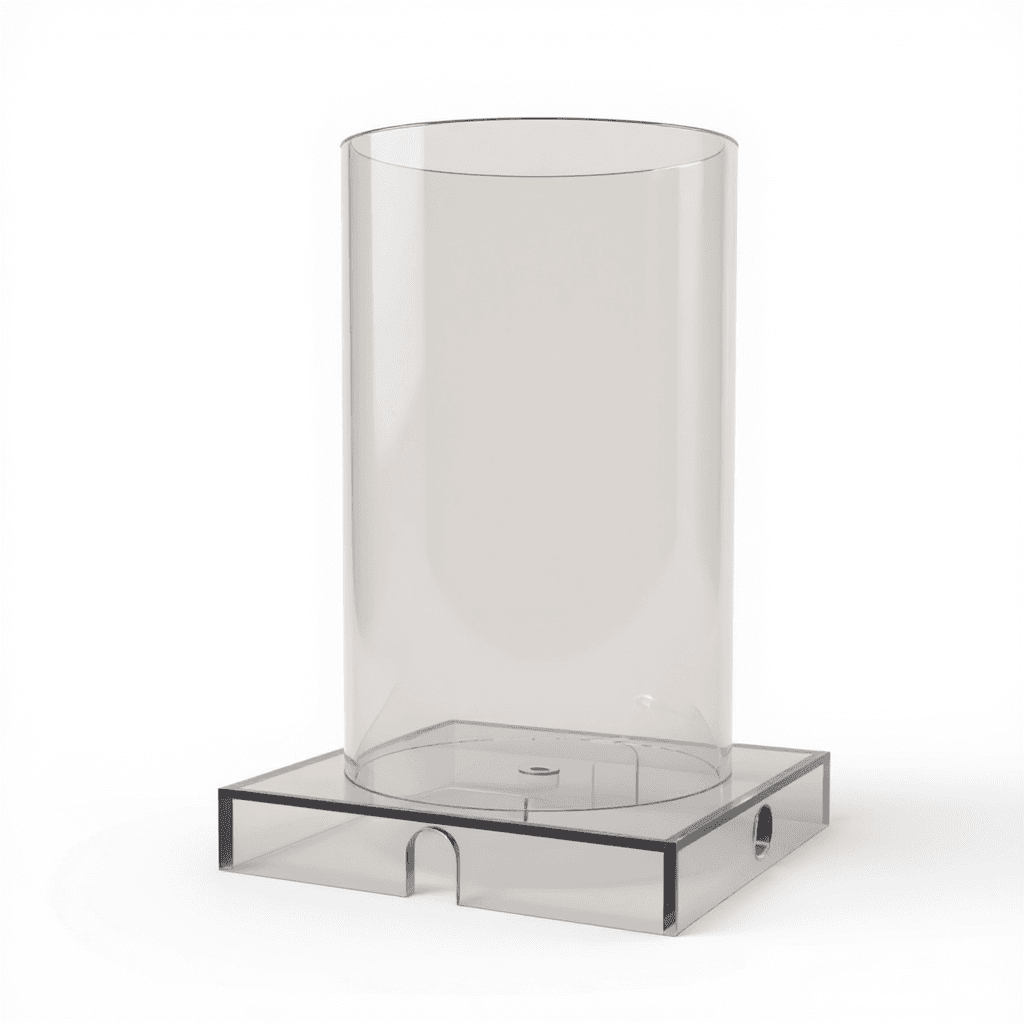
Forced Swim Test

Forced Swim Test

Cylindrical water tank for measuring behavioral despair via immobility. The most widely published acute antidepressant screening assay.

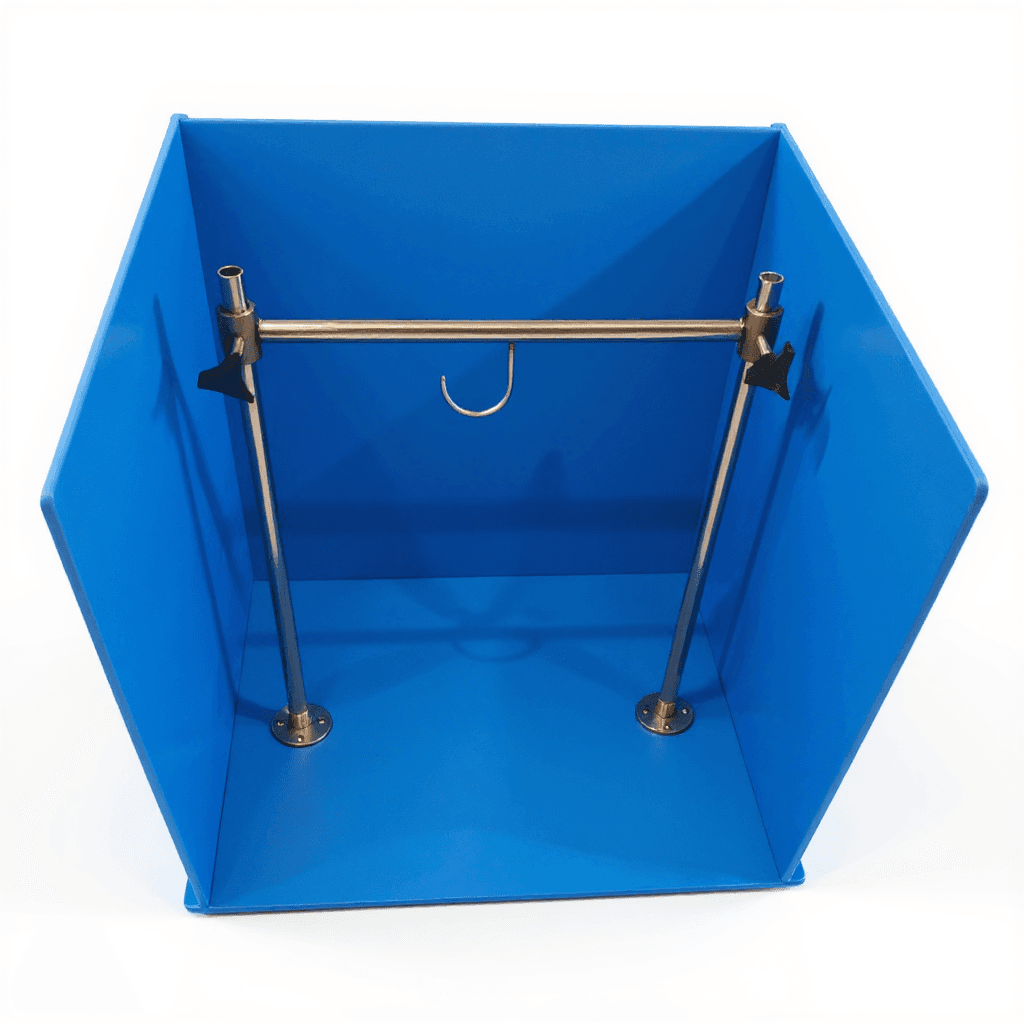
Tail Suspension Test

Tail Suspension Test

Automated tail suspension apparatus for measuring immobility. Dry-land despair test; avoids swim-stress confounds. Pairs with FST for comprehensive despair assessment.

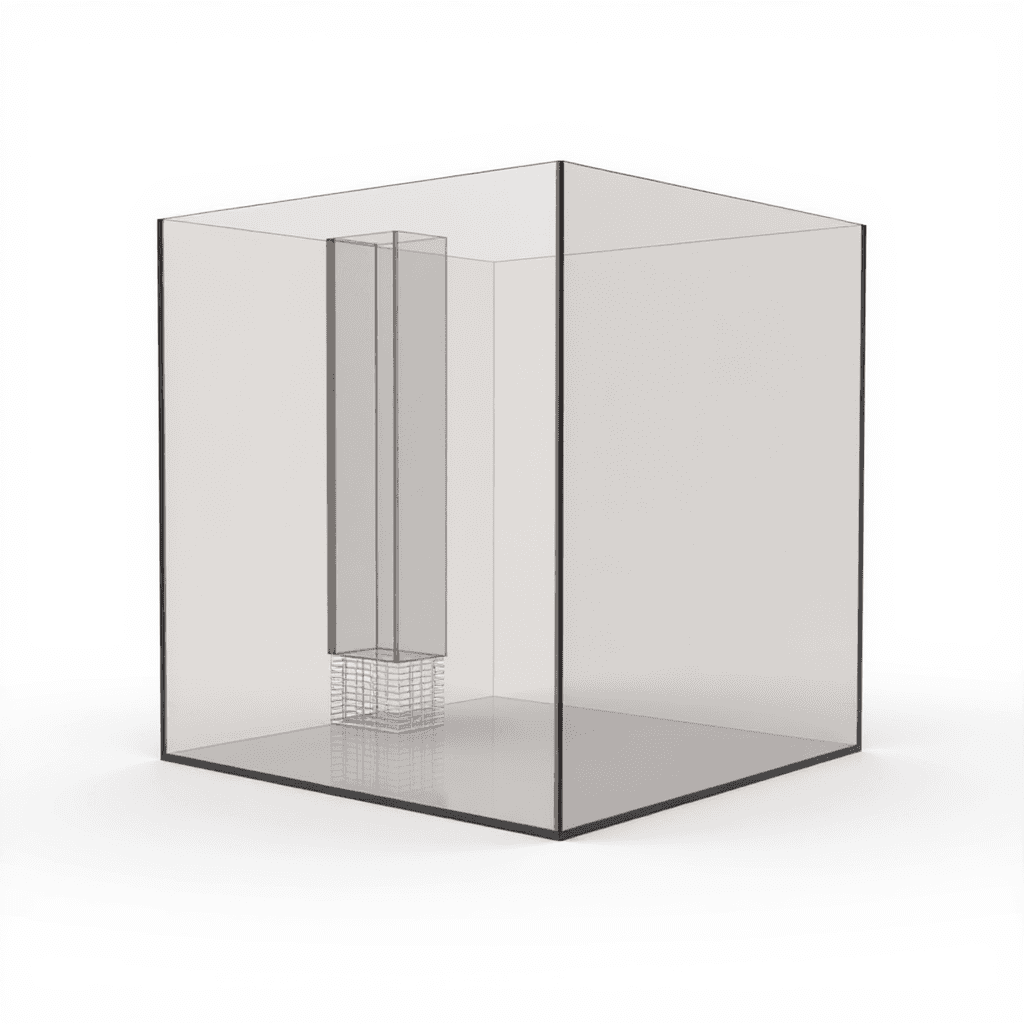
Sucrose Preference Test

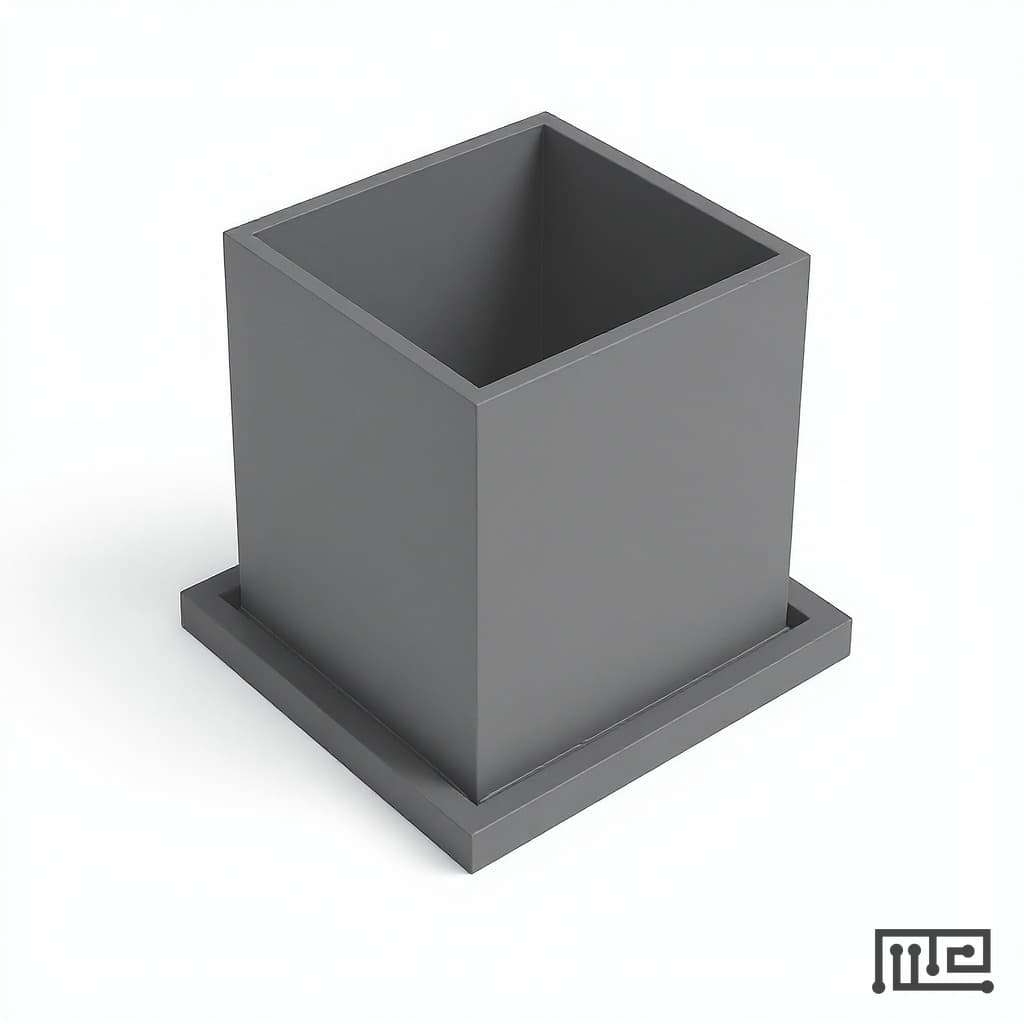
Sucrose Preference Test

Two-bottle choice apparatus for quantifying anhedonia. The gold standard for measuring reduced reward sensitivity in chronic depression models.

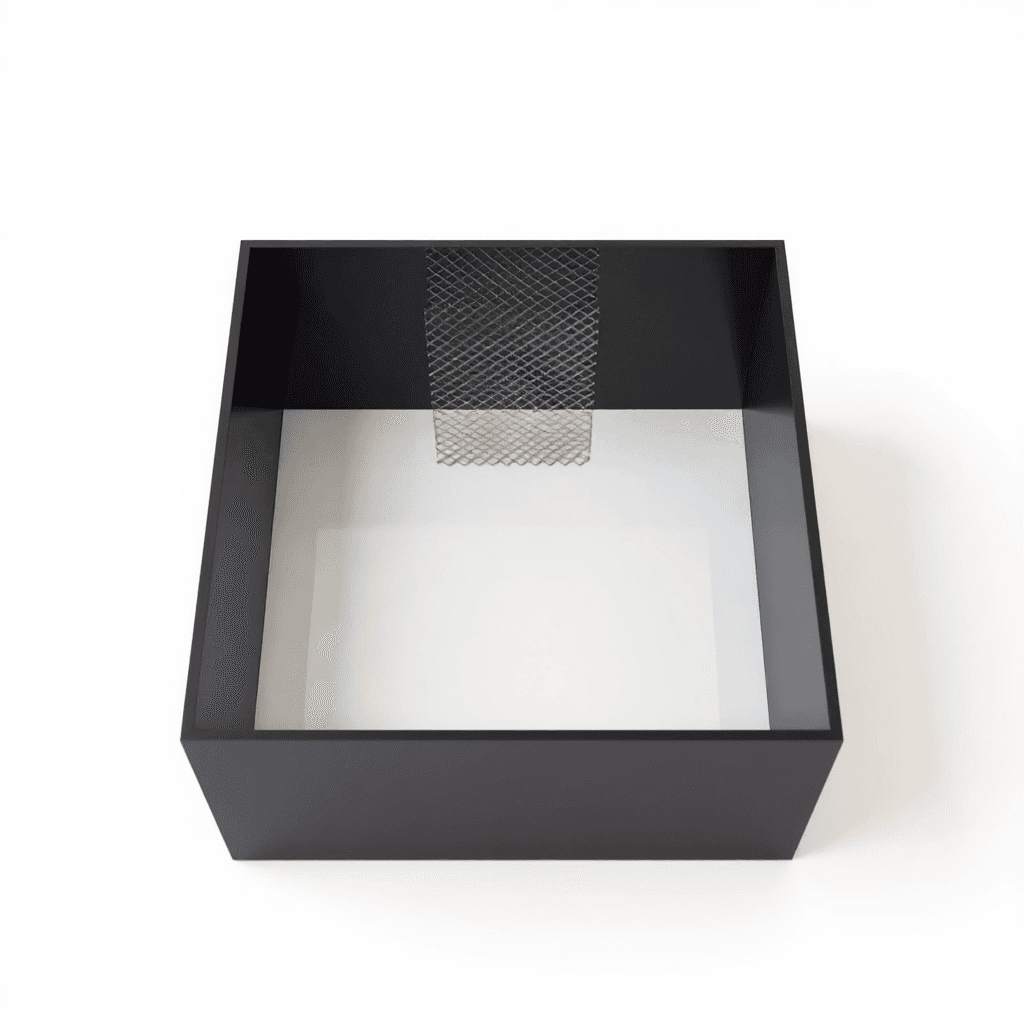
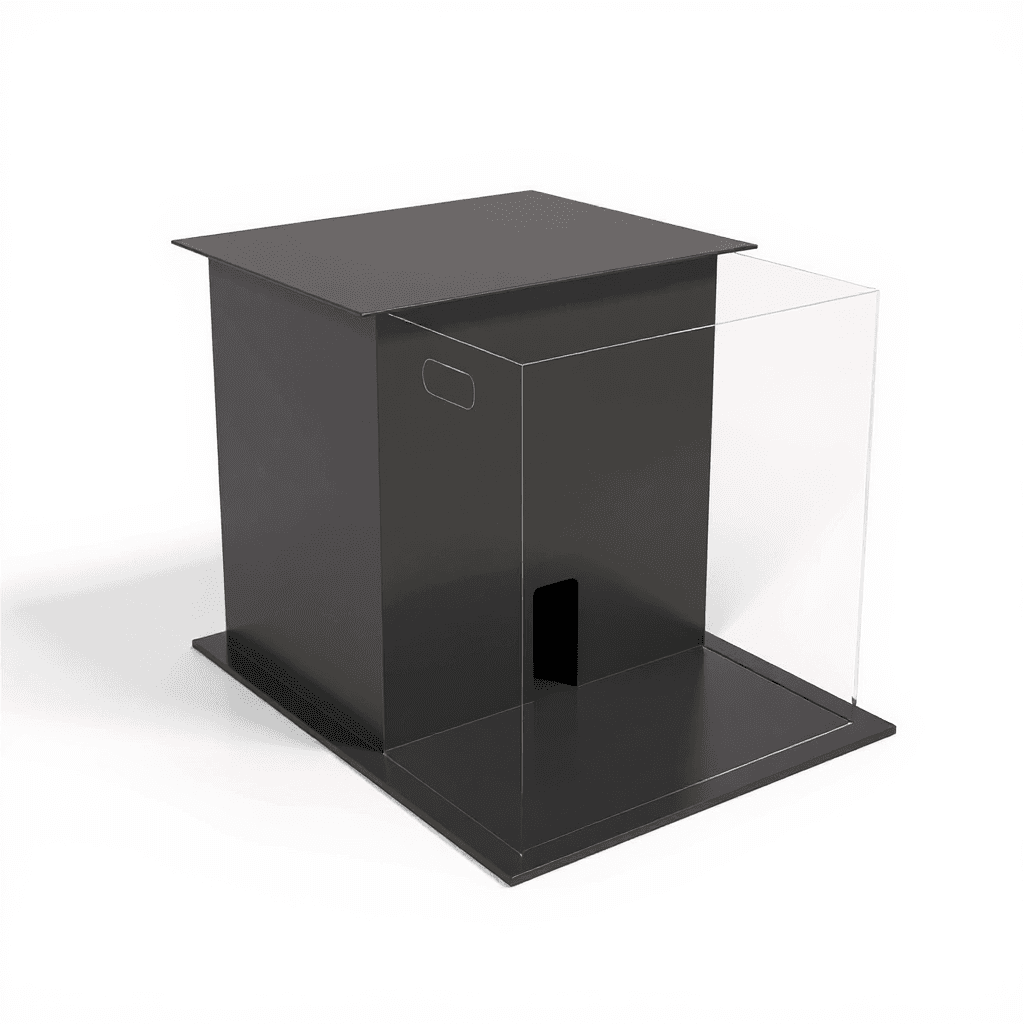
Social Interaction Test

Social Interaction Test

Arena with social target enclosure for measuring approach/avoidance behavior. Defines susceptible vs resilient phenotypes in CSDS.

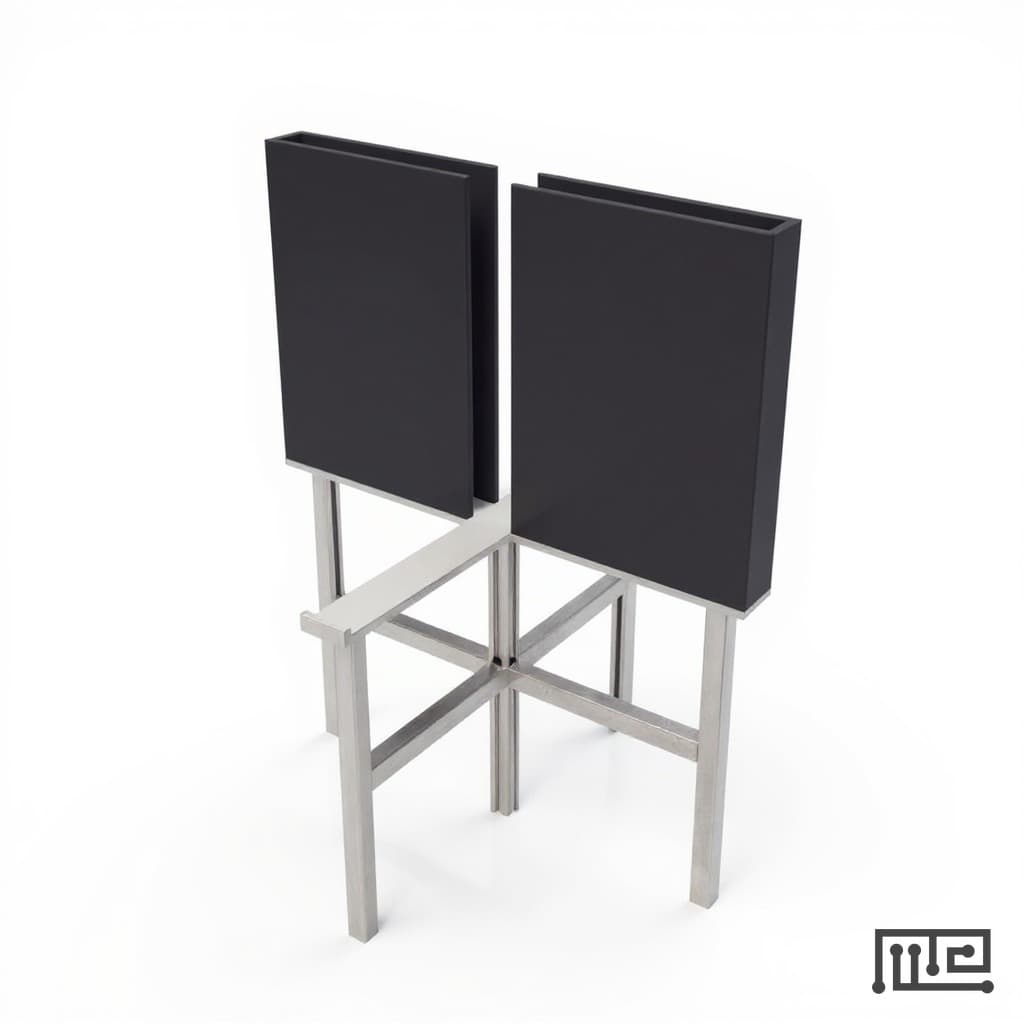
Social Defeat Apparatus

Social Defeat Apparatus

Divided cage with perforated barrier for the chronic social defeat stress protocol. Houses aggressor and intruder in sensory contact between defeat sessions.

Open Field Test

Open Field Test

Arena for locomotor activity, exploration, and anxiety-like behavior. Essential baseline control for interpreting despair and social interaction results.

Elevated Plus Maze

Elevated Plus Maze

Four-arm maze with open and closed arms for anxiety-like behavior. Captures the anxiety-depression comorbidity in chronic stress models.

Light-Dark Box

Light-Dark Box

Two-compartment apparatus with illuminated and dark zones. Time in the light zone and transitions quantify anxiety-like behavior.

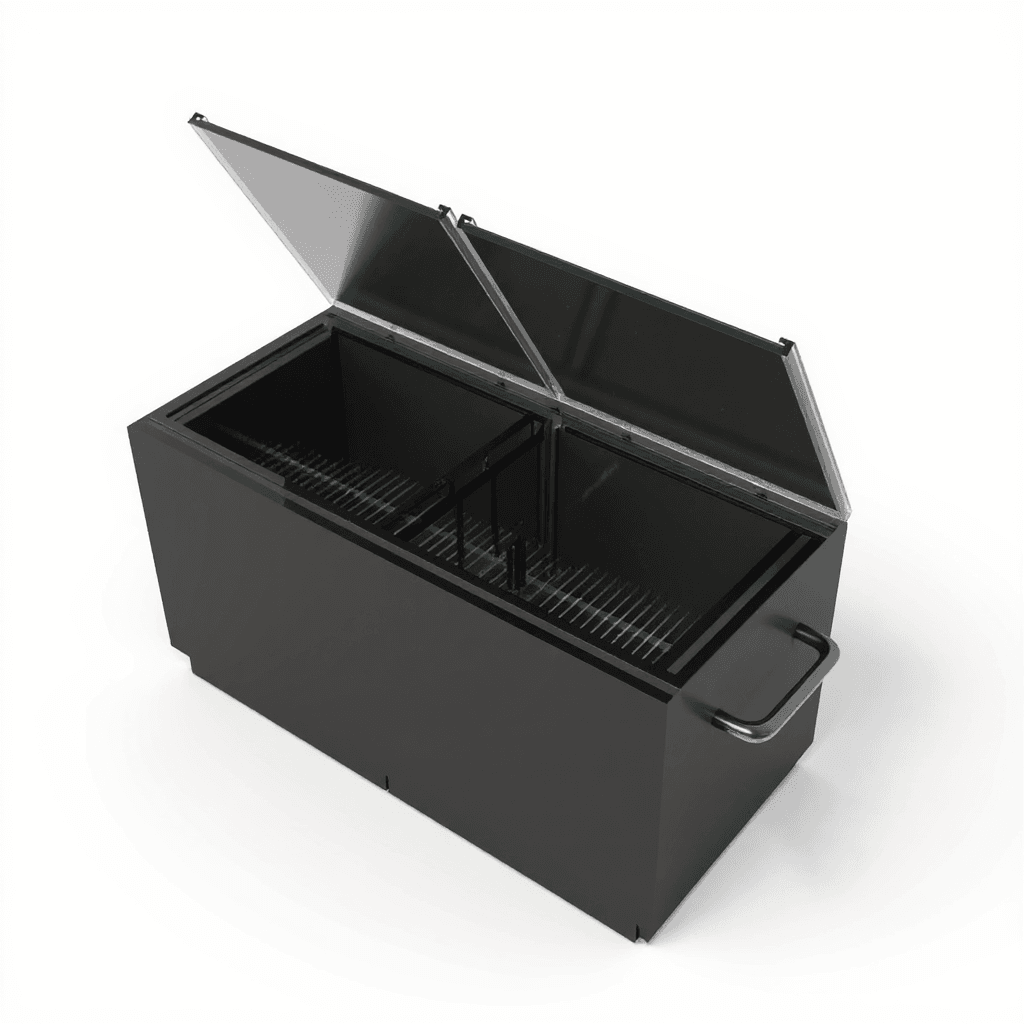
Passive Avoidance Shuttle Box

Passive Avoidance Shuttle Box

Two-compartment shuttle box for learned helplessness escape testing and active/passive avoidance paradigms.

Grooming Analysis Module

Grooming Analysis Module

Automated video-based grooming bout detection and pattern analysis. Quantifies self-care behavior as a physical marker of depressive-like state.

Frequently Asked Questions

What is the best mouse model for depression research?

It depends on your research focus. CUMS is the gold standard for anhedonia with the highest predictive validity — it responds to chronic but not acute antidepressant treatment. Chronic social defeat uniquely separates susceptible from resilient mice and is ideal for studying social withdrawal. Learned helplessness models the cognitive dimension of depression (perceived uncontrollability). Chronic corticosterone is the simplest to implement — it requires no surgery, no social manipulation, and produces a consistent HPA axis-driven depressive phenotype.

What is the difference between the forced swim test and the tail suspension test?

Both measure behavioral despair via immobility, but they differ in stressor modality. The forced swim test uses water immersion (swimming); the tail suspension test uses suspension by the tail. TST avoids swim-stress and hypothermia confounds but is limited to mice (rats are too heavy). FST is more widely published and accepted by reviewers. Using both tests in the same study strengthens the evidence for a despair phenotype. C57BL/6J mice are suitable for both; some strains (e.g., C57BL/6N) show tail-climbing artifacts in TST.

How long does the CUMS protocol take to produce depression?

The standard CUMS protocol takes 4–8 weeks of daily mild stressor exposure. Anhedonia (reduced sucrose preference) typically emerges at 3–4 weeks. Behavioral despair (increased immobility in FST/TST) develops by 4–6 weeks. Coat deterioration and weight changes appear progressively. The length is both CUMS's strength (chronic antidepressant response) and its main limitation (labor-intensive). The protocol must continue during drug treatment testing.

What is the social interaction ratio in chronic social defeat?

The social interaction ratio is calculated as: (time near social target) ÷ (time near empty enclosure). A ratio below 1.0 classifies a mouse as susceptible (social avoidant); above 1.0 is resilient. Approximately 65% of C57BL/6J mice become susceptible after the standard 10-day protocol. This binary classification is CSDS's unique advantage — it enables direct comparison of molecular, epigenetic, and circuit-level differences between susceptible and resilient animals exposed to identical stress.

Can the forced swim test alone diagnose depression in mice?

No. The FST measures one behavioral dimension — immobility in an inescapable water stressor — which reflects behavioral despair but not depression as a whole. A comprehensive depression assessment requires multiple tests: sucrose preference (anhedonia), FST or TST (despair), social interaction (withdrawal), and open field (locomotor control). Using FST alone risks confounds from motor deficits, hypothermia, or strain differences. Always include at least one anhedonia measure alongside despair tests.

How does chronic corticosterone model depression?

Corticosterone (35 µg/mL) in drinking water chronically activates the HPA axis, mimicking the hypercortisolemia observed in approximately 50% of patients with major depressive disorder. Over 4–7 weeks, it produces anhedonia, behavioral despair, reduced grooming, and suppressed hippocampal neurogenesis. Crucially, these phenotypes are reversed by chronic (3–4 weeks) but not acute fluoxetine treatment — matching the clinical response timeline and providing strong predictive validity for antidepressant screening.