ConductVision
$1,490 per yearA 5-year license is $3,990 in total.
The same license also scores standard tests such as the open field, the elevated plus maze, the Y-maze and the Morris water maze. Results export as CSV files.
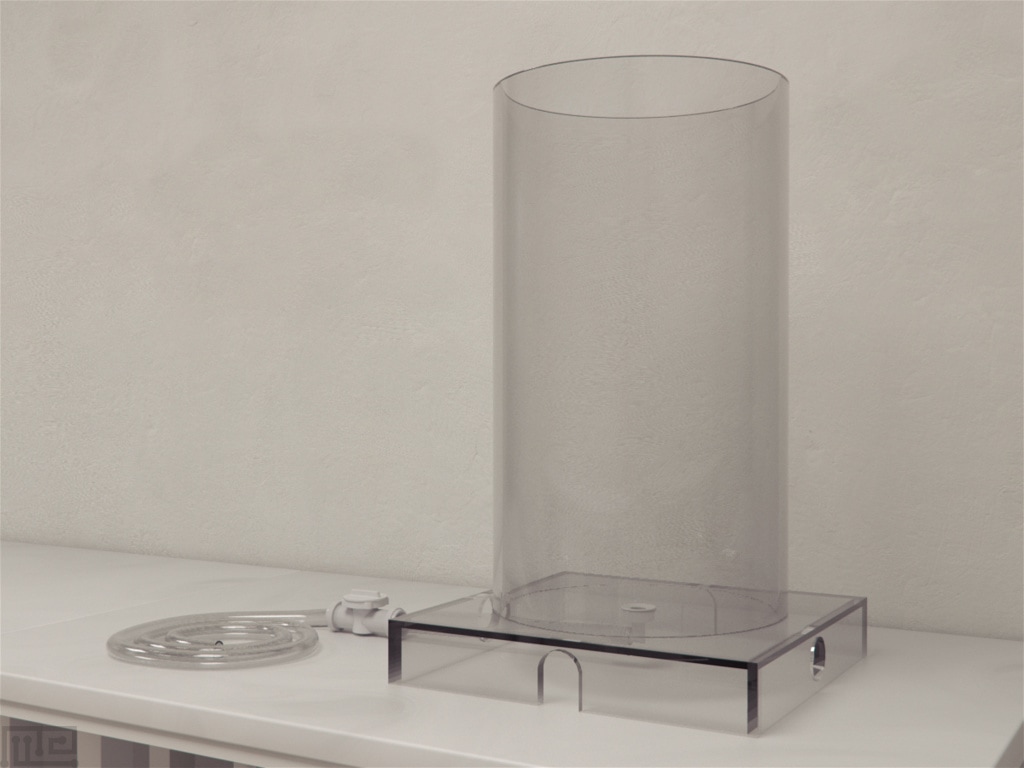
Transparent Plexiglas cylinders for forced swim test protocols, measuring antidepressant-like behaviors through immobility time quantification in rodents.

Director of Science · ConductScience
Ask Louise about Forced Swim Test fit, setup, configuration, or quote prep.
Already working with us? Sign in to connect this with My Scientist.
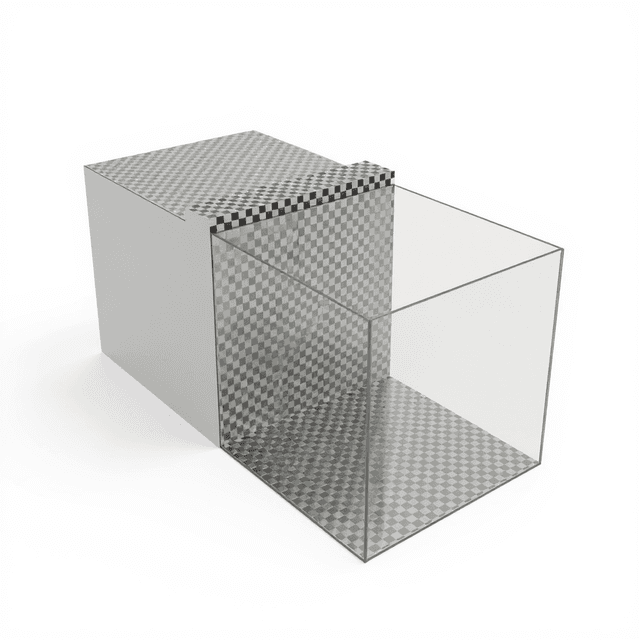
The Forced Swim Test apparatus consists of transparent Plexiglas cylinders designed for behavioral assessment of antidepressant-like effects in rodents. Water-filled chambers prevent floor contact and wall climbing, creating a controlled environment where animals exhibit measurable behavioral responses. The test induces learned helplessness by placing subjects in an inescapable aquatic environment, allowing researchers to quantify immobility time as a primary outcome measure.
Available in three configurations to accommodate different species and body weights, the apparatus features odor-resistant acrylic construction for consistent experimental conditions across sessions. The standardized design supports reproducible protocols for antidepressant screening and behavioral despair studies. Assembly is required, with storage solutions included for laboratory space management.
The forced swim test operates on the principle of behavioral despair, where animals placed in an inescapable water-filled cylinder initially attempt active escape behaviors (swimming, climbing) before transitioning to passive floating or minimal movements. The water level is calibrated to prevent foot contact with the chamber bottom while the smooth walls prevent climbing escape, creating a standardized stressful environment.
Behavioral scoring focuses on immobility time, defined as minimal movements necessary only to keep the head above water. Active behaviors include swimming (horizontal movements) and climbing (vertical movements directed at walls). The transparent Plexiglas construction allows clear visualization for manual scoring or video analysis systems. Test duration typically ranges from 5-15 minutes, with immobility measurements serving as the primary dependent variable for statistical analysis.
| Add-on | Price | Details |
|---|---|---|
| Drain | $150 | Additional |
Add any of these to your quote request.
| Measurement | Mouse | Rat | Rat XL |
|---|---|---|---|
| Diameter | 20 cm | 25 cm | 30 cm |
| Height | 40 cm | 45 cm | 60 cm |
| Feature | This Product | Typical Alternative | Advantage |
|---|---|---|---|
| Chamber Material | Transparent Plexiglas with odor-resistant properties | Basic plastic or glass chambers without odor control | Maintains consistent experimental conditions by preventing odor accumulation between test sessions |
| Size Options | Three diameter configurations (20cm, 25cm, 30cm) | Single-size chambers requiring adaptation for different species | Optimized chamber dimensions ensure appropriate testing conditions across mouse and rat studies |
| Warranty Coverage | One-year manufacturer warranty | Limited or no warranty coverage | Provides equipment reliability assurance and ongoing technical support for sustained research programs |
| Storage Integration | Included storage solutions | No storage components provided | Facilitates laboratory space management and equipment organization between experimental sessions |
The apparatus combines species-specific sizing options with odor-resistant construction and integrated storage solutions. The transparent Plexiglas design supports both manual observation and video analysis protocols with one-year warranty coverage.
| Model | SKU | Listed price | Status | Shipping box |
|---|---|---|---|---|
| Rat | ME-3702 | $1,190.00 | Available | 43.2 x 38.0 x 45 cm |
| Mouse | ME-3701 | $890.00 | Available | 30.48 x 30.48 x 55.88 cm |
| Large Rat | ME-3703 | $1,490.00 | Available | 43.2 x 38.0 x 60 cm |
Maintain water temperature at 23-25°C throughout testing sessions using a thermometer to monitor consistency.
Why: Temperature variations can influence animal activity levels and confound behavioral measurements.
Clean chambers thoroughly with appropriate disinfectant and allow complete drying between subjects.
Why: Residual odors can influence subsequent animal behavior and compromise experimental validity.
Establish clear behavioral scoring criteria and train observers to achieve consistent inter-rater reliability above 90%.
Why: Subjective behavioral scoring requires standardization to ensure reproducible and reliable data collection.
Have towels and warming equipment readily available for immediate animal care post-testing.
Why: Rapid drying and warming prevent hypothermia and ensure animal welfare following water exposure.
If animals consistently show excessive climbing behavior, verify water depth meets protocol specifications.
Why: Insufficient water depth allows floor contact, enabling escape behaviors that compromise test validity.
Verify chamber dimensions and water depth before each experimental series using standardized measuring tools.
Why: Consistent physical parameters ensure reproducible testing conditions across experimental sessions and studies.
ConductScience provides a one-year manufacturer warranty covering material defects and construction quality, with technical support for setup and protocol optimization.
Background reading relevant to this product:
The Forced Swim Test (FST) was developed by Roger D. Porsolt in the late 1970’s as a simple task to be used in the assessment of anti-depressive properties of compounds in small animals. Depression is one of the most prominent mood disorders affecting millions across the globe. The aetiology of depression is yet to be fully understood, and modelling symptoms of depression in animals tend to be difficult. However, many of the behavioral signs can be used as a basis for the measure of the effectiveness of drug treatments and other interventions.
The Forced Swim Test, also known as Behavioral Despair test, models learned helplessness by subjecting the animal to a stressful environment (a cylinder filled with water) with no escape. The animal on the realization that there is no escape from its situation resigns by adopting an immobility posture and makes minimal effort only to keep its head above the water. When treated, the animals show an increase in active escape behaviors. An animal that stops swimming behaviors early in the test is thought to be feeling hopelessness and is comparable to a human experiencing depressive symptoms. The behavioral parameter used to screen antidepressant activities is based on the idea that stressful life events play a crucial role in leading to depression and related behaviors.
The apparatus consists of a transparent Plexiglas cylinder that is filled with water to a height that does not allow the subject to touch its paws or tails to the floor nor does it permit escape by climbing over the walls.
2.1 Origin
This test was first used and described by Roger D. Porsolt in the late 1970s in his several publications (Porsolt et al.,1977a, Porsolt et al.,1977b, Porsolt et al.,1978). Porsolt and his colleagues showed for the first time that rodents could be used as models of depressive states and could be sensitive to anti-depressant compounds. When doses of compounds were administered before the forced swim test, Porsolt observed a decrease in behavioral despair and immobility of the animals (Porsolt et al.,1977a). In his later publication, Porsolt compared how different strains of mice behave in this test, with and without the administration of anti-depressive drugs (Porsolt et al.,1978). Since these initial papers, the FST has become a standard test for the evaluation of anti-depressive compounds.
2.2 Developments
In their paper published in 1981, Herman et al. evaluated the effects of various compoundss on the behavior of rats in the Forced Swim Test task. The investigation also studied the relation between the test performance and the inborn level of exploratory and locomotor activities. The investigation results showed that certain compounds prolonged the immobility phase whereas while others shortened it.
Shimazoe et al. suggested that objective measure of immobility can be performed by recording the vibrations of the wall due to escape directed behavior of the subject in the Forced Swim Test and comparing it with the locomotion of those in the activity cage. They modified the FST apparatus by adding detectors to the walls of the cylinders to record the vibrations for subjects tested with different drugs and compounds.
The influence of prenatal protein malnutrition was tested in the FST for females and males by Trzctńska et al. Two different experiments were conducted one of which tested the protein malnourished male and female subjects in the Forced Swim Test at the beginning and the end of a stress regime while the second experiment tested two separate groups of male subjects without the stress regime.
2.3 Recent Developments
A major amino acid from fenugreek seeds was investigated for its possible antidepressant-like effects in olfactory bulbectomized rats (Kalshetti et al.,2015). FST results showed that rats treated with the amino acid showed decreased immobility and increased swimming time.
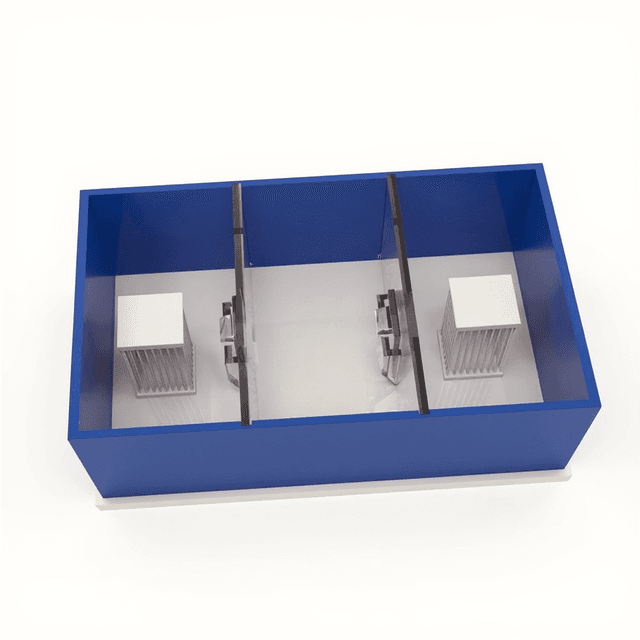
The Forced Swim Test employs a cylindrical tank of size varying between 25 to 50 cm in height and 10 to 30 cm in diameter, to hold rodents and small primates. The tank is filled with room temperature water to a level that prevents the subject from touching its paws or tail to the floor of the cylinder and prevents escape. Opaque dividers are often used within the tank to allow multiple subjects testing.
Although, live scoring is possible it is recommended to use a video and tracking software such as the Noldus Ethovision XTor ANY-Maze to avoid inaccuracies and variance in scoring. The tanks must be sufficiently lit to improve the quality of the recording, and a white noise generator can be used to mask any noise that may affect the performance of the subject.
The Forced Swim Test assesses the depressive state of the animal in an anti-depressant versus sham control group, by observing their behaviors in the stressful environment. The subject typically exhibits struggling behaviors in an effort to escape the environment, however, after a while it will naturally reach a state of behavioral despair wherein it assumes an immobility posture by making small movements to keep its head above the water. This state of helplessness and immobility is seen to be reduced on treatment with anti-depressants and other compounds.
While outside stress on the animals should be avoided for this test, it requires no or very little prior training of the animals. An initial struggle followed closely by behavioral despair is a natural reaction of the animals placed in the forced swim apparatus.
Generally, a six-minute testing period is used although testing durations can range anywhere from 4 to 20 minutes depending on the mammal species. The entire test is recorded, and generally, a shorter portion of the test is analyzed by measuring the exact durations of specific behaviors. Of the typical six-minute test, usually, the last four minutes are analyzed. During the first two minutes, the animals are typically very active in their behaviors, and their initial movements can mask any potential effects of the treatment. It is only when the control mice reach a state of hopelessness and behavioral despair that the effects of treatment can be observed.
Evaluation of Depressive-like States in Small Mammals
The Forced Swim Test cylinder is filled with clean, room temperature water to an appropriate height. Dividers are put in at this point if there are being used. The subjects are administered the test substances 30 minutes before the test in case of intraperitoneal or subcutaneous injection and 60 minutes for oral administration. Video recording is initiated before placing the subject in the cylinder. The subject is placed in the tank by lowering it into it by holding its tail. Immobility behavior is scored during the last 4 minutes of the test; this includes short periods of slight activity by the animal to remain afloat.
On completion of the 6 minutes of the session, the recording is stopped, and the subject is removed from the tank by their tails, dried using towels and placed under a heat lamp before returning them to their home cage.
In the event of a subject failing to maintain swimming and floating behaviors it is removed from the tank and excluded from the experiment.
Since its initial development and use by Porsolt in the late 1970’s, the Forced Swim Test has seen few modifications in the apparatus and the protocols.
In their 1987 paper, Shimazoe et al. suggested using detectors placed on the walls of the cylinder to detect and record vibrations arising from the movements of the subject within the task. They suggested that it provided an objective measure of the immobility seen when the subject reaches a state of behavioral despair.
Another improvement was suggested by Lucki (1997). They increased the depth of the water in the apparatus and used the time-sampling technique to score the animals’ behaviors. This allowed for categorizing the behaviors into two types: climbing and swimming. Thus enabling a convenient method for quantifying escape behavior. This also allowed researchers to observe a difference in behaviors caused by serotonin re-uptake inhibitors.
The data obtained from the forced swim test is generally visualized by showing the time an animal spent performing different behaviors. The amount of time an animal spent swimming, climbing, mobile, or immobile can be obtained by analyzing the experiment recording with a stopwatch. Alternatively, a time-sampling method of scoring can be used where the experiment is divided into five-second intervals, and the animal’s activity during that interval is recorded. A general definition of mobility for this test includes any behavior other than those necessary to balance the body and keep the head above water (Cryan & Mombereau 2004). The time spent mobile and immobile can be easily graphed and compared across the intervention and sham control groups.
Using graphs to compare the amount of time different treatment groups spend immobile or mobile allows for easy visualization of the effect of the anti-depressant. Animals treated with saline should show increased immobility and decreased mobile movements. In contrast, those treated with an anti-depressant should show decreased immobility and increased swimming and climbing. Control animals treated with a stimulus of motor activity, such as caffeine, should show increased activity for the entire duration of the test. Generally, animal cohorts of 10-15 animals are sufficient to obtain p-values of <0.05 using a 1- or 2-way ANOVA, Dunnett’s post hoc, or Bonferroni’s post hoc tests (Can et al.,2012, Costa et al.,2013).
In the development of new therapeutics for stress-related disorders, the rough-and-tumble play has been shown to have great potential as suggested by the investigation conducted by Burgdorf et al. Their experiment’s data demonstrated a positive effect of rough-and-tumble in inducing resilience to stress in the subjects. In the Forced Swim Test, the subjects that were allowed 3 minutes of rough-and-tumble play for 3 days showed reversed stress-induced effects of chronic unpredictable stress.
Yuen et al. analyzed the quantitative translation of Forced Swim Test data to human efficacious does by using dose-response and time-course FST experiments. They used four common marketed antidepressants and compared the data to human doses. Based on their assessment they recommended that a concentration approach should be used in the prediction of clinically efficacious doses of new potential antidepressant agents.
The Forced Swim Test has shown significant effectiveness in validating the efficiency of antidepressant compounds as evidenced by the numerous published studies. The large collection of data compounded with the ease, reliability, and speed with which the test can be performed make it a suitable tool for drug discovery and research comparisons over a range of subjects and drugs/compounds used. The task does not require any pre-training and can be done for multiple subjects at one time by using dividers.
However, even a singular test places significant stress on the subject, which, over repeated trials may influence the resulting behaviors. The test models and observes a particular type of stress-induced behavior, which is believed to be related to depressive human feelings, but it is important to remember that these behaviors are caused by extreme stress (Petit-Demouliere et al., 2005).
While the forced swim test forces animals into a state of hopelessness comparable to human depressive feelings, it is important to note that this test is not equivalent to the entire spectrum of human depressive states. It remains unclear how similar human depression and the neurobiological mechanisms of behaviors seen in animal models are (Bourin et al., 2001). The observable outcome of this test is one-dimensional, and while it can determine if a compound has anti-depressive properties, it cannot determine the mechanisms by which that compound acts. The exception to this is seen in rats, where the difference between various compounds can be observed (Detke et al., 1995). It is also possible that the tested compounds may affect the overall activity levels of the animals, which could lead to unreliable results of the Forced Swim Test. It is therefore important to control the overall activity levels using an additional test such as the Open-Field test.
From the Maze Engineers documentation for this apparatus.
What is the Forced Swim Test?
The Forced Swim Test (Porsolt test) is a behavioral assay used to assess depression-like behavior in rodents by measuring the duration of immobility when placed in an inescapable cylinder of water.
How does the Forced Swim Test work?
A rodent is placed in a cylinder filled with water from which it cannot escape. After initial vigorous swimming, the animal adopts an immobile posture. Immobility time is measured as an index of behavioral despair, which is reduced by antidepressant treatments.
What research applications use the Forced Swim Test?
The Forced Swim Test is one of the most widely used screens for antidepressant drug efficacy. It is also applied in stress resilience research and studies of monoaminergic and glutamatergic system function.
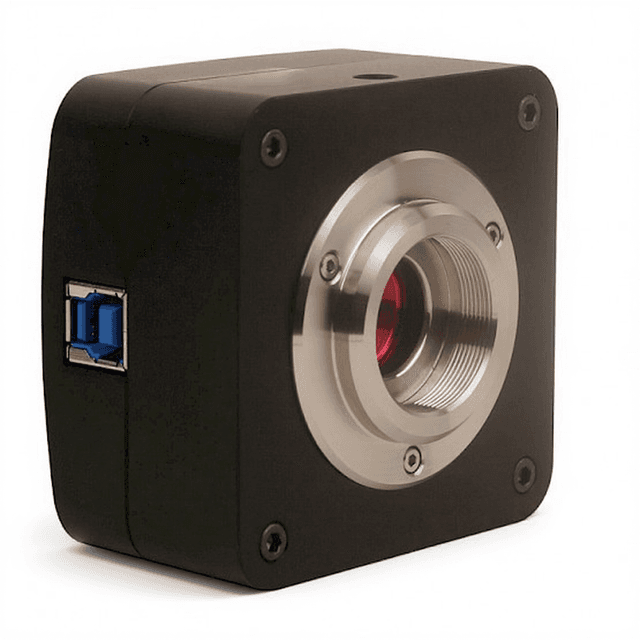
ConductVision is our video-tracking software. Record your sessions on video, and it reports the measures listed below.
A 5-year license is $3,990 in total.
The same license also scores standard tests such as the open field, the elevated plus maze, the Y-maze and the Morris water maze. Results export as CSV files.
Send it over and we'll email you a personalized answer — no call, no scheduling.
Prefer to talk it through?
Creator Insights
Roger D. Porsolt is a French pharmacologist who, at Synthélabo Research in France, co-developed the forced swim test with Michel Le Pichon and Maurice Jalfre, introducing it in a 1977 Nature paper. The test places a rodent in an inescapable water cylinder and scores immobility as a behavioral index of despair, exploiting the finding that antidepressant-treated animals sustain escape behavior longer than controls. Its speed, simplicity and consistent response to antidepressants made it the dominant preclinical screen for antidepressant activity. Porsolt later founded a contract research organization specializing in preclinical behavioral pharmacology.
To view Roger D. Porsolt’s publications, visit PubMed.
Are you Roger D. Porsolt? to review your photo and bio, and find out how to submit Creator Insights.
ConductScience celebrates method creators: researchers who, through rigorous and often ingenious experiments, develop the tools that reveal how the brain and body work. These are real scientific discoveries that become everyday instruments for the labs that follow.
Use this apparatus with
No exact ConductVision forced-swim page is currently published. Immobility, climbing, and swimming are normally scored from a front-view video against a calibrated mobility threshold rather than overhead tracking; keep this as a roadmap gap.
Supporting page not yet builtNo exact ConductMaze forced-swim protocol page is currently published. Cylinder dimensions, water temperature and depth, pretest and test durations, and immobility-scoring rules belong in a protocol entry; keep this as a roadmap gap.
Supporting page not yet builtSummarize immobility time, latency to immobility, climbing and swimming time, and the immobility fraction with quality-control flags.
Forced Swim Immobility Calculator ->Configuration considerations
Use these notes to scope species, cohort, tracking, and automation needs. Only verified product or support routes are linked from this section.
Clear cylinder with controlled water temperature and depth and a front-view camera mount
Standard configuration for the behavioral immobility and stress-coping assay, reporting immobility time and the balance of passive versus active coping from a single calibrated cylinder.
Quote
Request QuoteCylinder diameter, water depth, and fill volume scaled for mouse or rat body size
Cylinder depth and diameter change whether the animal can touch the bottom or brace against the wall, so the geometry should match the species and cohort being tested.
Quote
View options ->Several screened cylinders with synchronized front-view recording for batch sessions
Best when throughput is the constraint and several animals run in parallel; opaque screens between cylinders keep one subject from cueing the next.
Quote
Request automation help§ 1
The Forced Swim Test is a behavioral immobility and stress-coping assay that records how a rodent shifts between active escape behavior and passive immobility when placed in an inescapable water cylinder. Porsolt and colleagues introduced the procedure, and it is historically used to screen for antidepressant-like activity in rodents as research context. 1
The primary readout is immobility time, scored as the period in which the animal makes only the movements needed to keep its head above water. Latency to immobility, climbing time, and swimming time separate the onset and the balance of passive versus active coping across the test session. 1
Water temperature, water depth, pretest and test duration, strain baseline activity, and the immobility-detection threshold all change scored immobility independent of any underlying coping difference. A defensible protocol fixes the water conditions, the session timing, and the scoring threshold, and reports strain so results are comparable across runs. 1
§ 2
Inescapable-cylinder swim session with immobility, climbing, and swimming scored against a fixed mobility threshold.
Critical methodological constraints
Core forced-swim endpoints for passive versus active coping and quality control.
Immobility Time
Passive coping
Latency To Immobility
Coping onset
Climbing Time
Active coping
Swimming Time
Active coping
Mobility Tracking
Quality control
+ Additional metrics: water temperature, water depth, pretest use, session duration, strain, body weight, and per-cylinder video notes.
A compact fraction of the scored window the animal spent immobile rather than actively coping.
Estimate the N per group needed to detect a literature-anchored coping effect at the endpoint you plan to report. Override the defaults with your own pilot numbers.
§ 3
PubMed publication counts, sample apparatus output, and recent papers from a dated PubMed snapshot.
PubMed volume and co-occurring behavioral methods for forced-swim coping studies.
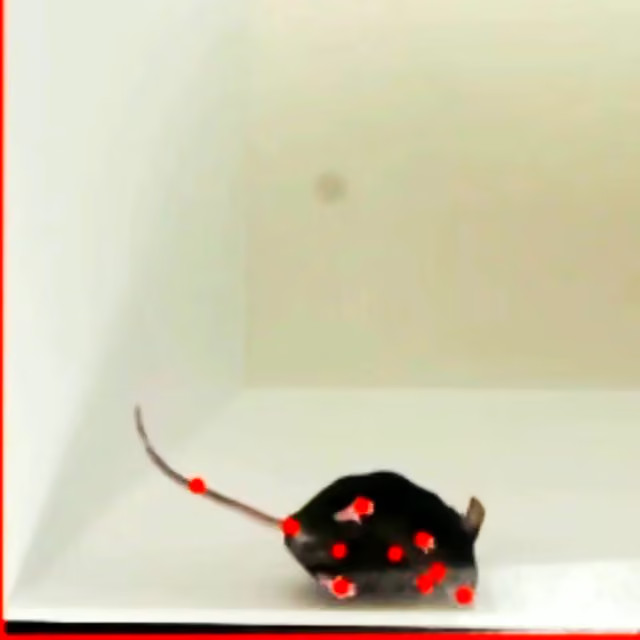
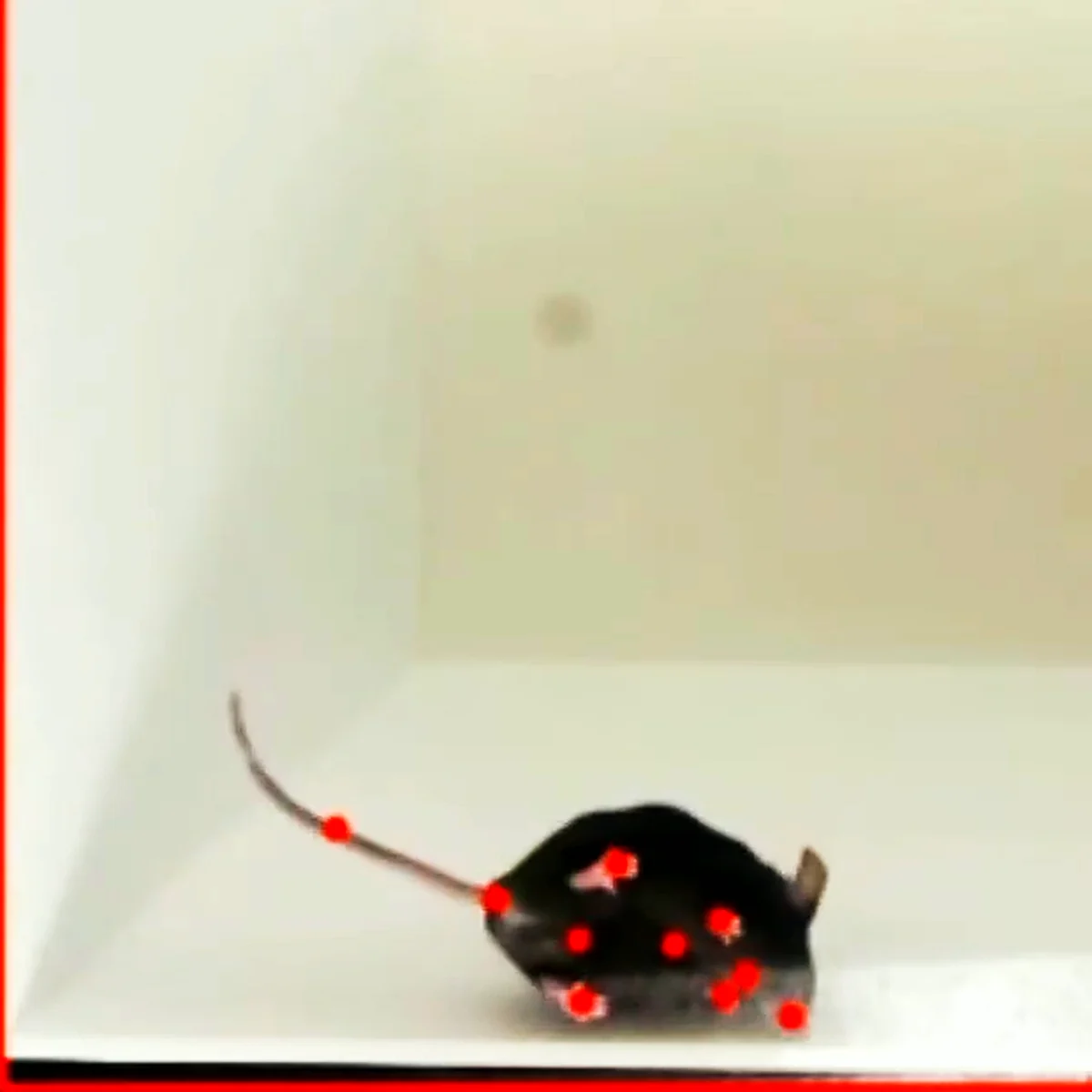
Representative output from a 6-minute test session scored from front-view video against a fixed mobility threshold.
CB1R-dependent mitochondrial biogenesis may contribute to the antidepressant effects of esketamine in a chronic variable stress male mouse model.
Zhao W, Zhao X, Zhang Y, et al.. Neuroscience. 2026 Sep 28.
Major depressive disorder (MDD) is a leading cause of disability worldwide, and current antidepressants are limited by delayed onset and incomplete efficacy. Esketamine produces antidepressant effects more rapidly than conventional treatments, but its underlying mechanisms remain unclear.
Combined Lactobacillus plantarum Supplementation and Aerobic Training Mitigate Cognitive and Behavioral Impairments in Ovariectomized Rats.
Taghipour N, Aghabozorg M, Bafroee AST, et al.. Physiol Behav. 2026 Sep 24.
Menopause, modeled by ovariectomy (OVX) in rodents, causes cognitive decline and emotional disturbances due to estrogen withdrawal. While probiotics and aerobic exercise independently show beneficial effects, their combined contribution remains poorly characterized.
Rapid antidepressant-like effects of Chaihu Shugan San in female restraint-stressed mice: involvement of hippocampal TC2N and ERβ-eNOS-CaMKII-BDNF signaling.
Wu L, Cheng W, Xiang H, et al.. J Ethnopharmacol. 2026 Sep 22.
Chaihu Shugan San (CSS), a classical seven-herb formula from the Ming-dynasty text Jing-Yue Quanshu, is widely prescribed for depressive disorders in China. Previous preclinical studies reported antidepressant-like effects only after weeks of repeated administration, mostly in male animals.
Single ayahuasca administration mitigates long-term behavioral and neurochemical effects of early-life stress in rats.
Lodetti G, Redivo H, Teixeira AG, et al.. J Neural Transm (Vienna). 2026 Sep 19.
Pharmacotherapy for depression is commonly prescribed, yet fewer than half of patients achieve remission with a single treatment. Many also experience intolerable side effects, highlighting the need for new treatment approaches.
Pharmacological Profiling of Mefenamic Acid Derivative (2-((2,3-dimethylphenyl)amino)phenyl)(4-ethylpiperazin-1-yl)methone) for its Antidepressant- and Anxiolytic-like Potential Using Corticosterone Induced Depression Model in Rodents.
Kokate IP, Devadoss T, Thorat VG, et al.. J Neuroimmune Pharmacol. 2026 Sep 19.
Recent studies demonstrated that serotonergic system, specially 5-HT3 receptor (5-HT3R) plays major role in regulating mood and anxiety.
Effect of Yueju Pill on the Pharmacokinetics and Antidepressant Effect of Fluoxetine in Rats.
Zhong B, Wang J, Gong M, et al.. Curr Drug Metab. 2026 Sep 18.
This study aims to investigate the effect of Yueju Pill (YJW) on the pharmacokinetics and antidepressant effect of Fluoxetine (FLX) in rats. The depression rat model was established using lipopolysaccharide. Pharmacokinetics parameters of Fluoxetine were analyzed via HPLC.
§ 4
Limitations of the paradigm, methodological caveats, and current directions.
Variables that can shift Forced Swim Test results apart from the effect under study.
Cooler water raises immobility and introduces a thermal stressor unrelated to coping. Fix and report temperature.
Shallow water lets animals touch or brace against the bottom, deflating immobility. Standardize depth so the cylinder stays inescapable.
Immobility accumulates over time, so different pretest and test durations are not comparable. Hold session timing constant.
Strains differ in baseline swimming and immobility. Compare within strain and report it rather than pooling across strains.
The line between immobility and active movement is observer- or software-set. A fixed threshold and ideally a blinded scorer reduce variance.
## Forced Swim Test — methods controls

Confounds controlled in this protocol:

- **Water temperature.** Cooler water raises immobility and introduces a thermal stressor unrelated to coping. Fix and report temperature.
- **Water depth.** Shallow water lets animals touch or brace against the bottom, deflating immobility. Standardize depth so the cylinder stays inescapable.
- **Pretest & test duration.** Immobility accumulates over time, so different pretest and test durations are not comparable. Hold session timing constant.
- **Strain baseline activity.** Strains differ in baseline swimming and immobility. Compare within strain and report it rather than pooling across strains.
- **Immobility-detection threshold.** The line between immobility and active movement is observer- or software-set. A fixed threshold and ideally a blinded scorer reduce variance.
The forced swim test is a research methods model of passive versus active coping in rodents; it is not a clinical measure and clinical interpretation is out of scope. It is strongest when water conditions, session timing, and the mobility threshold are fixed before testing, with climbing and swimming scored separately and confirmed against an independent behavioral assay. 1
Yes. The modified scoring separates climbing from swimming as distinct active-coping categories, which is more informative than a single mobility count and helps localize where a behavioral shift occurs.
Rat protocols often use a pretest day followed by a test day, while many mouse protocols use a single session. Decide in advance, hold it constant across groups, and report which design you used.
Fix water temperature and depth, refresh water between subjects, and report both. Cooler or shallower water changes immobility independent of any coping difference.
Quarterly editorial review of emerging Forced Swim Test methodology. Q2 2026
Calibrating the software mobility threshold across rigs improves comparability of immobility time between labs and scoring systems.
Video-based classifiers that separate immobility, climbing, and swimming reduce observer burden and improve consistency of active-coping categories.
Reporting water temperature, depth, and session timing is increasingly expected because each shifts scored immobility independent of coping.
The forced swim test is paired with open-field and elevated-plus-maze measures to separate coping behavior from general locomotion and exploratory activity.
§ 5
6 selected methods and validation references for Forced Swim Test.