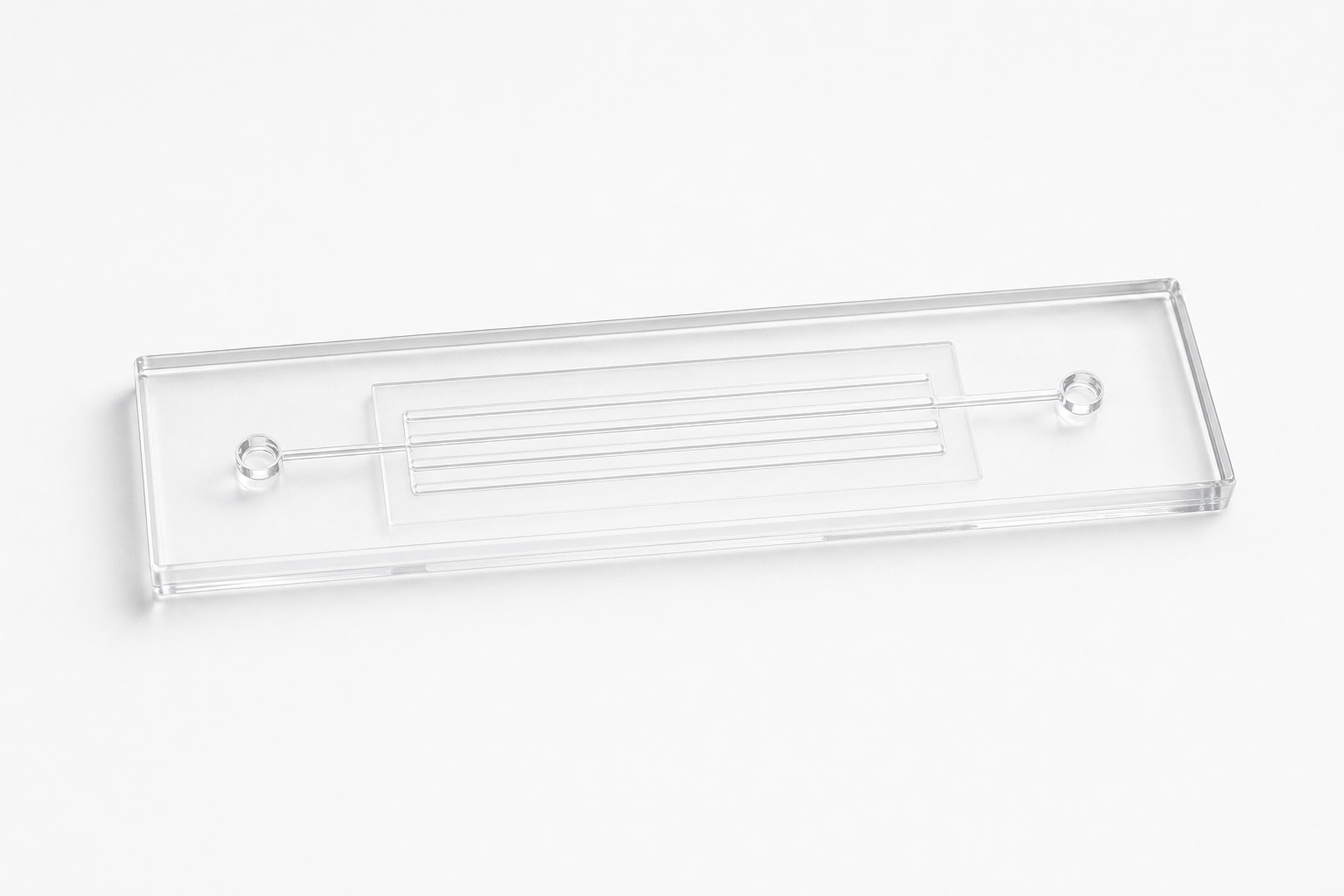
4-Channel Parallel Microfluidic Chip
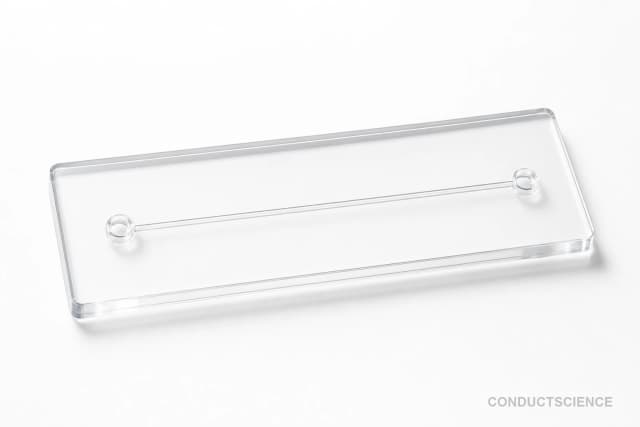
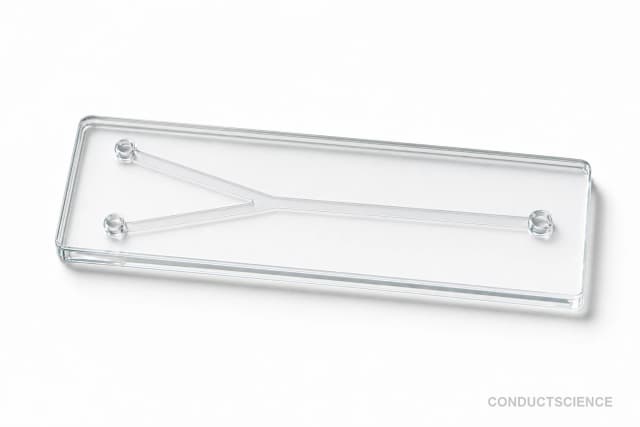
Four independent microfluidic channels in standard slide format for parallel experimental processing and comparative studies.
Reusable chip — designed for multiple experimental runs. Compatible with standard microfluidic tubing: steel pins (0.7 mm ID / 1.0 mm OD) and silicone tubing (0.8 mm ID / 1.9 mm OD). Available in bulk packs (5‑, 10‑, and 25‑unit) for lab-scale and consumable workflows.

Louise Corscadden, PhD
Director of Science · ConductScience
Ask Louise about 4-Channel Parallel Microfluidic Chip fit, setup, configuration, or quote prep.
Already working with us? Sign in to connect this with My Scientist.
Key Specifications
Full details →- Model fit
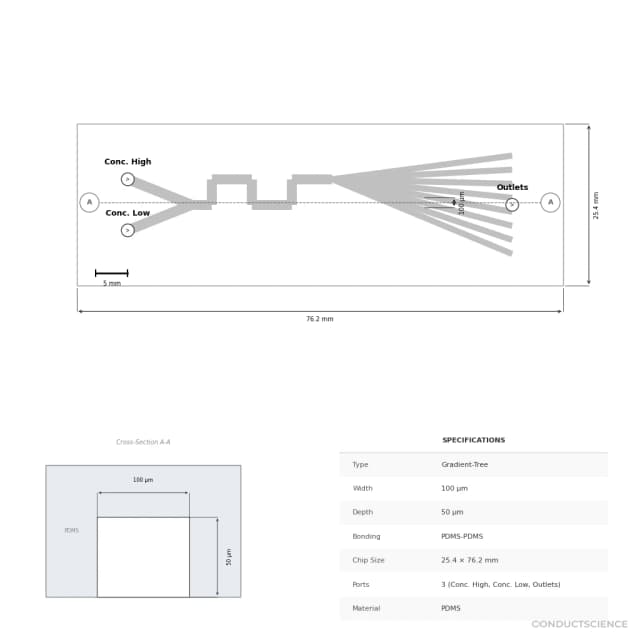
- 3 selectable configurations
- SKU family
- WHM-0119
- Shipping box
- 181.8 x 136.3 x 90.9 cm
- Ordering
- Online checkout and quote request available
- Category
- Microfluidic Chips
- Build notes
- Confirm accessories, station layout, and support needs before purchase
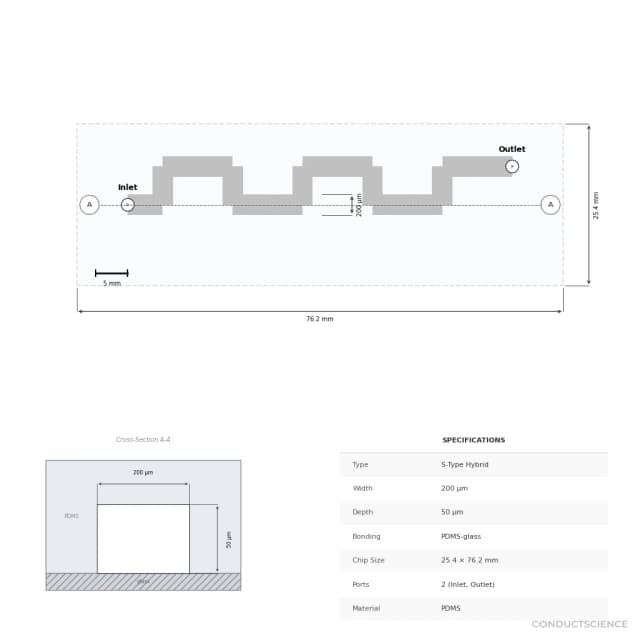
The 4-Channel Parallel Microfluidic Chip provides simultaneous fluidic processing across four independent channels within a standard microscope slide format. Each channel operates independently, enabling parallel experimental conditions or replicate testing within a single device. The 25 x 76 mm dimensions conform to standard slide specifications, ensuring compatibility with existing microscopy and imaging systems.
This multi-channel architecture supports comparative studies where multiple conditions, concentrations, or treatments must be evaluated simultaneously under identical environmental conditions. The parallel channel design reduces experimental variability by maintaining consistent temperature, pressure, and timing across all channels while enabling independent fluid control for each pathway.
How It Works
The microfluidic chip operates through precise control of fluid flow within microscale channels etched or molded into the substrate. Each of the four channels maintains independent fluidic pathways, allowing different solutions, samples, or experimental conditions to flow simultaneously without cross-contamination. The channel geometry and surface properties determine flow characteristics, residence time, and mixing behavior.
Fluid introduction typically occurs through inlet ports connected to external pumps or pressure sources. The laminar flow regime at microscale dimensions ensures predictable flow patterns and minimal turbulence. Channel dimensions and surface treatments can be optimized for specific applications, whether cell culture, chemical synthesis, or analytical processing.
The standard slide format enables integration with microscopy systems for real-time observation and analysis. Optical transparency allows continuous monitoring of processes within each channel, while the parallel architecture enables direct comparison of results across different experimental conditions.
Features & Benefits
Shipping weight
- 3.3 lb
Shipping box
- L: 181.8 cm
- W: 136.3 cm
- H: 90.9 cm
| Feature | This Product | Typical Alternative | Advantage |
|---|---|---|---|
| Number of Channels | 4 independent channels | Single or dual-channel configurations more common in basic microfluidic devices | Enables simultaneous testing of multiple conditions or replicates within a single experimental run |
| Format Compatibility | Standard slide format (25 x 76 mm) | Custom dimensions often require specialized equipment or adapters | Direct compatibility with existing microscopy systems without modification |
| Channel Independence | Independent fluidic control per channel | Shared fluid systems in some multi-channel designs | Prevents cross-contamination and allows different experimental conditions simultaneously |
| Application Focus | Optimized for parallel experiments and screening | Single-purpose or limited flexibility in many designs | Supports diverse experimental protocols from cell culture to chemical synthesis |
This chip provides parallel processing capabilities in a standard format, offering experimental flexibility and reduced variability. The four-channel design balances throughput with manageable complexity for most laboratory applications.
| Model | SKU | Listed price | Status | Shipping box |
|---|---|---|---|---|
| 25-Pack | WHM-0119-25PK | Quote | Available | 181.8 x 136.3 x 90.9 cm |
| 10-Pack | WHM-0119-10PK | $1,490.00 | Available | 181.8 x 136.3 x 90.9 cm |
| 5-Pack | WHM-0119-5PK | Quote | Available | 181.8 x 136.3 x 90.9 cm |
Practical Tips
Prime all channels with buffer solution before introducing samples to ensure consistent flow patterns and remove air bubbles.
Why: Air bubbles can disrupt flow and create pressure variations that affect experimental reproducibility.
Clean channels immediately after use with appropriate solvents followed by deionized water rinse.
Why: Prevents buildup of residues that could affect future experiments or block narrow channels.
Monitor flow rates in each channel during experiments to ensure consistent conditions across all pathways.
Why: Flow rate variations can affect residence time and mixing, leading to inconsistent results between channels.
If channels show different flow characteristics, check for blockages or leaks in individual fluidic connections.
Why: Even small obstructions or air leaks can significantly alter flow behavior in microscale channels.
Use appropriate chemical-resistant tubing and fittings when working with organic solvents or harsh reagents.
Why: Chemical incompatibility can cause connection failures and potential exposure to hazardous materials.
Establish flow rate calibration curves for each channel using gravimetric or volumetric methods.
Why: Individual channels may have slight dimensional variations affecting flow characteristics.
Setup Guide
What’s in the Box
- 4-Channel Parallel Microfluidic Chip
- Product specification sheet (typical)
- Handling and storage instructions (typical)
Warranty
ConductScience provides standard manufacturer warranty coverage with technical support for microfluidic chip products. Warranty terms cover manufacturing defects under normal laboratory use conditions.
Compliance
References
Background reading relevant to this product:
What are the typical channel dimensions and how do they affect flow characteristics?
Channel dimensions including width, depth, and spacing are specified in the product datasheet. These parameters determine flow rates, residence time, and mixing behavior. Consult the technical specifications for precise measurements relevant to your application.
Can each channel be operated at different flow rates simultaneously?
Yes, the four channels operate independently, allowing different flow rates, pressures, or fluid compositions in each pathway. External pumps or pressure sources control each channel individually.
What materials are compatible with the chip surface and channels?
Material compatibility depends on the chip substrate and any surface treatments. Consult the product datasheet for chemical compatibility information and recommended cleaning protocols for your specific reagents.
How do I prevent cross-contamination between channels?
The chip design provides physical separation between channels. Use proper fluidic connections, maintain positive pressure differentials, and follow recommended priming and cleaning procedures between experiments.
What microscopy techniques work best with this chip format?
The standard slide format is compatible with brightfield, fluorescence, and phase contrast microscopy. Optical transparency allows real-time observation, though specific imaging requirements depend on your experimental needs.
Can the chip be reused for multiple experiments?
Reusability depends on the experimental conditions and cleaning protocols. Follow manufacturer guidelines for cleaning and sterilization procedures appropriate for your specific application and reagents.
What are the typical applications for parallel channel microfluidics?
Common applications include dose-response studies, condition optimization, replicate testing, and screening experiments where multiple parameters need simultaneous evaluation under controlled conditions.
Have a question about this product?
Have a question? Just ask.
Send it over and we'll email you a personalized answer — no call, no scheduling.
Prefer to talk it through?