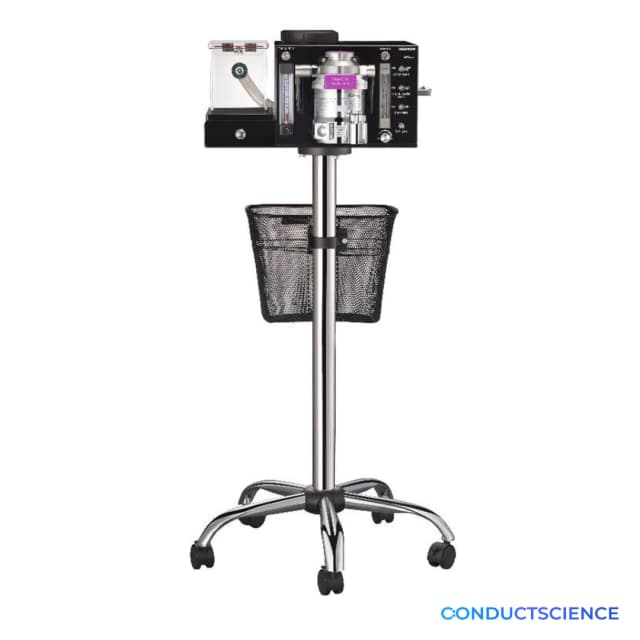
Transparent plexiglass chamber
Supports animal observation during the induction phase while keeping the chamber visible in the anesthesia station.

Transparent plexiglass anesthesia induction chamber family for small-animal inhalation anesthesia setup, with coaxial or separate inlet/outlet interface planning, 11 mm thick lid and seal-strip leak control, quick induction before surgery, chamber exhaust routing to charcoal canister support, and selectable mouse, mouse/rat, rabbit/cat, or large-animal chamber sizes.

Director of Science · ConductScience
Ask Louise about Anesthesia Induction Chamber fit, setup, configuration, or quote prep.
Already working with us? Sign in to connect this with My Scientist.
The Anesthesia Induction Chamber is a transparent plexiglass chamber family for small-animal inhalation anesthesia induction. It gives the lab a sealed, observable space for initial induction before surgery, stereotaxic positioning, imaging preparation, mask maintenance, or other bench workflows where animals should be anesthetized before transfer to the working station.
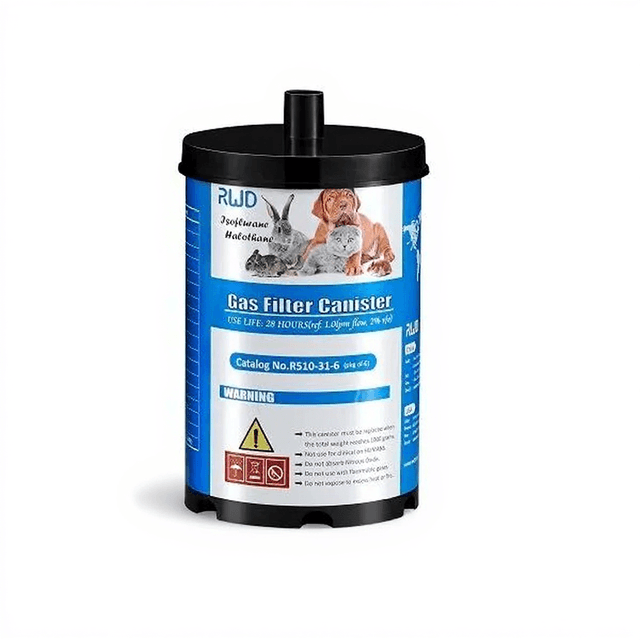
The source-supported chamber family separates two practical interface designs. Coaxial I/O configurations use a concentric inlet/outlet connector path to reduce table-space use. Separate I/O configurations place the air inlet and exhaust interfaces separately for stations that need a clearer gas-in and gas-out route with compatible anesthesia machines. Both designs route anesthetic gas into the chamber and exhaust gas toward corrugated tubing and charcoal-canister support.
Supports quick chamber induction before transfer to a cone mask, stereotaxic mask, surgical pad, imaging station, or ventilator-assisted setup.
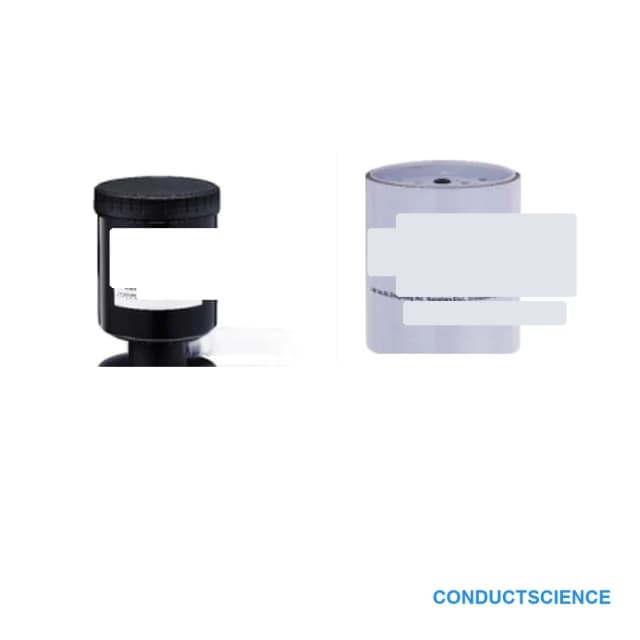
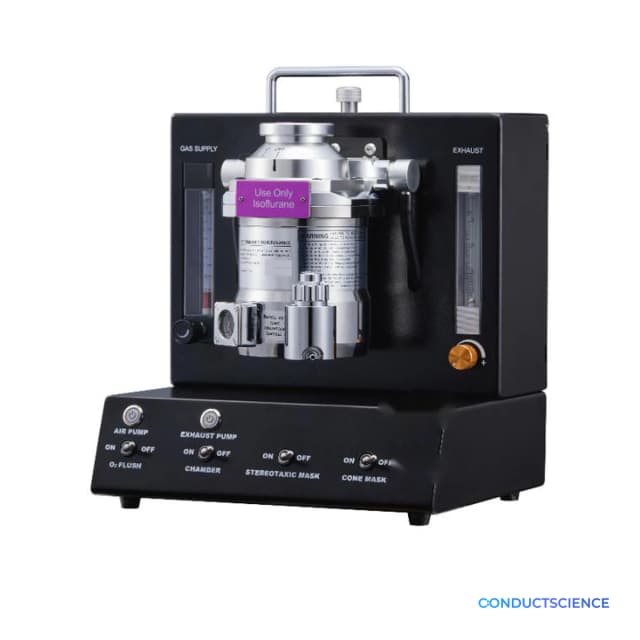
Pairs chamber size with gas source, vaporizer, flowmeter, tubing, active scavenging, absorber canister, and downstream mask selection.
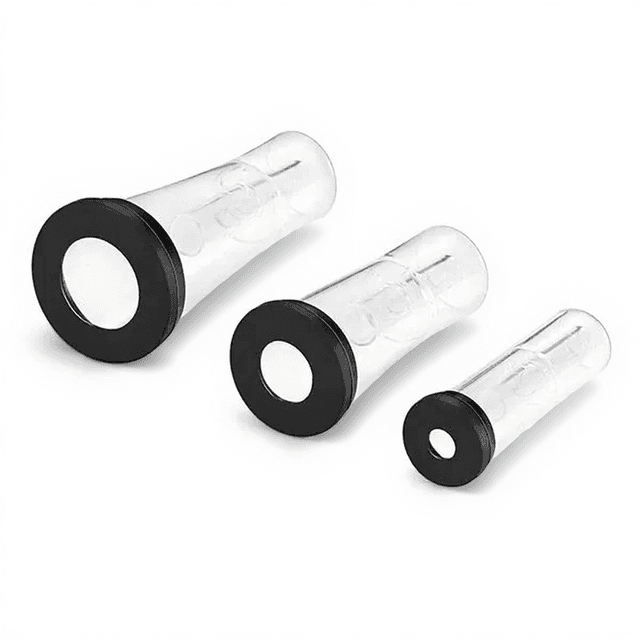
Size selection is the core purchasing decision. The family covers mouse 150 x 100 x 100 mm, mouse/rat 240 x 120 x 150 mm, rabbit/cat 380 x 280 x 250 mm, and a large-animal 500 x 300 x 300 mm coaxial option. The chamber should be selected around animal size, induction workflow, gas source, scavenging path, absorber replacement plan, and the masks or surgical station used after induction.
Induction chambers are commonly used in rodent and small-animal inhalation anesthesia workflows when researchers need quick induction before moving the animal to a nose cone, stereotaxic mask, surgical field, imaging station, warming pad, or ventilator-assisted setup. Transparent chamber walls help the operator monitor the animal during the induction phase while the inlet/outlet path keeps gas delivery and exhaust planning connected to the anesthesia station.
Supports animal observation during the induction phase while keeping the chamber visible in the anesthesia station.
Lets the lab choose a compact concentric connector path or a separated inlet and exhaust path around the anesthesia machine and scavenging setup.
Covers mouse, mouse/rat, rabbit/cat, and large-animal size planning across coaxial and separate inlet/outlet chamber designs.
Uses an 11 mm thick lid and seal-strip closure design with exhaust routing toward corrugated tubing and charcoal-canister support.
Workflow fit
Place the subject in the chamber and observe induction according to the approved protocol.
Move to mask, nose cone, stereotaxic frame, or procedure station without breaking workflow timing.
Continue anesthesia through the selected maintenance interface with scavenging and monitoring.
Clean the chamber and track recovery timing, animal status, and any protocol notes.