Automatic Polarimeter
Precision automatic polarimeter with LED light source providing 0.001° resolution optical rotation measurements, featuring touchscreen interface and temperature control for pharmaceutical and analytical applications.

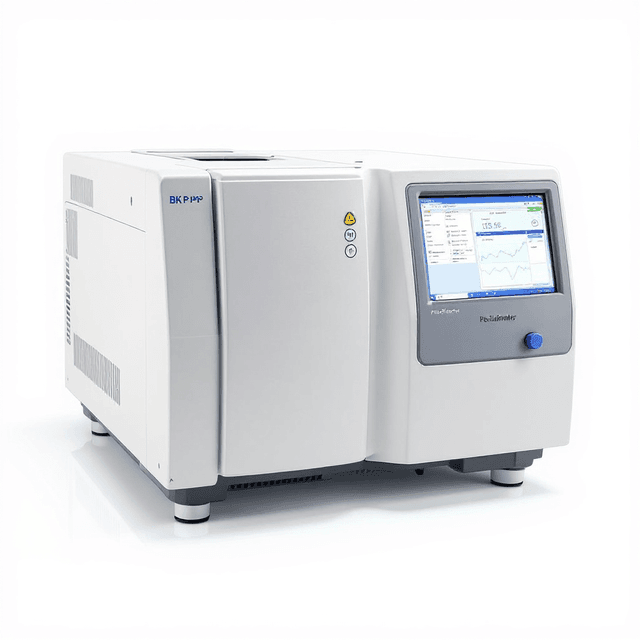
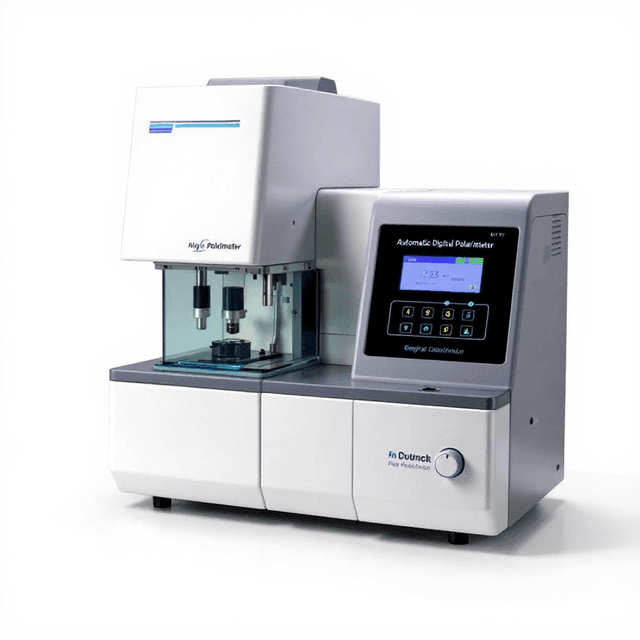
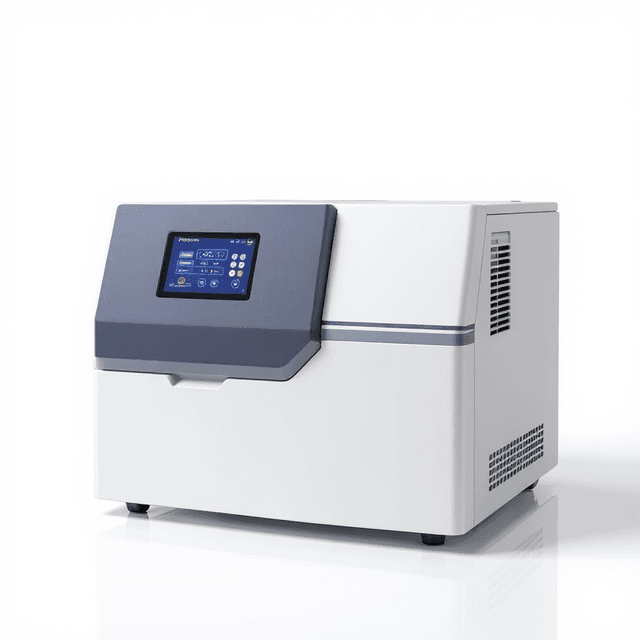
The Automatic Polarimeter BIO-0545 is a precision optical instrument designed for measurement of optical rotation and sugar concentration in liquid samples. Utilizing a LED cold light source with high precision interference filter at 589.3nm wavelength, the instrument provides automated polarimetric analysis with 0.001° resolution and 0.002° repeatability. The system features a 7-inch TFT touch color screen interface and supports single, multiple, and continuous measurement modes for diverse analytical workflows.
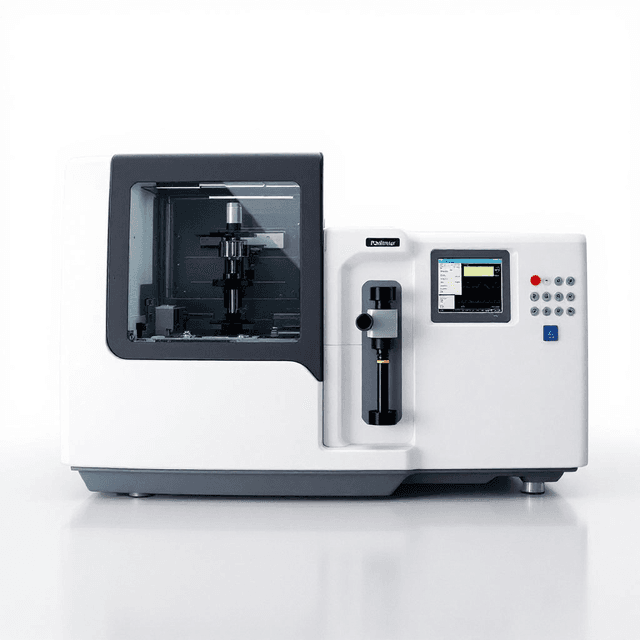
The instrument accommodates standard test tubes of 200mm and 100mm lengths and includes integrated temperature control with 0.1°C accuracy across a 0-100°C range. Data storage capacity of 1000 measurement groups enables comprehensive sample tracking and historical analysis. The polarimeter is suitable for pharmaceutical quality control, food industry analysis, chemical research, and educational applications requiring precise optical rotation measurements.
How It Works
Polarimetry measures the rotation of plane-polarized light as it passes through optically active substances. The instrument generates monochromatic light at 589.3nm using an LED source and precision interference filter, which is then polarized through a polarizing element. When this polarized light encounters chiral molecules in the sample, the plane of polarization rotates by an angle proportional to the concentration and optical activity of the substance.
The rotated light passes through an analyzer that determines the degree of rotation by measuring the intensity of transmitted light at different angular positions. The integrated temperature sensor compensates for thermal effects on optical rotation, as many substances exhibit temperature-dependent specific rotation values. The microprocessor calculates optical rotation in degrees and can convert to concentration units using stored calibration factors.
The 7-inch touchscreen interface provides real-time measurement display and data management capabilities. Multiple measurement modes allow for single-point analysis, replicate measurements for statistical evaluation, or continuous monitoring for kinetic studies. The 1000-group data storage system maintains measurement history with associated temperature and time stamp information.
Features & Benefits
Weight
- 21.4 kg
Dimensions
- L: 28.0 mm
- W: 71.5 mm
- H: 35.5 mm
Comparison Guide
| Feature | This Product | Typical Alternative | Advantage |
|---|---|---|---|
| Measurement Resolution | 0.001° least count with 0.002° repeatability | Entry-level models often provide 0.01° resolution | Higher precision enables detection of small concentration changes and analysis of low optical activity samples |
| Display Interface | 7-inch TFT touch color screen | Basic models typically feature LCD displays with button navigation | Touchscreen interface simplifies operation and provides intuitive parameter adjustment without external computer requirements |
| Temperature Control Range | 0-100°C with ±0.1°C accuracy | Many polarimeters offer limited temperature monitoring | Wide temperature range supports thermal analysis studies and temperature-sensitive compound measurements |
| Measurement Modes | Single, multiple, and continuous measurement methods | Basic instruments often provide single measurement mode only | Multiple modes enable statistical validation through replicates and kinetic monitoring for reaction studies |
| Data Storage Capacity | 1000 measurement groups with integrated storage | Lower-cost models may lack internal data storage | Comprehensive measurement history supports quality control documentation and trend analysis without external data logging |
| Light Source Technology | LED cold light source with precision interference filter | Some models use tungsten or halogen lamps | LED source provides stable illumination without sample heating and extended lamp life compared to conventional sources |
The BIO-0545 combines high-precision measurement capabilities with user-friendly touchscreen operation and comprehensive temperature control. The multiple measurement modes and extensive data storage capacity support both routine quality control applications and advanced research protocols requiring statistical validation and kinetic monitoring.
Practical Tips
Perform zero calibration with distilled water before each measurement session and verify with certified quartz standards monthly.
Why: Drift in optical components can introduce systematic errors that compromise measurement accuracy over time.
Clean optical windows with appropriate solvents and lint-free wipes after each use to prevent residue buildup.
Why: Sample residues and fingerprints on optical surfaces cause light scattering that reduces measurement precision.
Allow samples to equilibrate to measurement temperature for at least 10 minutes before analysis.
Why: Temperature gradients within the sample can create optical distortions and lead to inconsistent results.
If measurements show excessive noise, check for air bubbles in the sample and verify test tube cleanliness.
Why: Air bubbles and particulate contamination scatter light and interfere with accurate polarization angle detection.
Use multiple measurement mode for critical samples to obtain statistical validation of results.
Why: Replicate measurements reveal measurement uncertainty and identify potential sample inhomogeneity issues.
Ensure proper ventilation when using volatile solvents and wear appropriate personal protective equipment.
Why: Sample preparation may involve organic solvents that pose inhalation and contact hazards in laboratory environments.
Record ambient temperature and humidity during calibration procedures for documentation purposes.
Why: Environmental conditions can affect instrument stability and are required for complete measurement traceability.
Store the instrument with dust cover and maintain stable room temperature to minimize thermal cycling effects.
Why: Temperature fluctuations can cause optical component expansion and contraction leading to measurement drift.
Setup Guide
What’s in the Box
- Automatic polarimeter main unit
- Power cord and adapter
- 200mm standard test tube
- 100mm standard test tube
- Cleaning accessories (typical)
- User manual and quick start guide
- Calibration certificate (typical)
- Sample preparation tools (typical)
Warranty
ConductScience provides a standard one-year manufacturer warranty covering defects in materials and workmanship, with comprehensive technical support for calibration and operational guidance throughout the instrument lifecycle.
Compliance
References
Background reading relevant to this product:
What calibration standards are required for optical rotation measurements?
Use certified quartz plates or sucrose solutions of known specific rotation. Perform zero calibration with distilled water before each measurement session and verify accuracy with NIST-traceable standards at regular intervals.
How does temperature variation affect measurement accuracy?
Optical rotation is highly temperature-dependent for most compounds. The integrated temperature sensor provides automatic compensation, but samples should equilibrate to measurement temperature. A 1°C change can alter results by 0.1-0.5° depending on the substance.
What sample preparation considerations are critical for accurate results?
Ensure complete dissolution without air bubbles, use appropriate solvent systems, and maintain consistent path length. Filter samples if necessary to remove particulates that can cause light scattering and measurement errors.
Can the instrument measure both optical rotation and sugar concentration?
Yes, the system provides direct optical rotation measurements (±189.99°) and calculates sugar concentrations (±257°) using built-in conversion algorithms based on specific rotation values for common sugars.
What is the minimum sample volume required for measurement?
Sample volume depends on test tube selection - typically 3-5 mL for 100mm tubes and 6-10 mL for 200mm tubes. Consult product datasheet for exact volume specifications and minimum fill requirements.
How does this compare to manual polarimetry methods?
Provides automated measurement with digital readout versus visual null-point detection in manual polarimeters. Offers higher precision (0.001° vs 0.01-0.05°), temperature compensation, and data storage capabilities not available in manual instruments.
What data export options are available for laboratory information systems?
The 1000-group internal storage system maintains measurement history. Consult product datasheet for specific data export formats and connectivity options for LIMS integration.
What maintenance procedures are recommended for optimal performance?
Clean optical surfaces with appropriate solvents, perform regular zero calibration, verify measurement accuracy with certified standards, and maintain stable operating temperature. Schedule annual professional calibration for critical applications.
Have a question about this product?
Upgrade Options